Women Who Made History In Nigeria
Women have played vital roles throughout Nigerian history, serving as leaders, warriors, traders, activists, and reformers. From influential pre-colonial figures such as Queen Amina of Zazzau and powerful market women to contemporary politicians and global leaders, Nigerian women have continuously shaped the country’s political, economic, and social development. Recognizing and documenting these contributions not only corrects historical omissions but also promotes gender equality, challenges stereotypes, and inspires future generations to actively participate in nation-building.
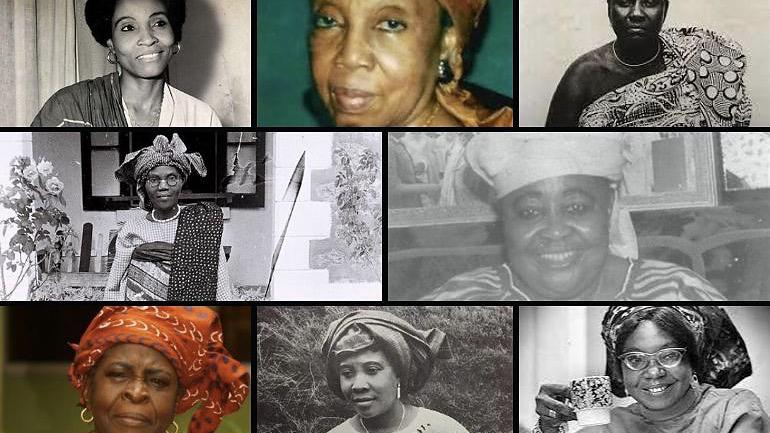
Women have playedpowerful and transformative rolesthroughout Nigerian history, from the pre-colonial era to modern times. Despite living in largely patriarchal societies, Nigerian women have been leaders, warriors, traders, activists, and nation-builders.
Their contributions shaped politics, economy, culture, resistance movements, and social development, although many of their stories were ignored or underrepresented in historical records.
Women as Political Leaders in Pre-Colonial Nigeria
In pre-colonial Nigeria, women exercised considerable political authority, particularly within Yoruba, Igbo, and Hausa societies. These societies recognized women as active participants in governance and leadership.
Among the Yoruba,women held influential positions such as the Iyalode, a senior female chief who represented the interests of women, advised the king, and participated in key political decisions.
In Igbocommunities, women operated within a dual-sex political system,where men and women governed through parallel institutions. Women’s authority was further strengthened by groups such as the Umuada—daughters of the lineage—who played crucial roles in conflict resolution, law enforcement, and the maintenance of social order.
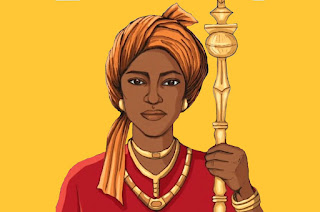
Within Hausa society, women also rose to positions of power. One of the most notable examples is Queen Amina of Zazzau, a 16th-century ruler renowned for her military and administrative leadership.
Queen Amina expanded the territory of Zazzau through a series of successful military campaigns. She fortified cities by constructing defensive walls, now historically referred to as Amina’s Walls,and promoted long-distance trade by establishing secure trade routes across large parts of northern Nigeria.
Her reign remains a powerful symbol of female leadership, courage, and strategic governance in Nigerian history.
Resistance and Protest Movements
One of the most remarkable examples of women’s political activism in Nigerian history is the Aba Women’s Riot of 1929, often regarded as one of the largest women-led protests in African history.
This uprising saw over 10,000 Igbo womenrise against the colonial authorities in southeastern Nigeria. The women were protesting unfair taxation policies imposed by British colonial officials and the abuse of administrative power.
Their collective action was highly organized and strategic, forcing the British to abandon plans to tax women directly.
The protest not only highlighted the courage and determination of Nigerian women but also prompted significant reforms in local governance, showing that women could wield substantial political influence even under oppressive colonial rule.
History
Rewind the Stories that Made Africa, Africa
A Journey Through Time, Narrated with Insight.
Women in the Nationalist and Independence Era
During Nigeria’s struggle for independence, women became political mobilizers and activists.
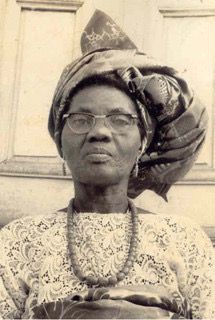
Several women became prominent figures in the fight for women’s rights and national liberation. Funmilayo Ransome-Kuti, for instance, emerged as a powerful nationalist and women’s rights activist.
She led campaigns against unfair taxation of women in Abeokuta, founded the Abeokuta Women’s Union, and tirelessly advocated for women’s suffrage and political participation.
Her efforts demonstrated the capacity of organized women’s groups to influence political and social change.

In Eastern Nigeria, Margaret Ekpo played a similar role in mobilizing women for political activism. She was among the first women to be elected into a regional assembly, breaking barriers for female political representation.
Both Ransome-Kuti and Ekpo challenged colonial authority, fought for gender equality, and inspired future generations of women to demand their place in governance and public life.
Politics and Governance
Women continued to face challenges such as:
• Patriarchy
• Cultural restrictions
• Limited access to political power
However, progress was made.
After independence, Nigerian women continued to make significant contributions in politics, governance, education, and social activism.
Figures such as Dora Akunyili, who as the director of NAFDAC fought against corruption and the distribution of fake drugs, and Ngozi Okonjo-Iweala, who became Nigeria’s Finance Minister and later the Director-General of the World Trade Organization, exemplify women’s leadership at the highest levels of national and international governance.
History
Rewind the Stories that Made Africa, Africa
A Journey Through Time, Narrated with Insight.
Oby Ezekwesili worked tirelessly to reform education and promote transparency, while Amina Mohammed reached global prominence as the United Nations Deputy Secretary-General, advocating for sustainable development and women’s empowerment.
Beyond politics and governance, Nigerian women have excelled in literature, activism, and social reform. Chimamanda Ngozi Adichie has become a global voice for feminism and cultural identity, while Beyond politics and governance, while Gambo Sawaba fought relentlessly for political and social rights in Northern Nigeria, often challenging traditional barriers to women’s participation.
Together, these women illustrate the continuity of female leadership and activism in Nigeria—from challenging colonial powers to shaping modern governance, social policy, and culture.
Challenges Faced by Nigerian Women
Despite their contributions, women have faced:
• Gender discrimination
• Limited political representation
• Economic inequality
• Harmful traditional practices
• Gender-based violence
These challenges continue to shape women’s struggles in modern Nigeria.
Women in Nigerian history have been leaders, fighters, builders, and reformers. From ancient queens and market women to modern politicians, professionals, and global leaders, Nigerian women have consistently shaped the nation’s past and continue to influence its present and future.
Recognizing and documenting the roles of women is essential not only for ensuring historical accuracy but also for challenging long-standing gender biases, amplifying marginalized voices, and inspiring future generations of girls to pursue leadership, education, and civic participation. By acknowledging women’s contributions, Nigeria strengthens its commitment to gender equality, inclusive development, and national progress.