Are Expiration Dates Misleading? What You Should Really Trust
Most expiration dates indicate quality, not safety. Except for infant formula, food is often safe past the printed date. By storing items properly and trusting your senses through smell, sight, and texture which can help you reduce waste and eat safely.
Manufacturers have been found to set the dates on their food products, even discovered that some manufacturers conduct taste tests that will factor into the expiration date, according to Emily Broad Leib, lead author of the study, titled The Dating Game, and director of Harvard Law School's Food Law and Policy Clinic.
She also said that, "Manufacturers are picking dates that are really protective over their brand, which is fine, It's just important for consumers to know that."
The study looked at rates of waste, finding that 90% of consumers throw their food away on the sell by date.
Leib revealed that consumers are unaware that these dates are not necessarily linked with food safety.
That’s why every year, millions of people throw away food simply because the date printed on the package has passed.
As a result, about 160 billion tons of food are wasted every year.
For many consumers, that small stamp can be, "Best By, Sell By, or Use By” which feels like a strict safety deadline.
But in reality, most expiration dates are not about safety at all.
Except for infant formula, these dates are largely voluntary and are designed to indicate peak quality, not the moment food becomes dangerous.
This misunderstanding has major consequences. It contributes to unnecessary food waste, household financial loss, and confusion about what is actually safe to eat.
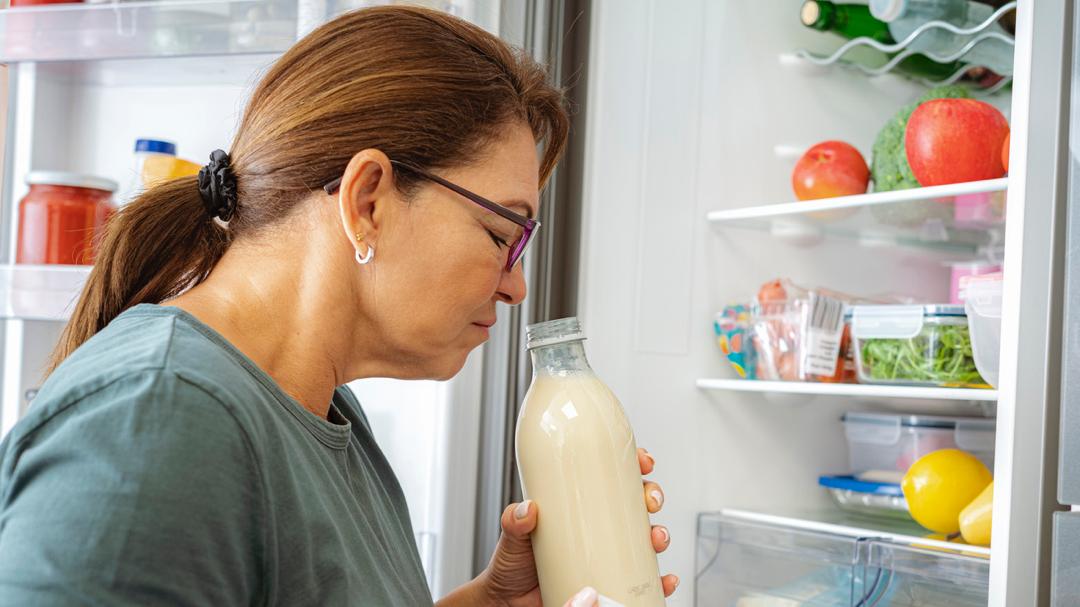
Leib concluded that, "Consumers need to take that extra minute to actually look at their food and smell their food and make an assessment, not just to rely on these dates and throw everything away after the date, which is leading to high rates of food waste."

What Expiration Dates Actually Mean
There are similar variations in state regulations for eggs, shellfish, goods sold at farmers’ markets and other surprising products.
Texas, for instance, requires produce pickled in home kitchens to be labeled with the date it was prepared.
The effect of these varying policies is “confusion and chaos,” said Yvette Cabrera, food waste director at the Natural Resources Defense Council.
“It creates these really complex distribution systems, packaging systems, manufacturing systems that make it really hard for food producers to comply.”
It also creates waste. Many states ban sales or donations of past-date products, and many consumers with the ratio of 43 percent, according to a 2025 survey.
Consumers usually toss food that’s close to or past its date.
“More people than ever are confused about words like ‘used by’,” said Emily Broad Leib.

“Is it safe or is it quality?”
Food labels can be misleading because they sound urgent. However, each term has a different purpose:
• “Best By” usually refers to when the product will have its best flavor or texture.
• “Sell By” is mainly for retailers, guiding how long stores should display the product.
• “Use By” may indicate peak quality, not necessarily safety.
Manufacturers determine these dates through shelf-life testing, measuring how long a product maintains its optimal taste, texture, and appearance.
After that date, the quality may slowly decline but that does not automatically make the food unsafe.
The only major exception is infant formula, which is federally regulated and should not be used past its expiration date because nutrient levels are critical for babies.
Why Consumers Are Often Misled
The confusion largely comes from language. Words like “expiration” imply danger, even when no safety risk exists.
Many people assume food becomes harmful the day after the printed date, which is not usually true.
Food date labels, along with advice on how to store food, can help consumers reduce household food waste.
But when labels are unclear or confusing, they can have the opposite effect. Many people throw away edible food because they misunderstand labels.
Confusion often comes from ambiguous wording, lack of standardization, unclear instructions, or poor presentation.
For example, UK households waste about 41% of food by weight simply because it wasn’t used in time or date guidance was unclear.
How labels are designed from type to instructions, storage advice, and visuals which has greatly affected consumer behavior.
The lack of standardized labeling across brands also adds to the problem, making it difficult for shoppers to interpret what each date truly represents.
What You Should Really Trust Instead
Instead of relying solely on the printed date, experts recommend using a combination of proper storage and sensory checks.
Trust Your Senses:
• Smell: Sour or unpleasant odors are strong warning signs.
• Sight: Mold, unusual discoloration, or curdling indicate spoilage.
• Texture: Sliminess, excessive wateriness, or unusual firmness may signal the food has gone bad.
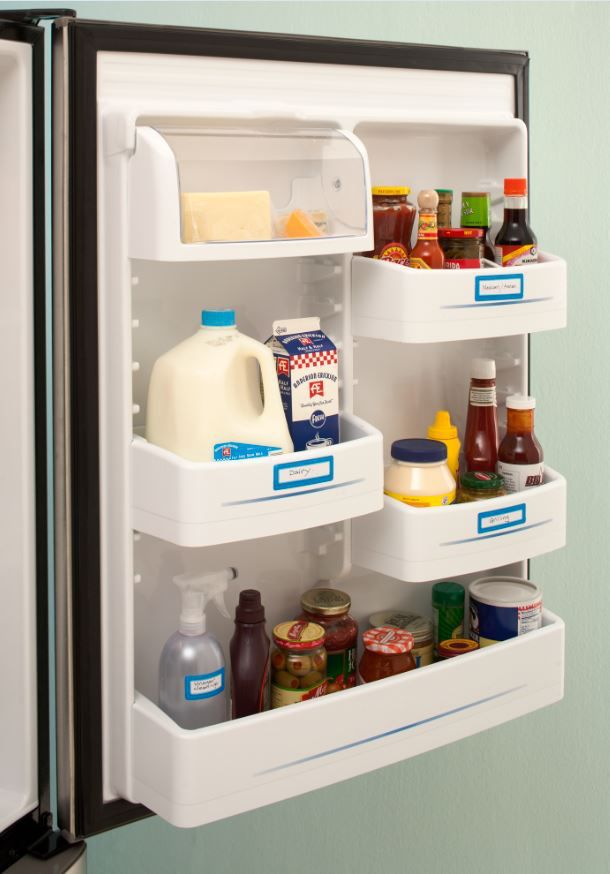
Keeping your refrigerator at 40°F (4°C) or below and your freezer at 0°F (-18°C) slows bacterial growth and helps food stay safe longer.
Proper storage often matters more than the date on the package.
Conclusion
Expiration dates are not the strict safety deadlines many people believe them to be. In most cases, they indicate peak quality and not the exact moment food becomes unsafe.
Misunderstanding these labels leads to unnecessary food waste and avoidable financial loss.
By learning what date labels truly mean, storing food properly, and trusting your senses to detect spoilage, you can make smarter decisions in your kitchen.
A careful look, smell, and understanding of storage conditions often matter more than the printed date itself.