Skipping Breakfast, Harmful Myth or Healthy Choice?
Is breakfast truly the most important meal of the day, or is skipping it perfectly healthy? While some believe missing breakfast slows metabolism and harms energy levels, others argue it can support weight control and mental clarity. The truth isn’t one-size-fits-all. Whether breakfast helps or harms depends on your body, lifestyle, and overall eating habits and not just the clock.

For decades, breakfast has been called “the most important meal of the day.” Parents insist on it, schools encourage it, and advertisements glorify it.
The common belief is simple: skipping breakfast slows your metabolism, reduces energy levels, and leads to weight gain.
But in recent years, trends like intermittent fasting and busy modern lifestyles have challenged that idea.
Many people now intentionally skip breakfast and claim they feel lighter, more focused, and even healthier.
For example, Mark Mattson, a neuroscientist at the National Institute on Aging in Maryland, has not had breakfast in 35 years.
Most days he practices a form of fasting like skipping lunch, taking a midafternoon run, and then eating all of his daily calories (about 2,000) in a six-hour window starting in the afternoon.
He said that, “Once you get used to it, it’s not a big deal. Cause I’m not hungry at all in the morning, and this is other people’s experience as well. It’s just a matter of getting adapted to it.”
So who is right? Is skipping breakfast a harmful habit that damages your body, or is it simply a flexible eating choice that depends on individual needs?
The answer is more complex than traditional advice suggests.
Understanding how breakfast affects metabolism, blood sugar, brain function, and long-term health is key to separating fact from myth.
The Metabolism Debate: Does Skipping Breakfast Slow It Down?
One of the biggest arguments for eating breakfast is that it “kickstarts” your metabolism, but this is a myth.
However, Antigone Senn, RDN, a registered dietitian nutritionist at Henry Ford Health, shows that healthy or not, up to one-quarter of Americans regularly bypass breakfast because they believe intermittent fasting is good for their bodies, or simply because they're not hungry.
He also said that, "Contrary to popular belief, what matters for metabolism is the total amount of food consumed throughout the day, not the time when you consume those calories.
The problem arises when breakfast skippers are so hungry that they overindulge when they're finally able to eat."
If your goal is to boost your metabolism and lose weight, studies show that whether you eat or skip breakfast has no bearing on the number of calories burned.
Your best bet is to turn your energy toward building muscle mass since muscle burns more calories than fat.
What matters more is your total daily calorie intake and overall diet quality.
Some studies even suggest that people who skip breakfast naturally eat fewer calories throughout the day.
However, others show that skipping breakfast can increase hunger later, leading to overeating at night. The effect varies from person to person.

In short, skipping breakfast does not automatically damage your metabolism — but how your body responds depends on your eating habits and lifestyle.

Blood Sugar, Energy, and Focus: What Happens in the Morning?
Breakfast composition may also be important. Dietary patterns high in rapidly available carbohydrates were associated with elevated T2DM risk.
Therefore, partial replacement of rapidly available carbohydrate with other dietary components, such as whole grains and cereal fibers, proteins, and unsaturated fatty acids (UFAs), at breakfast may be a useful strategy for producing favorable metabolic outcomes.
Consumption of fermentable and viscous dietary fibers at breakfast lowers glycemia and insulinemia
Breakfast plays a significant role in stabilizing blood sugar levels, especially for children, teenagers, and people with diabetes.
After an overnight fast, blood sugar levels are lower. Eating a balanced breakfast with protein, fiber, and healthy fats can improve concentration, memory, and mood.
However, sugary breakfasts (like pastries or sweet cereals) can cause a rapid spike in blood sugar followed by a crash, leading to fatigue and irritability. Ironically, skipping breakfast may feel better than eating a highly processed one.
For healthy adults, the body can adapt to morning fasting without serious problems.
But for students, athletes, and individuals with medical conditions, breakfast may provide important cognitive and physical benefits.
Weight Loss and Intermittent Fasting: Trend or Truth?
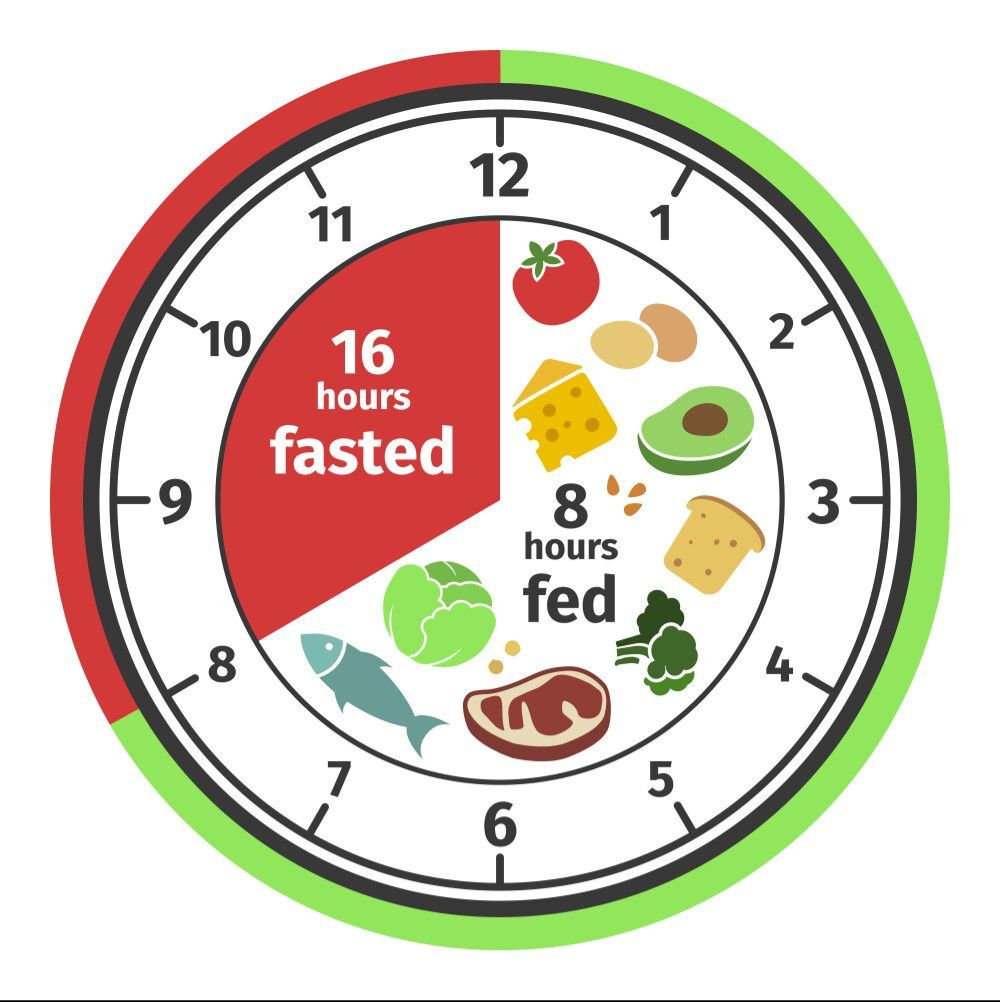
Intermittent fasting, which often involves skipping breakfast, has gained popularity for weight management. The idea is simple: reducing the eating window may help control calorie intake and improve insulin sensitivity.
Some studies support this, showing modest weight loss and improved metabolic markers. However, skipping breakfast alone does not guarantee weight loss. If someone compensates by eating large portions later in the day, the benefit disappears.
Long-term success depends more on balanced nutrition, portion control, and consistency than on whether breakfast is eaten at 7 a.m. or skipped entirely.
Conclusion
Skipping breakfast is neither a universal health disaster nor a guaranteed path to better health.
The idea that everyone must eat breakfast to stay healthy is outdated, but so is the assumption that skipping it automatically leads to weight loss or improved metabolism.
The truth lies in individual differences.
For children, teenagers, people with medical conditions, or those who need sustained morning energy, a balanced breakfast can improve focus, stabilize blood sugar, and support overall well-being.
For healthy adults who feel energized and function well without eating early, skipping breakfast may simply be a personal preference and especially when done thoughtfully and not replaced with late-night overeating.
Ultimately, what matters most is not when you eat, but what and how much you eat throughout the day.
A nutritious, balanced diet and consistent eating habits play a far greater role in long-term health than the presence or absence of one morning meal.