Beauty Standards and Their Impact on Self-Worth
Beauty standards shape how society defines attractiveness, often promoting narrow ideals based on body type, skin tone, facial features, and gender expectations.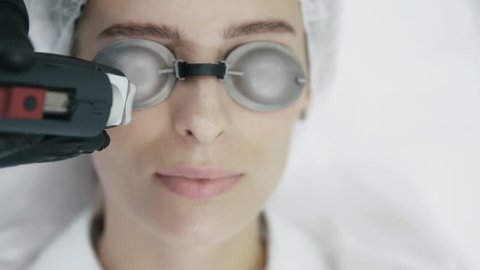
Social beauty standards are not just an abstract concept, they directly impact the way women view themselves, shape their behaviour, and influence their place in the world.
These standards perpetuated through culture, media and social influence, create unrealistic ideals of beauty that affect women’s confidence in profound and often damaging ways. It is a cultural expectations about what physical traits are considered attractive or desirable—such as body shape, skin tone, hair texture, facial feature etc..,
These ideals are shaped by media advertising, fashion industries and increasingly social media platforms. Beauty standards have always played a significant role in society, shaping perceptions of attractiveness and influencing people’s self-esteem.
Over the years, these standards have evolved drastically, influenced by various factors such as, cultural ideals, fashion trends and celebrity influence. This cover story will take you on a captivating journey through the timeline of beauty standards, highlighting iconic celebrities who embodied these ideals
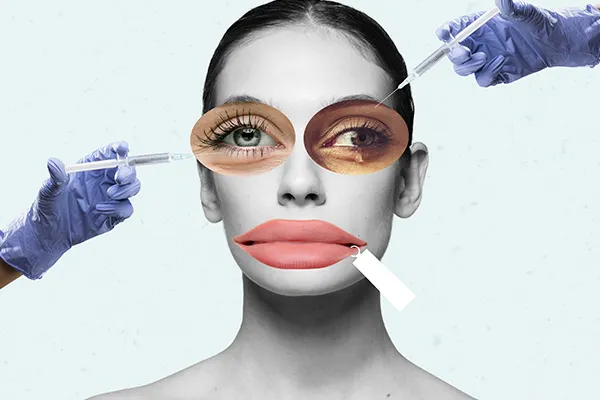
Beauty Standards Creates Unrealistic Ideals
People—especially young people are frequently exposed to idealized and often digitally altered images of beauty through social media, ads, and magazines. These images set a bar that is difficult or impossible for the majority to meet.
According to Kate Povey, beauty standards have been part of human history for a long time, and today they influence how we interact, what we see in the media, and even advertising. They define what is seen as “beautiful,” like body shape, face features, height, and weight. Many researchers have tried to explain why these standards exist, but there’s no clear agreement.
Example, the Brazilian Butt Lift (BBL)Trend has gained immense popularity in recent years, fueled by celebrities like Kim Kardashian and Jennifer Lopez, who are often associated with their curvaceous figures.
BBL involves fat transfer from one part of the body to the buttocks, creating a fuller and more rounded appearance, because of these celebrities are inducing to this, young people, in particular, tend to follow these standards, which creates unrealistic ideals.
Negative Self-Comparison
Humans naturally compare themselves with others. When individuals see “perfect” images online or in media, they often view themselves as sufficient if they do not match those images.
This social comparison leads to poor body image and lower self-esteem. According to Guardian Life, that in the recent years, the pressure to attain a slim figure has led to the emergence of dangerous weight loss practices.
One such method is the use of Ozempic, a prescription drug originally intended to treat type 2 diabetes. Ozempic works by mimicking the effects of a hormone called GLP-1, which helps regulate blood sugar levels and suppresses appetite.
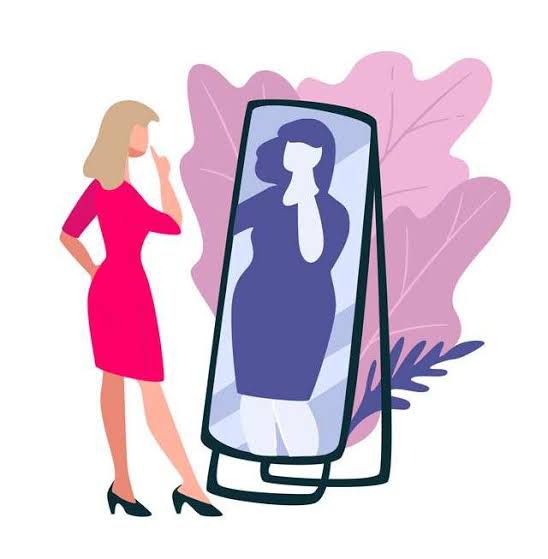
Psychological Impact on the Humans
Social Insight
Navigate the Rhythms of African Communities
Bold Conversations. Real Impact. True Narratives.
Body dissatisfaction tied to beauty standards is linked to:
Lower Self-esteem
Higher social anxiety
Depression and anxiety disorders and negative body image
Risk of eating disorders and Negative body image.

These practices can lead to nutritional deficiencies, hormonal imbalances, weakened immune systems, and even organ damage. The impact of these dangers is not limited to individuals alone; society as a whole bears the burden of the healthcare costs and emotional toll associated with these harmful practices.
Beauty standards have become the constant cycle of comparison, judgement, and dissatisfaction, which leads to societal pressures which has made many women falls short. it has distorts self-evaluation and self-worth because appearance becomes tied to identity and happiness. The beauty and fashion industries thrive on promoting and capitalizing on these ideals.
The constant pursuit of beauty leads to an increase in consumer spending on products and services promising to fulfil these standards. This not only perpetuates the cycle of unattainable beauty but also reinforces the profit-driven nature of these industries.
The emphasis on appearance as a measure of value and worth fuels consumerism and perpetuates a culture of materialism. Additionally, beauty standards have also contributed to a lack of diversity and representation in the media and entertainment industry.