FG Cuts Vehicle Import Levies by Up to 67% Under New Customs Tariff Policy
Nigeria's Federal Government has unveiled a new tariff policy, effective July 1, 2026, dramatically reducing Customs charges on imported new and used vehicles. While hailed as a positive step towards affordability, industry experts remain cautious, awaiting details on an impending 'Green Tax Surcharge' that could influence final vehicle prices.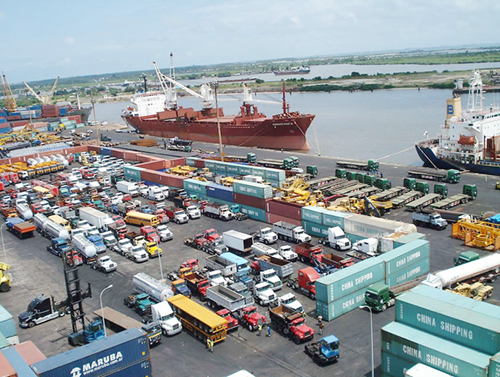
The Federal Government has introduced a new tariff policy that significantly reduces import levies on new and used vehicles, effective July 1, 2026. Under the revised fiscal measures, the levy on new vehicles has been reduced from 20% to 10%, while the levy on used vehicles drops from 15% to 5%, a move aimed at lowering import costs, improving vehicle affordability, and supporting trade.
The Nigeria Customs Service (NCS) said the changes form part of the 2026 Fiscal Policy Measures and will be implemented alongside a new Green Tax Surcharge to promote environmental sustainability.
While welcoming the reduction, the President of the National Association of Motor Dealers, Prince Ajibola, cautioned that the overall impact on vehicle prices will depend on the size of the new green tax.
He noted that although the lower import levies could reduce the cost of bringing vehicles into the country, any gains may be offset if the environmental surcharge is set too high. According to him, the policy's real effect will only become clear once the government discloses the details of the new tax.
Ajibola explained that if the Green Tax Surcharge is lower than the reduction in import levies, consumers could benefit from lower vehicle prices. However, if the surcharge equals or exceeds the savings from the levy cuts, the policy may have little impact on the final cost of imported vehicles.
The revised tariff regime is part of the Federal Government’s broader effort to reform Nigeria’s import duty structure and stimulate economic activity.