South Africa’s Top Court Ends Shell’s Wild Coast Permit. What Other African Communities Can Learn?
South Africa’s Constitutional Court cancelled Shell’s Wild Coast exploration right, reinforcing the need for meaningful community consultation.
On August 14, 2026, South Africa’s Constitutional Court ended the exploration right that Shell and Impact Africa hoped to use in searching for oil and gas along the Wild Coast.
The case had been running for years, and residents were fighting over more than whether seismic surveys should take place. They were also challenging how the decision had been made in the first place.
For coastal communities represented bySustaining the Wild Coast, the sea is a communal and sacred place. People fish there, earn a living and maintain cultural and spiritual practices connected to the water.
They wanted to know who would bear the damage if exploration disrupted that life while its promised economic benefits failed to reach coastal households.
Consultation Came After the Important Decision
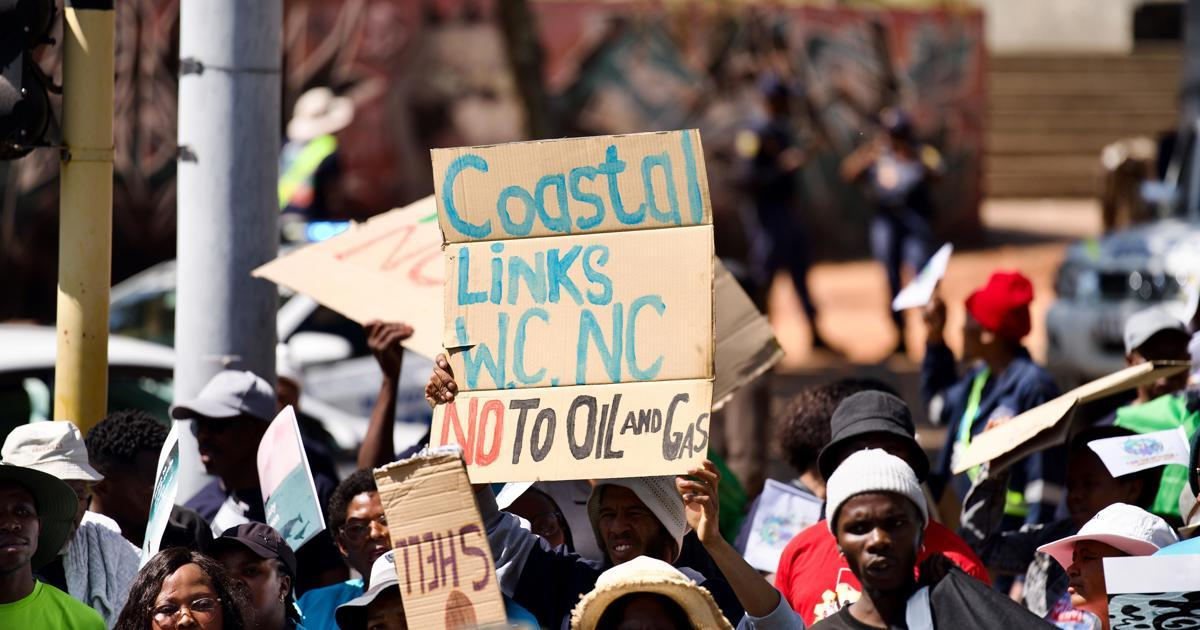
Impact Africa received the exploration right in 2014, and Shell later joined the project. Many residents said they were not properly involved before the permit was granted.
The consultation relied partly on newspaper notices that did not adequately reach some rural communities. Customary fishing rights, traditional healing and spiritual practices connected to the sea also received insufficient attention.
By the time many residents were invited to respond, the government had already granted the right and the companies had begun planning around it, so they had been notified without being given meaningful influence.
Residents needed a chance to examine the risks, question the expected benefits and object while their concerns could still affect the decision, not after the government and companies had already committed themselves to the project.
This Court Battle Is Finished, but Shell Could Return
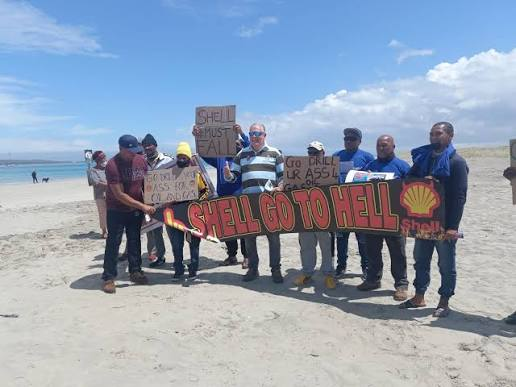
The Eastern Cape High Court cancelled the exploration right and its renewals in 2022 after finding that they had been granted unlawfully. The Supreme Court of Appeal upheld the finding but suspended the cancellation while the government considered a third renewal application.
Coastal residents challenged that compromise because it could have kept the defective right alive while officials considered whether to renew it.
TheConstitutional Court rejected that route. The 2014 exploration right and its renewals remain cancelled, so the companies would have to start again with a new application.
The Court reached that result by majority decision, with the judges disagreeing over whether the Constitutional Court had sufficient grounds to interfere with the remedy fashioned by the Supreme Court of Appeal.
Shell and Impact Africa are not permanently barred from seeking exploration rights in the area, but they would have to start again with a new application and go through the required environmental and consultation processes. The existing right is finished.
Shell said it had noted the judgment and remained committed to responsible exploration and environmental protection. South Africa’s mineral and petroleum authorities did not respond immediately.
Lamu Shows Why the Judgment Matters Beyond South Africa
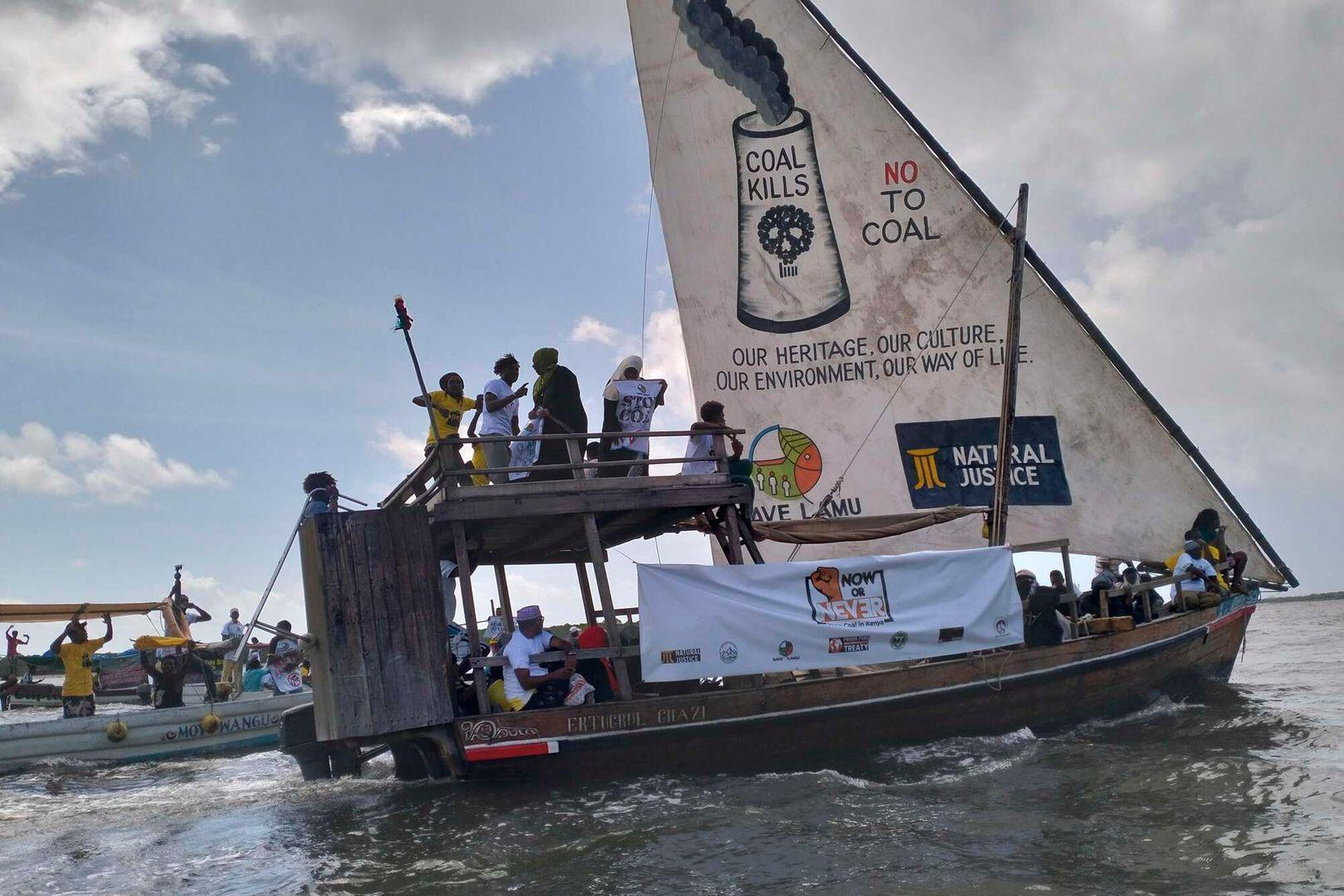
Kenya dealt with a similar failure during the proposed development of a coal-fired power plant in Lamu. In2019, the National Environment Tribunal cancelled the project’s environmental licence because public participation was inadequate and the assessment did not properly address the expected effects.
The developer could conduct a new study and reapply, but it could not continue using the defective licence. Kenya’s Environment and Land Courtupheld that decision in 2025.

Lamu and the Wild Coast involved different projects, laws and countries, but in both, communities challenged approvals made without giving them a meaningful chance to influence the process.
African governments need electricity, investment and jobs, and projects built to deliver those things can also put pressure on fishing grounds, land, health and cultural practices. The people carrying those risks need to be heard before the project is approved.
Meaningful consultation does not give communities an automatic veto. Governments may still approve a project, but affected people must be allowed to question its risks and present evidence before the decision is made.
The Wild Coast judgment binds South Africa alone, so communities elsewhere cannot use it as a legal veto over projects in their own countries.
But the reasoning will be relevant wherever governments say consultation is complete after residents have already been shut out of the important decisions.
Once a project has been approved and companies have built their plans around it, asking communities for their views is a very different exercise, because by then the room to change the decision may already be gone.