Airtel and Starlink Launch Africa's First Commercial Satellite-to-Mobile Service in DR Congo
DR Congo is the first African country to commercially launch Airtel and Starlink’s satellite-to-mobile service, connecting compatible phones directly to satellites.
Your phone can now stay connected in the Democratic Republic of the Congo, even where there is no mobile tower nearby.
On August 14,Airtel Africa and SpaceX's Starlink launched a commercial satellite-to-mobile service in the Democratic Republic of the Congo, making it the first African market where the technology has moved from testing to commercial use. Compatible Airtel smartphones can connect directly to Starlink satellites when terrestrial mobile coverage is unavailable.
How a normal phone connects to a satellite
The service works with compatible LTE Android smartphones. When a customer is outside Airtel's terrestrial coverage and has a clear view of the sky, the phone can connect to a Starlink satellite.
It currently supports SMS and selected light-data applications, including WhatsApp messaging. Faster data services are planned as newer satellites are introduced. Apple devices are expected to be supported later.
Why the DRC?
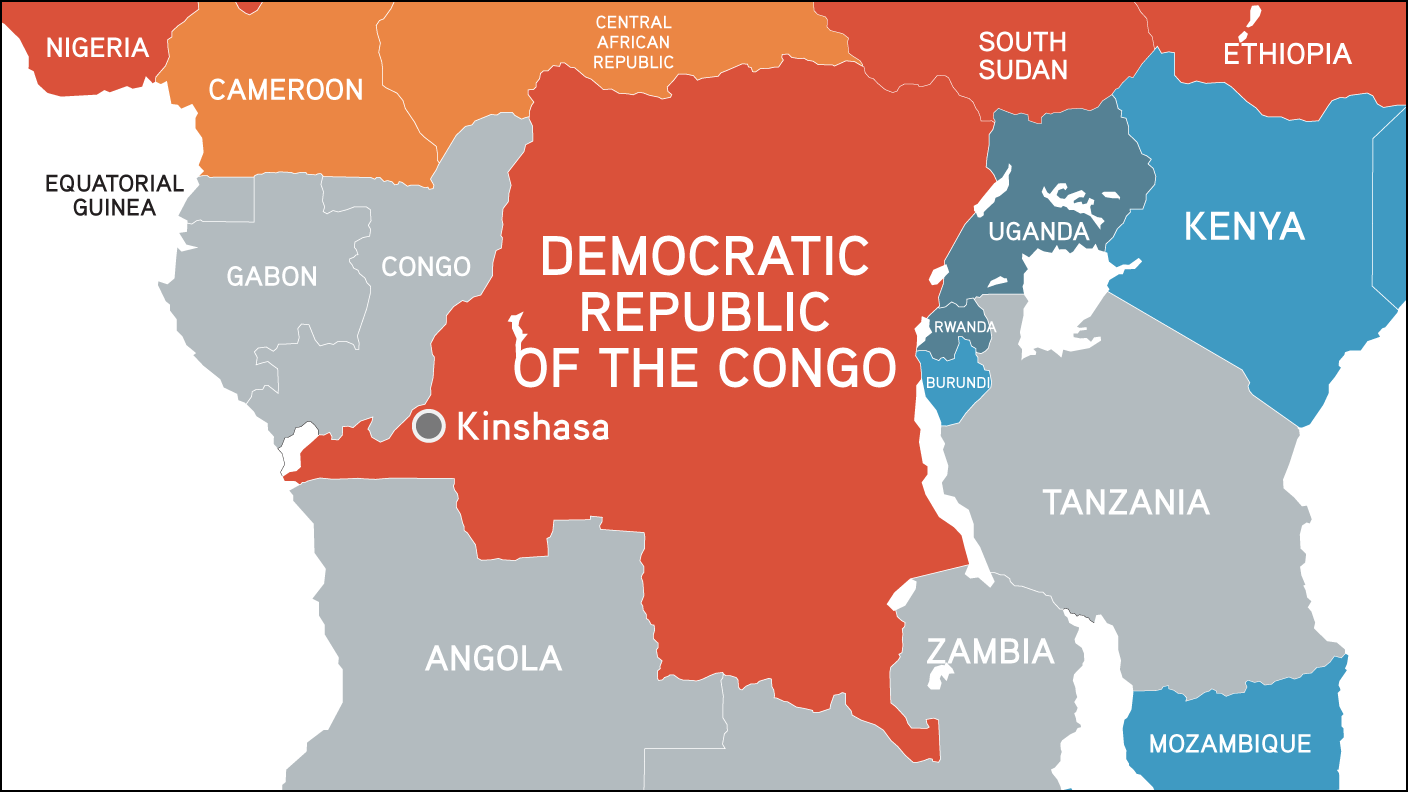
The DRC is one of Africa's largest countries, and extending mobile infrastructure across its vast territory is difficult and expensive. Some communities and operations remain beyond the reach of terrestrial networks.
A mining operation working beyond terrestrial coverage, for example, could use the connection for basic messaging without building a conventional mobile site at the location. The same could apply to health workers and humanitarian teams working in areas without reliable mobile service.
The service was tested in Kenya
Airtel and Starlink tested the technology in Kenya in March 2026, including in locations where Airtel's terrestrial network was unavailable.
Airtel says about 650 Starlink satellites currently support the mobile service. Newer satellites are expected to handle more data at higher speeds.
14 African markets are planned
Airtel plans to extend the service across its 14 African markets: Nigeria, Kenya, Uganda, Tanzania, Zambia, Malawi, Rwanda, Niger, Chad, Gabon, Seychelles, Madagascar, the Republic of the Congo and the DRC.
Each market will require regulatory approval and the necessary spectrum arrangements before Airtel can activate the service. Nigeria is among the planned markets, but Airtel has not announced a public launch date for the country.
Airtel has also not announced pricing for the service. That will matter because the cost, alongside phone compatibility and the services available, will determine how widely customers can use it.
What comes next?

The DRC launch is the first commercial step in Airtel's planned expansion of the service across its African markets. The next questions are practical: how much will it cost, which phones will work, which applications will be supported and how quicklyregulators approve it in other countries.
For customers, those details will matter more than the satellite count. They will determine whether direct-to-mobile becomes something people use occasionally when they lose coverage or a service they can rely on regularly.
