10 African Countries With The Biggest Road Network
South Africa leads Africa with 750,000 km of roads. See the 10 African countries with the largest reported road networks in 2026 and what the numbers mean for access and trade.
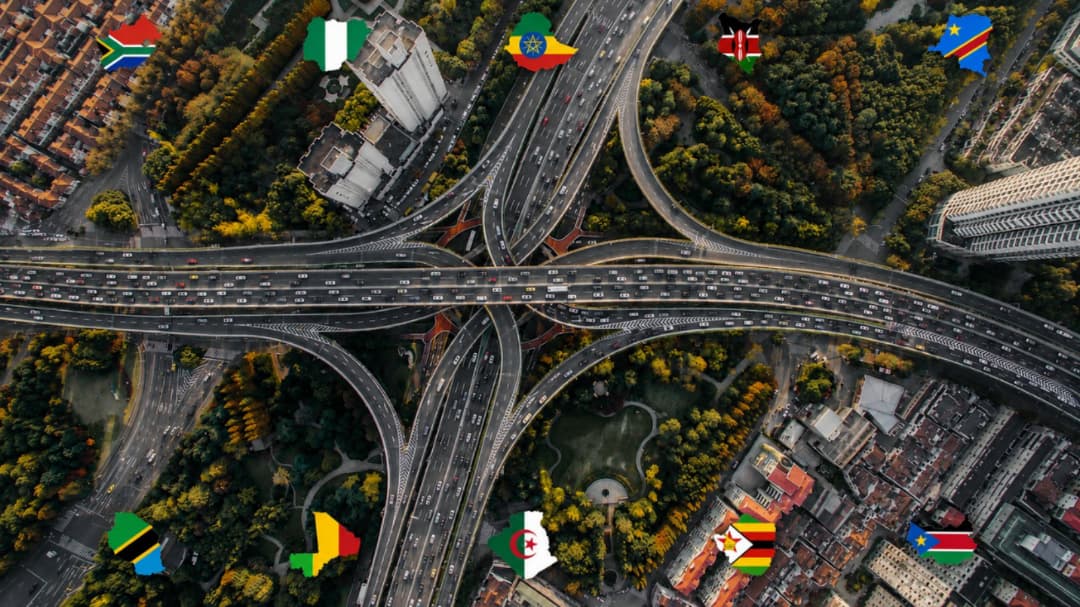
Roads are the routes that keep an economy moving. They connect farms to markets, businesses to customers and cities to communities.
In Africa, where much of the movement of people and goods happens by road, the size of these networks matters for trade, jobs and everyday life.
According to Global Firepower's 2026 Roadway Coverage data, South Africa has the continent's largest reported road network at 750,000 kilometres which is almost four times Nigeria's 195,000 kilometres. Ethiopia ranks third with 180,000 kilometres. But these figures measure roadway coverage, not road quality or the number of paved roads.
1. South Africa (750,000 km)
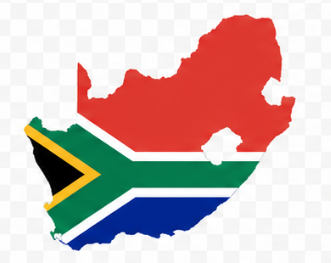
With approximately 750,000 kilometres of roadways, South Africa has almost four times the road network of second-placed Nigeria and globally, only 10 countries rank ahead of it.
The network links major cities, production areas, border crossings and ports across the country's industrial and agricultural economy. It works alongside rail and maritime infrastructure.
2. Nigeria (195,000 km)
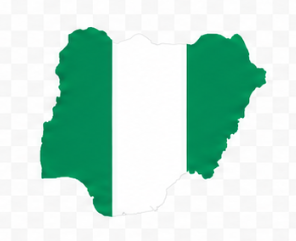
Nigeria has 195,000 kilometres of roadways, placing it second in Africa and 28th globally. The roads carry goods between farms, cities, industrial zones, ports and neighbouring markets, from the southern commercial centres to the agricultural regions of the north. The total does not tell us how well those roads are maintained or how much traffic they can handle.
3. Ethiopia (180,000 km)
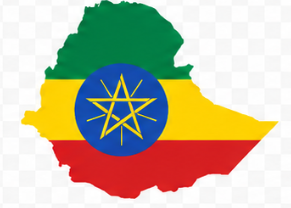
Ethiopia has 180,000 kilometres, ranking third in Africa and 30th worldwide. As a large landlocked economy, it relies heavily on overland transport to move people and goods and to reach regional trade corridors and ports.
4. Kenya (161,452 km)
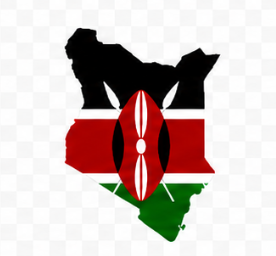
Kenya has 161,452 kilometres of roadways, ranking fourth in Africa and 32nd globally. Its network serves the domestic economy while also supporting its role as a commercial gateway for East Africa, with corridors linking Nairobi and other centres to Mombasa and neighbouring countries.
5. Democratic Republic of the Congo (152,373 km)
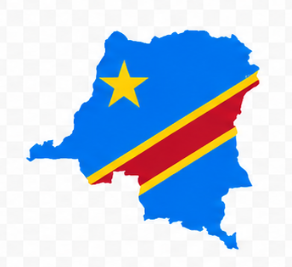
The Democratic Republic of the Congo ranks fifth with 152,373 kilometres of roadways. Large parts of the country still lack reliable road connections, particularly away from the main corridors. That is why a road project can be less about extending the network than making an existing route usable again.
6. Tanzania (145,203 km)
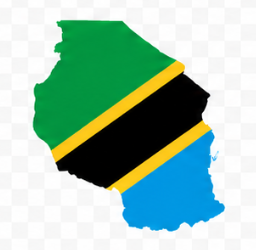
Tanzania has approximately 145,203 kilometres of roadways, ranking sixth in Africa and 36th globally. Its network links the Indian Ocean through Dar es Salaam with inland markets and landlocked economies in East and Central Africa.
7. Mali (139,107 km)
Mali has 139,107 kilometres of roadways, ranking seventh in Africa. The number looks very different once road conditions enter the picture. The World Bank has described Mali's national roads as poorly maintained and deteriorating, while a 2025 programme is targeting a 137.7-kilometre section of the Bamako-Dakar Northern Corridor for rehabilitation. For Mali, keeping key routes usable can matter more than adding kilometres.
8. Algeria (112,696 km)

Algeria has 112,696 kilometres of roadways, placing it eighth in Africa and 47th globally. Roads connect the densely populated north with interior regions and carry energy resources, agricultural products and manufactured goods. Its substantial railway network adds another way to move people and freight across the country.
9. Zimbabwe (97,267 km)
Zimbabwe has 97,267 kilometres of roadways, placing it ninth in Africa and 51st globally. As a landlocked country in southern Africa, its roads connect agricultural and mining areas with cities and neighbouring markets.
10. South Sudan (90,200 km)
South Sudan completes the top 10 with 90,200 kilometres of roadways, ranking 57th globally. For communities far from major centres, reliable roads can determine how easily people reach markets, clinics, schools and essential services.
A Long Road Network Does Not Mean Easy Access
The ranking gives us the size of the networks, but not how easy they are to use. The World Bank's rural-access measure looks at whether people live within two kilometres of an all-season road; across Africa, only about one in three rural residents meet that test. A long road network can still leave people far from a reliable route to a market or service.
The proposed 1,028-kilometre Abidjan-Lagos highway, linking Côte d'Ivoire, Ghana, Togo, Benin and Nigeria, moved into its investment phase in 2026.
Projects like this put the focus on roads that cross borders and link major markets, rather than on national totals alone.