UNGA 2026: 6 Things Africans Should Care About From the UN's Biggest Diplomatic Week
UNGA 2026 highlighted six issues that matter to Africa, from Security Council reform and UN leadership to aid cuts, Sudan, Congo and critical minerals.
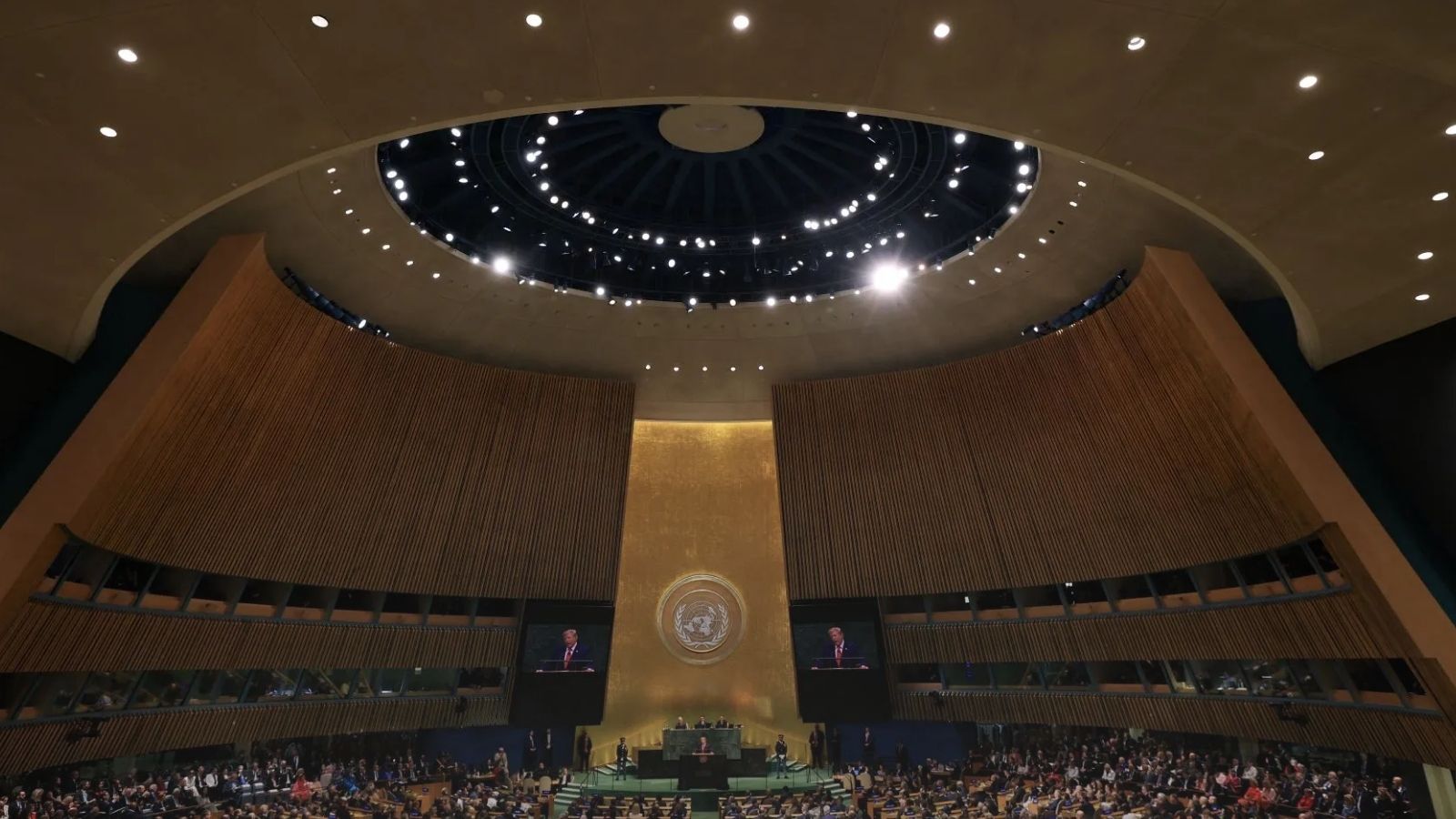
Every September, world leaders assemble in New York for the UN General Assembly, and every September, most of what gets decided there feels out of touch with the realities of the ordinary Africans in their respective cities.
However, the 81st session, which ran through the last week of September 2026, touched issues that will shape African economies, security, and global standing for years. Here are 6 takeaways you should care about.

Africa is still locked out of the UN Security Council
The loudest recurring demand from African diplomats at this year’s UNGA was the same one they have made for decades: give Africa a permanent seat at the Security Council.
The African Group, backed publicly by Secretary-General António Guterres, has pushed for at least two permanent seats with veto power and five non-permanent seats. They argued that a continent of more than a billion people cannot keep being shut out of decisions on war, peace, and sanctions that often play out on its own soil.
Guterres has called the council's current structure a relic of 1945, when most African states were still under colonial rule.
Reform talks resurfaced again this year, but as in previous sessions, no binding change was agreed.
For African countries dealing with conflict, sanctions, or peacekeeping mandates decided by a council they have no permanent voice on, this remains an unresolved and consequential fight.
Nigeria, South Africa, and Egypt are frequently named as potential seat holders, though the African Union has not settled on which countries would take them.
An African could finally lead the UN again
For the first time since Ghana's Kofi Annan left office in 2006, Africa has a chance at the UN's top job.
Former Senegalese president, Macky Sall, entered the race for Secretary-General with the backing of the African Union. He positioned his bid as the continent's collective push after nearly two decades without an African at the helm.
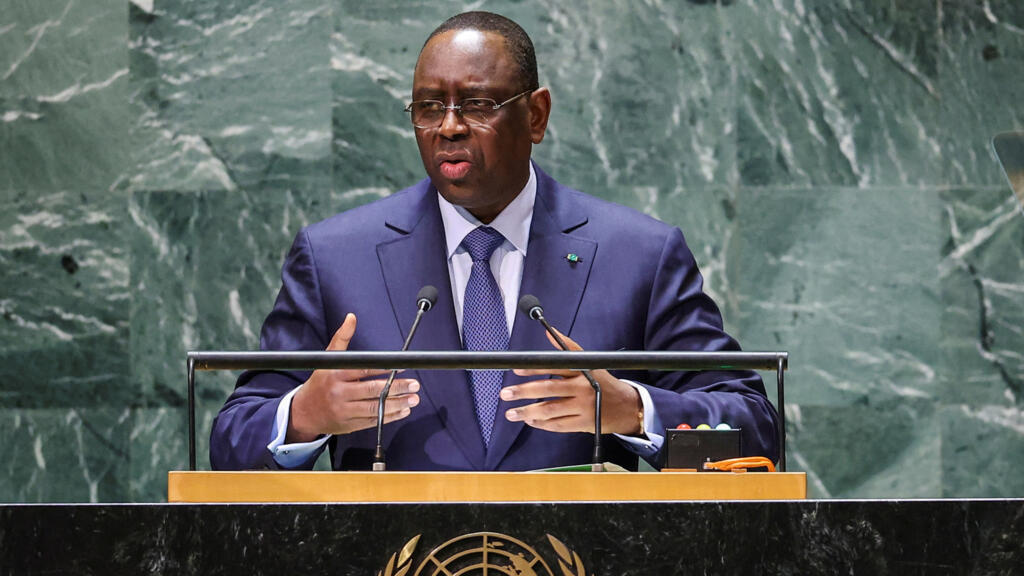
He is competing against several candidates, including Costa Rica's Rebeca Grynspan, who led recent Security Council straw polls.
The next Secretary-General takes office on January 1, 2027, once António Guterres's second term ends.
Whoever wins will shape how the UN handles African debt relief, peacekeeping funding, and climate finance for at least the next five years, so the outcome of this race is not a distant diplomatic footnote. It is a direct stake for the continent.
Foreign aid to Africa keeps shrinking
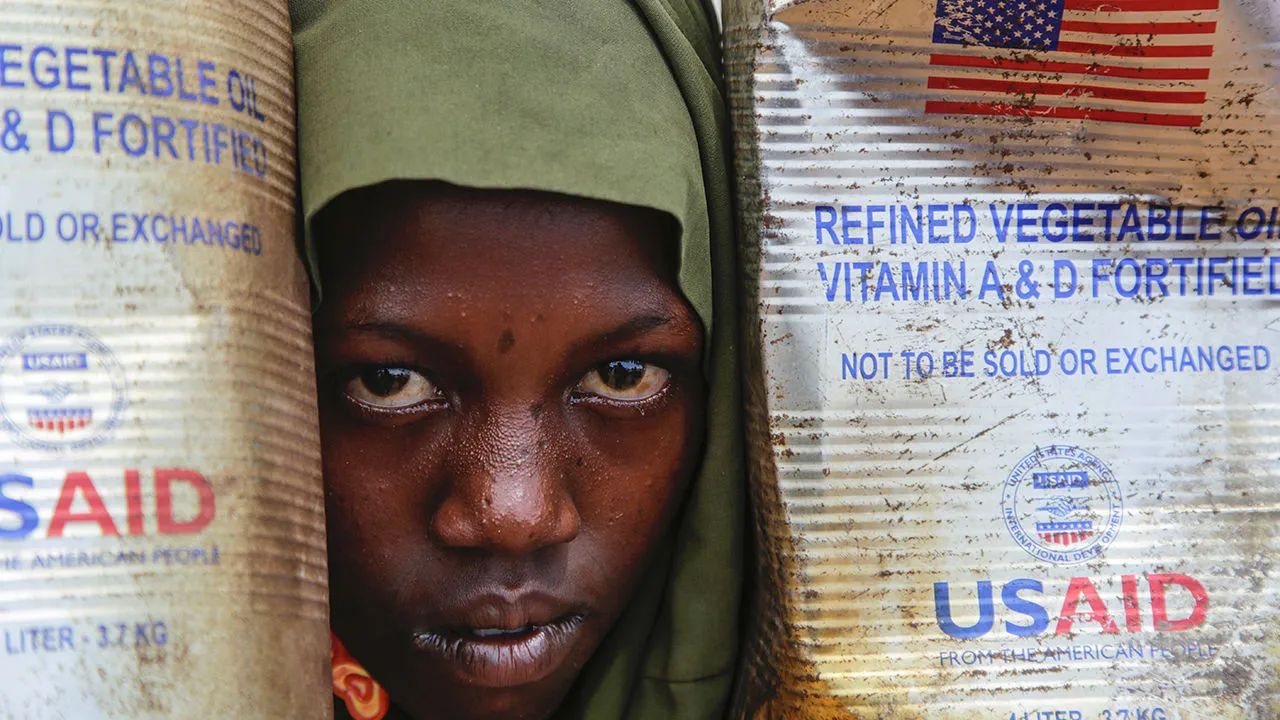
This is the takeaway with the most immediate effect on ordinary households. Bilateral aid from wealthy donor nations to sub-Saharan Africa fell by roughly 26 percent in 2025, and projections discussed around UNGA point to a further 11.6 percent decline in 2026.

That would mark a third straight year of decline and push aid to its lowest level since the early 2000s.
Much of the collapse traces back to the United States slashing USAID programs, with Germany, the UK, and France also cutting back.
Since aid has historically funded health clinics, school feeding programs, and humanitarian response in the region, the cuts are already forcing governments in countries like Malawi, Liberia, and Ethiopia to make painful exchanges, and there is no realistic replacement funding source on the table yet.
Multilateral institutions are not filling the gap either, since combined bilateral and multilateral support to the region is also projected to fall in 2026. This has left finance ministries across the continent searching for domestic revenue and alternative partners instead.
Sudan's war and hunger crisis are back on the agenda
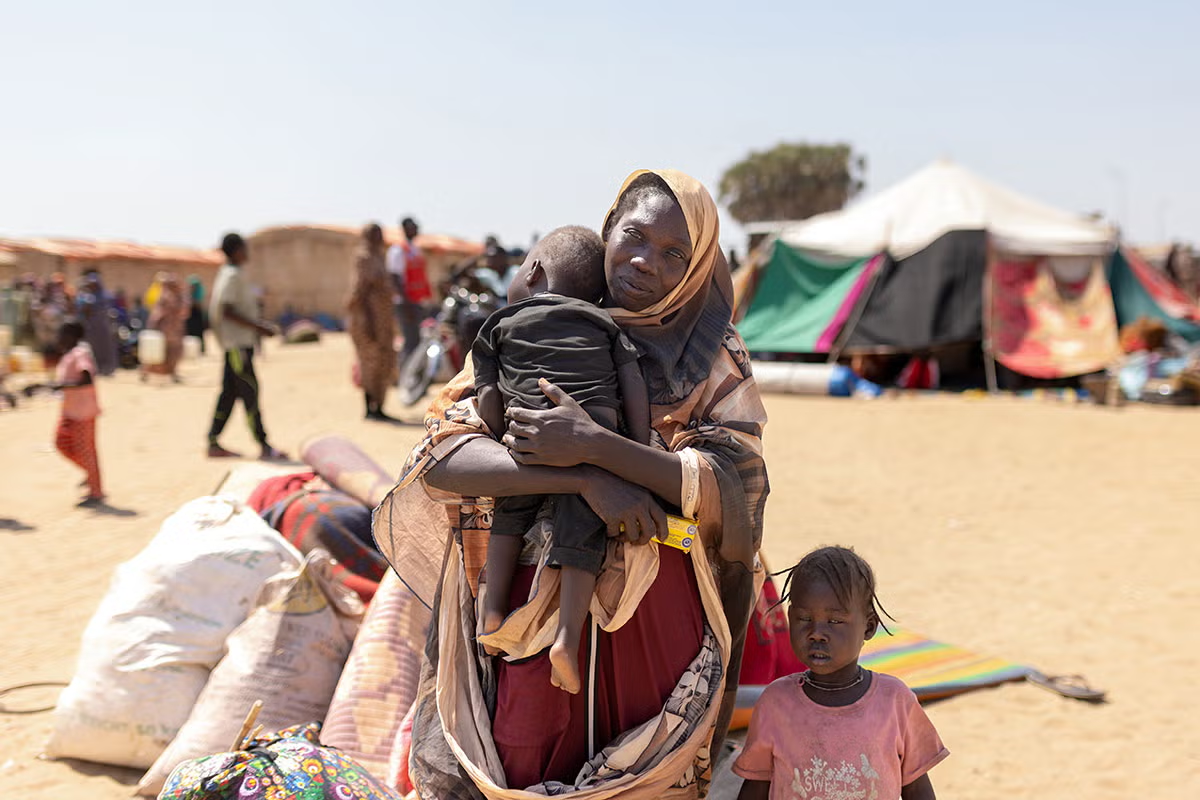
Sudan's civil war, which is now well over two years old, was raised repeatedly during the week as one of the world's worst humanitarian emergencies.
Roughly half the country's population faces crisis-level hunger, famine has been confirmed in parts of North Darfur, and more than 10 million people have been displaced since fighting broke out in April 2023.
Diplomats used the UNGA platform to call again for a ceasefire and unrestricted aid access, but with funding for the humanitarian response already stretched thin by the broader aid cuts, delegates admitted the gap between what is needed and what is being delivered keeps widening.
The DRC-Rwanda conflict remains fragile despite a peace deal
Eastern Congo's war, fueled by the Rwanda-backed M23 rebel group, produced a US-brokered peace agreement between Kinshasa and Kigali, plus a separate ceasefire declaration with M23 itself. Yet fighting and mistrust have persisted well after the signing ceremonies.
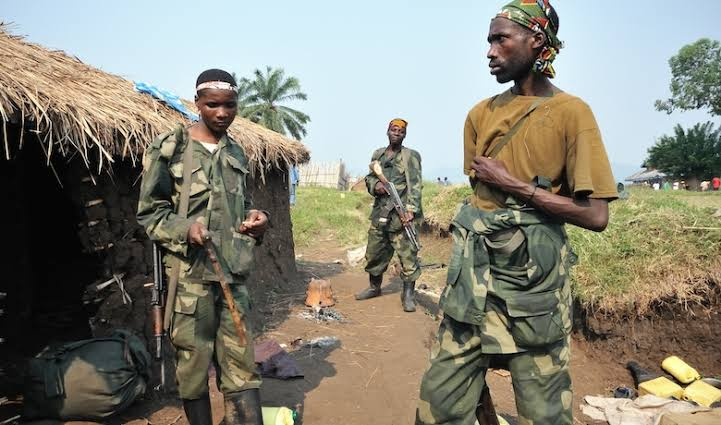
The UN Security Council extended its Congo peacekeeping mission, MONUSCO, to December 2026 partly because the peace process kept getting disrupted.
Millions of Congolese remain displaced, and the region's mineral wealth, including cobalt and coltan used in global electronics, keeps it strategically important to outside powers, which complicates any lasting resolution.
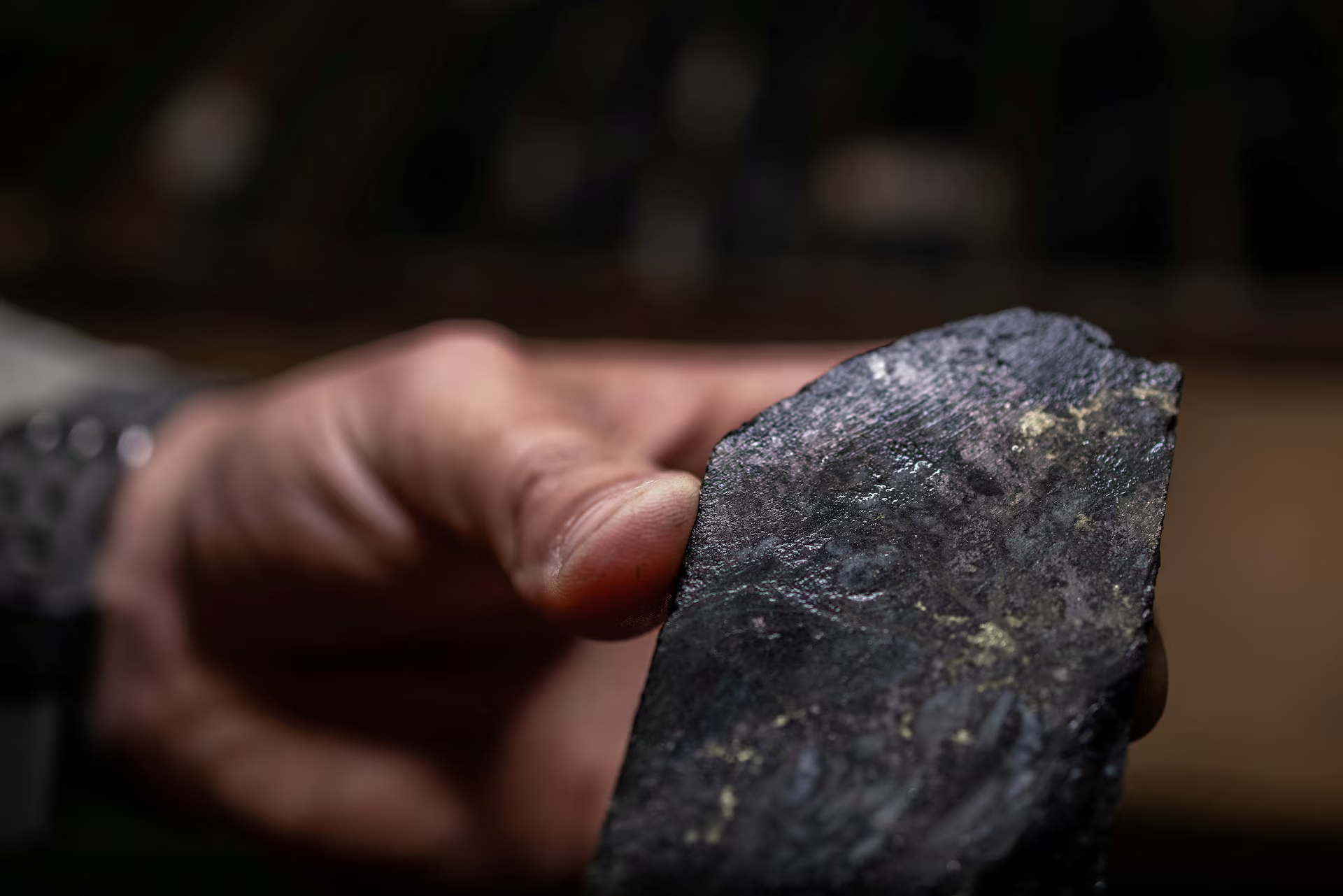
Africa's minerals are drawing global attention, on the continent's terms this time
Alongside the formal General Assembly sessions, side events including the Unstoppable Africa business forumand mineral-focused roundtables drew African heads of state, ministers, and investors to New York to push a whole different message.
Africa holds close to a third of the world's critical mineral reserves, and this time, the continent wants processing, jobs, and revenue to stay local rather than exporting raw ore for others to profit from.
With global demand for cobalt, copper, and lithium rising fast due to the energy transition, how these negotiations unfold will directly affect government revenue and employment across mineral-rich African economies in the coming years.
Conclusion
Those are the six takeaways from this year’s UNGA you should care about as an African. UNGA week rarely produces immediate answers, but it raises issues African governments are up against this year.
Whether the continent gains real leverage, through the Secretary-General race, mineral deals struck on its own terms, or Security Council reform, will say more about Africa's global standing than anything said from the podium.