Sudan Has Been at War for Three Years And the World Seemed To Have Moved On
Sudan’s civil war has entered its third year, displacing over 11 million people and causing thousands of deaths. As global attention shifts elsewhere, the humanitarian crisis continues to deepen with no clear end in sight.
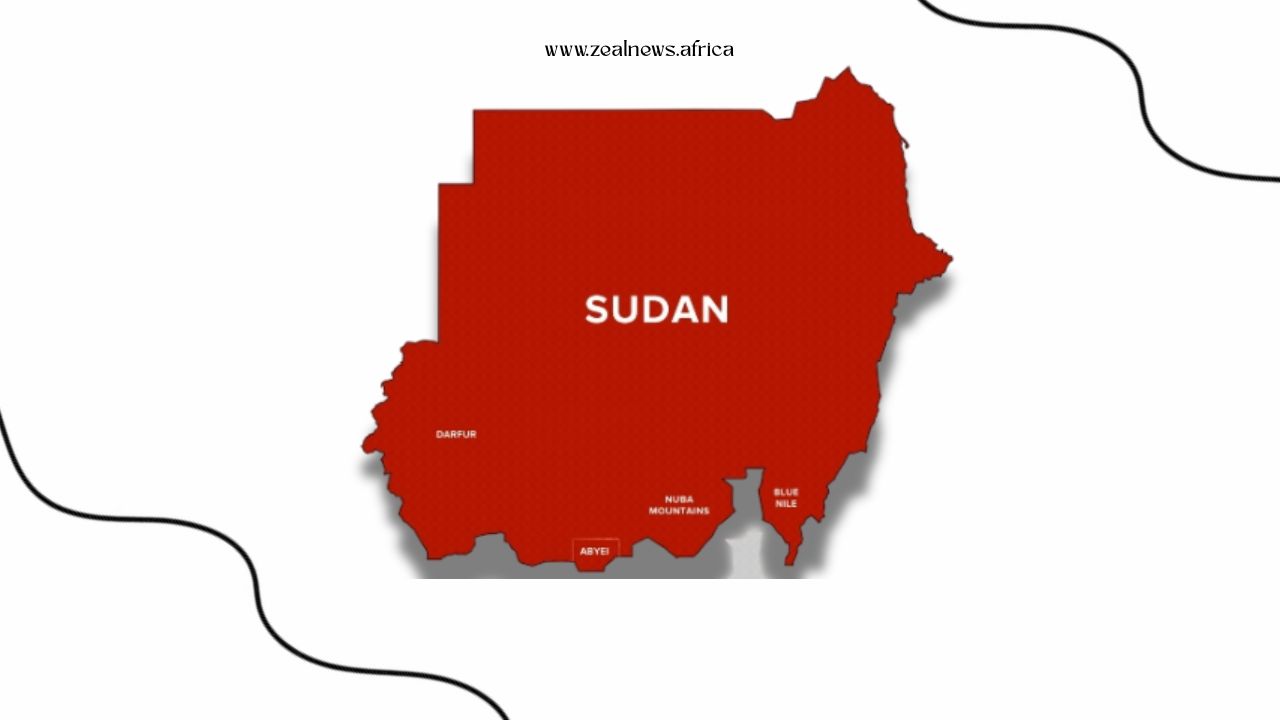
For three years, Sudan has been at war that has plunged many families into uncertainty and unavoidable crises. This isn't just a brief escalation, nor a sudden crisis that erupted from nowhere.
This is prolonged conflict that has steadily reshaped lives, families, and futures, while global conversations have moved elsewhere.
The Sudan war can be said to be one of the largest humanitarian crises unfolding today, yet it receives only a fraction of the attention given to other global conflicts.
Headlines often appear occasionally and various numbers usually surface about the whole happening but then they disappear again and are replaced by newer developments in other parts of the world.
But those numbers conceal something deeper, that we are ignoring or maybe becoming numb to.
When a report says that 200 people were killed, it sounds like a statistic and we often add it to the list of breaking news, but it shouldn't be so.
A report about 200 people are actual people like you and me. Those are parents, siblings, children, teachers, traders, and students.
A single death can dismantle an entire household. The loss of a breadwinner doesn’t just end a life; it reshapes the future of everyone who depended on that person.
The death of one individual has economic implications that are not fully talked about. It causes a child to be pulled out of school, a family is forced to relocate and a household pushed into poverty overnight.
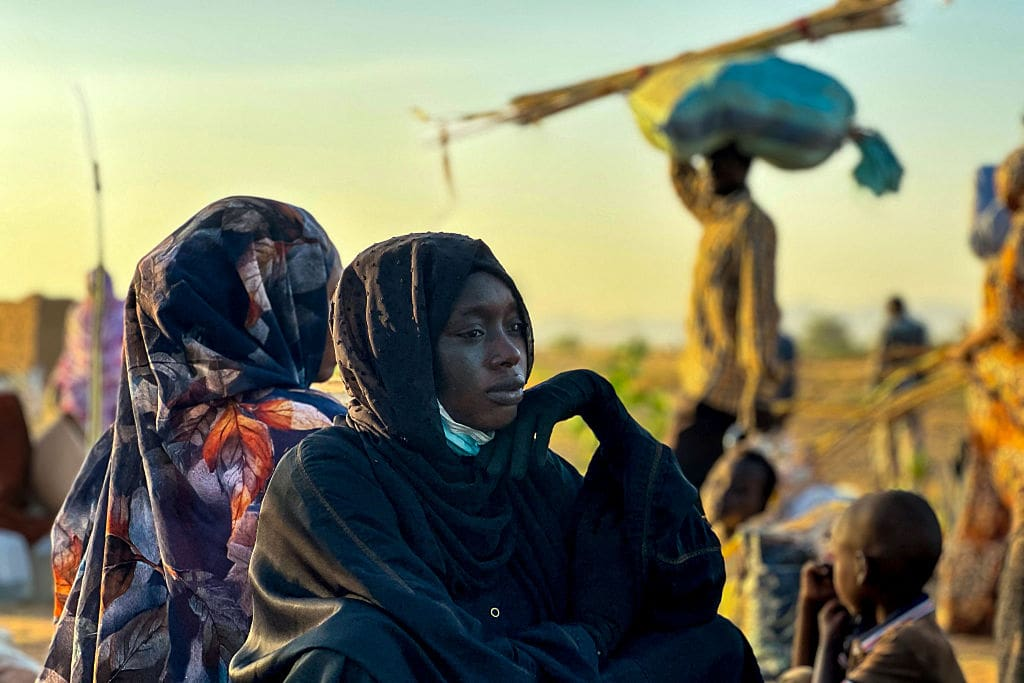
These real time consequences rarely make headlines and when they do, they don't get the attention it deserves.
Since April 2023, Sudan has been trapped in a brutal civil war between two factions of the country’s military government: the Sudanese Armed Forces (SAF) and the Rapid Support Forces (RSF).
The country is effectively split into two main zones of influence. The SAF (national army) controls much of the east, north, and central regions, including the capital, Khartoum, where it re-established authority in early 2025. The RSF remains entrenched in the western Darfur region and parts of Kordofan.
What began as a struggle for power between military leaders has now spilled into urban centers, residential neighborhoods, and rural communities.
The violence has actually spread faster than many expected. Cities once considered relatively stable have now become conflict zones.
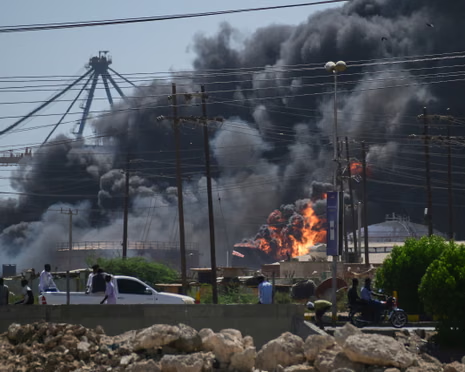
Fierce fighting has continued in the central Kordofan region and Blue Nile State. Air strikes and drone attacks have intensified, with nearly 700 civilians reported killed in drone strikes during the first three months of 2026 alone.
Infrastructure across the country has collapsed, hospitals have been shut down, many schools have stopped operating and markets are closed. Daily life, in many places, has simply paused.
And then, slowly, the world’s attention shifted.
A War Measured in Displacement, Not Just Death
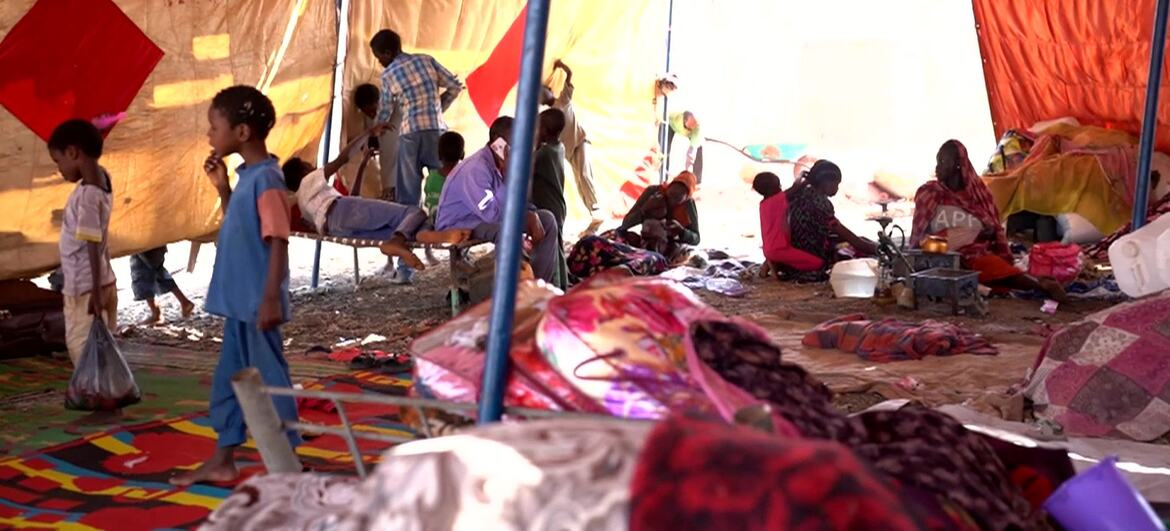
The Sudan conflict has produced one of the largest displacement crises in recent years. According to the United Nations High Commissioner for Refugees (UNHCR), Over 14 million people (roughly 25% of the population) have been forcibly displaced.
According to local reports, more than 6 million of individuals remain internally displaced within Sudan, moving from one uncertain location to another in search of safety.

Approximately 24 million people have faced or are currently facing acute food insecurity, and famine has been declared in some regions. With estimates of the death toll range significantly, with some reports suggesting over 150,000 fatalities since the war began on April 15, 2023.
These numbers are staggering, yet they still struggle to capture the lived reality.
Displacement means abandoning homes without knowing whether they still exist. It means leaving behind possessions, memories, and livelihoods.
It means uncertainty about food, water, healthcare, and education. For children, it often means the sudden end of dreams, replaced by survival.
Thousands of civilians have been killed since the conflict began. Millions have sought refuge in neighboring countries, placing pressure on already strained humanitarian systems.
Aid agencies have continued to warn about deteriorating conditions, while non-governmental organizations appeal for urgent assistance in these regions.
Still, the crisis rarely holds global attention for long.
Humanitarian aid pledges have been announced, yet funding gaps remain significant. Organizations on the ground report limited resources, logistical challenges, and growing needs.
As displacement grows, so does the urgency, but urgency alone does not always translate into sustained global focus.
This raises uncomfortable questions. Where is the aid often promised to Africans and in cases of crisis? Is Sudan receiving less attention because the geopolitical stakes appear limited? Or is this simply another example of how global attention cycles move quickly, leaving prolonged conflicts behind?
These are difficult questions, but they need to be answered and the young Sudanese child needs to gear the answers for themselves.
When Global Attention Moves On
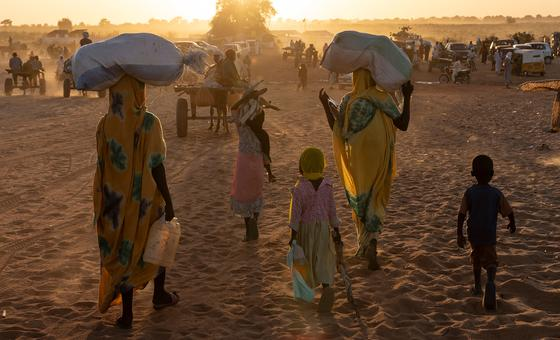
International attention often follows immediacy. New crises emerge and tensions escalate elsewhere. Diplomatic standoffs usually dominate the headlines.
Recently, global conversations have centered on tensions involving the United States, Israel, and Iran, alongside concerns about the Strait of Hormuz, oil supply, and nuclear risks.
These developments carry global implications. Yet while those discussions unfold, Sudan continues to experience daily violence, displacement, and instability.
This contrast creates a quiet discomfort. Strategic concerns dominate global conversations, while humanitarian suffering fades into the background. It is not necessarily intentional neglect. It may simply reflect how quickly the world’s focus shifts. And while focus shifts the consequences remain real.
Aid agencies continue to sound alarms. Relief organizations warn of worsening food insecurity. Healthcare systems remain under strain. Children grow up amid uncertainty, displacement, and interrupted education. These long-term effects may shape Sudan’s future for decades.
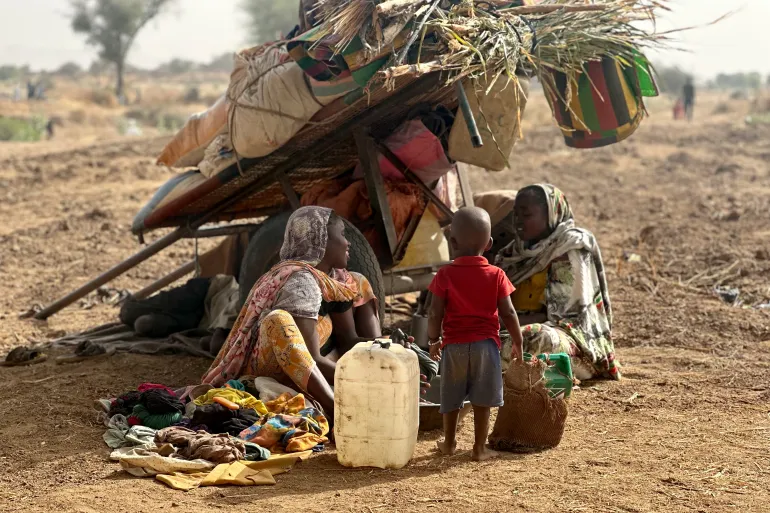
The young Sudanese child, displaced and uncertain, may carry the deepest impact of this conflict. Education disrupted, stability lost and opportunities narrowed.
These outcomes rarely appear in daily updates, yet they represent the long shadow of prolonged conflict.
This situation also raises broader reflections about global peace. Is peace something pursued consistently, or something highlighted selectively? Are humanitarian crises competing for attention in a crowded global landscape?
There may not be clear answers.
Sudan’s war continues without a definitive resolution in sight. Negotiations have stalled at various points. Ceasefires have struggled to hold. Civilians remain caught between armed factions, navigating uncertainty each day.
The world has not entirely forgotten Sudan. Aid groups still remain engaged and diplomatic efforts are still in place. But the level of sustained attention appears limited compared to the scale of the crisis.
And so the conflict continues, largely outside the global spotlight.
Three years on, Sudan still remains at war. Millions have remained displaced. Thousands of lives have already been lost. And somewhere within these numbers are families adjusting to loss, children growing up in uncertainty, and communities waiting for stability to return.
The war has not ended. The consequences are still unfolding and the quiet question remains: has the world simply moved on?