You Can Now Borrow Airtime Again, and Its Absence Reminded Nigerians How Much They Needed It
Airtime lending is back on MTN and Airtel after court orders restrained the FCCPC from enforcing its DEON Regulations. The return of services like XtraTime and Borrow Me Credit revealed the clash between telecom operators and regulators, the disruption caused by the suspension, and the debate over whether airtime advances should be treated as loans.
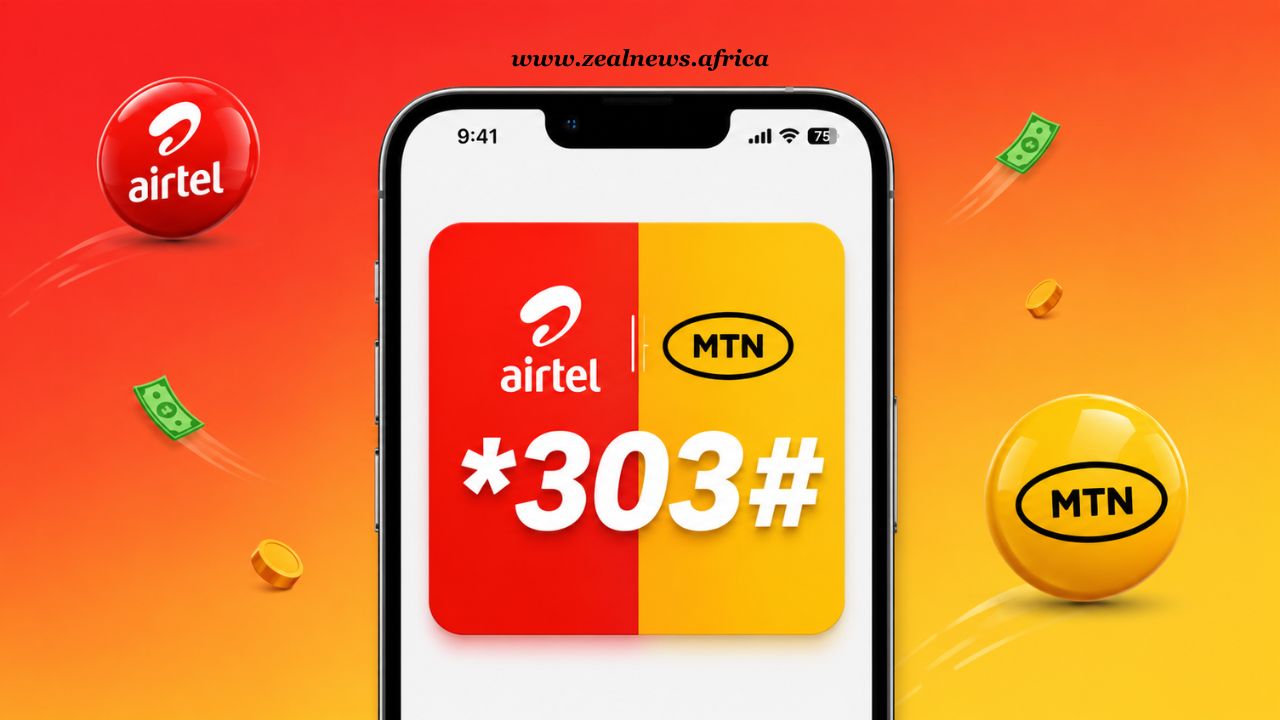
Amaka dialled *303# and the service was gone. A regulatory dispute had quietly cut off millions of subscribers from a mobile lifeline.
Amaka was already running late. She needed to make one call before leaving the house, a quick one, just to confirm she was on her way.
Her airtime balance was below what the call would cost and that wasn't a problem. She had done this a hundred times.
She dialled *303#, the familiar code she had used since secondary school, and waited for the usual menu to pop up. Service not available. That was the response she got.
She tried again, same response. She assumed it was a network glitch, pocketed her phone, and left, borrowing a neighbour's phone on the way out.
She did not find out until days later that it was not a glitch. The service had been pulled, and millions of Nigerians like her suddenly discovered how much of their daily communication was held together by ₦100 borrowed airtime.
What Airtime Lending Actually Is and Who It Is Really For
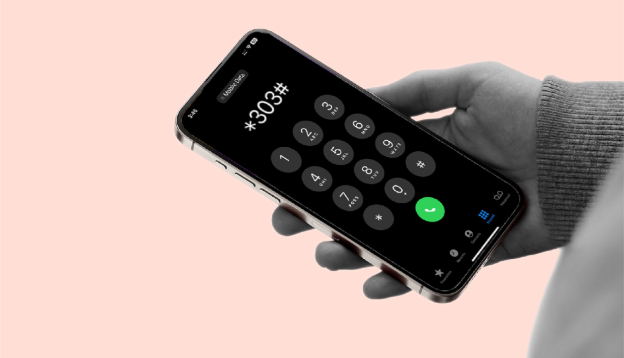
Borrow Me Credit, XtraTime, Owe Mi the names differ across networks but the idea is identical: a prepaid subscriber with insufficient airtime can borrow a small amount from their telecom operator, repaid automatically when they next recharge.
There is no bank account, no app download and there is no need for a credit check. Just a USSD code and an immediate yes or no.
It sounds minor but it is not. For millions of Nigerians on prepaid plans, which is to say, most Nigerians, airtime lending is informal microcredit at its most accessible.
It is the thing that keeps a call from dropping midway through something important. It is the text message that makes it through when a recharge card cannot be found at midnight.
It is a safety net that does not look like a safety net because it costs ₦50 and takes about five seconds. The market processes hundreds of billions of naira annually in these micro-transactions. When it disappeared in April 2026, the absence was felt immediately.
How a Consumer Protection Regulation Ended Up Cutting Off the People It Was Protecting

The Federal Competition and Consumer Protection Commission (FCCPC) introduced the Digital, Electronic, Online or Non-Traditional Consumer Lending Regulations, the DEON Regulations, in July 2025 and the intent around it was legitimate.
Nigeria's digital lending space had developed a serious predatory lending problem: loan apps harassing borrowers, publicly shaming defaulters, applying interest rates that were never clearly disclosed, and accessing phone contacts to pressure people who had borrowed as little as five thousand naira. The DEON framework was designed to bring that sector under regulated oversight.
The problem was scope because the FCCPC also extended the regulations to cover telecom-based airtime and data credit services, classifying them alongside loan apps under the same consumer lending framework.
MTN and Airtel with other mobile operators, facing potential sanctions for non-compliance, suspended their airtime advance products in April 2026. Millions of prepaid subscribers lost access overnight to a service they had never once experienced as a lending product. To them, it was just recharging.
The legal pushback came quickly, on April 15, 2026, the Federal High Court in Lagos granted an interim injunction restraining the FCCPC from enforcing the DEON Regulations against members of the Wireless Application Service Providers Association of Nigeria (WASPAN).
On April 24, a second court in Abuja ordered MTN and Airtel not to suspend Nairtime Nigeria's access to USSD channels, SMS, and short codes. By April 28, the Federal High Court in Lagos directed MTN and Airtel to immediately restore borrow credit and borrow data services.
The FCCPC, describing itself as law-abiding, suspended enforcement pending the court's determination. Airtel, Glo, and others quietly relisted the services on their platforms.
What This Whole Episode Actually Tells Us
The FCCPC was not wrong to go after predatory digital lenders. The loan app problem in Nigeria is real and documented, and the people most harmed by it are the same people most dependent on airtime lending, low-income, prepaid, unbanked or underbanked.

The regulatory failure was not intention, it was categorisation. Bundling a ₦200 airtime advance with a ₦50,000 loan app operating on deceptive terms is not just legally questionable, it misunderstands what each product is and who uses it.
Amaka does not think of borrowing airtime as taking a loan, nor does anyone else who dials those codes at 11 PM when a recharge card is nowhere nearby. The product sits in the same mental category as credit on a POS terminal or a neighbour lending you transport fare, a micro-convenience, not a financial commitment.
Regulating it under a framework designed for predatory lending stretched the law past the problem it was meant to solve.
The services are back now but the legal battle is not fully over, the FCCPC has indicated it intends to contest both court orders. The regulatory question of where airtime credit sits in Nigeria's lending framework remains unresolved.
What is clear, from the weeks Amaka and millions like her spent redialling a code that no longer worked, is that some services become invisible precisely because they work so reliably. You only notice them when they are gone.