What If Africa Went Back to Building With Clay?
Africa has built with clay for centuries. Could modern stabilized earth construction revive traditional architecture while making homes cooler, stronger and more sustainable?
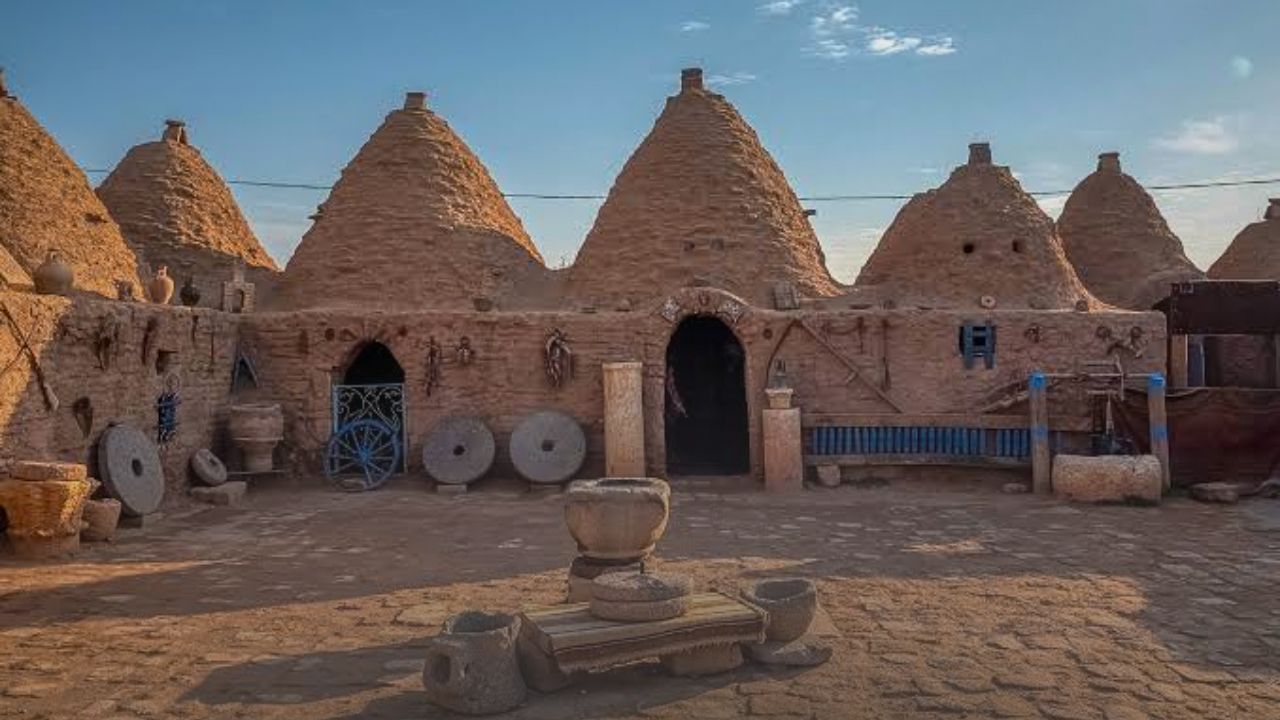
Some time back, a video made the rounds online showing a white content creator molding clay into blocks and announcing it as a groundbreaking discovery that could change the future of building.
He spoke about it with the excitement of someone unveiling something the world had never seen. Millions of Africans watched that video and felt the same quiet irritation.
Clay architecture is the original African blueprint, and for centuries it kept entire communities cool, dry and structurally sound long before concrete became the default answer to shelter.
History has already answered the question if clay works. Now, it is time to ask if modern Africa can rebuild its relationship with clay architecture in a way that fixes the one legitimate complaint against it: maintenance.
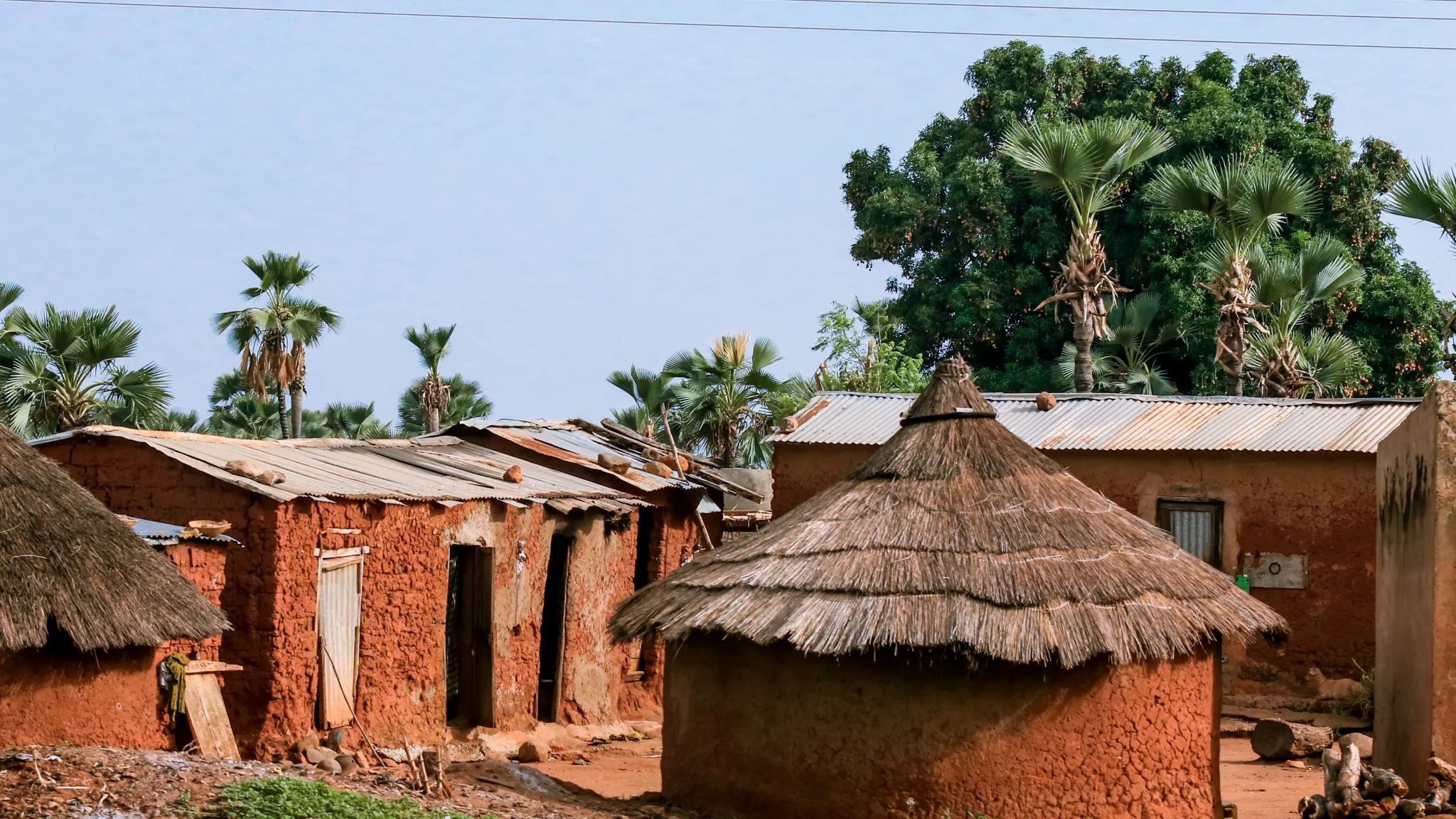
Why African Ancestors Built With Clay in the First Place
Traditional clay and mud construction was a climate-responsive choice. Clay walls are thick, dense, and slow to transfer heat. This means they keep interiors cool during hot afternoons and retain warmth once temperatures drop at night.
This thermal mass property is exactly what modern green architecture spends enormous budgets trying to replicate with technology.
Across the Sahel, the Hausa, Songhai, and Dogon peoples built with sun-dried earth because that is actually what worked in that terrain.
The Great Mosque of Djenné in Mali, still standing after centuries, remains one of the largest earthen structures on the planet. That building alone dismantles the myth that clay construction cannot be durable at scale.
The Real Problem Was Never the Material
What eroded confidence in clay housing across the continent was the lack of modern reinforcement techniques. Traditional mud homes required yearly replastering after heavy rains, and that constant patching created the impression that clay was fragile, outdated or beneath the standard of a developing nation.
Colonial-era building codes reinforced that impression by positioning cement and imported materials as symbols of progress, while earthen homes were labelled as backward.
That labelling did lasting damage as it pushed African cities toward concrete and corrugated iron, materials that trap heat, cost more to cool, and are heavily import-dependent.
Meanwhile, the very science that made clay unreliable in the past has since been solved elsewhere in the world through stabilization techniques that never made their way back home at scale.
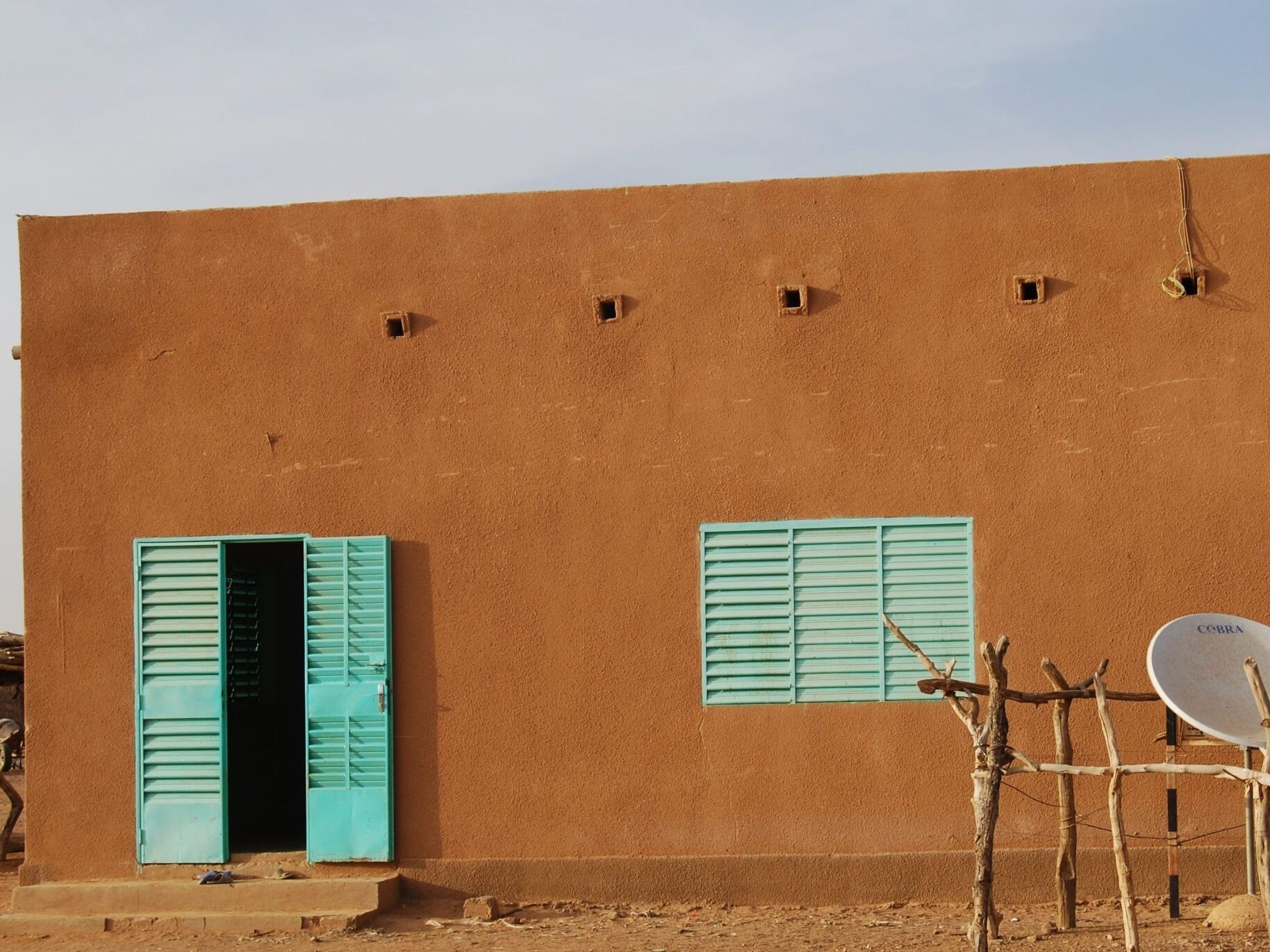
How Modern Clay Construction Fixes the Old Weaknesses
Contemporary earthen architecture addresses the durability problem directly. By mixing clay with small amounts of lime or cement and compressing it under high pressure, builders produce blocks that resist water erosion far better than traditional sun-dried bricks.
If you add a simple lime-based render or a wide roof overhang to protect walls from direct rainfall, and a clay structure can realistically last decades without the seasonal patching that defined earlier generations of mud homes.
Countries like Burkina Faso, Morocco, and parts of Kenya are already home to architects using stabilized earth to build schools, clinics and residential compounds that meet contemporary safety standards while cutting cooling costs dramatically.
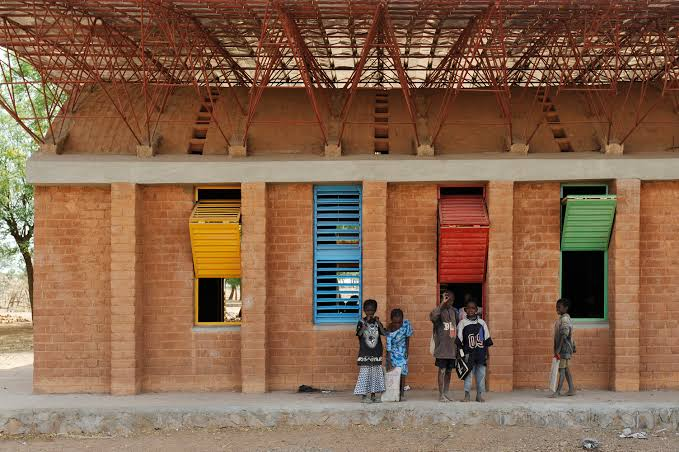
Francis Kéré, the Burkinabé architect who won the Pritzker Prize, built much of his internationally celebrated work around using local earth, modern engineering and climate logic that concrete simply cannot match in the region.
What It Would Take to Bring Clay Architecture Back
A real shift back to earthen housing at scale would need three things working together.
First, updated national building codes that formally recognize stabilized earth construction instead of treating it as informal or substandard.
Second, investment in local training so masons and builders learn compression and stabilization techniques rather than relying only on inherited, unreinforced methods.

Third, a cultural rebrand that positions clay housing as innovative and climate-smart rather than as a symbol of lack.
None of this requires imported technology or foreign validation. Africa does not need a viral video to confirm that clay works.
It needs willingness to modernize a system its ancestors already understood, before someone else repackages it, patents it, and sells it back to the continent as something new.