Front Row or Content Row? Nigerian Fashion Weeks Have Our Attention, but Do They Have Our Money?
Fashion weeks are becoming bigger cultural spectacles, but beyond the cameras and aesthetics, are designers still connecting runway creativity to real buyers and sales?
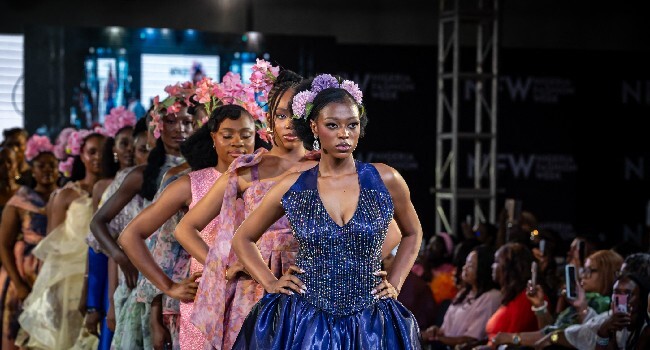
Fashion Week has always been about spectacle. Nobody goes to a runway expecting every model to walk out in something suitable for a Tuesday office meeting, and they shouldn’t. Theatrical, unconventional collections are part of fashion’s language.
My concern is somewhere else. A show begins. The lights come on. Phones rise into the air, and somebody in the front row is already recording before the first model appears. By the end of the night, the internet has enough content to feed several group chats, Instagram pages and “best dressed” debates.
Here is my position: Nigerian fashion weeks are brilliant at creating attention, but the buying that follows is much harder to see. Orders may well be happening quietly through DMs, private fittings and post-show requests. The trouble is that the public rarely sees it, and an industry can’t grow on what nobody can see.
The Runway Was Never Just a Wardrobe Catalogue
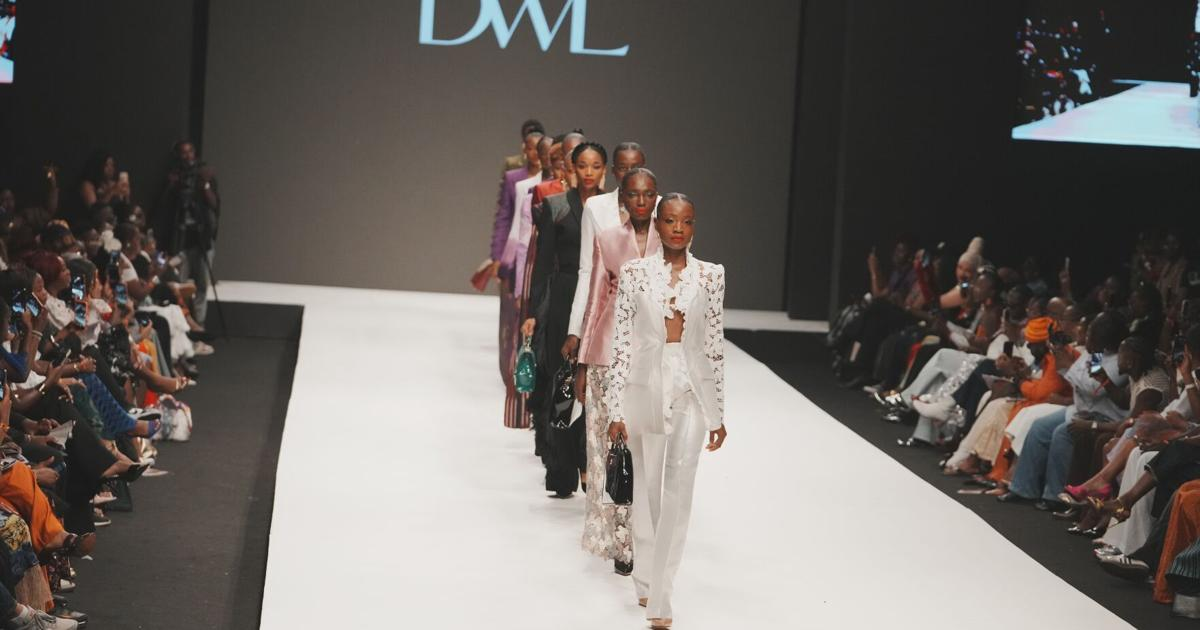
Fashion has never existed solely to produce practical clothing. A dramatic garment that would look out of place at a bus stop can still communicate an idea, influence future trends, or show extraordinary craftsmanship. Creativity is not the problem here.
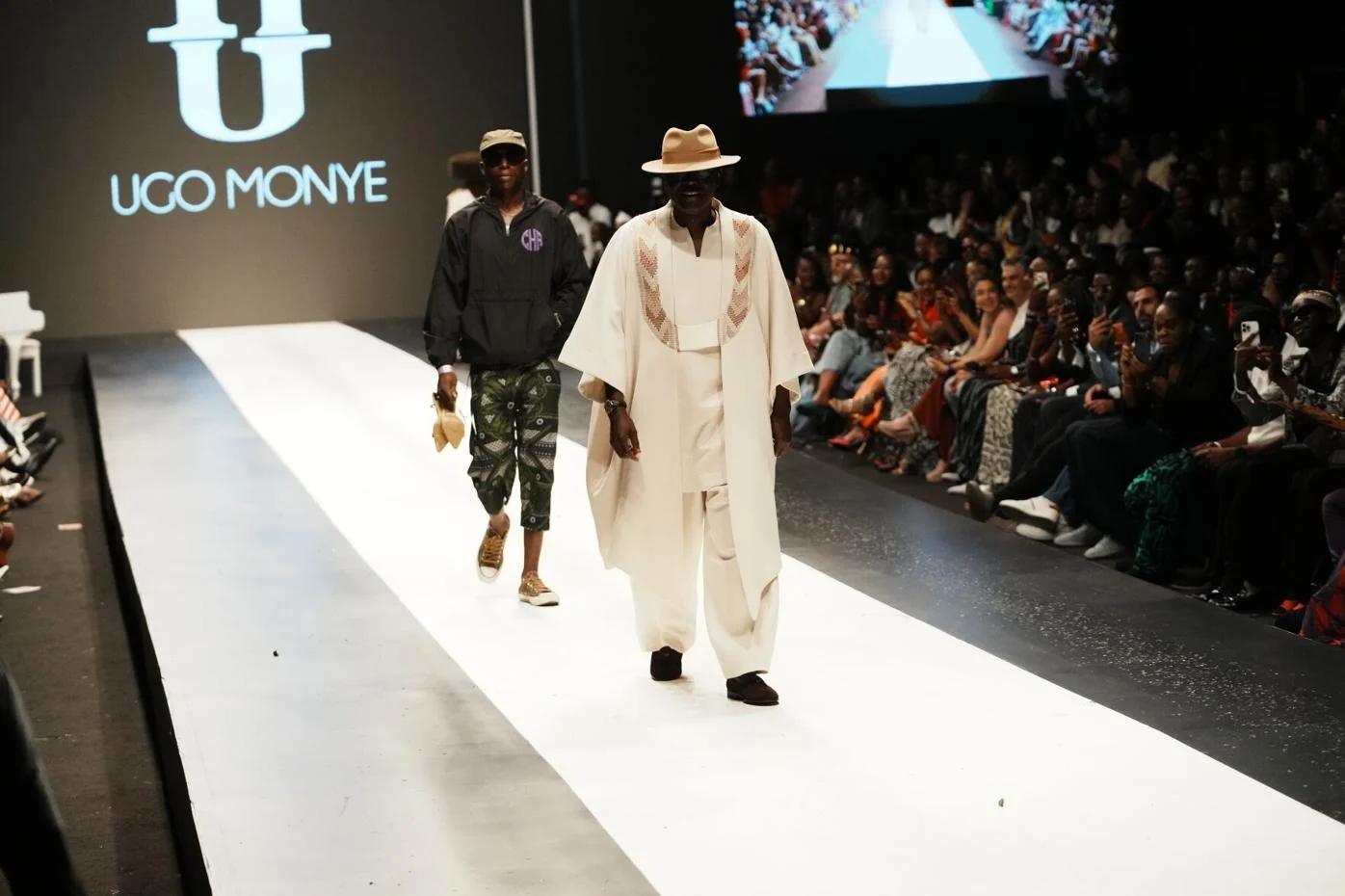
Nigeria's fashion platforms deserve enormous credit here. Lagos Fashion Week, which recently concluded its 2026 edition, continues to place Nigerian and African designers before international buyers, media and industry professionals. Its runway has become an important platform for showing the depth of African creativity to the world.
Platforms such as GTCO Fashion Weekend also approach fashion as both creativity and enterprise, combining runway presentations with retail experiences, conversations and opportunities for fashion businesses to reach customers.
And events such as Africa Fashion Week Nigeria contribute to the wider ecosystem by creating more stages for designers, brands and African fashion.
When the Audience Becomes the Main Event
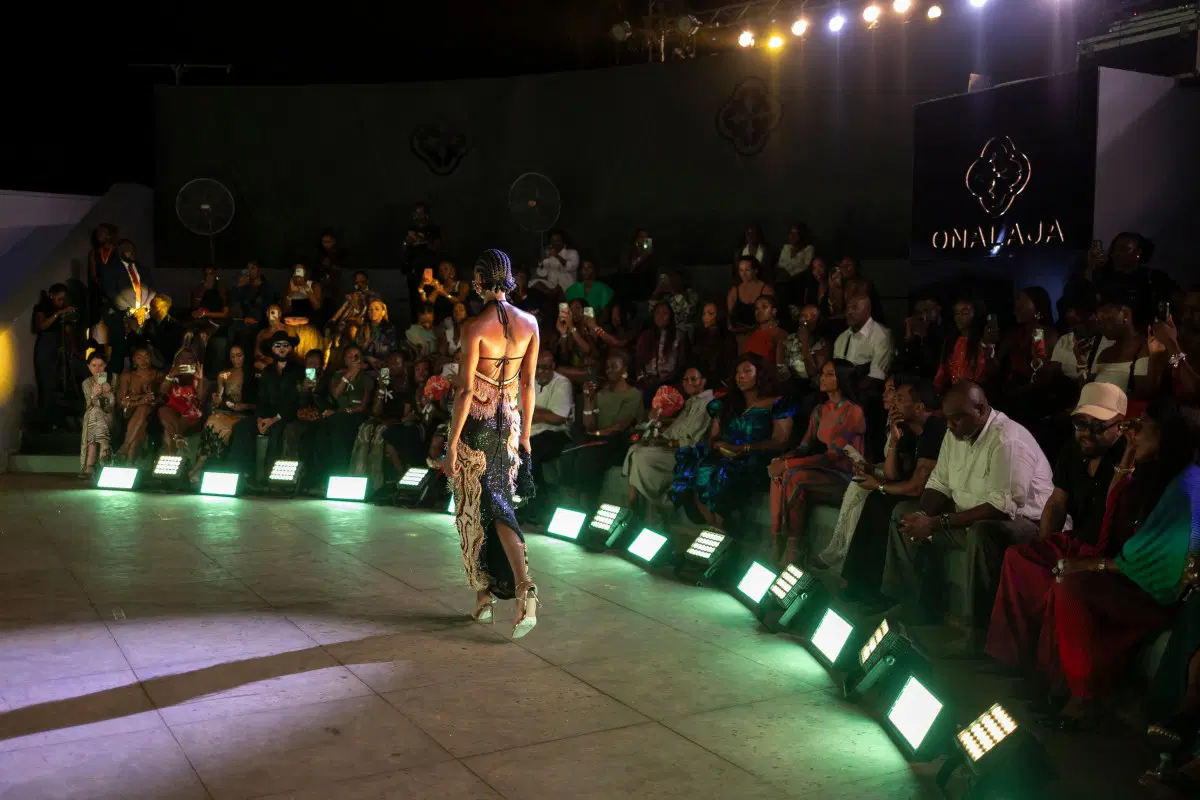
The audience, the content, and the aesthetics around a show can start competing with the clothes themselves. Concerns here are what happens when the audience, content, and aesthetics around the show begin to compete with the clothes themselves.
Fashion Week now has multiple productions happening simultaneously. There is the official runway, the street-style runway outside it, the influencer documenting the influencer documenting the influencer, and the front-row guest whose outfit may generate more attention than the collection.
Visibility does matter. Social media can introduce a Nigerian designer to someone who would never have attended a show in Lagos. But attention is not the same as orders.
A collection can trend for 24 hours, and the real test only begins after that: did buyers place orders, can customers find the clothes, and can the brand deliver them?
The barriers after the runway are real, and many Nigerian designers know them well. Production costs keep rising. Fabrics, trims, and other materials often depend on imports and price swings. Power and logistics add to the bill, and reaching customers beyond Lagos, or abroad, takes systems that many young brands are still building. A designer can leave a show with applause and still struggle to turn it into a steady stream of orders.
Those questions may not generate as many likes as a celebrity or model arriving in a dramatic outfit, but they matter to the designer whose business must survive after the cameras leave.
From Applause to Actual Business
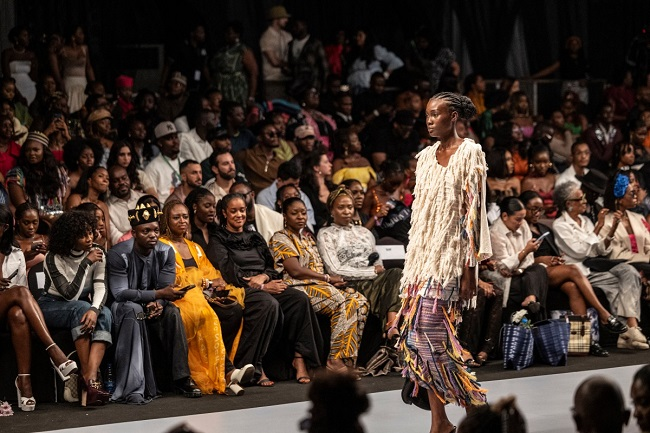
This is why I believe the strongest fashion weeks should not force us to choose between creativity and commerce. We need both.
Lagos Fashion Week 2026 brought designers, media and industry professionals together, and the conversation about wearable, commercially appealing collections alongside creative experimentation is a healthy one.
New African Magazine reported that global buyers, brand sponsors and cultural curators sat alongside fashion enthusiasts at the runway during the five-day event, and that stakeholders pushed for legal protection of traditional patterns and fair wages for the artisans behind the industry.
There was also a showroom programme at ALÁRA, designed to let buyers and press engage with collections away from the runway. Those are encouraging signs, and designers are under no obligation to publish what they sell.
Orders often happen quietly, through showroom appointments, private fittings and direct messages. The real question is what happens after the week ends, and whether the industry builds enough structure around that quiet buying for designers to grow from it.
Fashion deserves its lights, glamour and impossible-looking garments. But Nigerian designers also deserve buyers, orders and sustainable businesses.

I want to leave a fashion show amazed. I also want to know whether the person behind what amazed me can pay their workers, expand production, and still be designing next season. Some designers may well be selling out quietly. I would just like to hear it louder.
The cameras can stay. The front row can stay. The aesthetics can absolutely stay. But after the applause, somebody should still be buying the clothes.