Everybody Wants “Farm-to-Table Food,” but Have You Ever Wondered What It Takes to Grow It?
Farm-to-table Food sounds simple until you see the realities farmers face, from rising costs and pests to flooding and food waste. Who gets to produce the food we demand?
Many of us, myself included, grew up buying freshly harvested produce from neighbourhood markets and local food vendors. Our parents and grandparents knew what fresh produce looked like and would readily reject anything stale or unsuitable. Even when we bought from marketplaces rather than directly from farms, there was still a sense of connection to where our food came from.
Today, fresh produce remains available in our markets, but the growing popularity of processed foods, ready-made meals, and alternatives designed to last longer has gradually changed our relationship with fresh food.
There is something comforting about “farm-to-table food.” It suggests fresh vegetables and produce that came straight from somebody's farm with little in between.
Wonderful. Now, who is going to be the one to plant it and be in the business of farming?
The same people advocating for farm-to-table food are not always preparing to become farmers. Farming lacks the social appeal of technology, creative industries, corporate careers, or politics.
When most people hear “farming,” they picture dirty work, tilling soil in an open field, not realising that farming is much bigger than that.
Everybody wants to build an app or launch a personal brand. Ask who wants to manage a farm, negotiate input prices and worry about the weather, and suddenly the room becomes quiet. We all want natural food. Some of us just do not want to participate in producing it.
The Romance of Food Ends Where the Farm Begins
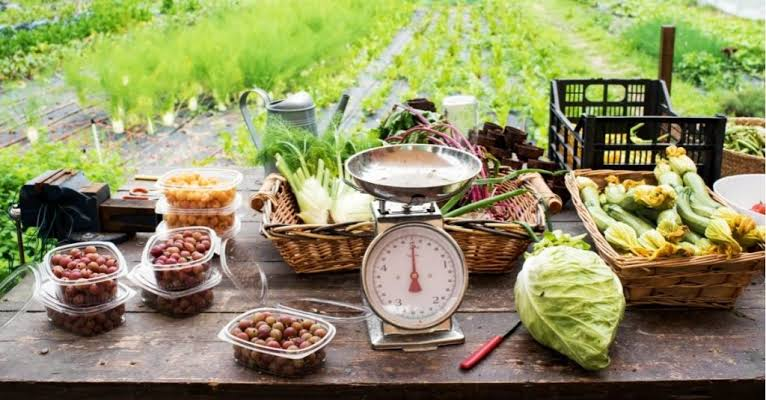
The appeal of farm-to-table is understandable. Consumers want fresh produce, transparency, and shorter supply chains. Questions about pesticides, soil health, biodiversity, and seed ownership are legitimate.
But farming is not a lifestyle aesthetic. It is an economic activity involving land, labour, seeds, fertiliser, irrigation, machinery, energy, finance, and risk. Farmers spend long before knowing what a harvest will earn. Flooding, drought, pests, disease, or insecurity can disrupt a season.
What One Season Really Costs
Consider what a single planting season demands. A farmer must pay for land preparation, seeds, fertiliser and labour before earning a kobo. In Nigeria, a bag of fertiliser now costs between ₦43,000 and ₦63,000 or more, depending on the type and market location, according to Agriculture Nigeria.
A farmer buying 10 bags at the upper end of that range pays ₦630,000 on fertiliser alone. Add seeds, labour, transport and storage, and the bill can easily climb past ₦1 million before a single crop is harvested. Then comes the gamble: if prices fall at harvest, that same crop may sell below the usual price.
The shopper at the market sees the price of tomatoes. The farmer carries the cost of every decision that came before them.
Then comes the harvest. Now farmers have to find somewhere to store it, a buyer willing to pay a fair price, and transport that gets it to market before it spoils. Crops can be lost not because they failed to grow, but because storage, handling and distribution systems are inadequate.
The Food and Agriculture Organization estimates that 13.2 per cent of food was lost globally between harvest and retail in 2023. Losses occur during handling, storage, transport and processing. Food disappears before it reaches the market.
When transport costs rise, roads are poor, cold storage is unavailable, or markets are disrupted, somebody pays. It may be the farmer earning less, the consumer paying more, or both.
So, Is Technology the Villain?
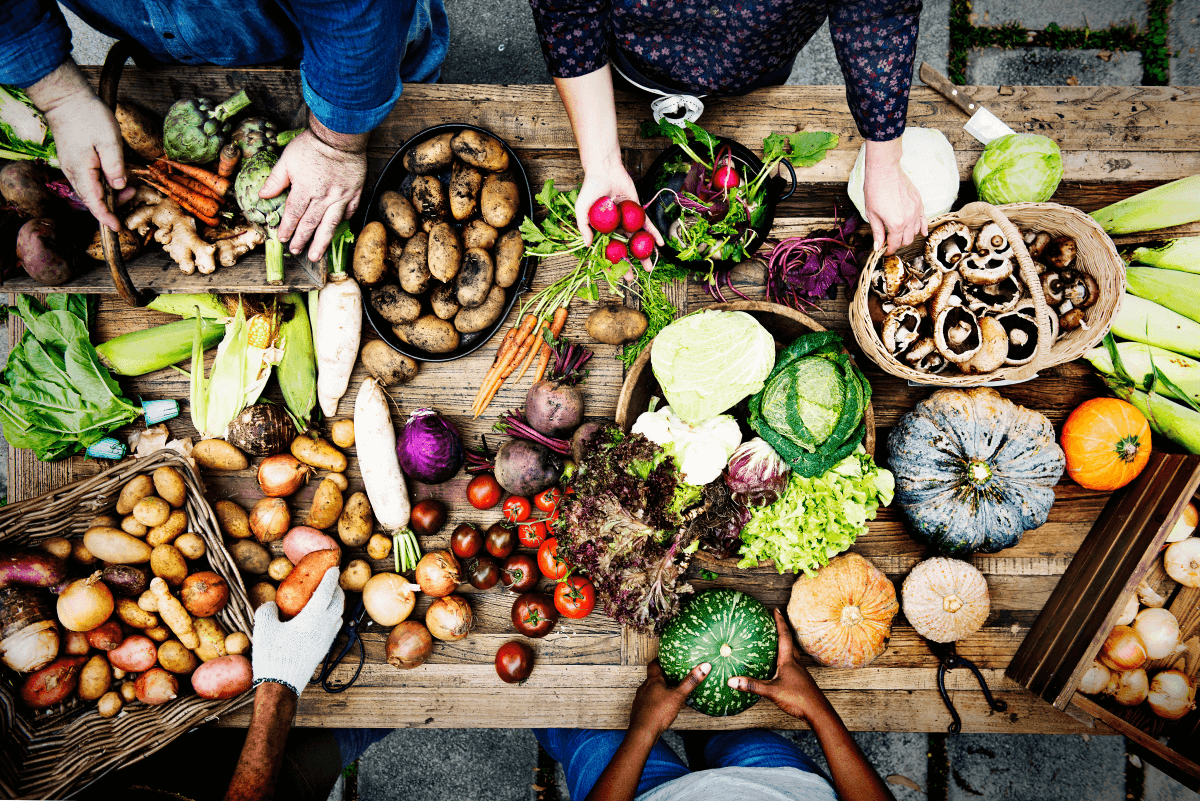
This is where genetically modified organisms (GMOs), GM foods, modified seeds, and cultivated meat enter the conversation.
Consumers worry about health effects, biodiversity, traditional crop varieties, and farmers’ control over seeds. These concerns deserve examination. But it is inaccurate to describe every genetically modified food as poisonous or to claim that approved GM foods have been proven to damage human organs.
The World Health Organization says GM foods should be assessed case by case, considering toxicity, allergenicity, nutritional changes, and environmental consequences.

It also says the GM foods currently on the international market have passed safety assessments and have not been shown to cause adverse health effects in the populations where they are approved.
That does not justify automatic approval of future products. Regulation, monitoring and labelling still matter.
Cultivated meat, meanwhile, is not simply another GMO food. It is produced by growing animal cells in controlled environments, and its questions are different: production cost, energy use, regulation and consumer acceptance. These technologies should be examined individually, not bundled into one frightening category.
Agricultural innovation is driven by real pressures: climate change, pests, limited land, labour constraints and growing demand. Rejecting technology simply because it is new solves none of them. Treating it as a magic solution ignores its risks.
Everybody Wants the Harvest. Who Will Make the System Work?
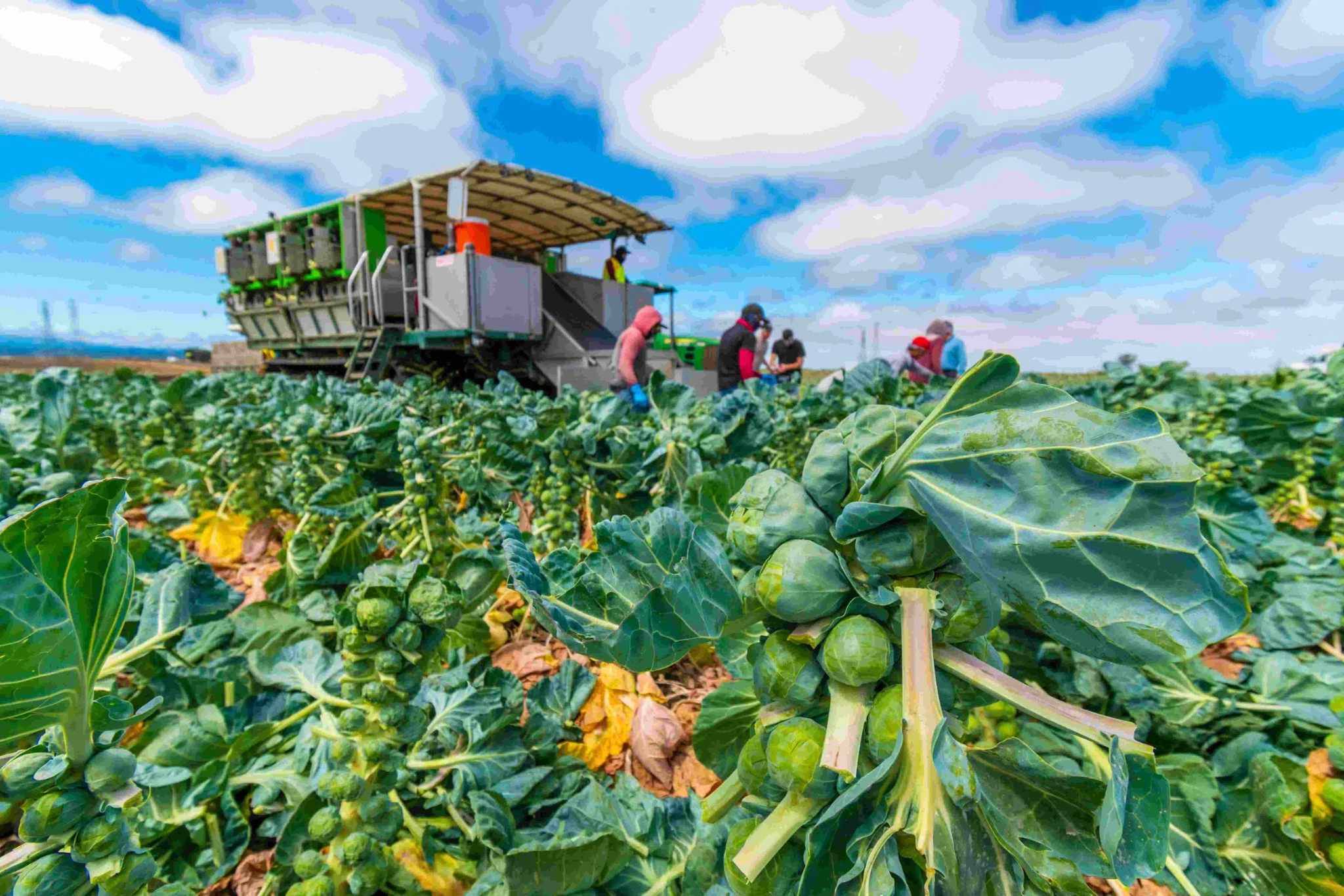
There is a contradiction in demanding affordable, fresh, sustainably produced food while treating the people and infrastructure behind it as an afterthought.
The UN’s 2024 Sustainable Development Goals report estimated that 1.05 billion tonnes of food were wasted at retail, food-service and household levels in 2022. This is separate from food lost earlier in the supply chain. Producing food is difficult, and delivering it without loss or waste is another challenge.
Farmers need finance, reliable inputs, storage, irrigation, roads, insurance, research and functioning markets. Governments and investors have roles to play. Consumers must also recognise that sustainably produced food cannot always be cheap when production and distribution are expensive.
We also need to encourage more people to take an interest in farming, and to preserve the farm-to-table culture we grew up with, passed down by our parents and grandparents. That requires genuine investment, attention, and innovation in agriculture, rather than simply demanding better food without considering what it takes to produce it.
This is not an argument for GMO foods, nor a defence of every agricultural practice. It is an argument for an honest conversation that considers food safety, consumer choice, farmers’ livelihoods and food security together.
The tomatoes will not organise their transportation, the maize will not pay for its fertiliser, and the farmer cannot harvest public enthusiasm.
Everybody wants the food. It is time we paid attention to what it costs to produce it.