Africans Are Being Lured IntoThe Battlefield With Fake Jobs. How Exactly Is This Happening?
The same internet helping Africans land global jobs is also being used to recruit them into foreign wars. How are recruiters turning online opportunities into dangerous traps?
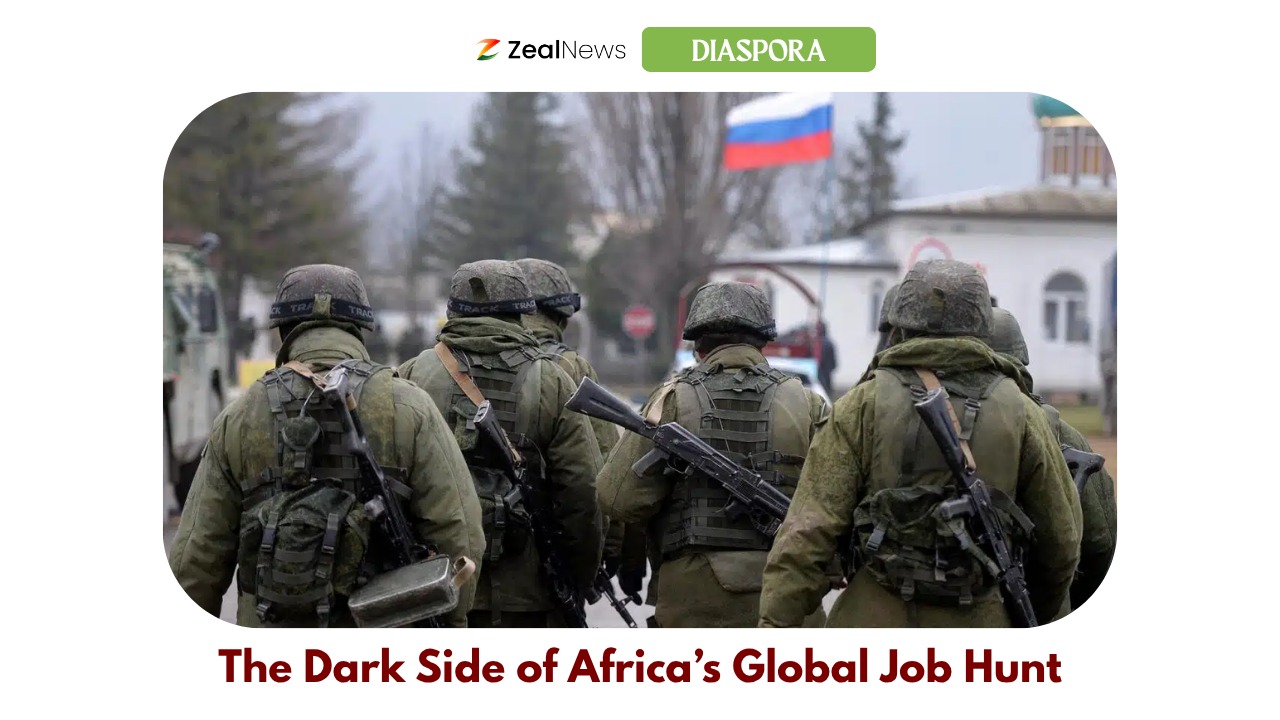
For years, the internet has been presented as Africa’s shortcut to the rest of the world.
A Nigerian can work for an American company without leaving Lagos. A Kenyan can find a European client from home. A South African can build an international career without ever meeting an employer face to face.
That access has transformed the African labour market. Jobs that once required relocation, international connections or expensive travel can now be found through a phone and an internet connection.
But the same infrastructure opening up international employment is also being used for something far more troubling. Young Africans are being approached online with job offers, overseas contracts, and promises of a better life that can eventually place some of them in foreign conflicts.
According to reporting by Techpoint Africa, Africans from countries including Nigeria, Kenya, South Africa and Zimbabwe have been caught up in recruitment networks connected to conflicts involving Russia, Ukraine, Israel and other parts of the Middle East.
For someone unemployed or underpaid for months, that can look less like a warning sign and more like the opportunity they have been waiting for.

How Does an Overseas Job Become a Route into a War?
Techpoint Africa, citing international reporting including The Washington Post, reported that some Africans travelled to Russia after receiving offers connected to employment or other opportunities.
Some offers come with the promise of residency, an attractive incentive for Africans seeking better opportunities abroad. Recruiters rarely identify themselves as military agents.
Instead, they may present themselves as employment recruiters, consultants or travel agents.
For some recruits, the reality reportedly becomes clear only after they arrive in the country. Their passports may be confiscated, and they may be handed contracts written in languages they do not understand.
Those who refuse to sign can face threats of deportation or imprisonment over alleged visa violations, leaving them with little ability to leave.
Some entered through legal routes, including student, work, or tourist visas, before discovering their employment was connected to the war in Ukraine.
In some cases, people reportedly did not understand the full implications of the contracts they signed.
That becomes a much bigger problem after someone has already left home. A person sitting in Lagos can reject a suspicious offer and move on.
Diaspora Connect
Stay Connected to Home
From Lagos to London, Accra to Atlanta - We Cover It All.
Someone who discovers the truth after arriving in another country may have limited money, no local support network and little understanding of the laws governing their situation.
Families have also reported losing contact with relatives who travelled after accepting overseas opportunities.
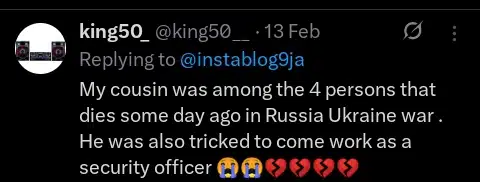
The financial incentive can make these offers difficult to resist. A job promising several thousand dollars, free accommodation or a chance to establish a life abroad can seem extraordinary to someone earning very little at home.
Why are African workers Vulnerable to These Offers?
The internet has made it possible for recruiters to reach potential workers directly. They no longer necessarily need offices, newspaper advertisements or established recruitment agencies. A social media account, an online community and a convincing message can be enough.
Techpoint Africa reported that recruitment networks have used social media and online communities to reach Africans with offers involving employment, travel and better living conditions abroad. Some campaigns reportedly use photographs and stories that present overseas life as particularly attractive.

In Kenya, the National Intelligence Service (NIS) identified over 600 recruitment agencies, many of which have no physical offices but maintain a massive presence on TikTok.
A recruiter can have a professional profile. A company can have a website. A supposed employer can send a contract containing official-looking logos and documents. The conversation can continue for weeks before anything appears obviously suspicious.
The Risk Does not Always involve Travelling Abroad
The global gig economy has created millions of remote jobs involving tasks such as data collection, content moderation, transcription and data labelling. Much of this work appears completely separate from military activity.
Techpoint Africa referenced a February 2026 investigation by The Bureau of Investigative Journalism which found that African workers performing data-labelling tasks through gig-economy platforms had unknowingly contributed to artificial intelligence systems connected to US military applications.
The workers were performing digital tasks rather than serving in the military, and they were not necessarily told that their work would contribute to defence-related systems.
A person can understand the task they have been paid to complete without knowing what the finished product will eventually be used for.
Remote work can make that chain difficult to see. A worker may complete an assignment for one platform, which passes the output to another company, which uses it as part of a much larger system.
Even Governments are Struggling to Keep up
Nigeria’s Ministry of Foreign Affairs has warned citizens against illegal recruitment into foreign armed conflicts and said Nigerians who participate in such conflicts do so at their own risk. Techpoint Africa reported that, as of February 2026, the ministry had identified at least 36 Nigerians in connection with the Russia-Ukraine conflict.
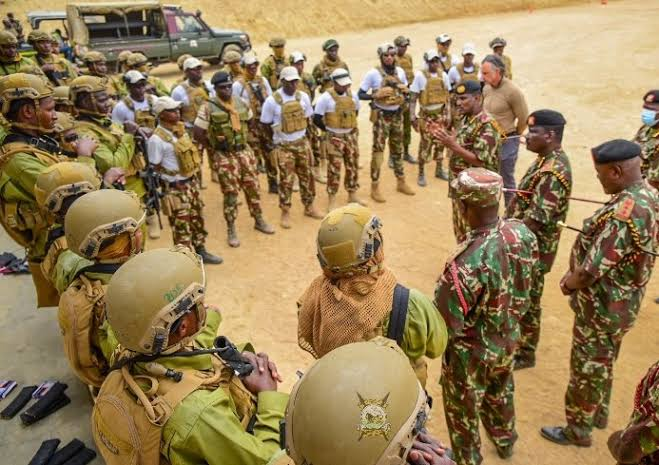
Kenya has also raised concerns about recruitment networks operating through social media, while South Africa has laws regulating citizens’ participation in foreign military activities.
The recruiter might be in Europe. The person being recruited could be in Nigeria. A travel intermediary might operate elsewhere, while the eventual destination could be thousands of kilometres away.
Diaspora Connect
Stay Connected to Home
From Lagos to London, Accra to Atlanta - We Cover It All.
Social media makes the problem harder because recruitment networks can disappear and reappear quickly. An account can be removed today and replaced with another tomorrow, targeting a different group of people.
What Should Workers Look For?
The answer is not to distrust every international job offer. Legitimate remote work and overseas employment have created real opportunities for African workers.
The more useful response is to investigate before accepting an offer. That distinction can have serious consequences for workers.
Workers should verify the employer independently rather than relying only on contact details provided by a recruiter. They should understand exactly what the job involves, read contracts carefully and establish who is responsible for travel, accommodation and immigration arrangements.
Relocation should also raise the level of scrutiny. A job that requires someone to travel to another country deserves more verification than an ordinary remote contract.
Workers should be especially cautious about offers that promise unusually high salaries, pressure them to make quick decisions or avoid clearly explaining the nature of the work.
The internet did not create unemployment, migration pressure or foreign wars. What it has done is bring workers, employers and recruiters into direct contact at a scale that was previously impossible.
Africa’s digital labour revolution will continue to create opportunities. The challenge now is making sure workers can recognise the difference between an international opportunity and a trap before they have already crossed a border.