From Hashtags to Headlines: The Youth Powering Global Digital Activism
When the EndSARS protests erupted in 2020, it wasn’t traditional media that sparked the flames—it was Twitter threads at 1 a.m., TikTok skits laced with sarcasm, and WhatsApp broadcasts filled with urgency and typos. It was young people—angry, awake, and online—tweeting from their beds, charging phones at local shops, sharing live updates, and grieving in comment sections.
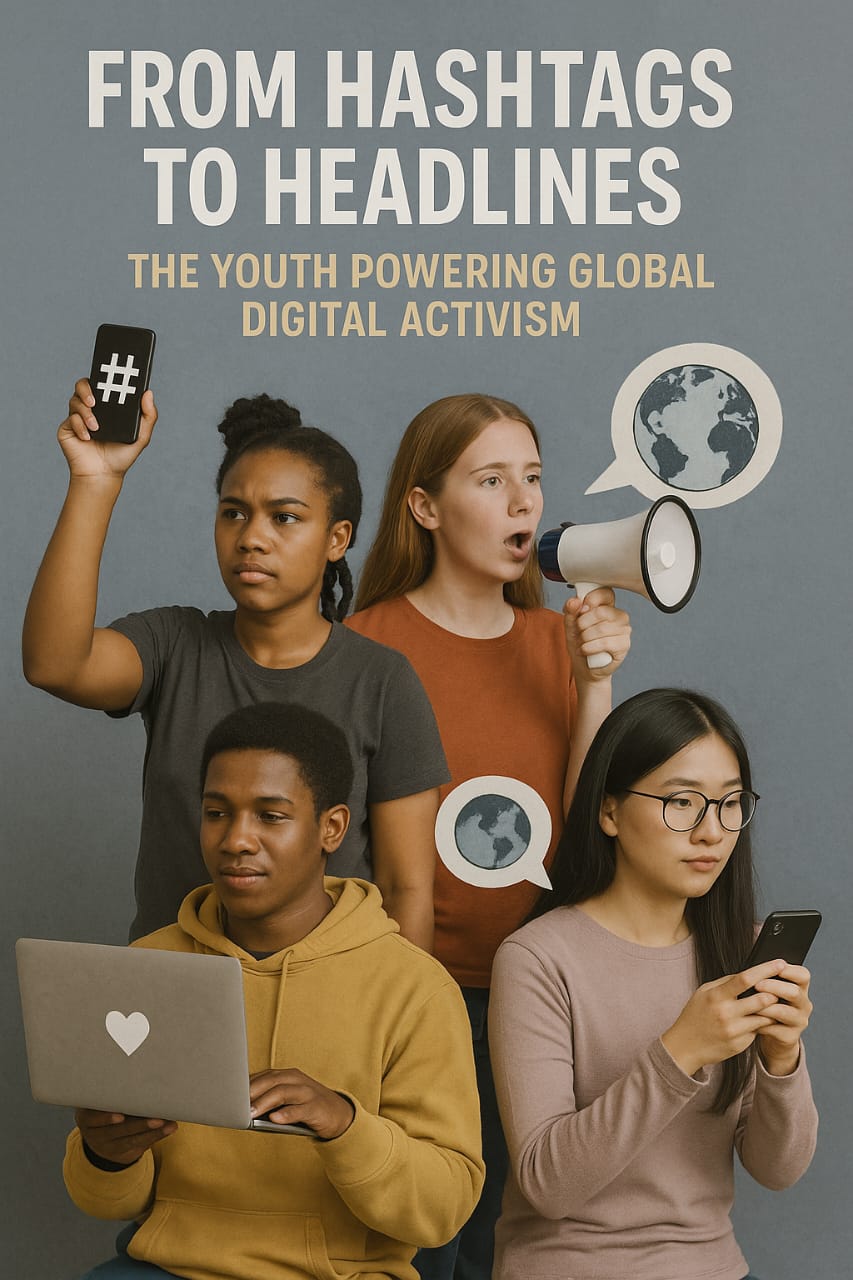
When the EndSARS protests erupted in 2020, it wasn’t traditional media that sparked the flames—it was Twitter threads at 1 a.m., TikTok skits laced with sarcasm, and WhatsApp broadcasts filled with urgency and typos. It was young people—angry, awake, and online—tweeting from their beds, charging phones at local shops, sharing live updates, and grieving in comment sections.
We didn’t need press conferences or political microphones. We had voices, data, and trauma. And for once, the world didn’t just hear us—they couldn’t unsee us.
Fast forward to 2025, and the fire still burns—just under different hashtags. From “EndSARS” to mental health advocacy, from calling out corrupt systems to fighting for gender equality, young people worldwide have evolved. Instagram is now a place to unpack trauma. TikTok is a place where humor meets serious issues. Threads and X (formerly Twitter) are platforms for policy critique. Even LinkedIn has transformed into a space where soft life meets sharp commentary.
We’re not just vibing anymore—we’re curating content with a conscience. Every carousel is a protest: every tweet, a clapback. Every post is a pulse check on global issues. And despite the odds, we remain hopeful, typing, pushing, and fighting back with nothing but 3 bars of network, and a deeply exhausted heart.
What is Digital Activism?
Digital activism, also called online or cyber activism, is essentially protest powered by Wi-Fi. It’s activism that lives in your notes app, breathes in your Instagram captions, dances in your TikTok drafts, and whispers in your WhatsApp DMs at 2 a.m.
It’s using social media, blogs, emails, memes, websites, and even voice notes to say, “This is wrong, and I won’t stay silent.”
Gone are the days when civic action required sunburns, placards, and hoping the media would cover your protest. With a 2.5GB data bundle and a screenshot, young people now spark national debates, fundraise for causes, amplify survivors’ voices, and hold institutions accountable—all from their phones.
This activism is intentional. It’s calculated. It’s the viral infographic that educates. The comment thread where perspectives shift. The tweet that makes someone pause. It’s the way young people—unemployed, underpaid, oversabi, and perpetually online—are shaping culture, policy, and public discourse. One post at a time.
The Power of the Post
Young people around the world are no longer waiting for a seat at the table. We’re building our own—with plywood and prayer, or with Canva and vibes.
On X, we’re questioning norms and demanding nuance.
On TikTok, we mix comedy with critique.
On Instagram, we post carousels that read like academic journals—but are prettier.
On Threads, we spill policy analysis before dawn.
And on LinkedIn, we're done with just “Open to Work” banners. Now, it’s strategy, satire, and subtle activism.
We’ve moved from viral hashtags to real-world impact. We raise funds for strangers. We expose exploitation. We document trauma. We no longer whisper—we go live. This generation isn’t just woke. We’re wired for change. We’re documenting. Healing. Educating. Mobilizing.
And this time, the world isn’t just watching. It’s listening.
Hashtags That Made History
These movements weren't just trends. They were lifelines and a few of them include:
#EndSARS – A call to end police brutality and disband the rogue police unit in Nigeria, sparking a global movement and digital uprising.
#BlackLivesMatter – A call for racial justice, originally sparked in the U.S., now a global movement addressing systemic racism and police brutality.
#MeToo – A movement against sexual harassment and assault, where survivors across the world shared their stories.
#ClimateStrike – Inspired by youth activist Greta Thunberg, this global movement fights for climate change action, uniting young voices worldwide.
#JusticeForGeorgeFloyd – A demand for justice following the killing of George Floyd, a pivotal moment in the fight against police violence in the U.S.
#BringBackOurGirls – A campaign demanding the release of over 200 Nigerian schoolgirls kidnapped by Boko Haram, gaining international attention.
More Than Just Virality

Digital activism is not just for aesthetics or algorithm tricks. It comes with responsibility.
Each post, each retweet, shapes public opinion. In a space where misinformation spreads fast, every digital activist is part journalist, part curator, part conscience.
One false tweet can mislead thousands. One truthful post can save a life. That’s the burden—and the power—of this movement.
The Dangers of Digital Activism
Digital activism is powerful, but it comes with very real risks. Every activist—especially the young and hyper-online—should be aware of what’s at stake.
Governments and institutions are monitoring. Tweets, posts, fundraiser links—none of it is invisible. During EndSARS, some protesters had their accounts frozen or were summoned for questioning. Digital footprints are receipts, and not everyone uses them ethically.
Another danger is that virality doesn’t mean verification. In the rush to care and share, false stories spread easily. One unverified claim can ruin reputations or derail a movement. Activism must be fueled by both passion and precision.
People often mistake showing up online as taking real action. Reposting isn’t the same as organizing. Awareness is a start, not a substitute for real action like donating, voting, or showing up. Show up physically for activities that demand you to.
Also your safety isn't guaranteed. Activism online can invite doxxing, harassment, and even physical threats. Women, LGBTQ+ individuals, and marginalized voices face these dangers more intensely. Visibility can be risky.
Bottom line: Digital activism is one of the most accessible and impactful tools we have—but it must be wielded wisely. Fact-check, protect your identity, take breaks, and remember that change doesn’t always trend.
Meet the “InfluActivists”
Say hello to the new hybrid: the InfluActivist.
Social Insight
Navigate the Rhythms of African Communities
Bold Conversations. Real Impact. True Narratives.
They’re creators with a conscience. Skit-makers who take breaks from humour to drop hard truths. Fashion influencers using aesthetics to preach feminism or environmental awareness. Medical content creators pushing public health awareness. From Aproko Doctor to global influencers like Greta Thunberg, these digital voices blend influence with impact.
This is influence, but with intention.
Real Talk: Is It Enough?
Can online activism replace street protests, policy changes, and legislation?
Maybe not entirely.
But what it can do is start conversations in places that used to be silent—homes, churches, classrooms, even government offices. It can build pressure where traditional media tiptoes. It connects grassroots struggles to global platforms.
Most importantly, it gives everyday people—students, vendors, freelancers—a megaphone they were never offered before.
And we’re not putting it down anytime soon.
We may not all call ourselves activists, but we’re all part of the movement. Whether you post, retweet, comment, educate, or just stay informed, you’re helping shape global digital history.
In a world where power often feels out of reach, your voice remains one of the most powerful tools you have.
So tweet it. Post it. Share it.
But most importantly, mean it.