From Bank Transfers to Tap-to-Pay: Is Nigeria’s Payment Culture Changing?
Google Pay has arrived in Nigeria, but can the country’s fintech industry and merchants make contactless payments widely accessible?
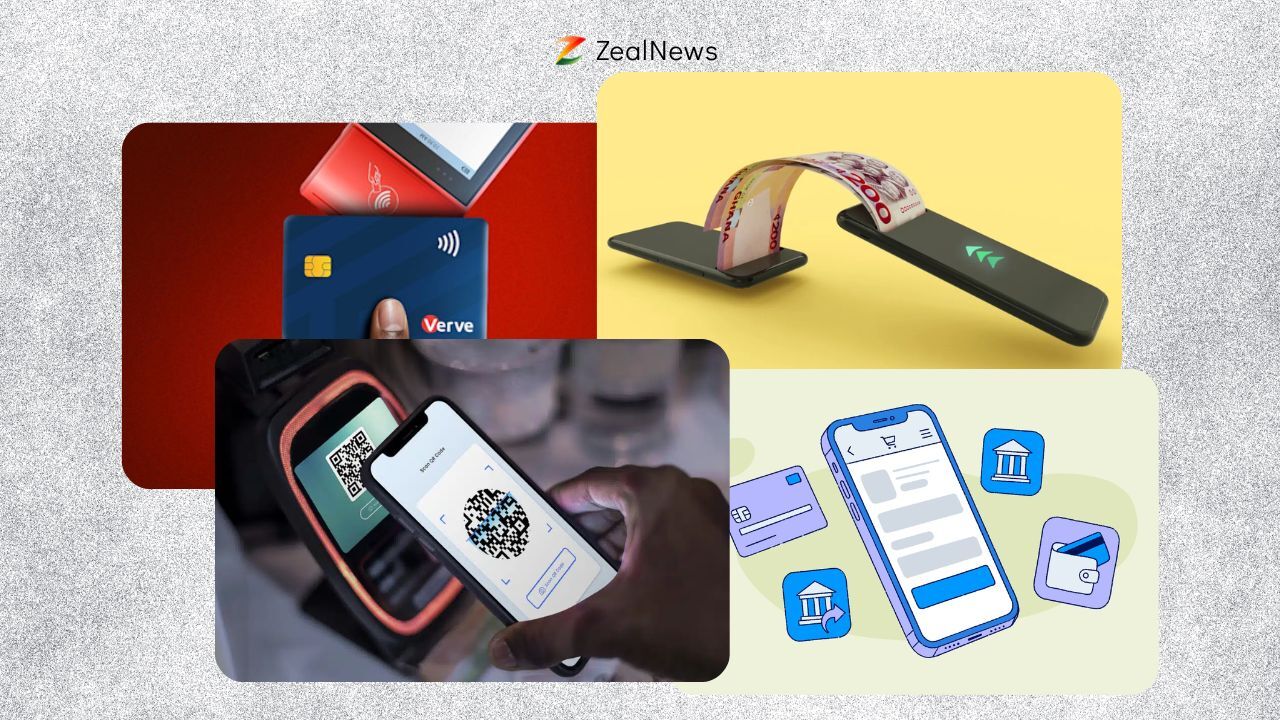
Nigeria’s relationship with money has changed considerably in little more than a decade. A country where cash once dominated everyday transactions now routinely uses bank transfers, USSD codes, mobile banking applications, QR codes, and point-of-sale (POS) terminals to pay for everything from groceries to transport.
The transition has not always been smooth. Failed transfers, network downtime, transaction limits, and delayed reversals remain familiar frustrations, yet Nigerians have continued to embrace new ways of moving money. Google Pay’s arrival in Nigeria on October 28, 2026, is another development in that ongoing shift, bringing phone-based contactless payments to eligible customers and raising a bigger question: is the country ready to move from entering account numbers and transferring money to simply tapping a phone?
Google Wallet, which houses users’ supported payment cards and other digital items, now allows eligible Android and Wear OS users in Nigeria to make payments through Google Pay. Customers can add supported bank cards and use their devices to pay at compatible contactless terminals, as well as at participating online and in-app checkouts.
The service uses tokenisation, which replaces sensitive card details with a digital credential during supported transactions, reducing the exposure of the actual card number.
However, not every Nigerian bank card is eligible, and customers need a compatible Android device with Near Field Communication (NFC) to make in-store contactless payments.
At launch, supported cards include selected Mastercard products from FirstBank, GTBank, UBA and Zenith Bank, alongside UBA’s eligible Visa prepaid card. The launch expands payment options, but it does not mean every Nigerian with a smartphone can immediately use the service everywhere.
Nigeria Has Never Been Slow to Adapt to Digital Payments
Consider how quickly bank transfers became part of everyday Nigerian life. The growth of mobile banking, instant transfers and fintech applications has made it normal for customers to pay merchants directly from their accounts, sometimes without handling cash or a physical card.
The expansion of POS services also brought electronic payments closer to neighbourhood shops, markets and small businesses that previously depended heavily on cash. Nigeria’s digital payment culture has therefore been developing through a combination of consumer demand, banking infrastructure, fintech innovation and necessity.
The cash shortages and currency redesign crisis of 2023, for example, exposed how dependent daily commerce had become on electronic payment channels, even as network failures and other limitations revealed weaknesses in the infrastructure.
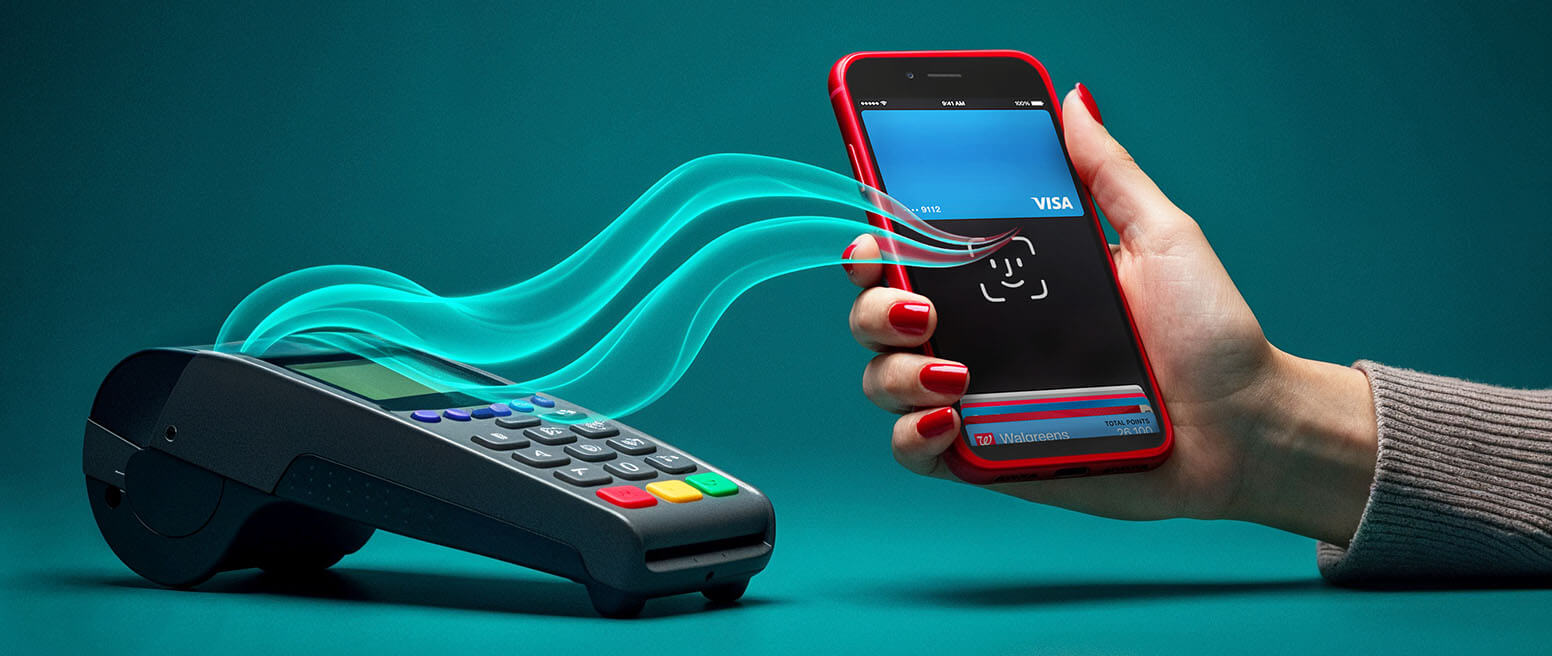
Google Pay enters this market with a different payment experience, not an entirely unfamiliar idea. Rather than opening a banking application, entering an account number, or presenting a physical card, an eligible customer can authenticate a payment and hold a compatible phone near a contactless terminal.
The potential benefits include quicker checkout, less dependence on physical cards, and an additional layer of protection for card information. For businesses, faster transactions could improve checkout experiences and reduce some of the friction associated with online purchases.
But convenience alone does not guarantee adoption. Nigerians will judge the service by whether it works reliably, whether their banks support their cards and, importantly, whether the places where they shop can accept it.
The Terminal Problem: Who Will Build the Contactless Network?
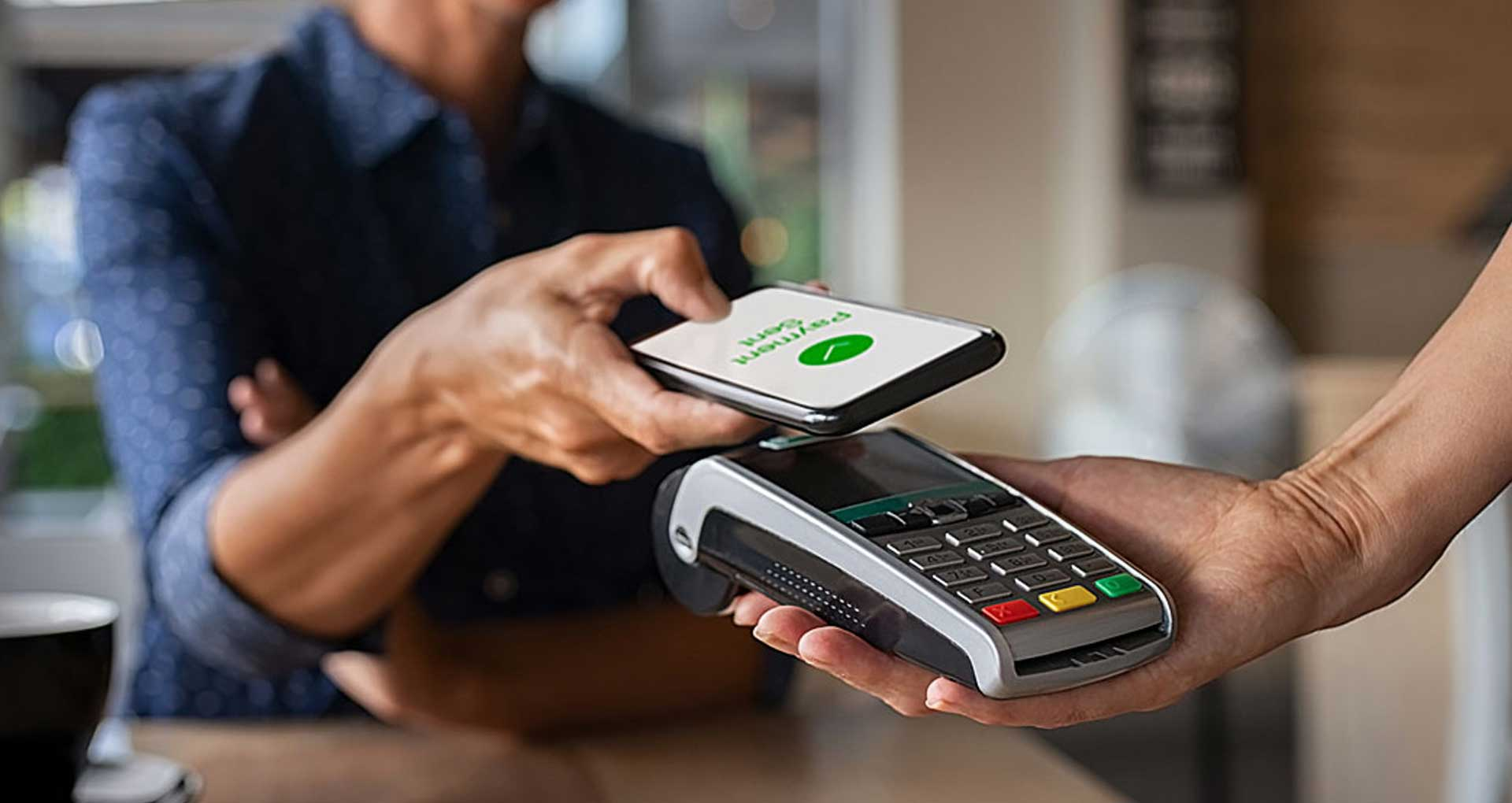
This is where the excitement meets a practical challenge. Contactless-enabled POS terminals are still relatively uncommon in Nigeria, particularly when compared with the widespread availability of conventional terminals used for card insertion and PIN-based transactions.
A customer may have Google Pay installed, an eligible card connected, and an NFC-enabled phone, but still be unable to tap to pay at a shop whose terminal does not support contactless transactions. Techpoint Africa reported that contactless payments account for only a tiny share of transactions in Nigeria, with the cost of upgrading equipment and limited consumer demand among the factors slowing adoption.
This creates an interesting opportunity for fintech companies and payment service providers. Moniepoint, OPay, PalmPay and other operators have helped expand POS access across the country, particularly among small merchants.
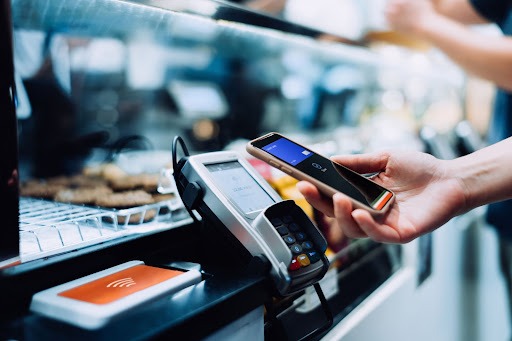
Will they now begin prioritising contactless-enabled terminals as customers become more aware of tap-to-pay services? Some movement already exists: PalmPay previously piloted tap-to-pay functionality on a portion of its terminals, while solutions such as Tap to Phone offer another route by turning compatible smartphones into payment acceptance devices.
Google Pay could strengthen the commercial case for expanding these options, but the scale of investment will depend on merchant demand, equipment costs, technical compatibility, and the number of customers ready to use them.
There are also questions around access. Not every consumer owns an NFC-enabled smartphone, and not every bank card is supported. Contactless payments must also operate within applicable security requirements and transaction limits.
These realities mean that bank transfers, USSD, physical cards and cash will remain important parts of Nigeria’s payment system for the foreseeable future. A new payment technology does not automatically make existing payment methods obsolete.

Google Pay’s arrival is significant, but its success will not be measured by downloads or launch announcements alone. It will depend on how many Nigerians can use it, how many merchants accept it, and whether payment providers are willing to invest in the infrastructure that makes tapping possible. Nigeria has shown that it can adapt quickly when a payment method solves a real problem.
Whether fintech companies respond by making contactless terminals more accessible is another development worth watching. For now, the digital payment revolution is still running; the next question is how far it can go.