Can Using Your Phone in the Kitchen Cause a Gas Explosion? Here's What Science Says
Can using your phone in the kitchen cause a gas explosion? We examine the science behind the warning, separate fact from myth and explain the real risks of LPG leaks.
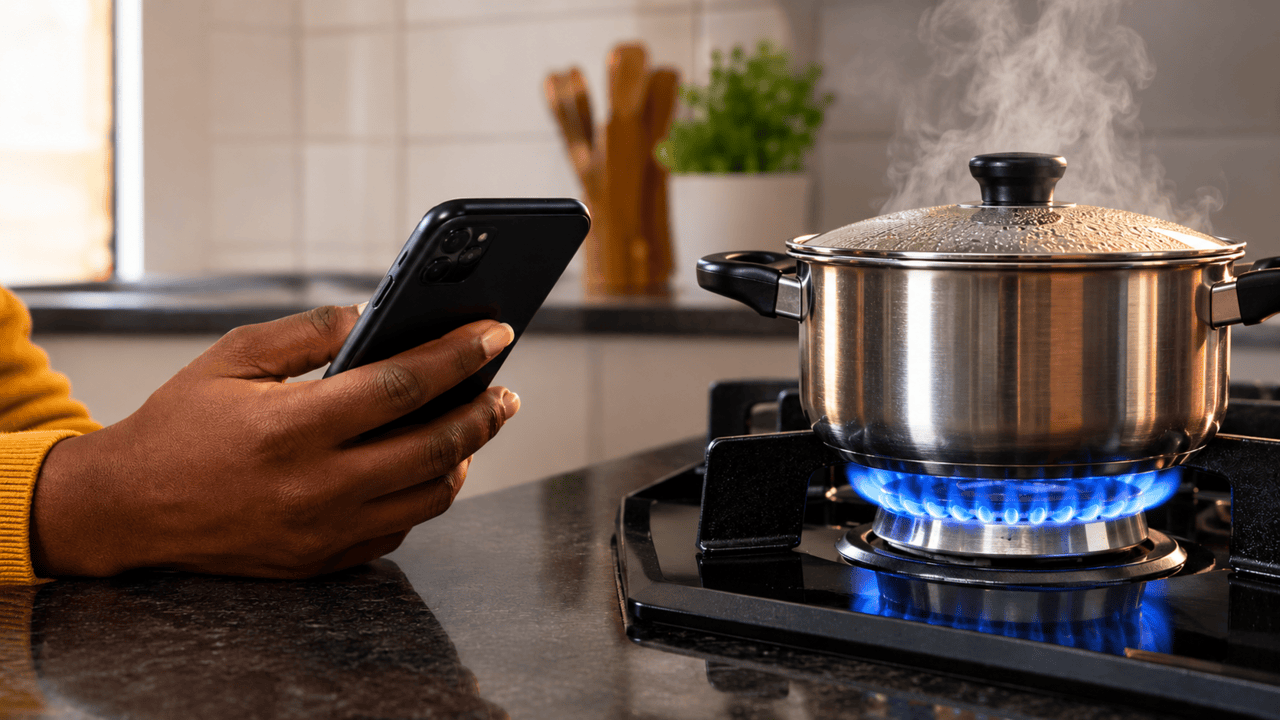
A warning we have all heard while growing up is that using a mobile phone near a gas cooker could cause an explosion.
Some versions of the warning go further, claiming that answering an incoming call, switching on the flashlight or taking a photograph near a lit burner could set the kitchen on fire.
The warning has made many people cautious about carrying their phones into the kitchen. But is there scientific evidence that a mobile phone can ignite cooking gas?
What Makes Cooking Gas Explosive?
Cooking gas, commonly known as LPG, is a mixture of propane and butane.It is stored under pressure as a liquid and turns into gas when released from its cylinder.
LPG is highly flammable, but a leak does not automatically result in an explosion. For combustion to occur, the escaping gas must mix with air in the right proportions and encounter an ignition source.
For instance, propane, one of the main components of LPG, can ignite when its concentration in the air is between approximately 2.1% and 9.5% by volume. Below this range, there is too little propane to sustain combustion; above it, there is insufficient oxygen in the mixture.
This is particularly dangerous indoors because propane and butane vapours are heavier than ordinary air. Escaping gas can settle near the floor and collect in low-lying areas, especially in poorly ventilated spaces.
As it spreads and mixes with air, different parts of the room can reach an ignitable concentration.
Can a Mobile Phone Produce a Spark?
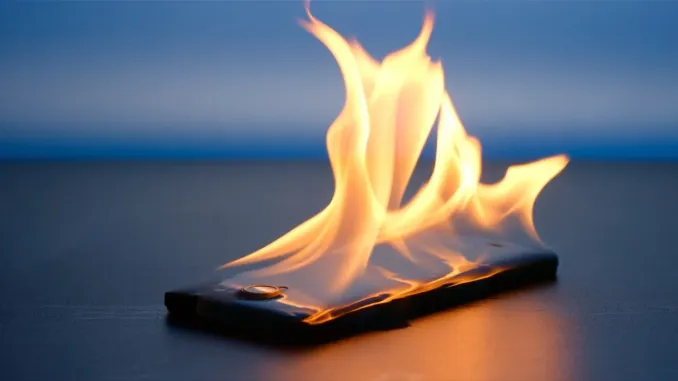
Mobile phones contain electrical components and rechargeable batteries. Although they are designed for everyday use, they are not generally certified for operation in potentially explosive environments.
Research into portable electronic devices has examined whether their electrical components could produce ignition sources in atmospheres containing flammable gases or vapours.
The risk from an ordinary, functioning mobile phone is considered low, but it cannot be treated as impossible in every hazardous situation. Damaged devices, battery faults and certain electrical failures introduce additional concerns.
Static electricity is another possible ignition source. It can build up when certain materials rub against or separate from one another. When the accumulated charge is released, it can produce a spark. If this happens in an atmosphere containing an ignitable concentration of LPG, the consequences can be serious.
Social Insight
Navigate the Rhythms of African Communities
Bold Conversations. Real Impact. True Narratives.
This is why safety guidance recommends keeping electrical equipment away from suspected gas leaks, even when the devices appear to be working normally.
What About Phone Calls, Flashlights and Radiation?
Several explanations have circulated about why mobile phones supposedly cause gas explosions. Some attribute the danger to electromagnetic radiation, while others blame incoming calls or the phone's flashlight.
However, these explanations do not have established scientific backing.
Mobile phones transmit and receive radiofrequency signals, but these signals should not be confused with the electrical sparks that can ignite a flammable gas mixture. There is no convincing scientific evidence that radio waves from an ordinary mobile phone can ignite household cooking gas.
Similarly, a phone's LED flashlight does not produce an open flame or an ignition spark simply by illuminating a room. Taking a photograph or receiving a call has not been established as a cause of domestic gas explosions.

A 2003 medical case report examining mobile phones as a potential fire hazard also discussed the lack of documented evidence establishing that mobile phones had caused fires in environments containing flammable substances.
The important distinction is that ordinary phone functions have not been established as ignition sources, but electronic devices should not be operated in an atmosphere where leaked gas may have accumulated.
What Happens When Leaked Gas Ignites?
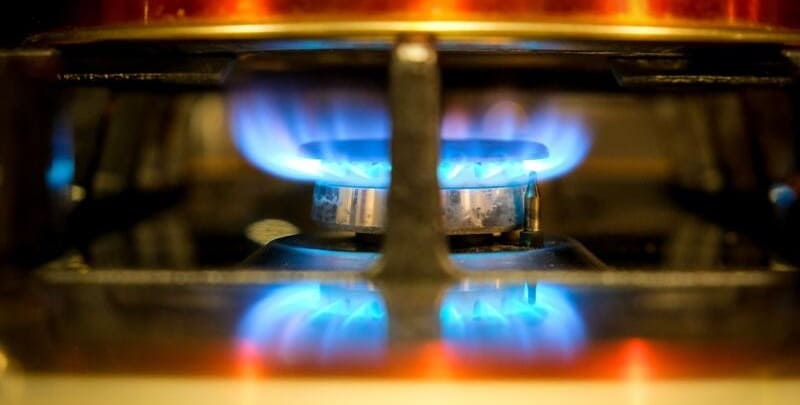
When LPG mixes with air within its flammable range and encounters an ignition source, combustion can spread rapidly through the mixture.
The burning gas releases heat, causing the surrounding gases to expand. In an enclosed space such as a kitchen, this rapid expansion can produce a sudden rise in pressure and a destructive blast.
The resulting explosion can damage windows, doors and nearby structures, while the fire can spread to furniture, curtains and other household materials.
What Should You Do If You Smell Gas?
If you notice the smell of cooking gas in your kitchen, do not attempt to locate the leak using a match, lighter or any other open flame. Avoid operating electrical switches, plugging in chargers or using your mobile phone inside the affected area.
Social Insight
Navigate the Rhythms of African Communities
Bold Conversations. Real Impact. True Narratives.
If it is safe to do so, turn off the gas supply at the cylinder regulator. Open doors and windows to allow the gas to disperse, provided you can do this without exposing yourself to danger.
If the smell is strong, the leak cannot be controlled or you are uncertain about the situation, leave the building immediately. Move to a safe distance before using your phone to contact the fire service or a qualified gas technician.
Do not return until the leak has been properly addressed and the installation has been checked.
How to Prevent Gas Leaks at Home
A few precautions can help reduce the risk of cooking gas accidents:
Check your gas hose and regulator: Look out for cracks, loose connections and signs of wear. Replace faulty components.
Keep the cylinder upright: Store it in a well-ventilated location, away from direct heat and open flames.
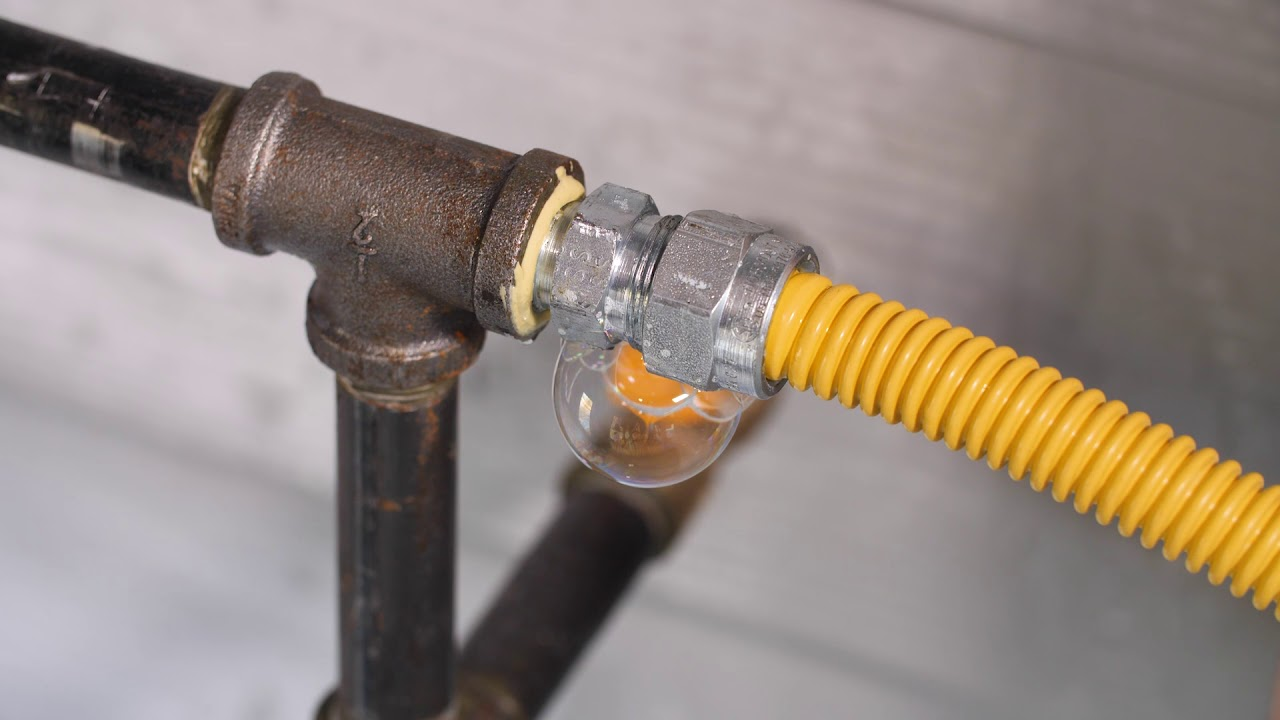
Check for leaks with soapy water: Apply a mixture of water and liquid soap to the connections. Bubbles can indicate escaping gas. Never use a match or lighter to test for leaks.
Turn off the gas after cooking: Make sure the cooker knobs and cylinder regulator are properly closed when not in use.
Maintain proper ventilation: Avoid storing LPG cylinders in enclosed spaces without adequate ventilation.
So, Should You Stop Taking Your Phone Into the Kitchen?
Not necessarily. There is no established scientific evidence that answering a call, taking a photograph or switching on a phone's flashlight will cause a gas explosion.
However, a suspected gas leak changes the situation entirely. Avoid using your phone or operating electrical equipment inside the affected area until you are safely away.
The bigger concern is not an ordinary phone call while cooking. It is an undetected gas leak and the possibility of an ignition source setting it off.