Can a Nigerian Man Marry a Second Wife? The Answer Depends on How He Married the First
Can a Nigerian man legally marry a second wife without his first wife’s consent? Nigeria’s marriage laws depend on whether the first marriage is statutory, customary, or Islamic.

At a Nigerian wedding, once the music is loud enough and the relatives comfortable enough, somebody will joke about a second wife, and someone else will reply: “If the first wife agrees, there is no problem.”
It sounds simple. Nigerian law is not so easily satisfied.
Whether a man can legally marry a second wife does not rely entirely on his first wife’s consent, which matters socially and personally but changes nothing legally. The real question is: what kind of marriage do both parties already have?
Nigeria’s marriage system draws on different legal and personal-law traditions, and a marriage under the Marriage Act does not follow the same rules as a customary or Islamic one. So before the second-wife debate becomes another family WhatsApp argument, it helps to ask what happened at the first wedding.
One Country, Different Marriage Systems

Nigerians marry in three main ways: under the Marriage Act (statutory), under customary law, or under Islamic personal law. Each is formed differently and carries different consequences for a man who wants another wife.
Statutory marriage
A statutory marriage is celebrated at a marriage registry or a licensed place of worship under the Marriage Act. This covers what many Nigerians call a court wedding (held at the registry) and a white wedding, though a church ceremony counts as statutory only when the church is licensed and the Act’s requirements are met, including a marriage certificate.
It is legally monogamous.Section 35 of the Act says a person married under it is incapable, while that marriage lasts, of contracting a valid customary marriage, and Section 47 attaches criminal consequences to trying.
Bigamy is also an offence under the Criminal Code applicable in southern states, punishable by up to seven years’ imprisonment, with comparable provisions in northern states.
This is where the first-wife consent argument falls apart. Agreement does not remove a legal prohibition, and private consent cannot override the nature of a statutory marriage. Separation does not end it either. A family agreement or living apart is not a divorce, and the legal process must be completed, including the decree absolute.
Customary marriage
Nigeria has no single customary-marriage code. Rules vary by community, covering family participation, bride price, capacity, and how the marriage is formed.
Customary marriages are generally regarded as potentially polygamous, so a man may be able to take more than one wife under the applicable custom.
Whether a first wife must be informed or involved depends on that custom and the evidence surrounding the marriage.
Islamic marriage (nikah)
Islamic marriages are governed by Islamic personal law and are not treated as statutory marriages. Under applicable interpretations, a Muslim man may marry more than one wife, subject to the conditions that law sets. Recent Court of Appeal decisions have also held that Section 35 bars a later customary marriage but not a later Islamic one, so a subsequent nikah is not automatically bigamy.
The law here is still developing, and these rulings are not a blanket permission slip. Calling yourself religious does not create an automatic escape from existing marriage obligations.
The Law Is More Complicated Than the Social Debate
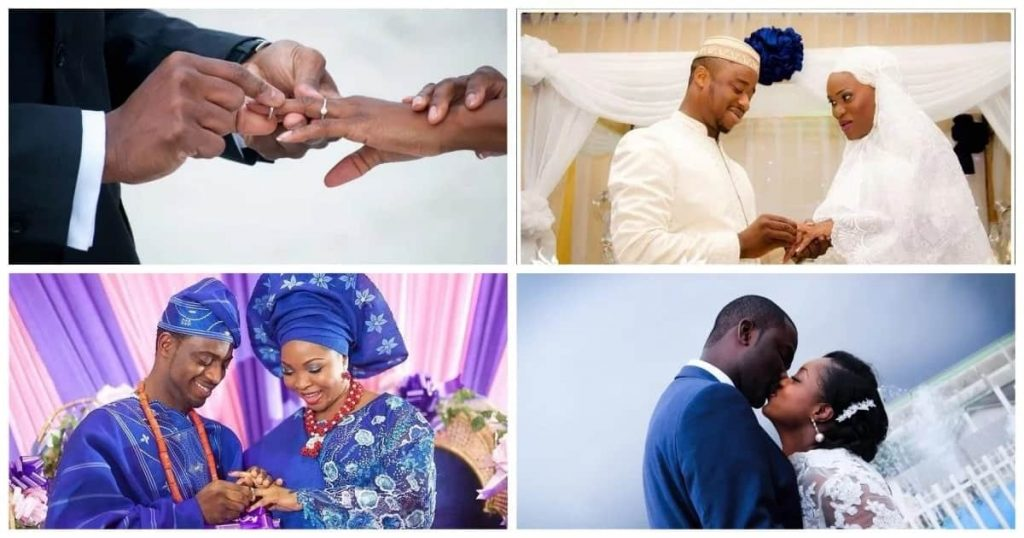
Two people may both call themselves “married” while the legal consequences differ sharply depending on whether they married under statutory, customary, or Islamic law. The proposed second wife matters too: consent, capacity, and the validity of the new marriage cannot be ignored simply because attention is on the first wife.
Perhaps that is the real lesson. Nigerians often discuss marriage as though the ceremony, the religion and the law all mean the same thing. They do not.

A registry certificate carries consequences. So does a traditional marriage, and so does an Islamic one.
Mixing them without understanding the implications can cause problems long after the wedding photographs have disappeared from Instagram.
So, can a Nigerian man marry a second wife without his first wife’s consent? The honest answer is not a simple yes or no. It depends on the system governing the marriage he already has. In a statutory marriage, her agreement cannot cancel the legal restrictions. Under customary or Islamic rules, the position may differ.
Before anyone says “I do” again, the first document worth examining is not the invitation card. It is the marriage certificate.
This article provides general information and is not legal advice. Anyone facing an actual marriage, divorce, inheritance, or second-marriage dispute should consult a qualified Nigerian lawyer.