Are Runway Clothes Actually Meant to Be Worn?
Are runway clothes meant to be worn? From Iris van Herpen’s experimental couture to Lagos Fashion Week 2026, see where fashion meets wearable art.
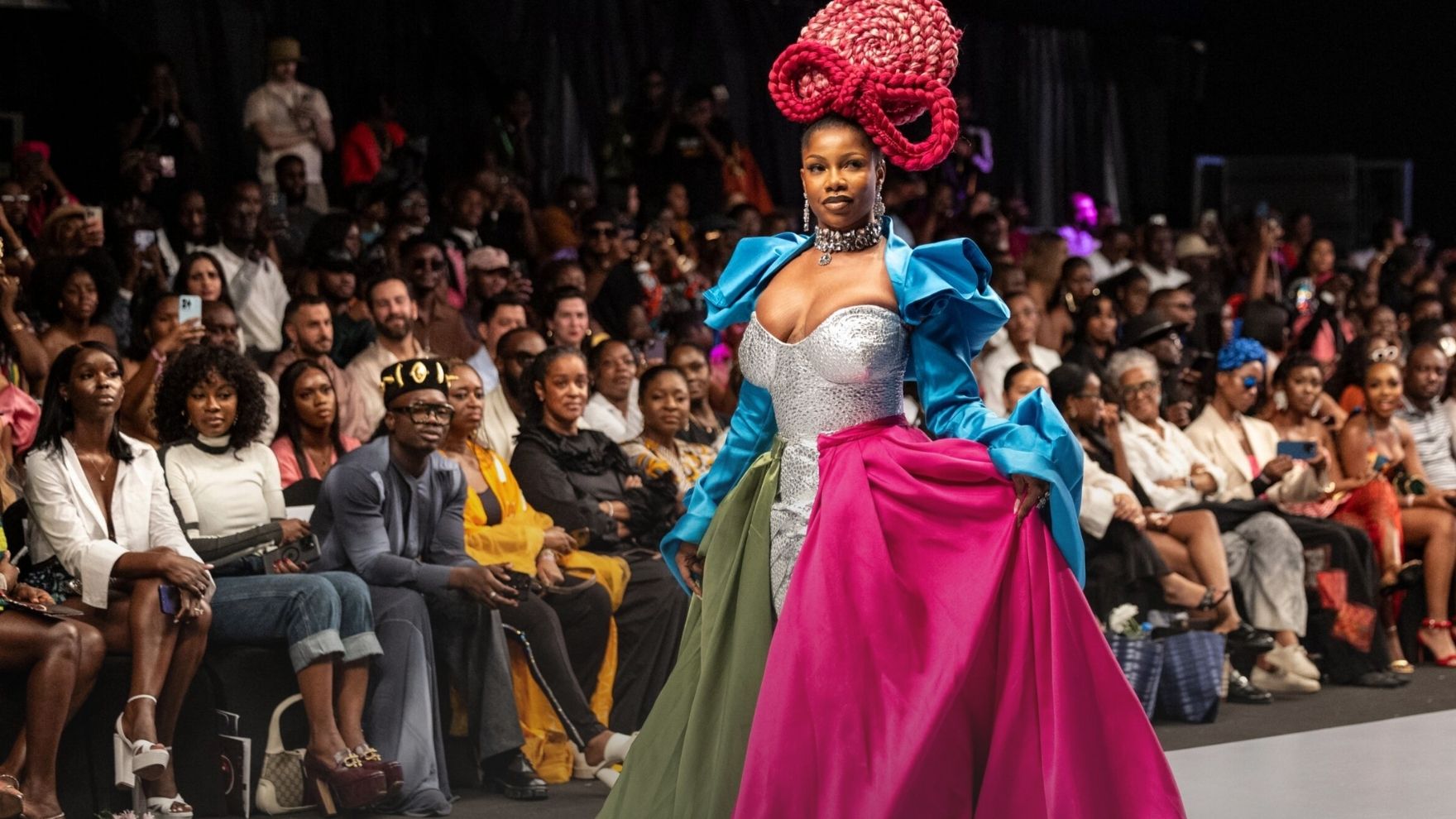
In July, Iris van Herpen sent a dress through a particle accelerator, froze it and planned for the model to discharge lightning on the runway. The charge escaped early and burned branching channels through the fabric before the show began.
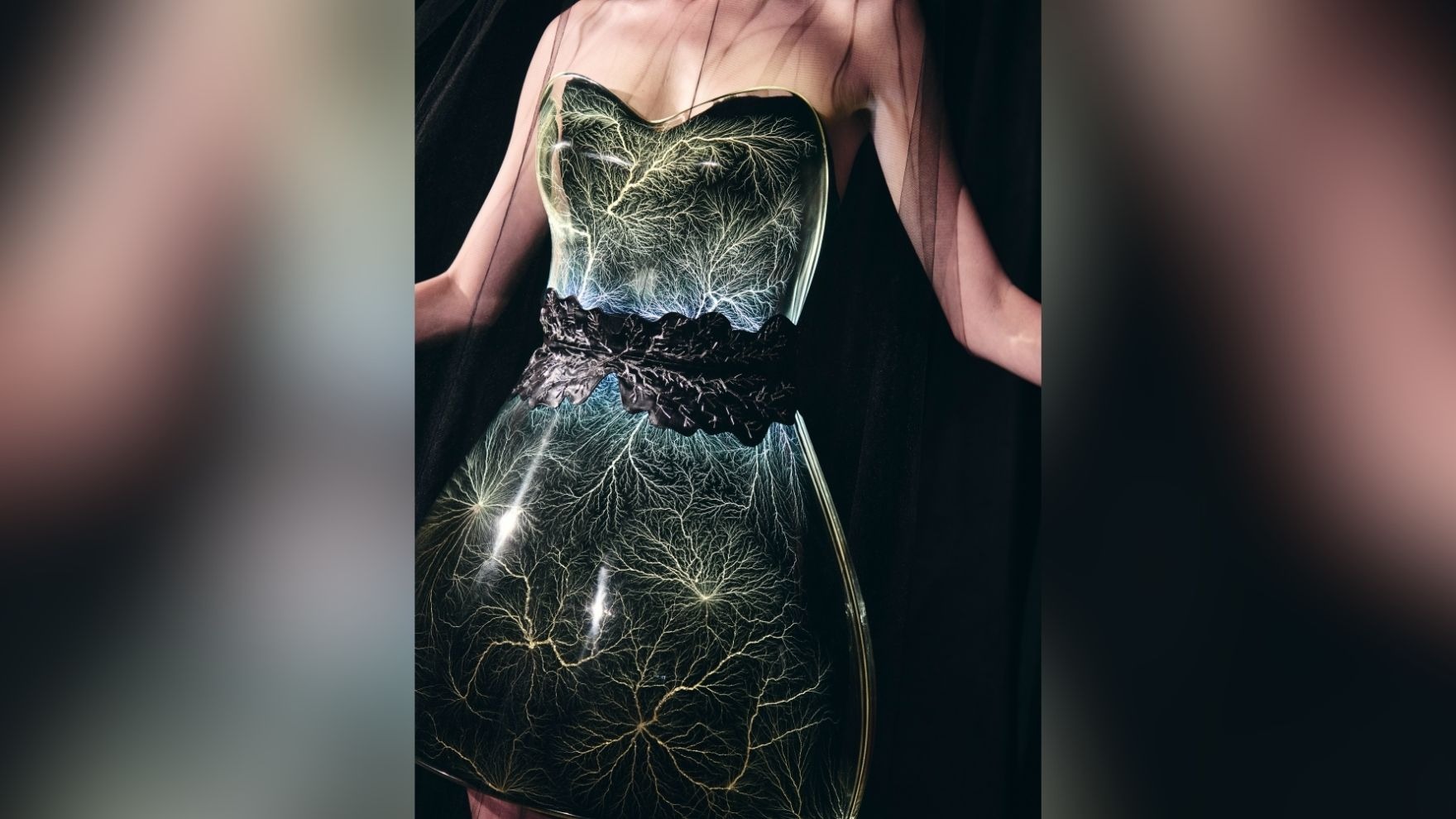
Yet that dress, and the thousands of looks like it, sit at the centre of a question fashion fans keep asking: are runway clothes actually meant to be worn?
The answer is yes and no, and the split depends on what the designer is trying to sell.
Why Designers Make Unwearable Runway Fashion
The first thing to know is that a runway show is first an advertisement before it is a shop window. Designers use it to announce an idea, earn press attention and build a brand’s mythology.
A dramatic, impractical piece does that job better than a plain coat ever could, because it gets photographed, shared and argued over online.

Social media comments under any odd-looking couture tend to get people speaking and asking where anyone would wear it, which misses the point. The look was never meant for the commute. It exists to make the rest of the collection, and the brand name, impossible to ignore.
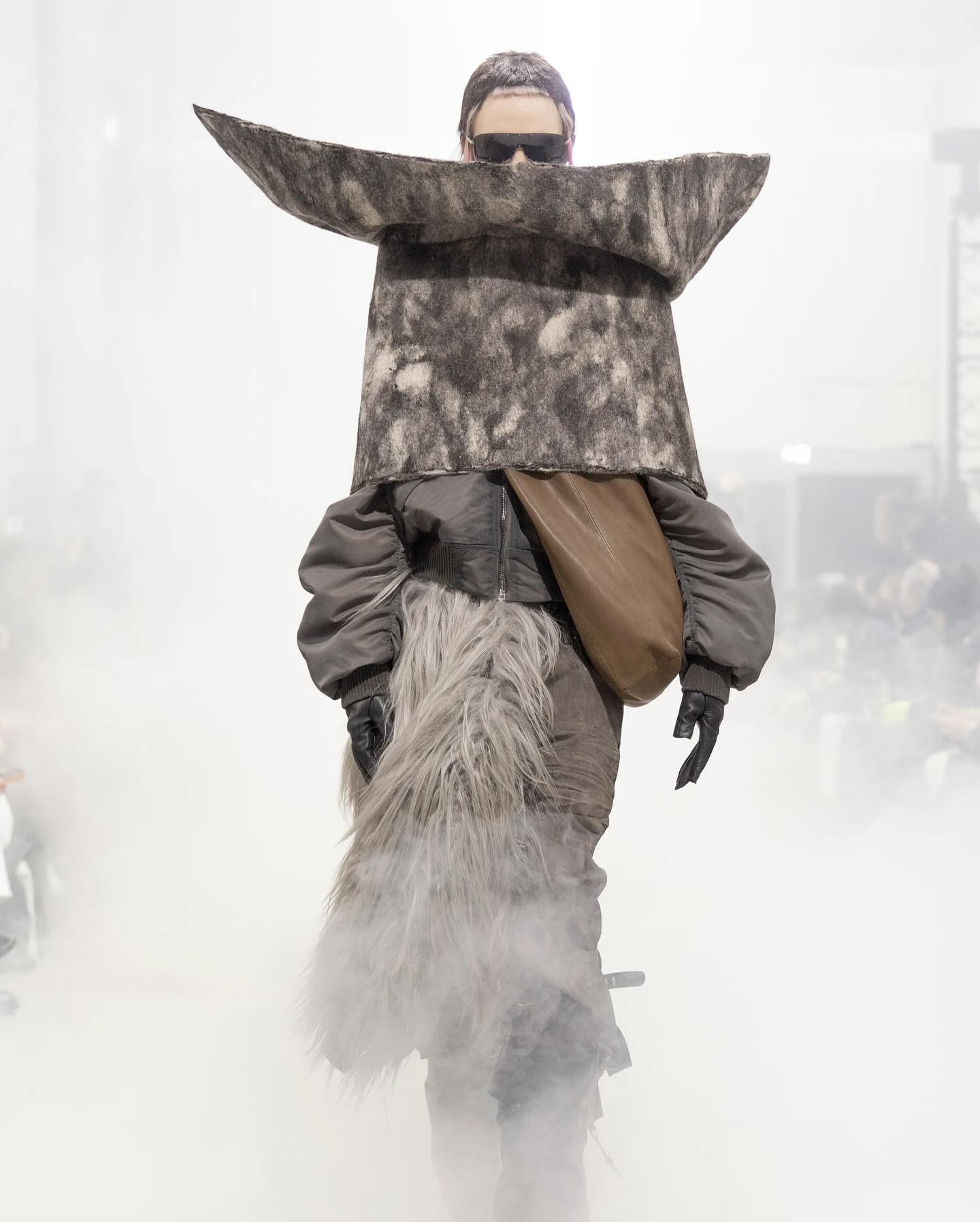
Rick Owens builds shows around brutal, sculptural silhouettes that challenge how the body moves, yet his label still sells wearable leather jackets and boots in stores. The runway carries the provocation, the shop gets the revenue, and his brand keeps people talking. A triple kill.
Showpieces vs Ready-to-Wear: What Is the Difference?
A showpiece is built for the camera and the catwalk. It may use materials that are fragile, heavy or experimental, and it is often never produced for sale.
Ready-to-wear is the commercial version, edited so it can be made in sizes, shipped, washed and worn by someone with a job and a danfo to catch. Many designers present both on one runway.
The extreme looks often open or close the show, while the sellable pieces fill the middle.
Couture is different, and sits in between. It is handmade, made to order and priced for a small client list, so impracticality is part of the appeal.
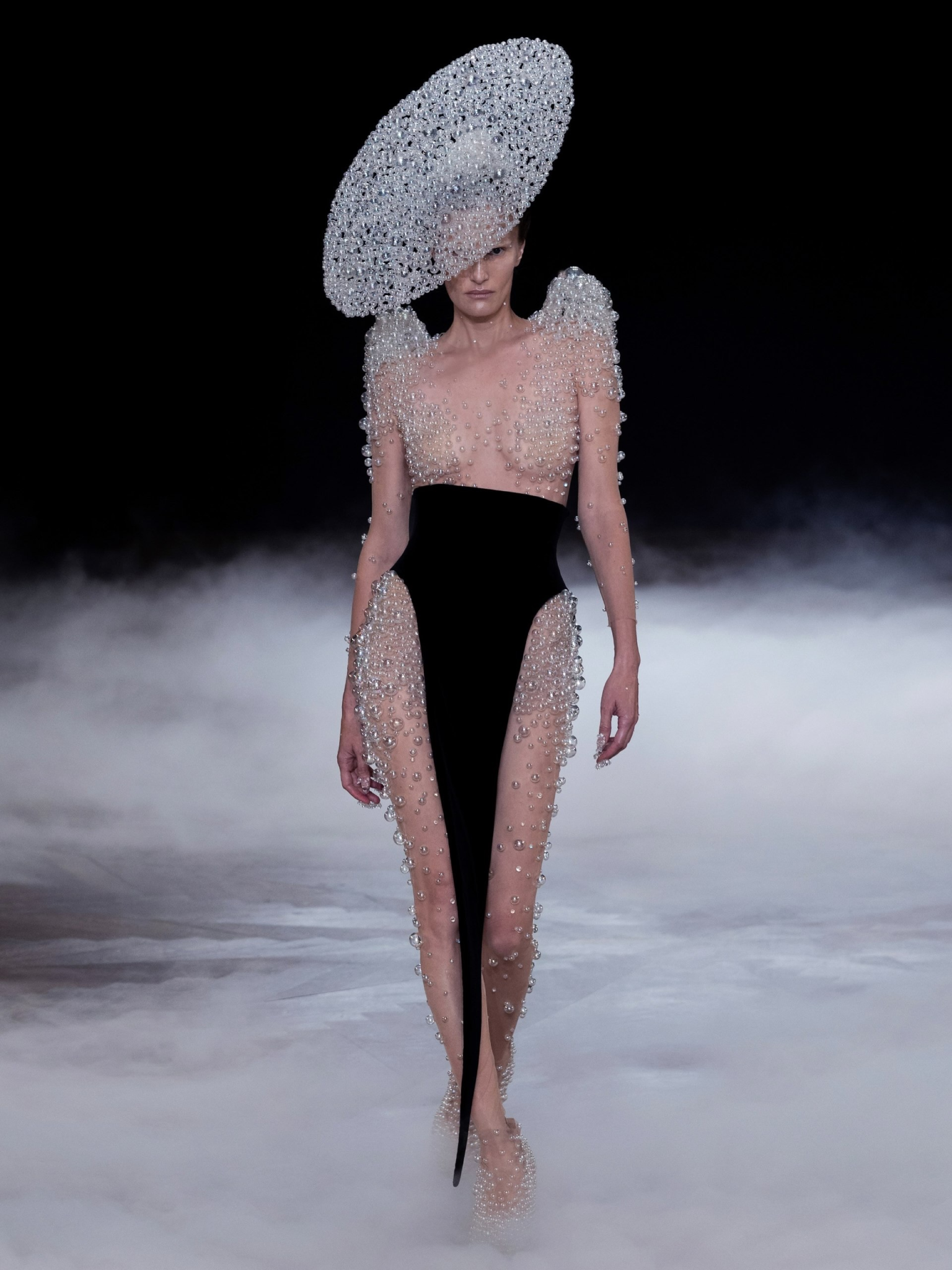
Iris van Herpen focuses solely on couture, and her 3D-printed and plasma-lit creations behave more like museum objects than wardrobe staples. Even so, they travel.
Stylists regularly pull couture looks straight from the runway for red carpets, which proves that a dramatic piece can still find a body to live on, even if only for one night.
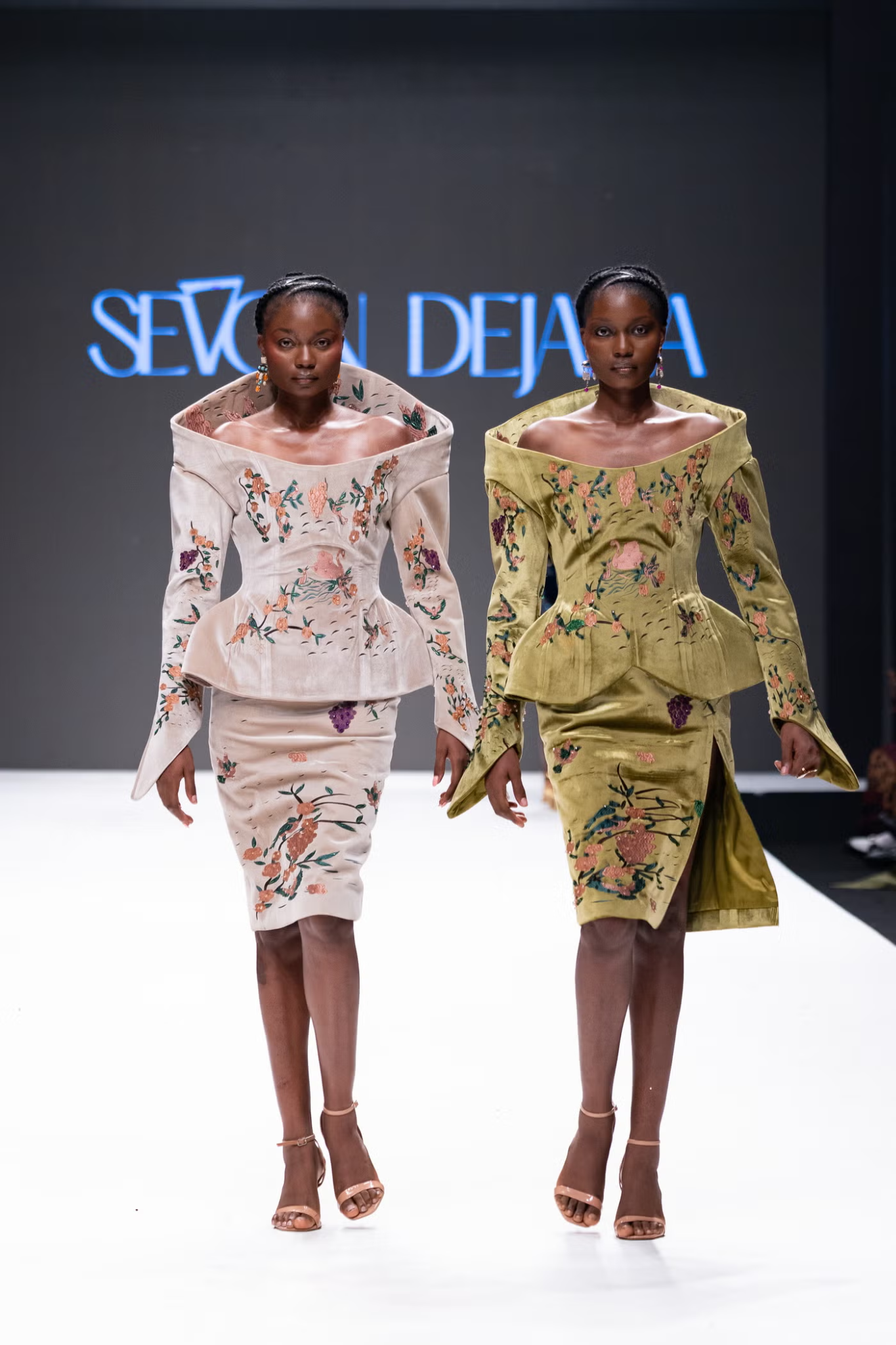
Wearable Fashion at Lagos Fashion Week 2026

Lagos Fashion Week 2026, held from October 28 to November 1 under the theme CRAFTED, makes a useful reference point because so much of it is practical.
The week also ran a Fashion Business Series alongside the shows. This is the sign that designers were thinking about buyers as well as applause.
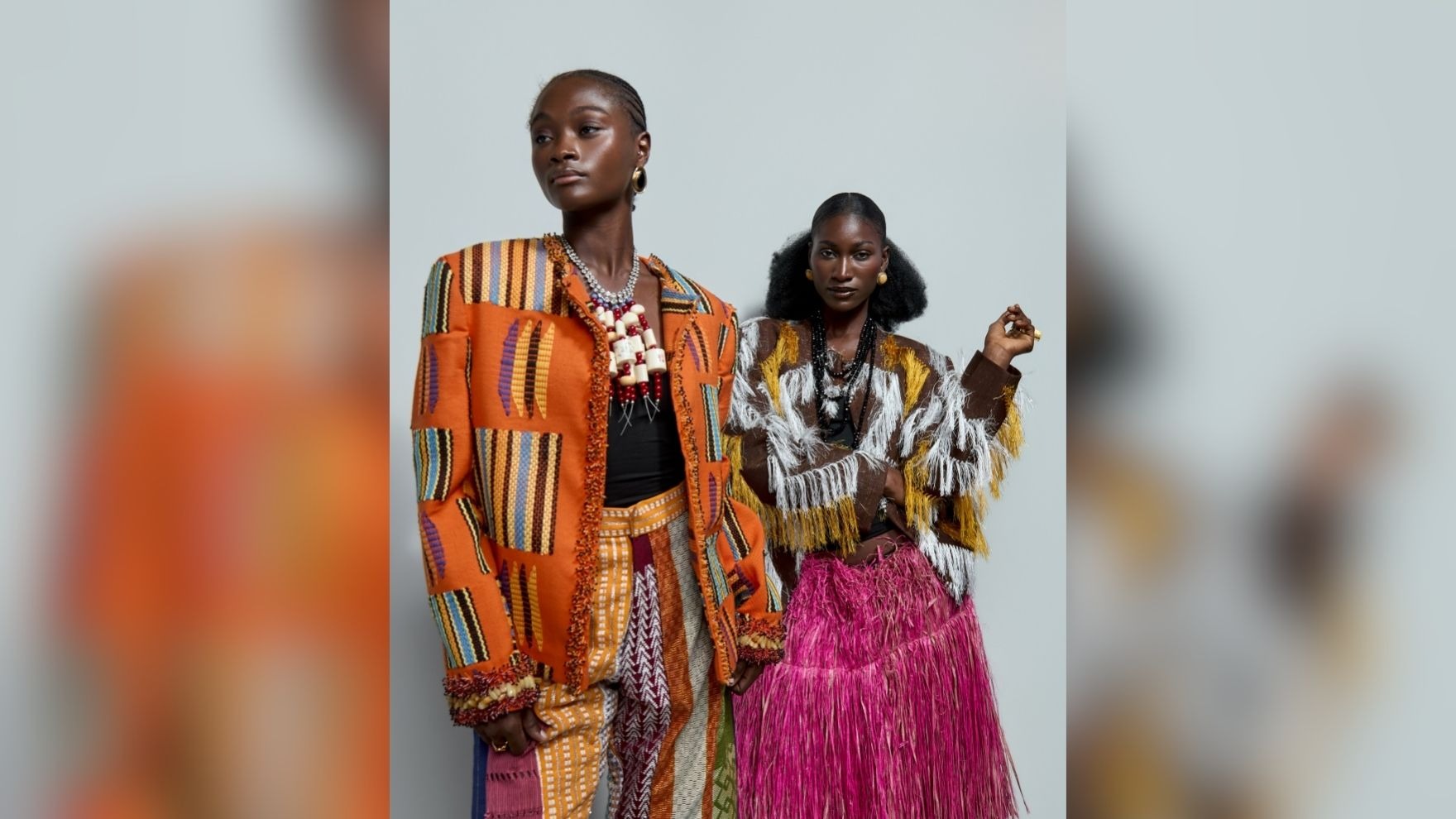
Emmy Kasbit’s Akwete Reimagined capsule, made with concept retailer, ALÁRA, is the clearest case. It uses traditional hand-loomed Akwete cloth cut into sharp, immaculate tailoring for men and women.
That is a jacket you can wear to work, and the retailer partnership signals it was made to be bought.
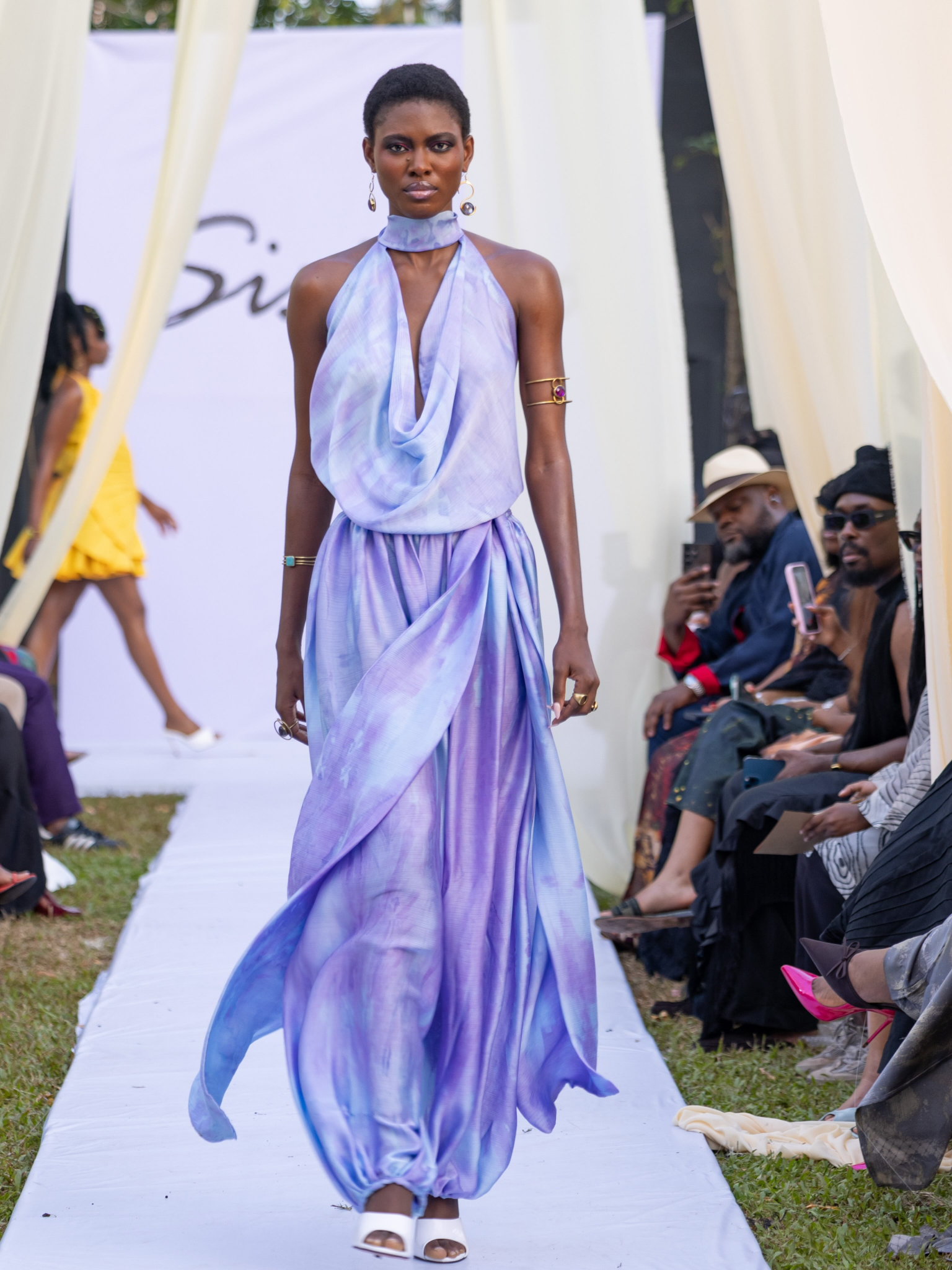
Sisiano’s Some Birds Fly South sent models down the runway in weightless, hand-printed silk chiffon and sheer layers. Sheer can sound risky, but light fabric in Lagos heat is practical, and layers can be styled up or down.
Ajanéé’s Masquerading (Cloth as Spirit) turned waste into richly textured garments with fringe and statement draping. These are wearable, though they ask more of the wearer.
Runway Looks That Lean Closer to Wearable Art
Every collection sits on a spectrum, and Lagos shows that the spectrum has a practical middle.
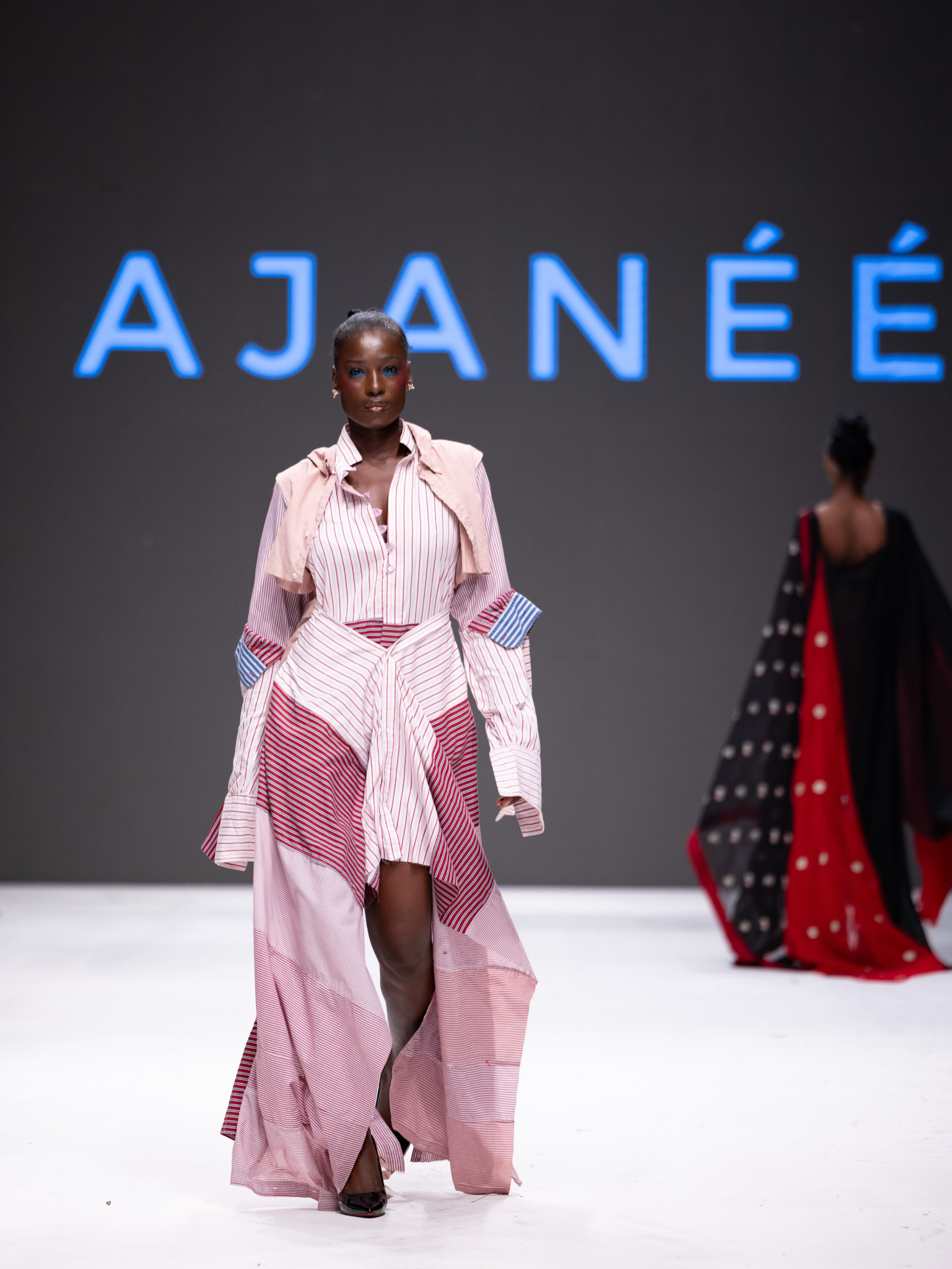
Ajanéé’s draped, fringed pieces sit nearer the sculptural end, where a garment’s story matters as much as its function. They suit a gallery opening or a photoshoot more than a corporate meeting. That does not make them lesser. A statement piece can be worn, just selectively.
Far beyond that sit Van Herpen’s lightning dress and Owens’ sculptural capes, where wearing is not the actual point. Those pieces are closer to wearable art, made to express an idea about the body, technology or the future, and judged on imagination, not comfort.
So, Are Runway Clothes Meant to Be Worn?
Sometimes. The runway promises two things: a dream the designer wants you to remember and a product the designer hopes you will buy.
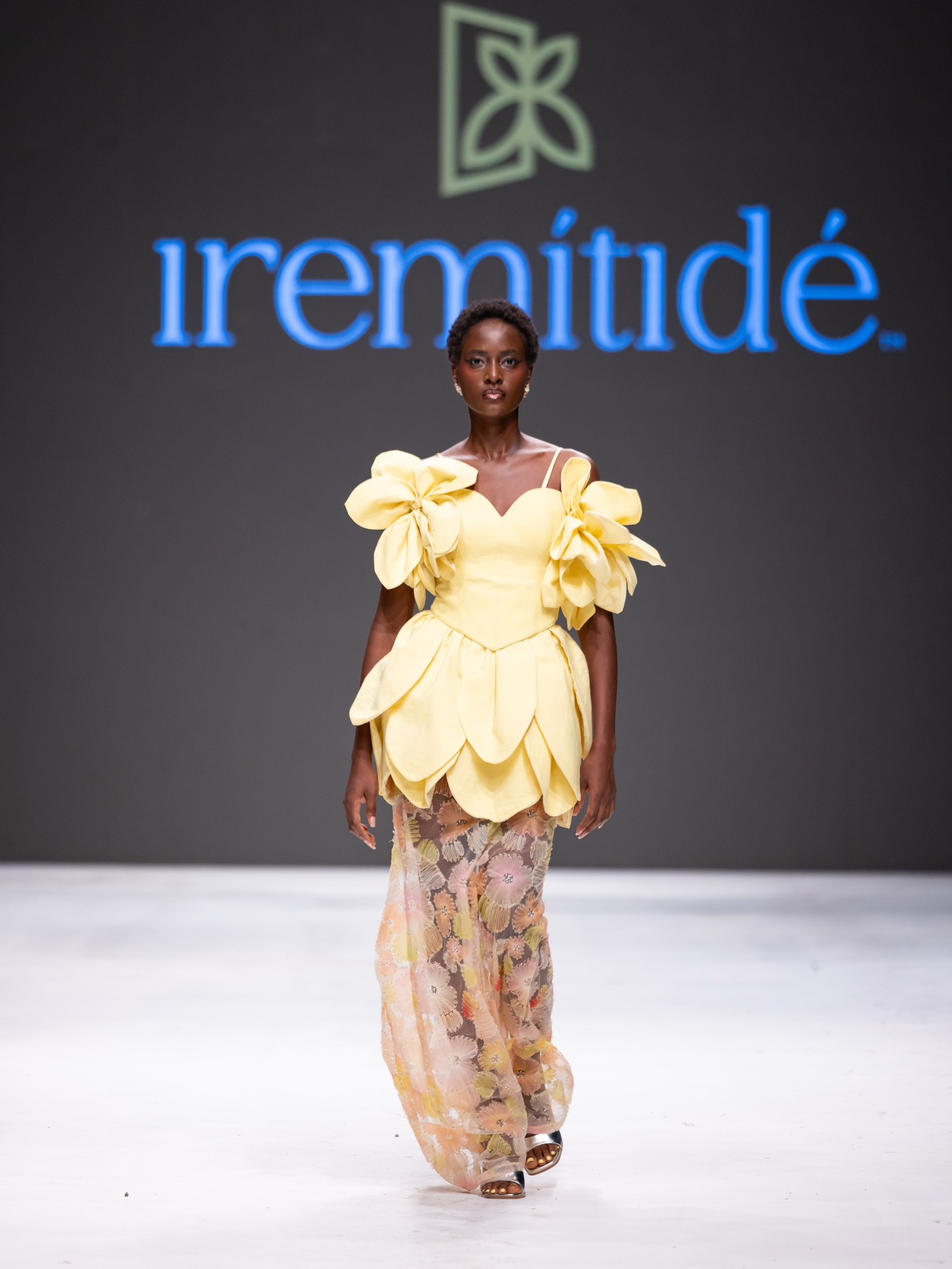
Lagos Fashion Week leaned toward the second promise, with collections built on craft, tailoring and local fabric that can leave the venue and enter a real wardrobe.
Paris couture leaned toward the first, treating the body as a canvas for science and spectacle.
Both feed each other, because the wildest idea on a catwalk often returns months later as a softened jacket, print or silhouette in a shop. Next time a look seems absurd, ask which promise it is making.