Nigeria’s “Agege Bread” You Know Has a Jamaican Past, and Agege Only Gave It a Name
Agege bread is a Nigerian favourite with Jamaican roots. Discover how Amos Shackleford, his bakery in Lagos and local bakers shaped its history.
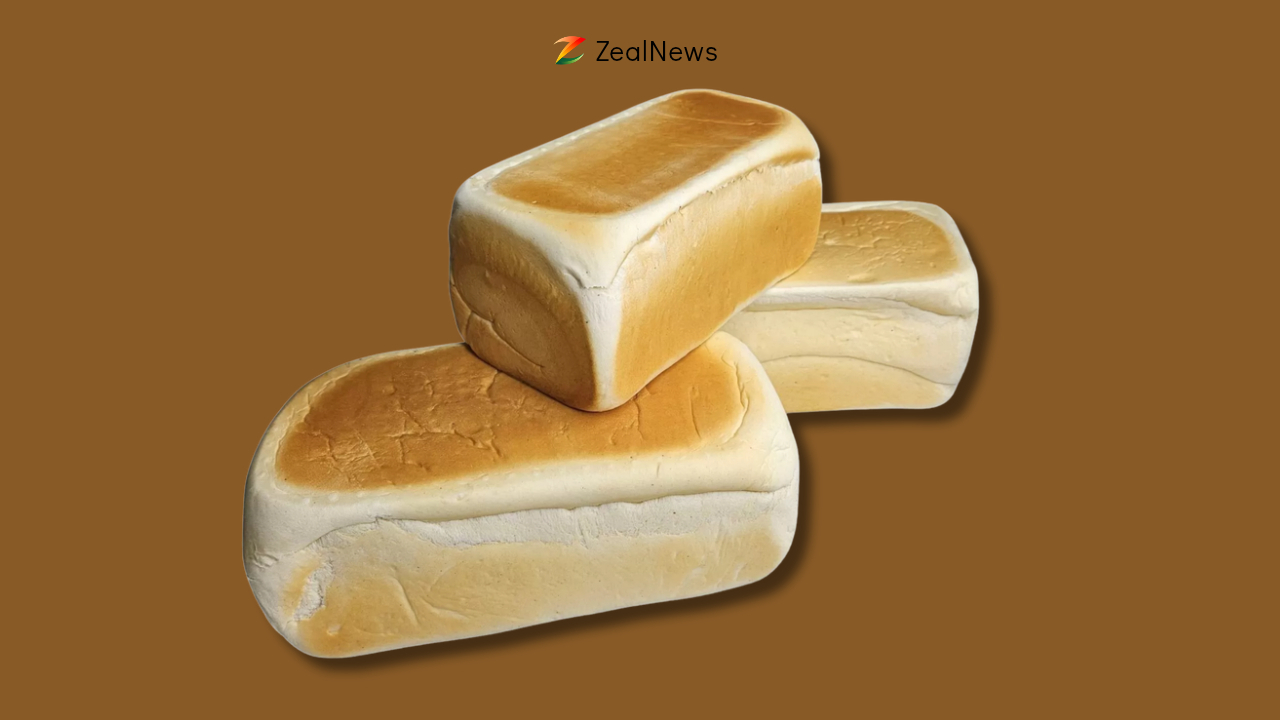
Kunle stood beside a roadside food seller, waiting for his usual breakfast of ewa aganyin. The beans were ready, the food seller had been generous with the pepper sauce, and there was only one thing left to request. “Abeg, add one fresh Agege bread. The very soft one,” he told her.
His friend Femi, standing beside him, suddenly asked, “You know where Agege bread come from?”
Kunle laughed. “Na from Agege na. Abi another place dey?”
Femi shook his head.
The smile disappeared from Kunle’s face. “Wait,” he said in proper English. “You mean it did not start in Agege, Lagos?”
It sounded almost impossible to his ears. How could one of Nigeria’s most familiar foods have a history that began somewhere else, with someone who was not Nigerian?
The Jamaican Who Helped Build Agege’s Bread Culture
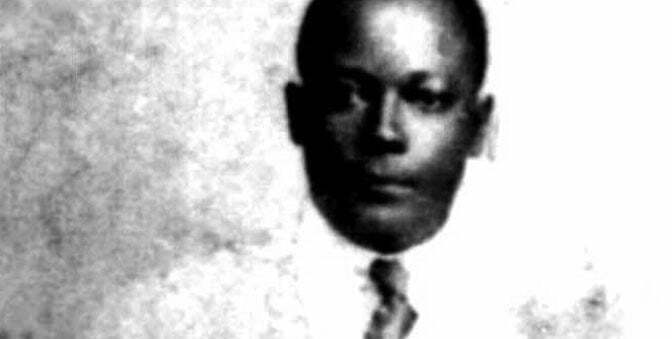
The story leads to Amos Stanley Wynter Shackleford, born in Jamaica in 1887. He arrived in Nigeria in 1913 to work with the railway, later returned briefly to Jamaica, and came back to Lagos in 1918 to work for a lumber company. In the early 1920s, he and his wife, Catherine Ricketts, established a bakery in Ebute Metta.
At the time, bread was becoming more familiar in Lagos, but commercial production was still developing. The couple saw an opportunity to build a business around a food that could reach beyond a limited circle of consumers. Shackleford eventually became known as the “Bread King of Nigeria,”while his loaves became widely recognised as Shackleford bread.
The bakery’s success was not simply about putting flour in an oven. Shackleford’s operation is associated with the introduction of mechanised dough processing, including a device known as a dough brake, which worked stiff dough until it became smooth and elastic.
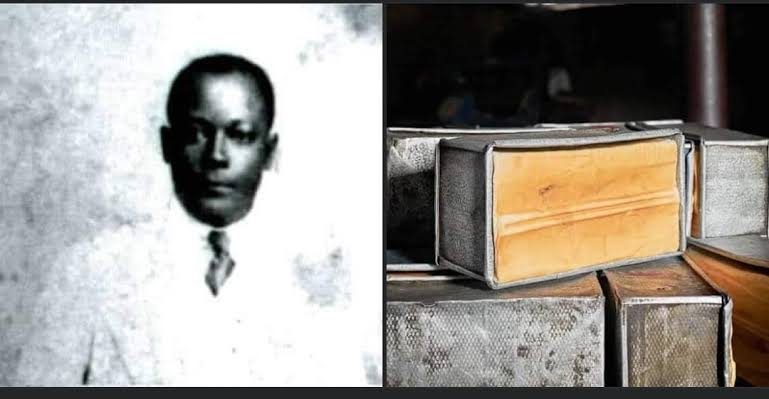
That technique is often linked to the dense, soft, stretchy texture people recognise in Agege bread today. However, the precise history of the machine’s introduction is not entirely settled, and accounts also credit a Jamaican baker, John Martin, with an important role in the bakery.
The point is not that one man invented every part of the bread, but that a migrant-led business helped establish a method of commercial baking that would leave a lasting mark on Nigerian food culture.
How Shackleford Bread Became Agege Bread
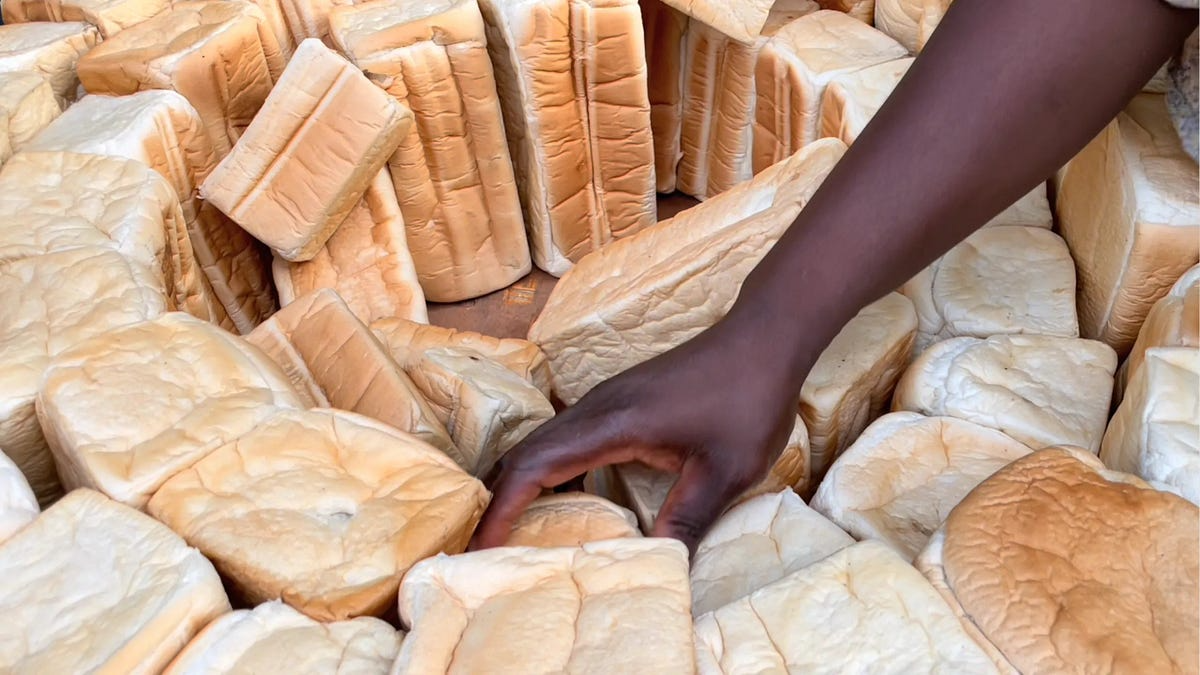
Shackleford’s bread was transported from Ebute Metta to Agege and other areas, with vans and buses helping the business reach customers beyond its immediate neighbourhood, and the name followed the product.
For a time, people knew the loaf as Shackleford bread, but the business faced disruption around Nigeria’s independence in 1960, and its original operation eventually ceased.
Local demand did not disappear with it. Alhaji Ayokunnu, an entrepreneur associated with Agege, established a bakery that continued the bread-making tradition and helped popularise the name now familiar across Nigeria.
History
Rewind the Stories that Made Africa, Africa
A Journey Through Time, Narrated with Insight.
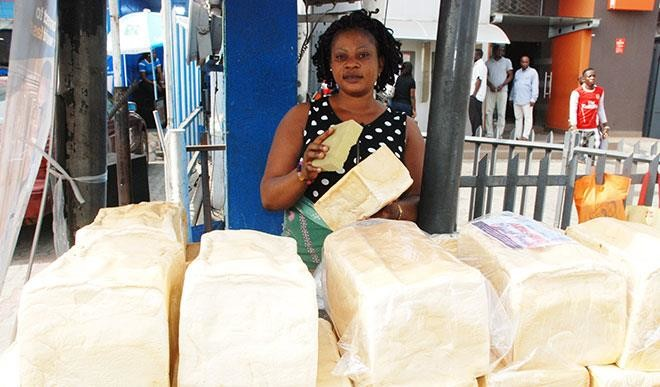
The product became identified with the place where this later bakery operated, rather than the Jamaican businessman whose earlier enterprise had helped lay the groundwork.
This is how food names often develop: a product becomes attached to the place where it is produced, sold or distributed most visibly. Agege became more than a location on the Lagos map; it became a shorthand for a particular kind of loaf.
Traders and travellers carried it to other parts of the country, and street sellers made it accessible to people who wanted something filling, affordable and easy to pair with everyday meals. Its identity grew through repetition: one purchase, one roadside stall, one bus journey and one breakfast at a time.
More Than Bread on the Breakfast Table
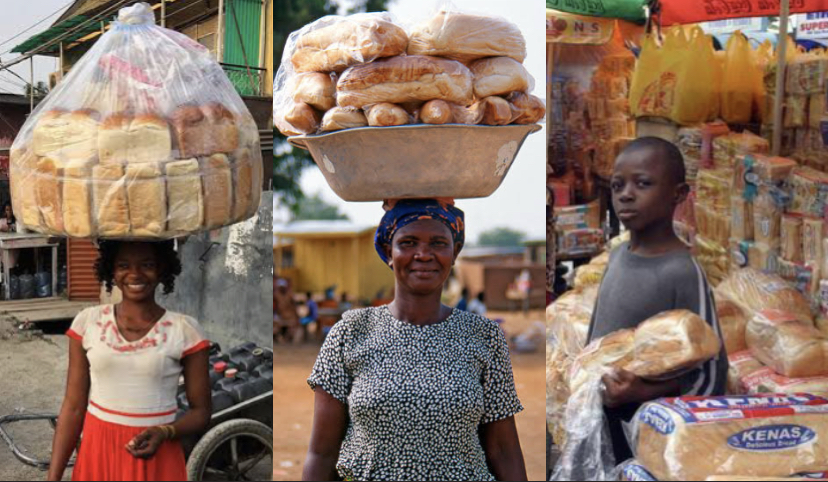
Agege bread’s popularity also explains why it remains part of Nigeria’s recurring debate about convenient food. For some, it is breakfast with beans, akara, fried eggs or tea. For others, it is a quick meal between work, school and the demands of the day. Its appeal rests on its softness, sweetness, size and ability to make a modest meal feel complete.

In a country where food prices and household budgets shape everyday decisions, familiar staples are valued not only for taste but for how much they can stretch a meal.
Yet the story behind the loaf offers a lesson beyond food. Nigerian culture has never developed in isolation. Migration, trade and the movement of people have shaped the things we now regard as unmistakably ours.
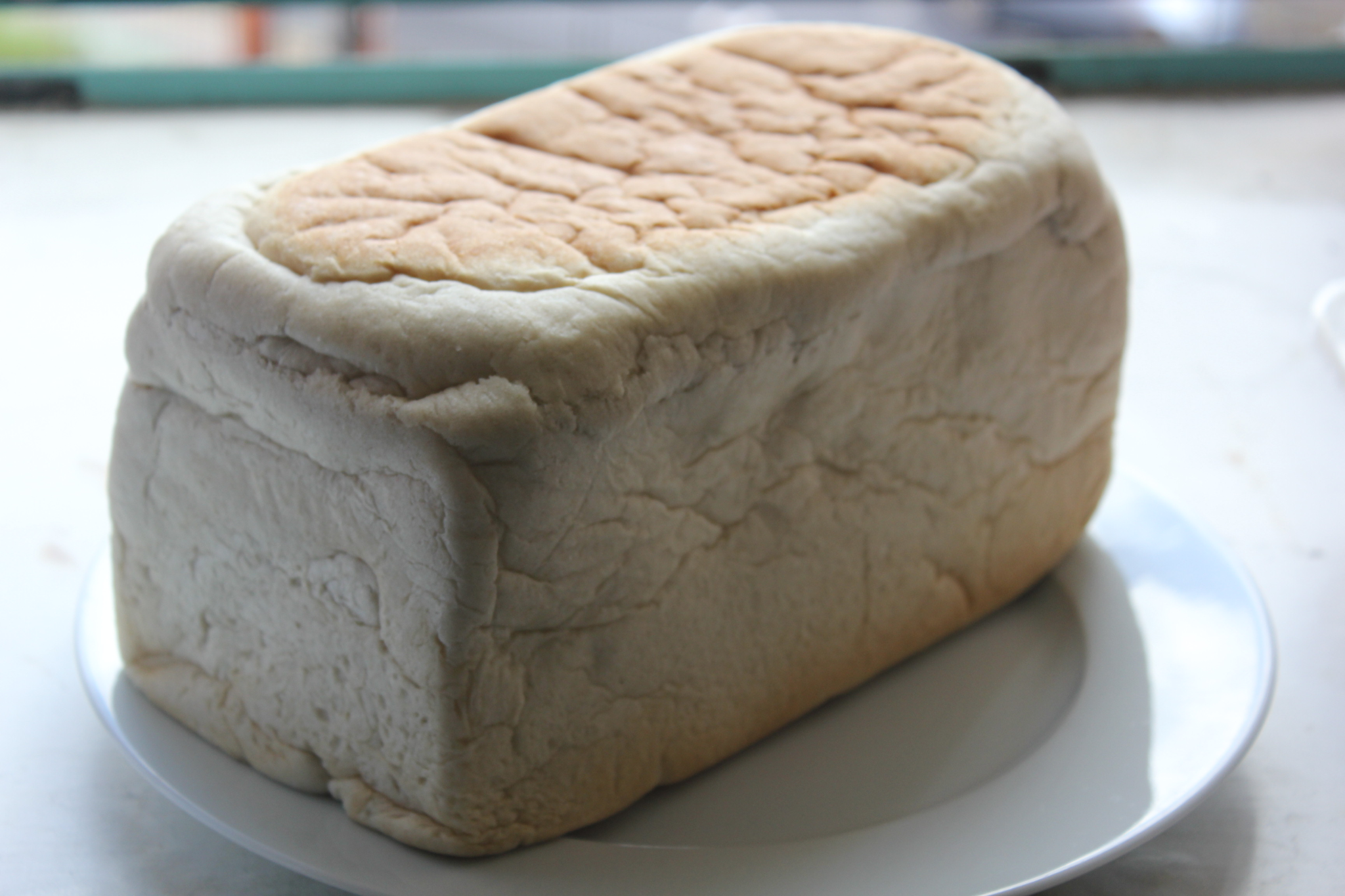
Shackleford brought experience from Jamaica, built a business in Lagos, and helped establish a baking tradition that local entrepreneurs adapted and spread. The Jamaican connection does not make Agege bread any less Nigerian; it reveals how Nigerian food culture has been made.
Kunle may still insist that Agege bread comes from Agege, and in one important sense, he is right: the name and the loaf’s popular identity are deeply tied to the Lagos community.
But its history travels further back, through Ebute Metta to Jamaica, before returning to Agege in a form that would become familiar across the country. Sometimes, the things we claim as our own carry stories of movement, reinvention and shared history. Even a loaf of bread can tell us that.