Most Nigerian Homes and Businesses Are One Disaster Away From Ruin, and These 6 Types of Insurance Could Change That
Six types of insurance Nigerian households and small businesses should know, from health and life insurance to motor, property and business cover.
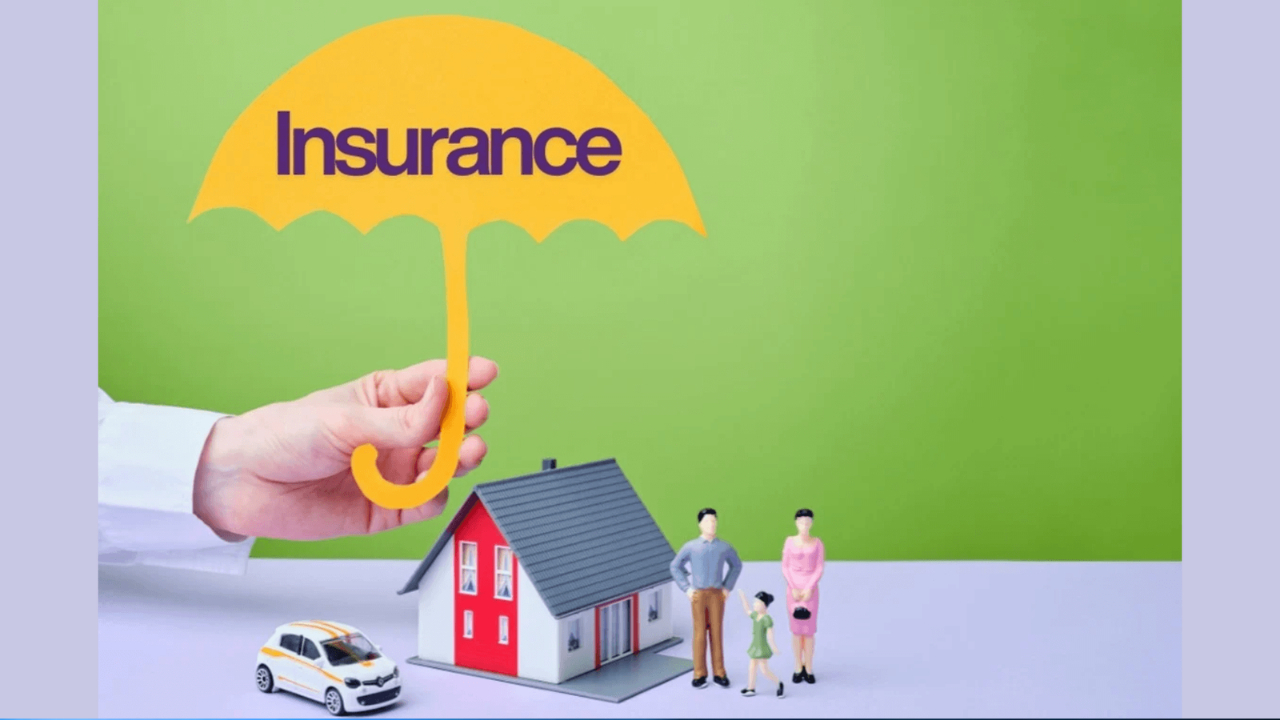
Insurance can feel like an expense that offers little value until something goes wrong. When a hospital bill arrives, a car is damaged, a fire destroys a shop, or a family suddenly loses its main source of income.
For households and small businesses in Nigeria, where unexpected expenses can quickly disrupt years of effort, insurance can provide financial protection against specific losses. The key is knowing which cover is relevant, what it protects and what the policy excludes.
Six Types of Insurance Worth Knowing
1. Health Insurance
Medical expenses can consume savings meant for rent, school fees or business operations. Health insurance helps cover eligible healthcare costs, including consultations, tests, hospital treatment and medicines, depending on the plan.
Before enrolling, check the participating hospitals, covered treatments, waiting periods and any additional payments you may need to make. A plan is only useful if its benefits match your healthcare needs.
2. Life Insurance
For families that depend on one or two income earners, the death of a breadwinner can create financial hardship.Life insuranceprovides an agreed benefit to nominated beneficiaries when the insured person dies under circumstances covered by the policy.
The money can help dependants manage living expenses, education costs and outstanding obligations. However, policyholders should confirm the terms, exclusions and beneficiaries rather than assuming every life policy includes savings or investment benefits.
3. Motor Insurance
For vehicle owners, motor insurance provides protection against specified risks associated with road use. Third-party motor insurance is legally required in Nigeria and generally covers the insured driver's liability for injury or property damage caused to others.
Comprehensive insurance offers protection, potentially including damage to the insured vehicle, theft and other listed risks. The exact cover depends on the policy, so vehicle owners should verify their certificate and understand the limits before driving.
4. Property Insurance
Social Insight
Navigate the Rhythms of African Communities
Bold Conversations. Real Impact. True Narratives.
A house, shop or rented apartment can contain years of savings in its structure, furniture, equipment and other belongings. Property insurance can cover specified losses arising from events such as fire, theft or accidental damage, depending on the policy.
Homeowners should check whether the building and its contents are covered, while tenants should not assume their landlord's insurance protects their personal possessions. The sum insured should also reflect the value of the property or items being protected.
5. Business Insurance
Small businesses face risks that can interrupt operations or destroy valuable assets. Business insurance may protect stock, machinery, equipment, premises and other listed business assets against covered losses. Depending on the policy, businesses may also obtain protection against certain liabilities to customers or other third parties.
A trader, for instance, should establish whether the policy covers goods stored in the shop, damage to equipment and the specific risks associated with daily operations. Cover should reflect the business rather than a generic package.

6. Personal Accident Insurance
An accident can affect a person's ability to work and earn, even when the injury is not fatal. Personal accident insurance pays specified benefits for covered outcomes, such as accidental death or permanent disability, and may include other listed injuries.
It can be relevant to self-employed workers, artisans, commercial drivers and people whose households depend on their physical ability to earn. It does not automatically cover ordinary illnesses or replace comprehensive health insurance.
Choosing the Right Cover
Insurance does not have to begin with several policies or an expensive package. Households and small businesses can start by identifying the loss they would struggle most to recover from, then compare policies they can afford to maintain.
Before paying, read the terms, check exclusions and benefit limits, and verify that the provider is licensed by Nigeria's National Insurance Commission (NAICOM). The most useful policy is not necessarily the cheapest or most expensive, but one that offers relevant protection and whose conditions you understand before a loss occurs.