8 Foods That Improves Eye Health And Boost Vision
Get to know eight nutrient-rich foods that support eye health, from sweet potatoes and leafy greens to oily fish and beans. Learn how diet can help protect and improve vision.
When people think about foods that support eye health, carrots are usually the first that come to mind. This association often begins in childhood, making carrots one of the earliest examples of how diet connects to overall health.
While carrots are indeed rich in vitamin A, an essential nutrient for vision, they are far from the only food that supports healthy eyes.
A variety of nutrients, including vitamins A, C, and E, along with zinc, selenium, and omega-3 fatty acids, all play important roles in maintaining eye function and protecting vision.
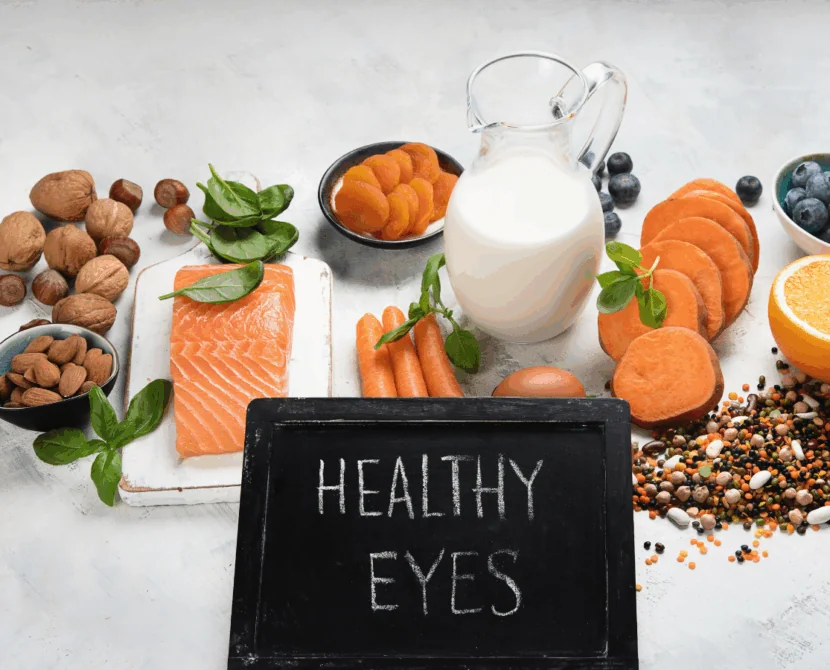
Incorporating a diverse range of nutrient-rich foods into your daily diet can help support long-term eye health. Here are eight foods worth adding to your plate.

Almonds
Vitamin E is a powerful antioxidant that helps protect eye cells from oxidative stress caused by pollution, smoke, and harmful light exposure. Over time, these environmental factors can damage cells involved in vision.
A small handful of almonds, about 23 nuts, provides nearly half of daily vitamin E needs. Other vitamin E-rich foods include sunflower seeds, hazelnuts, peanut butter, and avocados.
Spinach and Kale
Dark leafy greens such as spinach and kale are excellent sources of lutein and zeaxanthin. These carotenoids help protect the retina by filtering harmful blue light.
Acting as antioxidants, they reduce the risk of light-induced damage and help maintain healthy eye cells.
Research suggests that diets high in leafy greens may slow age-related macular degeneration. Including spinach, kale, collard greens, or turnip greens regularly can increase levels of these protective compounds in the body.
Eggs
Eggs also contain lutein and zeaxanthin, especially when sourced from chickens fed nutrient-enriched diets. These nutrients are naturally present in eggs and are easily absorbed by the body.
Regular egg consumption may help improve levels of these carotenoids, supporting long-term vision health. Eggs also offer additional nutrients that contribute to overall eye protection.
Sweet Potatoes
Vitamin A plays a crucial role in maintaining the cornea and supporting the pigment rhodopsin, which helps convert light into signals interpreted as vision.
While carrots are widely known for their vitamin A content, sweet potatoes actually contain significantly more.
One medium baked sweet potato provides about 150% of the daily recommended value of vitamin A. This comes from provitamin A carotenoids, including beta carotene, which also function as antioxidants.
These compounds give orange and deep-green vegetables their color while helping protect eye cells from oxidative damage.
Oysters
Zinc plays an important role in activating enzymes in the body, including those that support eye function. It also helps maintain the structure of proteins in the retina and protects against vision loss.
Oysters are one of the richest dietary sources of zinc. They also provide selenium, copper, and omega-3 fatty acids, all of which support eye health.
For those who do not enjoy oysters, other options include poultry, meat, beans, nuts, seeds, and fortified cereals.
Beans
Carbohydrate choices can also influence vision health. Diets high in refined carbohydrates have been linked to increased risk of age-related macular degeneration.
Beans offer a low-glycemic, high-fiber alternative that supports stable blood sugar levels. In addition, beans provide zinc and B vitamins, both important for maintaining healthy vision.
Oily Fish
Dry, irritated eyes may benefit from omega-3 fatty acids found in oily fish like salmon, tuna, sardines, mackerel, and trout. These healthy fats support tear production and help reduce inflammation.
Omega-3 fatty acids, particularly DHA and EPA, contribute to maintaining the eye’s tear film. Eating oily fish two to three times per week may help improve symptoms of dry eye syndrome.
Papaya
Papaya’s vibrant color comes from lycopene, a carotenoid associated with slowing cataract development. However, its most powerful contribution to eye health is vitamin C.
One small papaya provides more than 150% of daily vitamin C needs. Since the eyes have a high metabolic rate, they benefit from antioxidant protection. Vitamin C also helps regenerate other antioxidants, further supporting eye health.
Protecting Your Vision Starts Today

Taking care of your eyes shouldn’t begin only when problems arise. Vision changes often develop gradually, making prevention one of the most effective ways to maintain long-term eye health.
By incorporating these nutrient-rich foods into your daily meals, you can support your eyesight and reduce the risk of future complications.
Your eyes work tirelessly every day, giving them the right nutrition now is a simple step that can help preserve clear, healthy vision for years to come.