7 French-Speaking African Countries You’ll Want on Your Travel List
Looking for your next African getaway? Seven African Francophone countries, seven very different adventures. These destinations deserve a spot on your travel list.
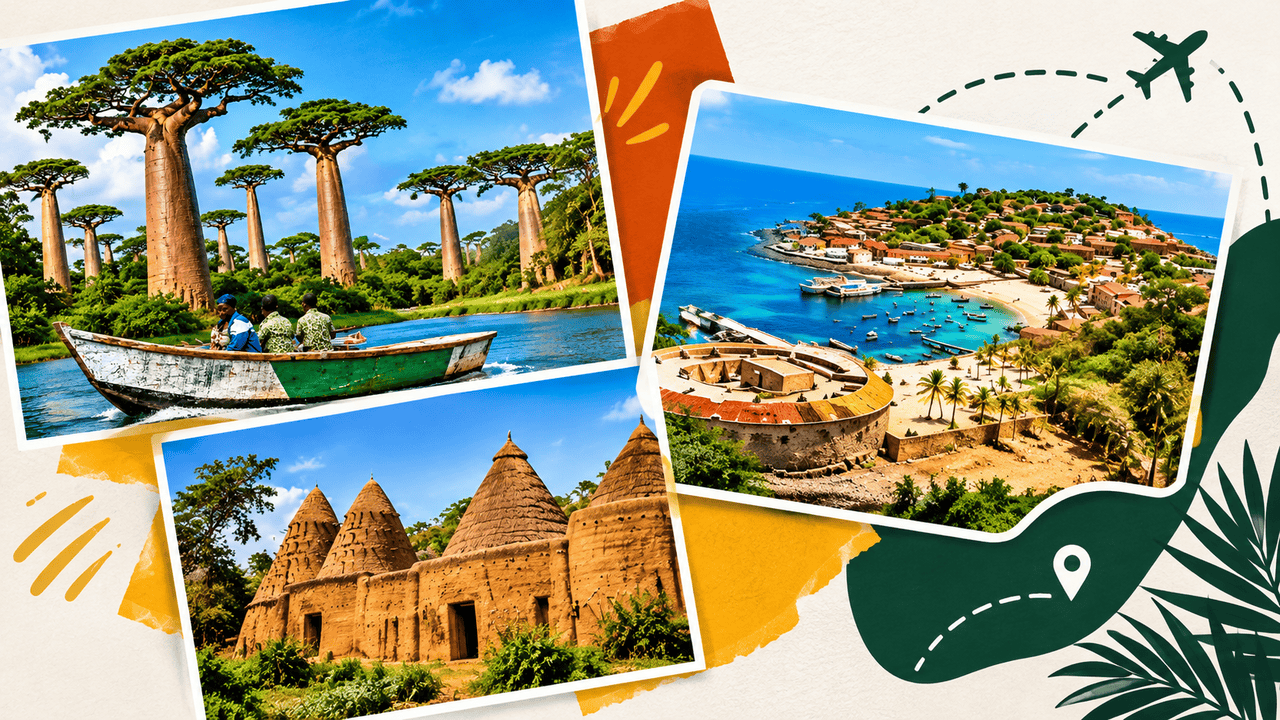
Plenty of African destinations are worth a trip, but some offer experiences you won't find anywhere else.
These seven countries have French as an official language, a legacy of colonial history that still shapes their food, architecture and everyday life.
You don't need to speak French to visit, but a few basic phrases will help in most of them, especially outside tourist areas.
Before you plan anything, you might want to check travel advisories, visa rules for your passport and language note.
1. BENIN
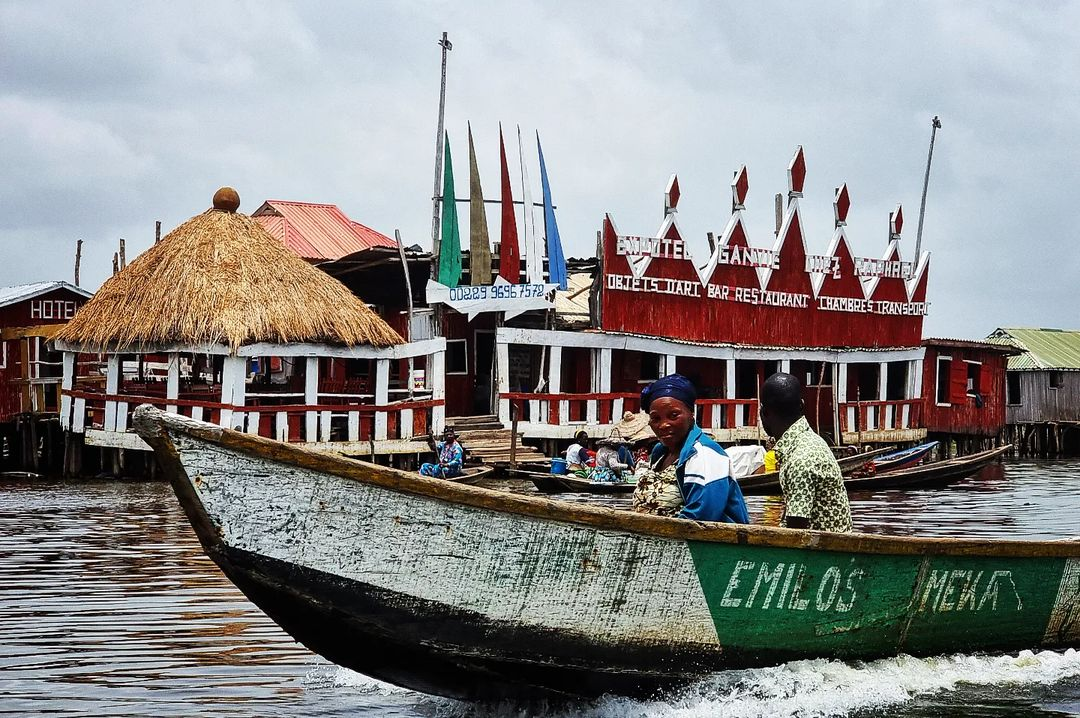
Ganvié was built by the Tofinu people, who moved onto the water to escape slave raiders. It worked, because the raiders wouldn’t cross it, and the village has stayed there for centuries.
Take a boat from Cotonou, drift past the floating market and see how a community organises itself around water.
Then go to Ouidah, because the trip shouldn’t be only about charm. Ouidah’s Route of the Enslaved ends at the Door of No Return, a memorial facing the Atlantic.
Give it time. You won’t want to rush it.
2. TOGO
Togo is small, but it rewards slower travel.
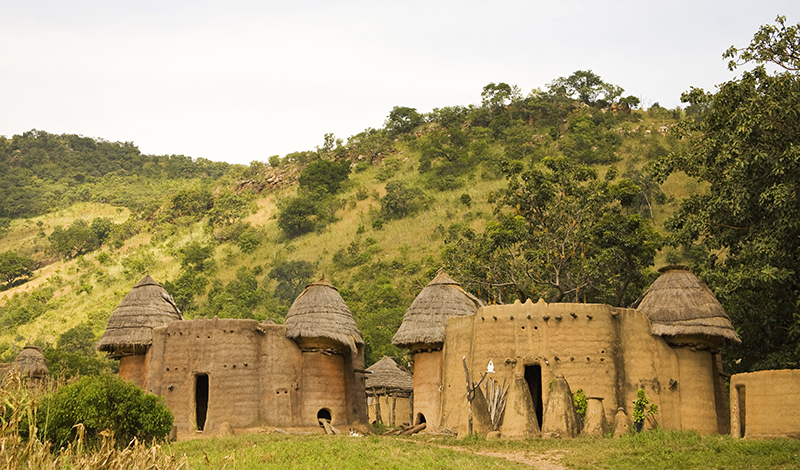
In the north is Koutammakou, a UNESCO-listed cultural landscape and home to the Batammariba people.
They are known for their mud tower houses, called takienta, which have different levels for family living, food storage and other household activities. The architecture reflects the community's traditions and their relationship with the land.
For something greener, head to Kpalimé in the Plateaux Region. The town is surrounded by hills, coffee and cocoa farms and waterfalls, including Womé and Kpimé.
3. CÔTE D'IVOIRE
Not every trip needs to change your life. Sometimes you want a beach.\
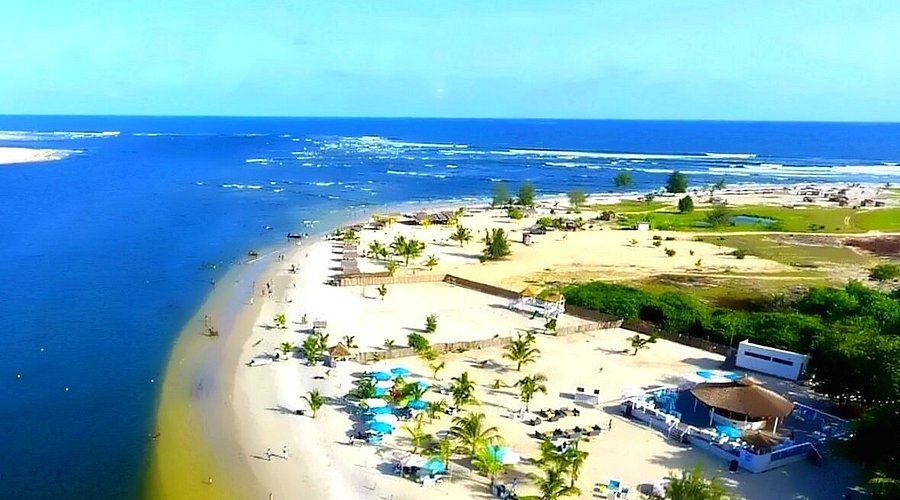
Assinie sits between the Atlantic and the Aby Lagoon, so you can swim in the ocean in the morning and take a calm boat ride on the lagoon in the afternoon.

Grand-Bassam, the old colonial capital and now a UNESCO site, is worth a detour for its faded colonial buildings and local markets.
It’s the best choice on this list if you want rest more than adventure.
4. SENEGAL
Just off the coast of Dakar, Gorée Island has narrow streets, historic buildings and museums that preserve its past. The House of Slaves is its best-known site.
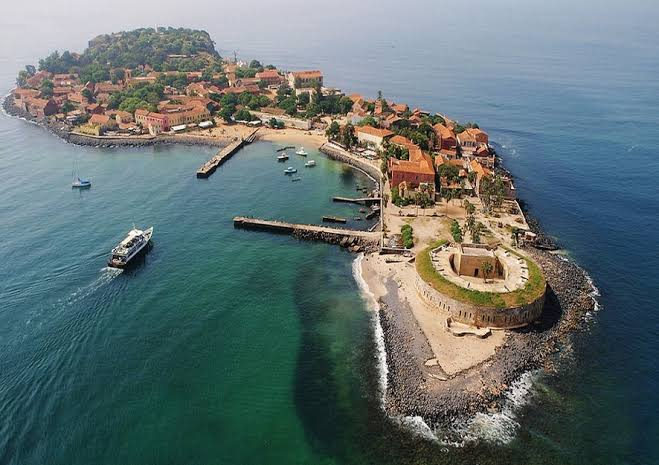
Historians debate how large a role it played in the trade, so it is best approached as a place for reflection rather than a settled historical record.
For contrast, the Saloum Delta offers mangroves, waterways and small islands to explore by boat. Saint-Louis, on an island between two arms of the Senegal River, is known for its colonial-era architecture.
5. CAMEROON
Cameroon packs mountains, rainforest, beaches and wildlife into one country, and it shares a border with Nigeria.
Mount Cameroon, an active volcano in the southwest, is the highest mountain in West and Central Africa. The climb is demanding, with volcanic terrain, changing vegetation and coastal views.
In Kribi, the Lobé Waterfalls pour fresh water directly into the Atlantic, an unusual sight, since most waterfalls end in rivers or lakes.
You can view them from the shore or take a local boat trip. Limbe is another coastal option, with beaches, a botanical garden and nearby wildlife.
6. RWANDA
Gorilla trekking is expensive, regulated and worth it.

In Volcanoes National Park you walk through forest with guides and trackers until you find a gorilla family.
Then you get a limited time with them, and that’s the point: it’s short, and you remember it. Permits are costly and sell out, so plan well ahead.
Rwanda uses English widely, so language is no obstacle.
7. MADAGASCAR
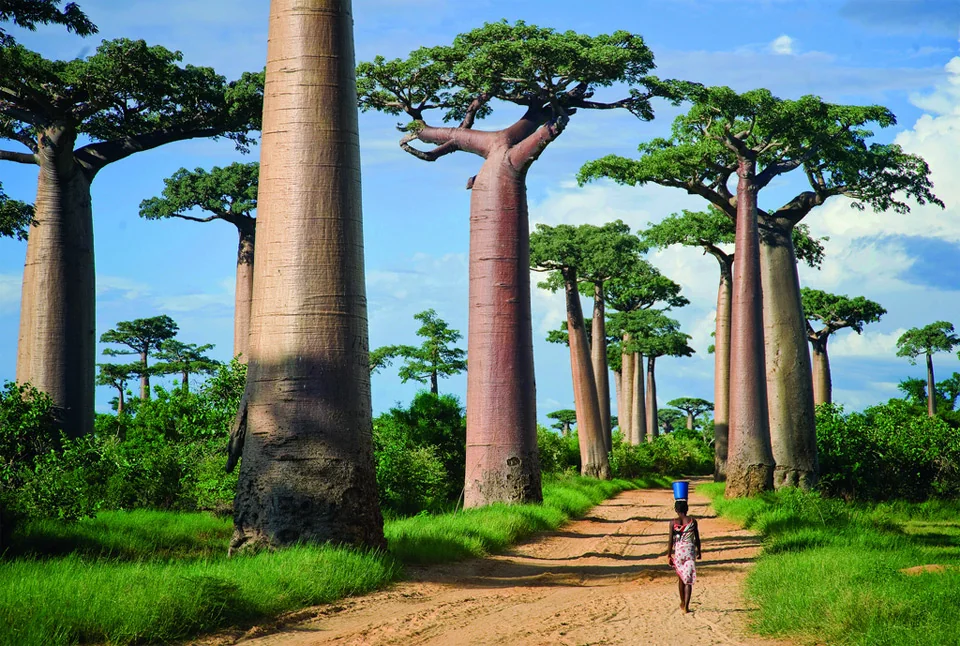
The Avenue of the Baobabs, near Morondava, is exactly what it sounds like: enormous, ancient baobab trees along a dirt road. Go at sunset.
Elsewhere on the island you’ll find Tsingy de Bemaraha, a maze of limestone spikes, and lemurs, which live almost nowhere else on Earth.
If you can only pick two
I'd pick Benin for its history and the unusual experience of visiting Ganvié, then Rwanda for the chance to see mountain gorillas in the wild. Benin is a more accessible option for travellers coming from Nigeria, while Rwanda is worth saving up for if gorilla trekking is high on your travel list.