5 Signs Nigeria Is Thriving (The Evidence Is There If You Squint)
A sharp satirical take on Nigeria’s economy, governance, and daily realities, highlighting five “signs” of progress that reveal deeper systemic struggles beneath the surface.

This article is satirical. Nigeria's situation, unfortunately, is not.
Every year, without fail, someone, usually a minister, occasionally a presidential spokesperson or even an economic adviser on live television, looks directly into the camera and tells Nigerians that the country has had the best economic growth that we have seen in years.
The people listening have usually just spent 24 hours without electricity, paid over a thousand naira for a litre of petrol, spent hours pondering on how to survive on the less than quarter of their salary that is left, and probably received an alert that their account balance now qualifies as a FM station number.
Yet, the evidence of Nigeria's thriving is all around us. You simply have to want to see it; vision test recommended if you can’t. Here are five signs.
1. The Grid Has Not Technically Collapsed
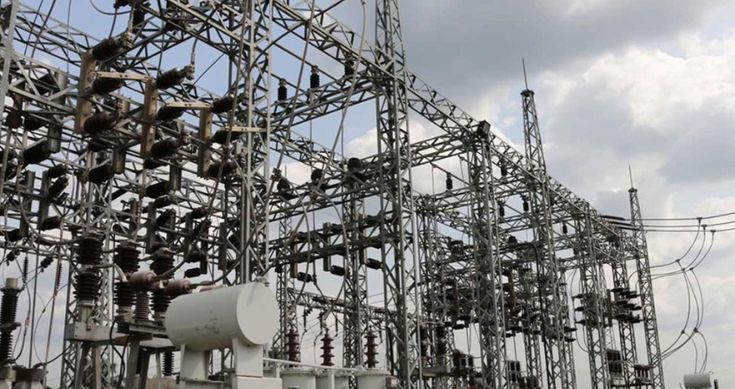
Let the record show that Nigeria's national grid has not fully collapsed in 2026. At least, we have not gotten any announcement since the beginning of the year.
However, it has gone dark in ways that plunged millions of Nigerians into weeks of blackouts so severe that some communities spend a full week and even more and not getting the popular NEPA alert. Collapsed officially? No.
This is, if you are a glass-half-full person, excellent news. The grid exists. It is somewhere out there, doing its best, probably tired.
The Transmission Company of Nigeria has released statements. The Minister of Power, now resigned, has apologised, with an ultimatum for things to get better which he won’t be on the seat to enforce.
Nigerians, for their part, have continued to run generators, buy inverters, and charge their phones at neighbour's houses like it is 2009.
Progress, ultimately, is a spectrum. We are on it.
2. The Bandits Are Getting Therapy
Earlier this year, after bandits killed hundreds of Nigerians across the north — in raids, in attacks, in acts of violence that would have led to international crises in most functioning countries, the government announced its solution: rehabilitation.

Not prosecution or justice for the dead — rehabilitation.
The bandits, the thinking goes, have simply made some poor choices and could benefit from structured reintegration into society. The families of the people they killed have not been offered a similar programme, but details are still being worked out.
Social Insight
Navigate the Rhythms of African Communities
Bold Conversations. Real Impact. True Narratives.
What matters is that dialogue is happening, somewhere, between someone and the people who did the killing. This is called peace-building, and Nigeria is doing it, and you should be grateful because some countries do not even try.
3. Nigeria Has Introduced New Taxes, Which Means the Economy Is Expanding
In a landmark development that signals a maturing, confident fiscal state, the Nigerian Tax Reforms Act 2025 came into full effect this year, introducing new compliance requirements for citizens who have, until now, enjoyed the relative freedom of paying taxes and receiving nothing in return.

The government has now formalised this arrangement.
Critics have raised concerns — namely that Nigerians are being asked to contribute more to a system that has not demonstrated it can manage what it already collects.
These critics are missing the point. Taxation is a sign of economic ambition. The government has a target of a $1 trillion economy. The maths requires revenue.

That 62 percent of the population will be living in poverty this year, per PwC, is a separate conversation that the relevant committees are looking into.
The new tax laws are, we are told, an investment in Nigeria's future. The present is, admittedly, not great, but the future is very promising, and it would be a shame to arrive there unprepared.
4. Nigerians Are Leaving, Which Proves We Produce Excellence
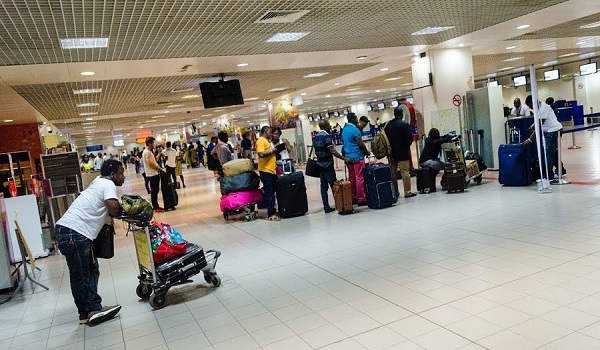
The japa rate has always been high and might even skyrocket, and if you reframe this correctly, it is Nigeria's most compelling achievement.
Every Nigerian who leaves — every doctor, engineer, nurse, software developer, and recent graduate who boards a flight to the UK, Canada, or the UAE — is proof of the extraordinary human capital this country has been quietly manufacturing for decades.
That this capital is immediately deployed in the service of other countries is simply a global distribution model. Nigeria produces, the world benefits.
It is a form of export, really, and Nigeria has always been good at exports. We are thriving internationally. The thriving is just not located here.
5. We Are Still Having the Conversation
Nigeria has not run out of people who are angry, people who write, protest, organize, document, and refuse to normalize.
People who make memes about the darkness because crying takes too much energy or just sit on X at 2am — because there is light at 2am, inexplicably — and argue about what the country could be.
That conversation is still happening. It is loud and it is tired and it has been going on for longer than it should have to.
However, it is evidence, at least, that people have not decided to stop caring. And in a country that gives its citizens many reasons to stop caring, that is, genuinely, not nothing.
Social Insight
Navigate the Rhythms of African Communities
Bold Conversations. Real Impact. True Narratives.
Nigeria is thriving. The evidence is there. It just depends on how much of reality you are willing to edit out to see it.