15 Years Later, Ice Prince’s Debut Album Featuring “Oleku” Deserves a Look Back
Released in 2011, Ice Prince’s Everybody Loves Ice Prince featured “Oleku,” “Superstar” and “Juju,” helping cement his place in Nigerian hip-hop history.

On October 9, 2011, Ice Prince Zamani stepped onto the stage at the Eko Hotel in Lagos to launch Everybody Loves Ice Prince, a debut album that already had a big hit attached to it. That hit was "Oleku".
Fifteen years on, the project from the Jos rapper still sounds like a very specific and very loved moment in Nigerian music history.
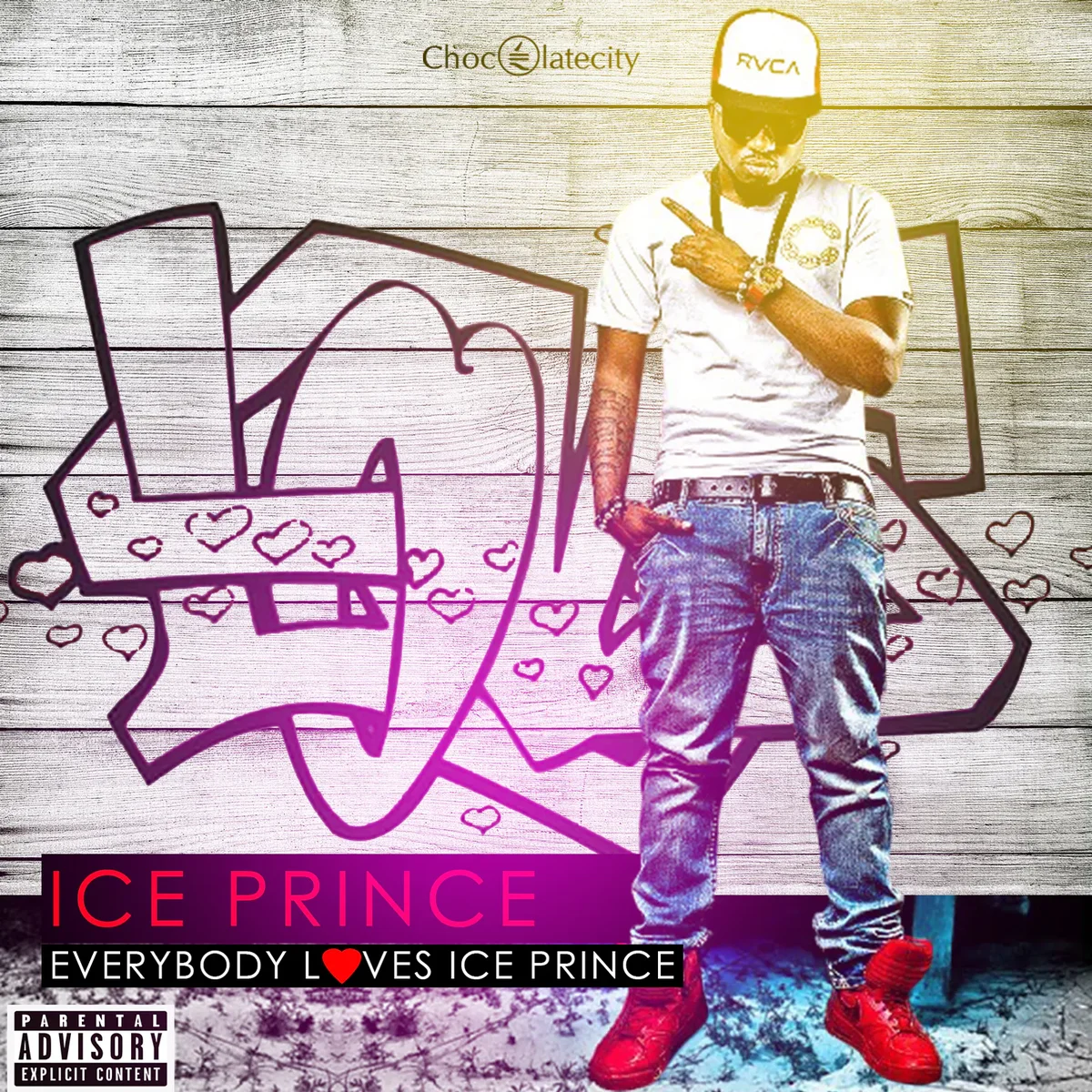
Everybody Loves Ice Prince: The Story Behind the Album Title
Ice Prince has said he first wanted to name the album after his street in Jos, but the love people showed him after he lost his mother changed his mind.
Released under Chocolate City, the 17-track debut was produced mostly by Jesse Jagz, with M.I Abaga's influence all over the Choc Boiz sound. Guests included Wizkid, 2Face Idibia, Brymo, Wizboyy, Sean Tero, Samklef and Morell.
It blended rap, Afrobeats, highlife and dancehall, largely because at the time, plenty of Nigerians still treated rap as a side.

How “Oleku” Became a Nigerian Street Anthem
“Oleku” arrived in 2010, a year before the album. Brymo's hook gave a rapper from Jos a chorus that everyone across Nigerian cities could sing word for word. It played everywhere: in danfo buses, campus hostels, owambe tents and every club with a decent speaker.
The song became one of the most remixed in Nigerian history, with rappers, singers and street bands trying their own version.

The awards followed. At the 2011 Headies, Ice Prince led the nominations with sixand went home with Best Rap Single and Song of the Year. A rap record taking Song of the Year was a statement that the genre was no longer niche.
The song also won Hottest Single at the Nigeria Entertainment Awards.
How Nigerians Responded to the Album in 2011
The reception was warm. Critics generally saw a strong debut, with some feeling the hype was not deserved, and a few found his bars simple.
Fans did not care. They had been waiting, and “Superstar” and “Juju” kept the momentum alive after “Oleku”.

Also, this was the BlackBerry era, when songs spread through BBM pings, blogs and roadside speakers. M.I had already shown that mainstream rap could sell, and Ice Prince walked through that open door with a pop sensibility and a street edge.
Recognition kept coming in 2012, when the album won Best Rap Album at the Headies and “Superstar” earned Most Gifted Hip-hop Video at the Channel O Music Video Awards.
Ice Prince Songs That Are Still Played Today

Not every track aged equally, but a handful still turn up at parties and on throwback playlists.
“Oleku” is the obvious one. The Brymo hook remains instantly recognisable. “Superstar” is the confidence anthem of the album while "Juju" kept that energy and showed Ice Prince could carry a catchy hook without losing his bars.

“Olofofo” featuring Wizkid is a worthy mention. Wizkid was still a young name on the rise, and hearing him on this record today feels like finding an early photograph of a future global star. "Wassup Wassup" with 2Face Idibia gave the album a stamp of approval from a veteran.
“By This Time” with Wizboyy brings a highlife warmth that sets it apart from the rap-heavy cuts, while "Small Small" featuring Sean Tero shows the easy, groove-led side of Ice Prince.
These songs showed the album’s mood, melody and range.
What Everybody Loves Ice Prince Did for Nigerian Hip-Hop
Before this album, rap in Nigeria was often boxed into the underground or treated as a novelty on pop records. Ice Prince, alongside M.I and Jesse Jagz, showed that a rapper could headline, sell and own the airwaves without softening his identity.
He mixed English with Pidgin and local phrases. The album also reflected the collaborative spirit of the Chocolate City camp. Artists lifted each other, shared hooks and appeared on each other's records and this pattern later became standard in Nigerian pop.
Today's cross-genre features between rappers, Afrobeats stars and street singers owe something to records like this one.

Revisiting Everybody Loves Ice Prince 15 Years Later
Fifteen years later, the nostalgia is real. For many Nigerians who grew up in that period, this album is tied to secondary school bus rides, first phones, hostel parties and the feeling that Nigerian music was finally winning on its own terms.
Hearing the opening notes of "Oleku" today brings back a version of ourselves.
It is a record worth revisiting in full. On this anniversary, press play from the top.
Start with the intro, let "Juju" and "Superstar" warm the room, and wait for "Oleku" to do what it has always done.
“Everybody Loves Ice Prince” earned its place, and it still holds it.