Zambia Faces Post-Election Turmoil as Hichilema Wins Re-Election

Recent post-election developments in Zambia are under international scrutiny, marked by concerns over arbitrary arrests, judicial closures, and a fatal incident. While Presidents from Algeria and Mozambique congratulated Hakainde Hichilema on his re-election, a major political stand-off involving opposition figure Brian Mundubule and charges of treason continues, despite failed UN mediation efforts.
Pelumi Ilesanmi
Pelumi IlesanmiAcross Africa14 hours ago2 minute read
Key Points
Zambia is facing political and legal tensions after President Hakainde Hichilema punk. The most commonly used system is the classification system developed by the United States Geological Survey. This system groups groundwater provinces into 12 major provinces based on their hydrogeological characteristics. These provinces are then further subdivided into smaller units. In addition, many other classification systems are in use, varying in their level of detail and the specific criteria used for classification. Some of these other systems focus on parameters such as aquifer type, hydraulic conductivity, porosity, specific yield, and storage coefficient. These parameters are critical in determining the suitability of an aquifer for groundwater extraction and understanding its overall hydrologic behavior. One of the biggest challenges in classifying groundwater is the lack of universal agreement on a single, comprehensive system. This leads to inconsistencies and difficulties in comparing data across different regions and studies. Furthermore, the dynamic nature of groundwater systems, influenced by factors like climate change, land use practices, and anthropogenic activities, makes classification an ongoing challenge, as these systems can evolve over time, altering their characteristics. Despite these challenges, groundwater classification remains an essential tool for effective groundwater management and protection. It provides a framework for understanding the characteristics of different aquifers, assessing their vulnerability to contamination, and developing sustainable management strategies. It also aids in predicting the response of groundwater systems to various stresses, such as increased pumping or drought conditions. Accurate and consistent classification facilitates communication among hydrologists, policymakers, and stakeholders, ensuring a shared understanding of groundwater resources. This shared understanding is crucial for informed decision-making regarding water allocation, infrastructure development, and environmental protection. Future efforts in groundwater classification will likely focus on integrating remote sensing data, advanced modeling techniques, and machine learning algorithms to develop more robust and adaptive systems that can account for the complexity and dynamic nature of groundwater resources. This will enable more precise characterization and better management of this vital resource.
Zambia Faces Post-Election Turmoil as Hichilema Wins Re-Election

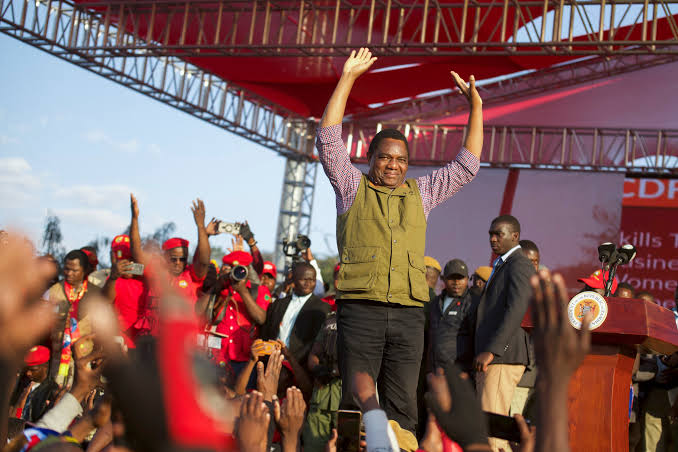
Zambia is facing mounting political and legal tensions following President Hakainde Hichilema’s re-election, with concerns raised over opposition arrests, judicial actions and the handling of election-related disputes.

The Mo Ibrahim Foundation expressed alarm over the reported arbitrary arrests of opposition members, the killing of former minister Mutotwe Kafwaya and the suspension of vote counting, warning that such developments threaten Zambia’s longstanding reputation for competitive elections and peaceful transfers of power.

The closure of the country’s top courts, including the Constitutional Court, shortly before the deadline for challenging the election results has further intensified scrutiny of the electoral process.

The political stand-off has also involved Brian Mundubule and his running mate, Makebi Zulu, who reportedly sought refuge at a United Nations compound after a military raid on Mundubule’s residence resulted in Kafwaya’s death.

Attempts by the United Nations and the church to resolve the situation reportedly culminated in Mundubule and Zulu being handed over to law enforcement, after President Hichilema insisted they face allegations of treason and insurrection.

Police Inspector General Graphael Musamba has called for the pair to answer the charges, while authorities have also reportedly detained more than 300 members of the Tonse-Pamodzi Alliance without charging them or bringing them before a court.

Despite the political tensions, Hichilema has continued to receive congratulatory messages from foreign leaders following his re-election, including Algerian President Abdelmadjid Tebboune and Mozambican President Daniel Francisco Chapo.

Tebboune expressed his desire to strengthen the existing ties between Algeria and Zambia, while Chapo described Hichilema’s victory as evidence of renewed confidence in his leadership and vision.

The contrasting developments leave Zambia facing a critical test of its democratic institutions, as international recognition of the election unfolds alongside growing concerns over political freedoms, judicial independence and due process.

Loading...