Why Some Homes Raise Readers Without Forcing It
Some homes raise children who naturally love reading without forcing it. It shows how everyday habits, environment, and adult behaviour quietly shape a child’s relationship with books.
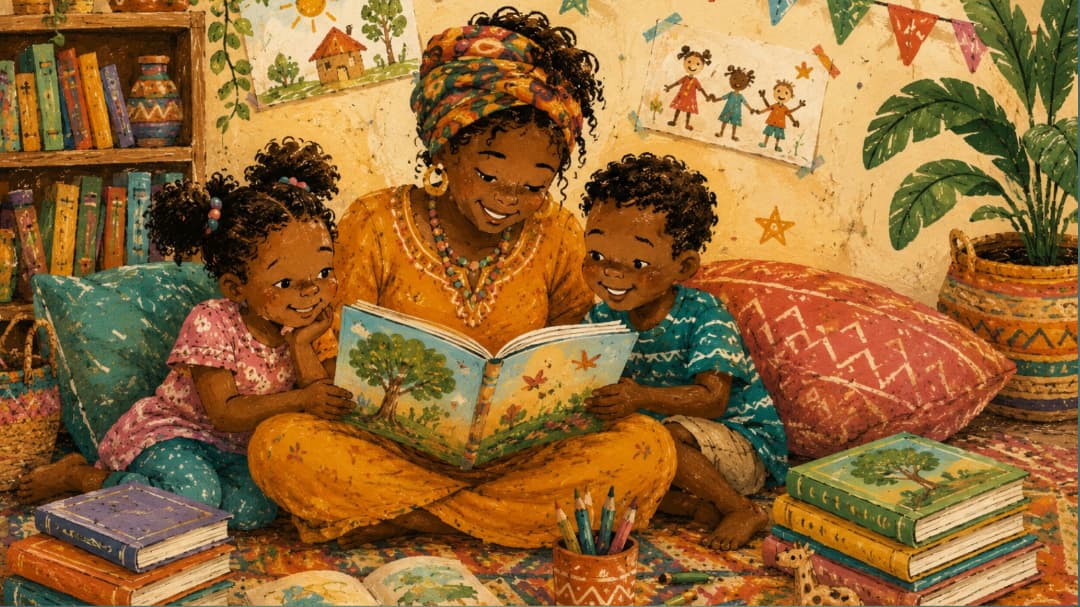
I have always admired children who genuinely love reading.
The kind of children who ask thoughtful questions, speak confidently, and seem curious about almost everything around them.
Growing up, people would often look at children like that and say, "Do they have two heads?" as if intelligence was something mysterious.
But over time, one thing becomes obvious: many children who enjoy reading were not magically born that way. A lot of them simply grew up in homes where learning was treated as part of everyday life.
Some children grow up hearing conversations about ideas, stories, history, or current events at the dinner table. Others only hear about books when exams are approaching.
That difference quietly shapes how a child eventually sees reading.
Children Respond to What Feels Familiar
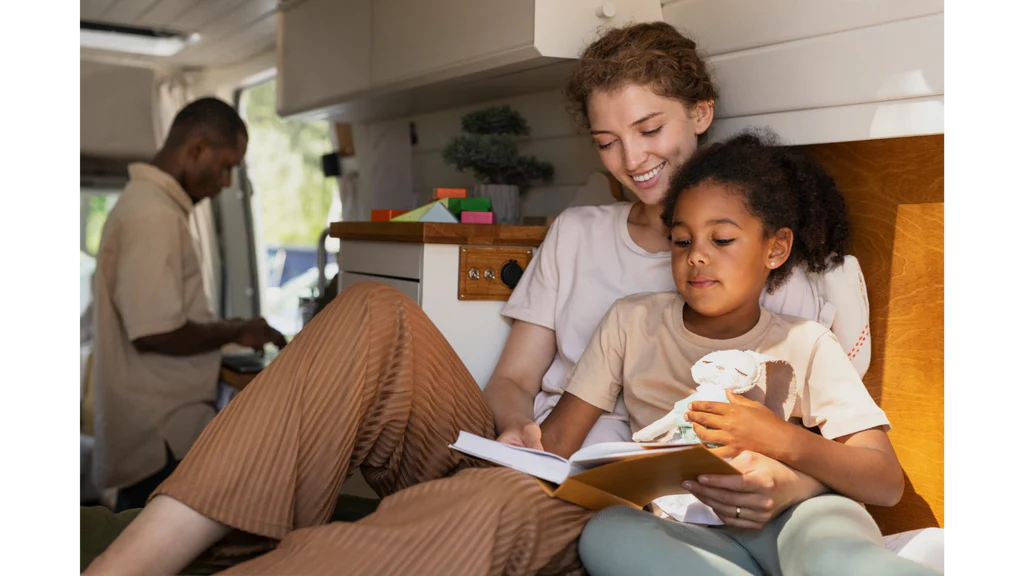
Parents often focus heavily on telling children to read without noticing the atmosphere surrounding that instruction.
A child notices when everybody in the house spends hours on phones but nobody ever sits quietly with a book, newspaper, or article. They also notice when learning is treated as something valuable beyond school grades.
This does not mean parents must create a perfect academic environment. In fact, children often resist homes that feel overly strict or performance-driven. What usually works better is consistency in small things.
A child who regularly sees reading happening around them may begin to treat it as a natural activity instead of punishment. When parents act as reading role models and treat written language as part of daily life, children develop stronger reading habits and motivation over time.
Books Do Not Need to Be Expensive to Matter
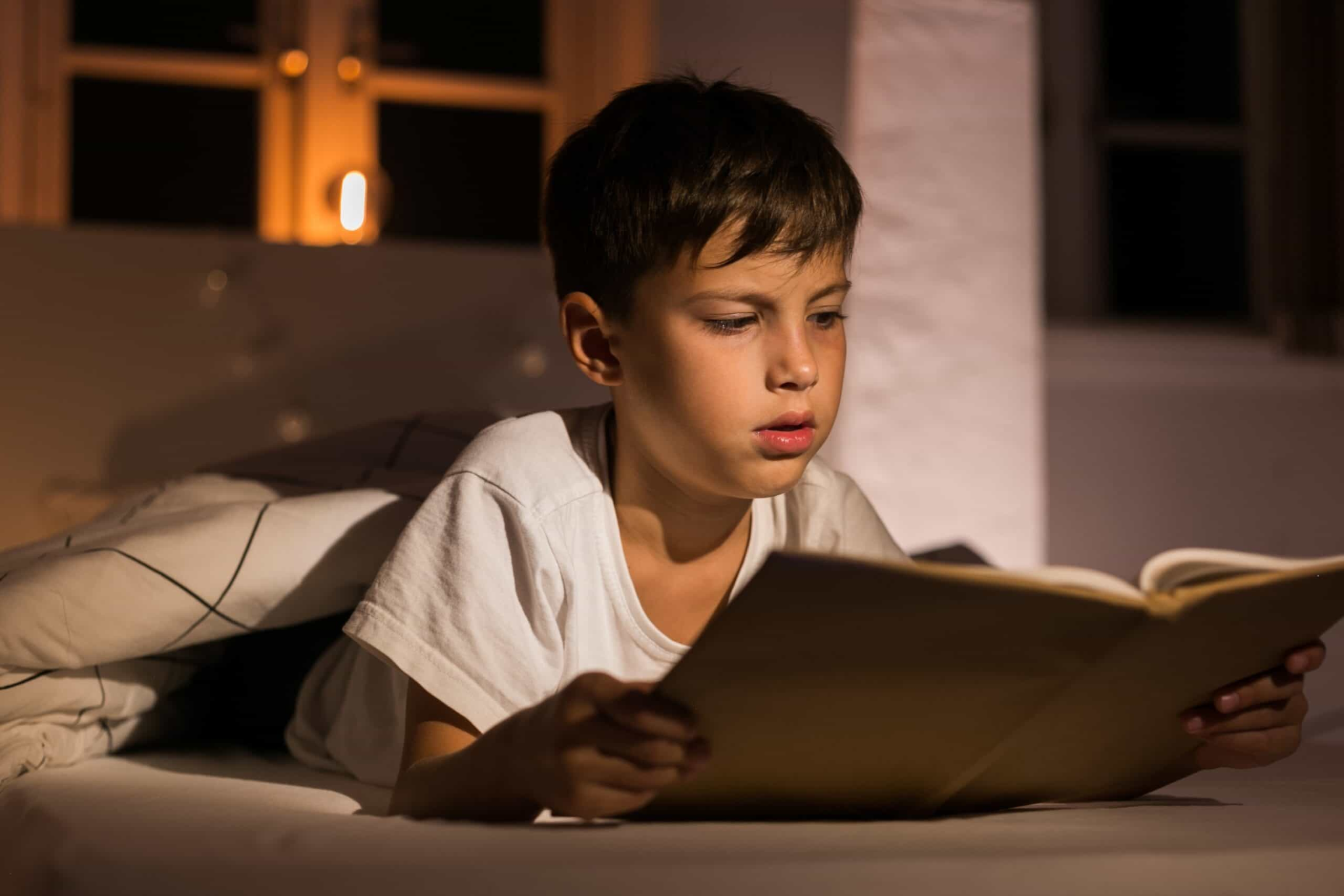
Many parents assume raising a child who reads well requires large bookshelves, expensive schools, or complicated setups. That is not always true.
Sometimes access matters more than appearance.
A few interesting books within reach can already make a difference. Storybooks, comics, magazines, biographies, African folktales, or even children's encyclopedias can quietly pull a child's attention toward reading.
Children are more likely to pick up what they see often.
And not every child will enjoy the same kind of material. Some children connect with adventure stories. Others prefer sports, science, fashion, animals, or history.
A child who dislikes one type of book may become deeply interested in another.
The important thing is not forcing sophistication too early. Interest usually comes first.
Reading Cannot Compete With Entertainment If It Always Feels Like Work


One mistake many adults make is turning reading into a constant obligation.
Everything becomes about correction, tests, extra lessons, or pressure to "face your books." After a while, some children stop seeing reading as enjoyable and begin associating it with stress.
Meanwhile, phones, games, and social media offer instant entertainment with almost no effort.
Prolonged exposure to fast-paced digital content may condition the brain to seek constant stimulation, making it harder for children to sustain attention on slower-paced activities like reading. Naturally, many children drift toward what feels easier and more exciting.
This is why forcing reading aggressively does not always work long term.
Children are more likely to build lasting interest when they are allowed to explore topics they genuinely enjoy instead of only reading to satisfy adults.
Children Also Learn Through Conversation
Sometimes the strongest reading culture in a home has little to do with shelves or study timetables.
It comes from conversation.
Children become more curious when adults answer questions patiently, discuss ideas openly, recommend stories, or show excitement about learning something new. Those moments slowly teach children that knowledge is not only for classrooms.
In fact,research from PubMed found that adult-child conversations are among the strongest predictors of healthy language development, even more impactful than simply reading to a child without engaging them in two-sided discussion.
A child who grows up around meaningful conversations often becomes more comfortable expressing thoughts, asking questions, and exploring information independently.
That confidence usually shows up far beyond academics.
The Goal Is Not Perfection
Many parents worry they are not doing enough. But raising a child who enjoys reading is rarely about creating a flawless home environment.
Small habits matter more than grand gestures.