What the African Morning Routine Says About Identity and Survival
From dawn chores to early hustle and communal prayers, African mornings reveal more than routine—they unveil a powerful narrative of identity, resilience, and survival. Explore the deeper meaning behind the continent's daily rhythm.
.jpeg)
In many parts of the world, the morning is a sacred, slow ritual: yoga, black coffee, journaling under soft lighting. But in Africa, the morning is often an entirely different theatre: sharp, rushed, alive. It is the hour where survival begins. Before the sun warms the roofs, millions are already in motion, performing routines not just rooted in culture but in necessity. These habits, though sometimes burdensome, reveal a deeper truth about the continent: identity forged through labour, faith, and resilience.
Waking Before the World: Discipline Born of Necessity
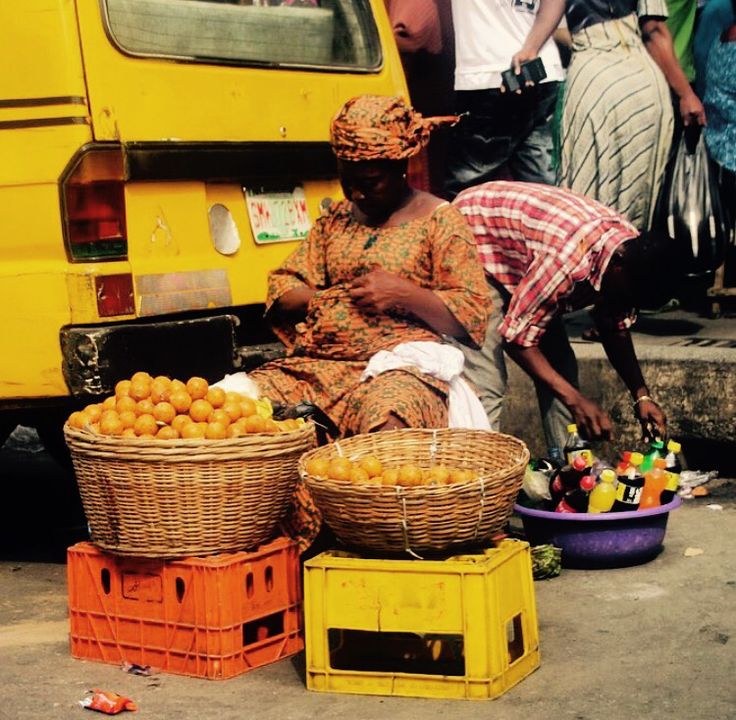
Image Credit: Pinterest
Long before the roosters crow, the streets of Lagos, Nairobi, and Accra are already stirring. From mothers lighting charcoal stoves to children getting dressed under the flickering light of a lantern, the African morning begins in darkness. This isn’t romanticised productivity: it’s often a result of poor infrastructure, traffic congestion, or limited resources.
Even though we live in a society with many technological advancements and improvement in infrastructure, there are still many places that are yet to witness this change.
Villages which still use lanterns for their everyday navigation because of lack of electricity. Children who still journey miles to get water everyday.
Early rising is a form of protection—against lateness, against hunger, against falling behind. It reflects a society where time is currency and delay can mean missing a ride, a meal, or a market opportunity. For many, it is in the morning hours that determination is most raw.
Chores as a Language of Responsibility
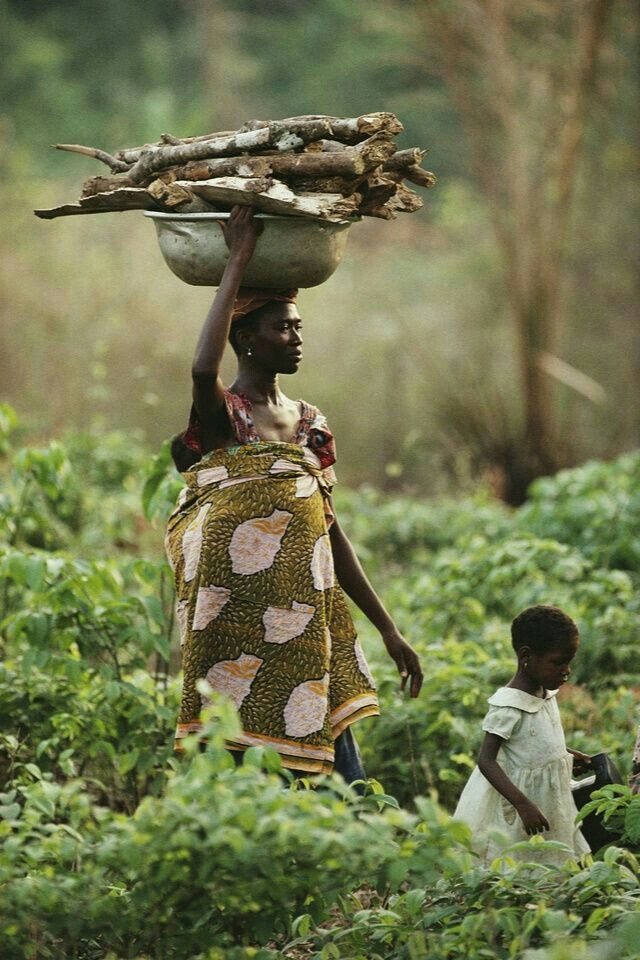
Image Credit: Pinterest
In African households, children are raised to understand responsibility not by speech, but by routine. Morning chores—sweeping compounds, fetching water, washing plates—are not optional. They are embedded in the rhythm of life
One moment you're dreaming, the next moment you're awakened by a voice reminding you that you have a routine to meet up to. Your sleep, disturbed. Your peace…something else.
These duties teach structure, respect, and communal living. They also reflect how African identity often prioritises duty over desire. To sweep the yard is not just cleaning: it is a morning meditation, a signal that the home is ready to face the world.
Social Insight
Navigate the Rhythms of African Communities
Bold Conversations. Real Impact. True Narratives.
But this helps us later in the future.
Hustle Before Sunrise: The Quiet Economy
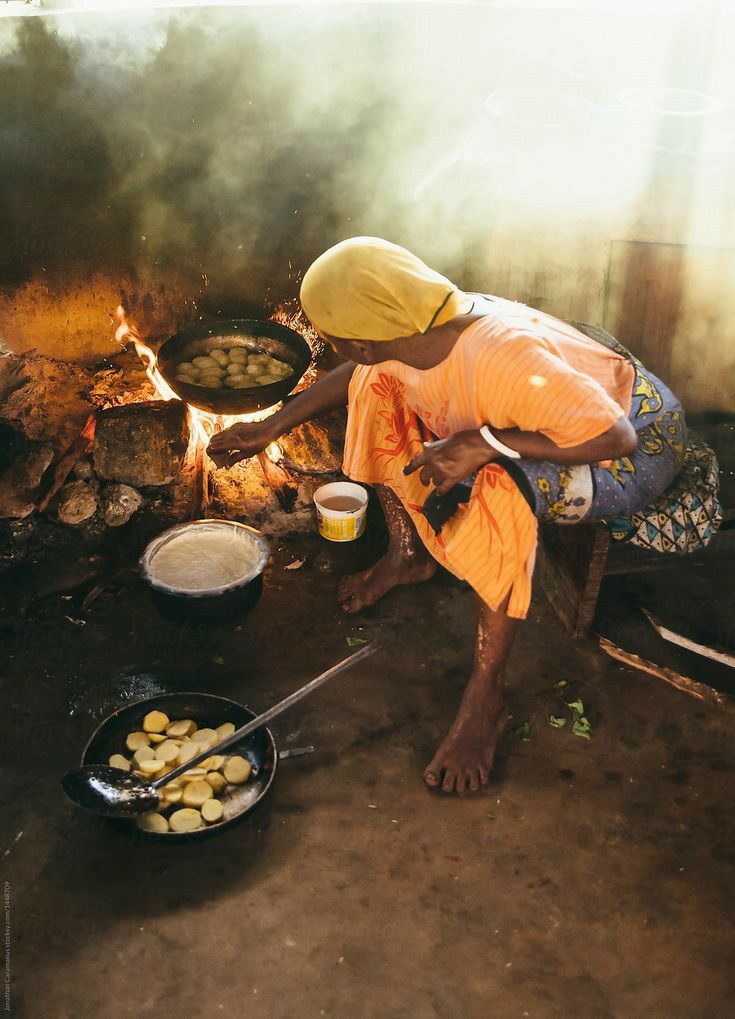
Image Credit: Pinterest
Step outside and you’ll find the uncelebrated army: akara sellers heating oil by 5:00 a.m., newspaper vendors pushing worn-out carts, keke drivers already circling terminals. Mornings in Africa pulse with informal commerce long before official offices open.

Before it hits 6am, Iya Taofeek is out there frying her akara. You can perceive the aroma, a mile away as you juggle down the street. She sees you and even before you tell her what you want, she already packaged it.
Because she already knows what you want: 3 akara with a freshly baked bread from the nearby bakery, and your day is all fired up and ready to go.
This pre-dawn hustle is how many survive. It's the unseen labour that feeds families and builds dreams. For many youths and parents alike, the earliest hours are the most critical: that one roadside sale, that first trip of passengers, that bucket of fruit sold before school hours begins the day’s accounting.
The African morning is not slow. It’s strategic.
Faith and Devotion: Morning Prayers as Anchors
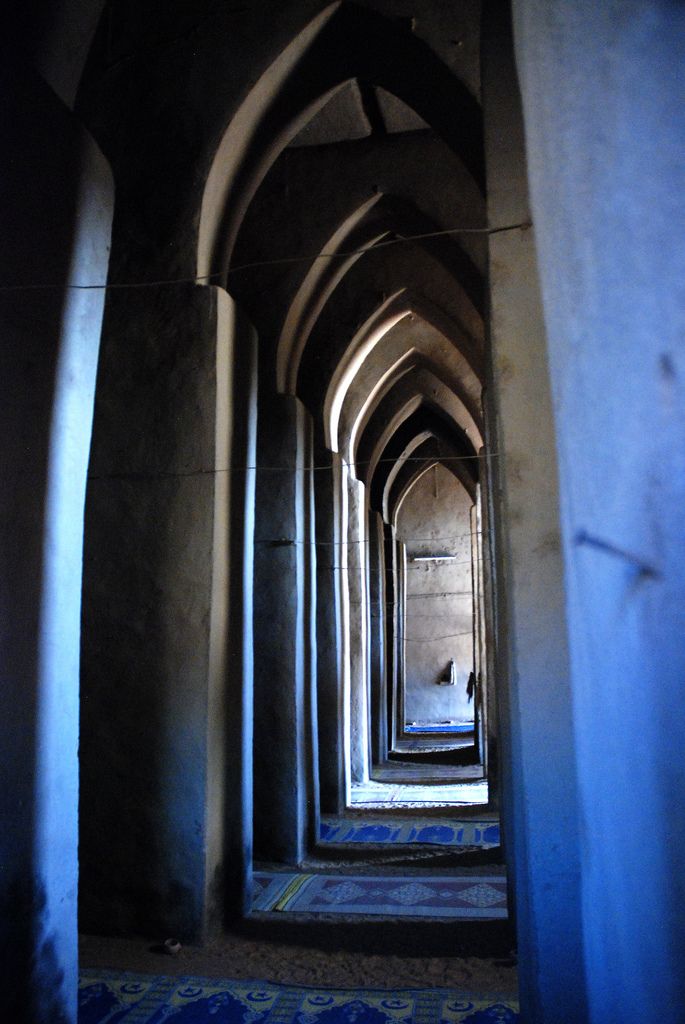
Image Credit: Pinterest
The call to prayer echoing across a Muslim household, the soft chorus of a family’s devotion in a Christian home, the burning incense of a traditional rite—faith is as alive as breath in African mornings.
If you're not woken by the voice of your parents to get things done, you'll surely be woken by the voice of the mosque down the street. The call to prayer not only disturbs your sleep, but it has served as a natural alarm for your day.
The day you don't hear it, you risk the day of being late to catch that early bus, iya taofeek hot akara, or the first place on the line of the community borehole.
Social Insight
Navigate the Rhythms of African Communities
Bold Conversations. Real Impact. True Narratives.
To some, it's a disturbance. To many it's also a life saver, time keeper, and a reminder to say “God is good.”
For many, spiritual alignment begins at dawn. Whether kneeling in silence or singing aloud, morning rituals bind the physical to the metaphysical. It is through this structure of belief that many ground themselves against the turbulence of life. In the face of poverty, chaos, and uncertainty, these early hours of devotion offer clarity.
The Soundtrack of the Morning
No African morning is truly quiet. Even if the street is still, sound travels—through walls, through radios, through loudspeakers. Yoruba gospel music might rise from one corner, while a Hausa preacher’s megaphone sermon filters through another.
Your landlady or landlord blasting their regular radio stations as they sit at the veranda of the compound. Even though your room is far inside, because of the stillness of the morning, the sound travels far and wide. Piercing through walls to get to your ear.
Sound is more than ambience: it is history, it is survival, it is communication. From the rattling of generators to the chatter of schoolchildren, the African morning is an orchestra. These noises remind us of our connection to place, to language, and to each other.
What Is Missing: Mental Quiet and Slow Living

Image Credit: pinterest
In the rush to survive, there is little room for slowness. While other societies embrace mindfulness, African mornings often begin with anxiety: will there be fuel? Will the bus come? Will there be food?
You start to worry without giving yourself a break to breathe. You multitask: you're either cooking and doing the dishes; checking on the meal every 4min so it doesn't get burnt, fetching water while also hoping you'll be done in time to catch the bus… the list goes on.
This absence of mental ease reflects deeper systemic gaps—poor public planning, economic hardship, lack of support services. But it also shapes character. Africans learn adaptability not from luxury, but from urgency.
Yet this isn’t always healthy. Burnout and mental strain start with a morning that never allows pause. If anything is to evolve, it must begin with making room for rest.
What It Says About Us
The African morning reveals a continent in motion, not just physically, but ideologically. A people whose identity is shaped by collective resilience and deeply ingrained rituals. It’s a morning born of struggle, but also of strategy.
Social Insight
Navigate the Rhythms of African Communities
Bold Conversations. Real Impact. True Narratives.
To observe it is to witness the interplay of duty, devotion, and determination. It’s an archive of who we are—cleaning, cooking, praying, hustling, loving.
Conclusion
We do not wake early because we want to prove productivity. We wake early because we must. But even within this necessity, there is rhythm. There is beauty. And above all, there is survival.