The Age of Social Unplugging: Are We Rediscovering What Technology Took Away?
Young people are showing renewed interest in simpler technology, from MP3 players and flip phones to physical media and single-purpose devices. Is social minimalism a rejection of modern technology or simply a desire for less digital noise?
There was a time when buying a phone actually felt like buying a phone. You opened a box and found a handset, a charger, an earpiece, perhaps a pouch, and sometimes a few other accessories that made the device feel like a complete package. You did not have to immediately ask yourself what else you needed to buy before the phone could properly become yours.
Now, you might get a phone and a charger and be expected to consider yourself lucky. It is a small example of a much bigger change. The technology around us has become thinner, faster and more convenient, but somewhere along the way, we also lost some of the simplicity that came with older technology. And interestingly, some young people appear to be looking backwards to find it again.
This is not necessarily a rejection of technology. It may be a rejection of too much technology at once.
When Everything Had Its Own Purpose
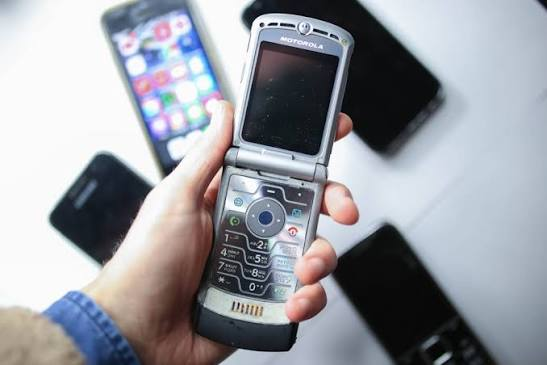
Think about the early 2000s. Your phone was a phone. Your camera was a camera. Your music player played music. Your television had several ports for different devices, and your laptop came with physical connections that allowed you to plug things directly into it.
There was something almost comforting about that separation. Listening to music was also different. You had your songs saved somewhere, maybe on a memory card, CD, or MP3 player.
You selected what you wanted to hear and listened. There were no algorithms constantly deciding what should come next, no endless recommendations and, depending on how you listened, no advertisement suddenly interrupting the song.
The modern experience is undoubtedly more convenient. Streaming services have put millions of songs into our pockets, while smartphones have combined cameras, maps, calculators, televisions, radios, notebooks and computers into one device.
But convenience has also created convergence. Everything is now connected to everything else.
Your phone can play music, but it can also notify you about work. Your television can stream movies, but it can also connect to social media. Your watch can count your steps while receiving your emails. Your laptop can be your office, entertainment centre and classroom. We gained convenience, but we have also lost boundaries.
The Strange Return to Things We Thought Were Outdated
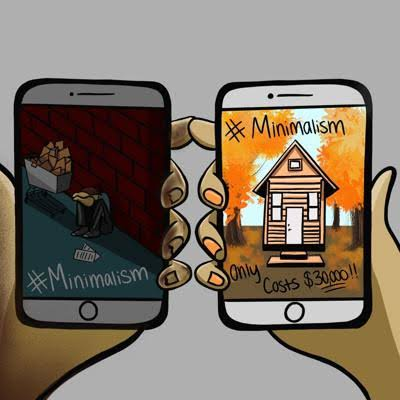
This is where the idea of social minimalism becomes interesting. Across 2025 and 2026, there has been growing interest among younger people in iPods, MP3 players, CDs, flip phones, film cameras and other single-purpose technologies.
The appeal appears to be less about believing older technology was objectively better and more about wanting a different relationship with technology.
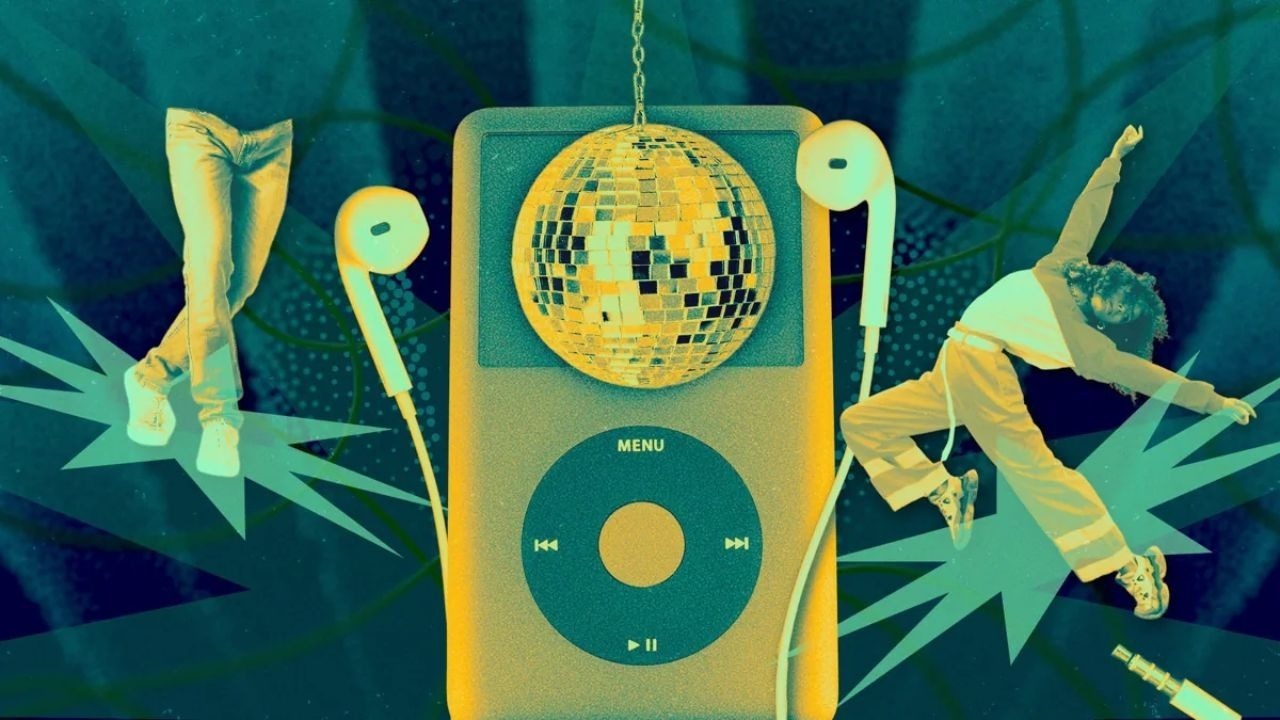
Even the iPod, discontinued by Apple in 2022, has experienced renewed interest as some younger users look for a device that does little more than play music. The attraction is obvious: fewer notifications, fewer applications and fewer opportunities to disappear into a smartphone when you only wanted to listen to a song.
There have even been experiments involving Gen Z users replacing Spotify with MP3 players. One recent experiment by The Guardian followed a Gen Z journalist who spent a week using an MP3 player instead of Spotify and found that, despite missing the convenience of streaming, the limitations encouraged more intentional listening.
This does not mean Gen Z is abandoning Spotify. In fact, Spotify says Gen Z still represents 35% of its audience and spends about two hours a day streaming.
Social Insight
Navigate the Rhythms of African Communities
Bold Conversations. Real Impact. True Narratives.
The more interesting point is that some young people are beginning to question whether having access to everything at all times is necessarily the best experience.
Maybe the desire is not for old technology, but the desire is for less noise.
We Used to Own Things. Now We Host Them
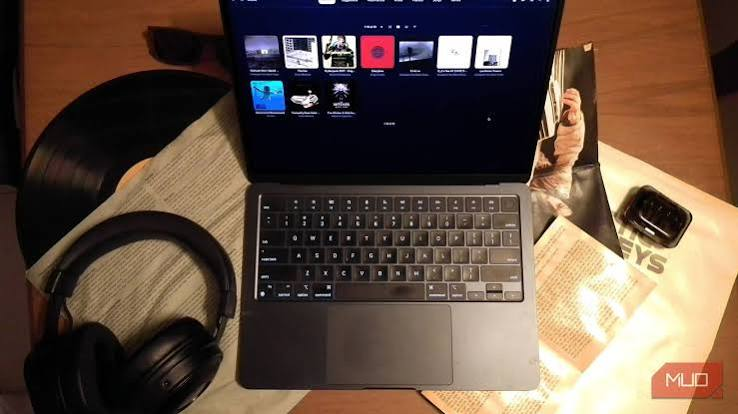
There is another layer to this conversation that goes beyond devices. We used to own things. You bought a CD and had the CD. You downloaded a song and kept the file. You bought software and installed it on your computer. You saved photographs on physical storage. You carried your documents around on a flash drive.
Now, much of our digital lives exist somewhere else. We stream music instead of owning songs. We store photographs in the cloud. We subscribe to software rather than buying it outright.
We watch movies through platforms that can remove them from their libraries. Even some of our most important documents exist primarily behind passwords and servers we do not control.

We have moved from ownership to access, and maybe that is why the return to physical and single-purpose technology feels strangely attractive.
It gives people something they can hold. The same instinct may also explain another emerging behaviour: people deliberately trying to do things without digital assistance.
Some students are beginning to deliberately write without AI, research without immediately asking a chatbot, use paper planners or simply spend time without reaching for their phones.
There is a certain irony here. Technology was supposed to make life easier, and it has. But now, some people are deliberately adding friction back into their lives because friction can sometimes make an experience feel more human.
The early 2000s were hardly perfect, and there is no reason to romanticise every outdated piece of technology. Older devices were slower, less capable and often far more frustrating.
But maybe the emerging lesson is not that we should return to the past. It is that innovation should not always mean adding another feature.
Sometimes, the better product is the one that does one thing well.
Sometimes, the best experience is listening to an entire album without touching your phone.
Sometimes, writing an essay yourself, even when an AI can produce one faster, is part of the point.
And just maybe social minimalism is not really about going backwards. It is about asking whether, in our rush to make everything connected, we accidentally made everything too connected.