We Want Cockroaches, Flies, and Mosquitoes Gone, But Can the World Survive Without Them?
We want cockroaches, flies, and mosquitoes gone—but the world may depend on them. From pollination to decomposition, these hated insects play critical roles we cannot easily replace.
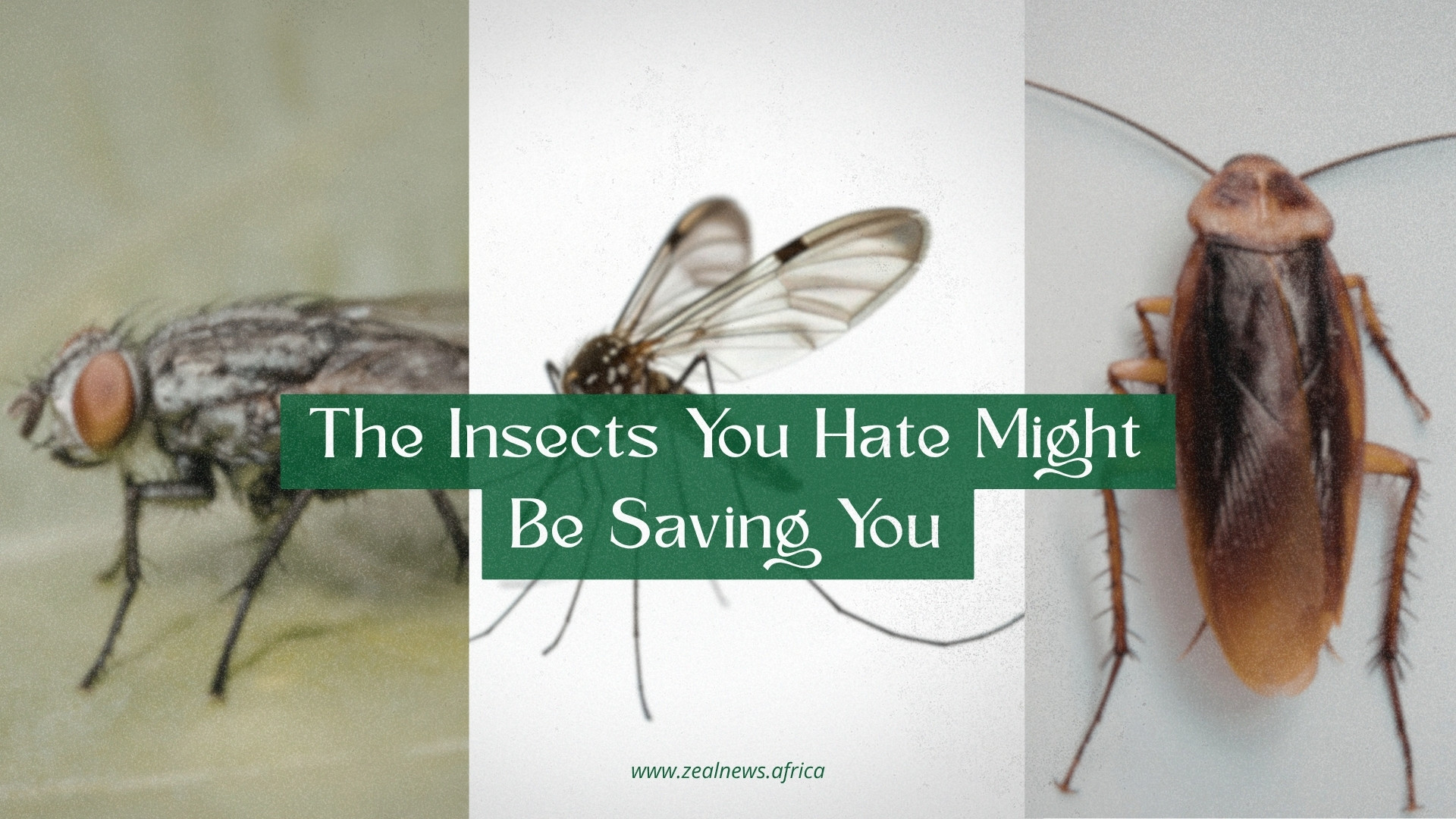
Pause. Let that question sink, like the one that pops in your head at 2am after you just fought off a flying cockroach in your bathroom. Or the one that crawls up your leg as you scratch the welt a bloated mosquito left on your ankle. Or the one that hits you as you stare at the food now on the floor, because you swatted a fly and your hand got carried away.
The honest answer is nobody really knows, and that uncertainty should probably concern us more than the insects themselves.
As much as we hate them (completely valid), cockroaches, flies and mosquitoes are not just freeloaders. They are doing things the planet actually depends on, and some of those things matter to us directly.
"There is nothing useless in nature; not even uselessness..." — Michel de Montaigne
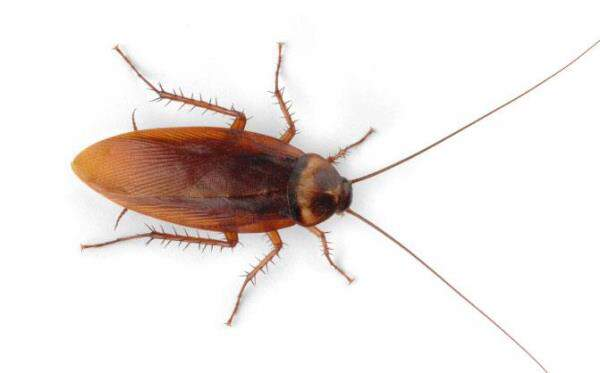
Cockroaches: Nature's Garbage Men
Cockroaches have been on earth for over 300 million years. They survived whatever wiped out the dinosaurs and they have outlasted most things that have tried to kill them since.
That kind of staying power is ecological. These insects have coevolved with plants, fungi and other animals for so long that their presence is embedded in how certain ecosystems function.
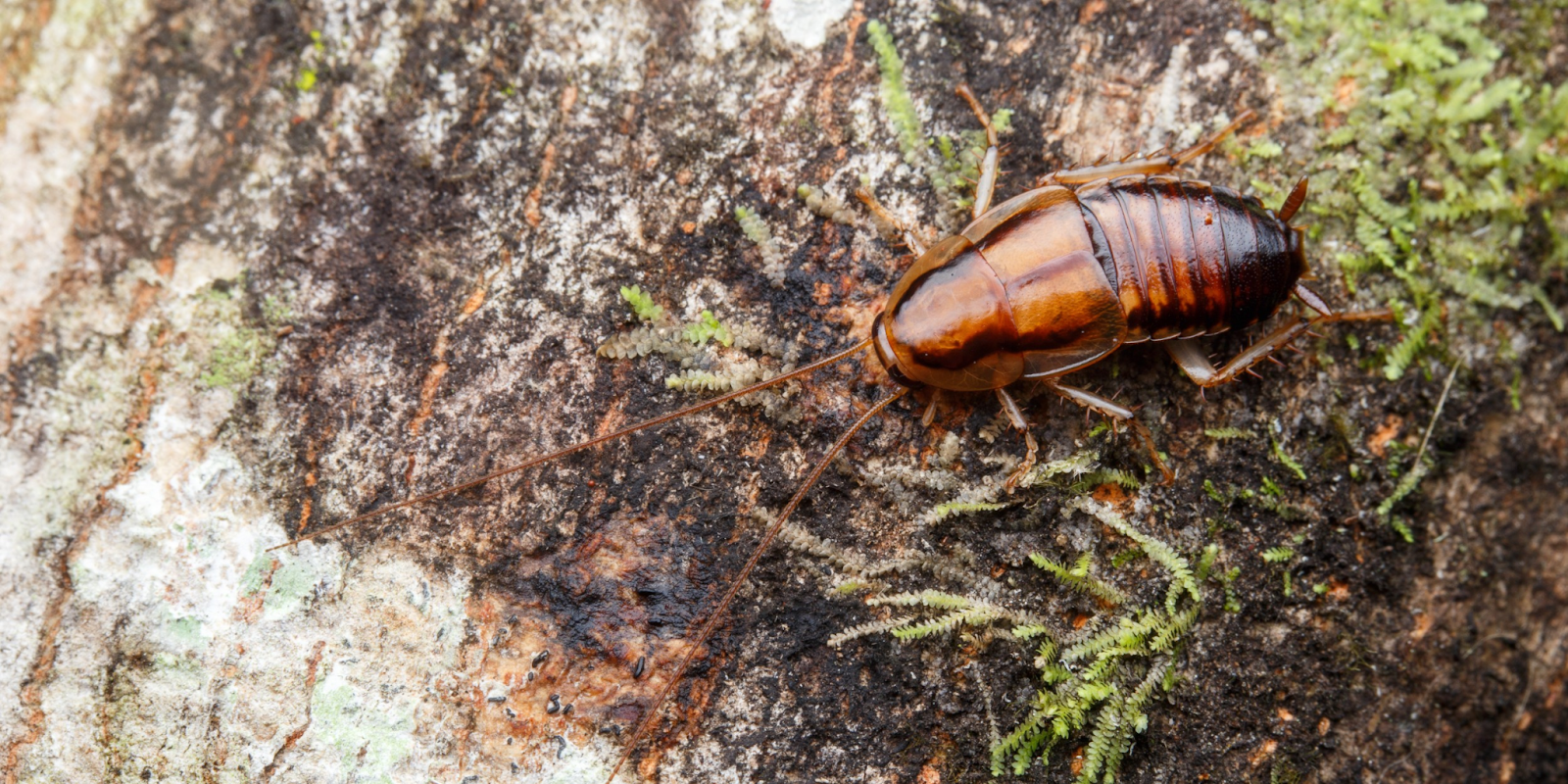
In the wild, cockroaches are decomposers. They break down dead organic matter, recycle nutrients back into the soil, and keep forest floors from drowning in decay.
They are also a food source for birds, reptiles and small mammals. Take them out and you create a gap that ripples upward through the food chain.
Although, the cockroach in your bathroom has fewer redeeming qualities, but its cousins in the wild are quietly keeping things in order.
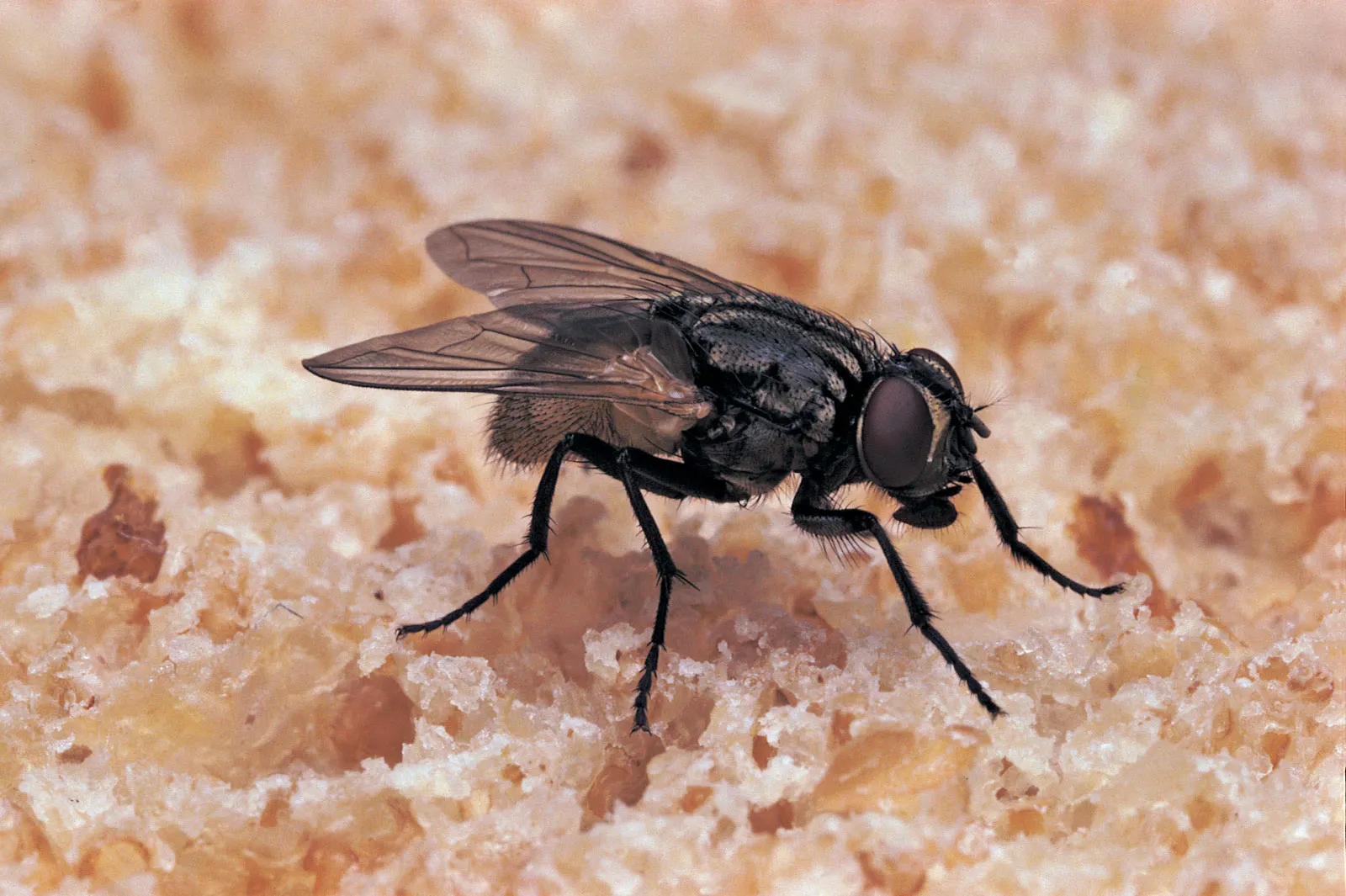
Flies: The Pollinators Nobody Thanks
Flies have a branding problem, and honestly, some of it is deserved. However, the full picture is more complicated.
Hoverflies, for instance, are serious pollinators; they visit flowers, transfer pollen and support the reproduction of plants and crops that bees don't always reach.
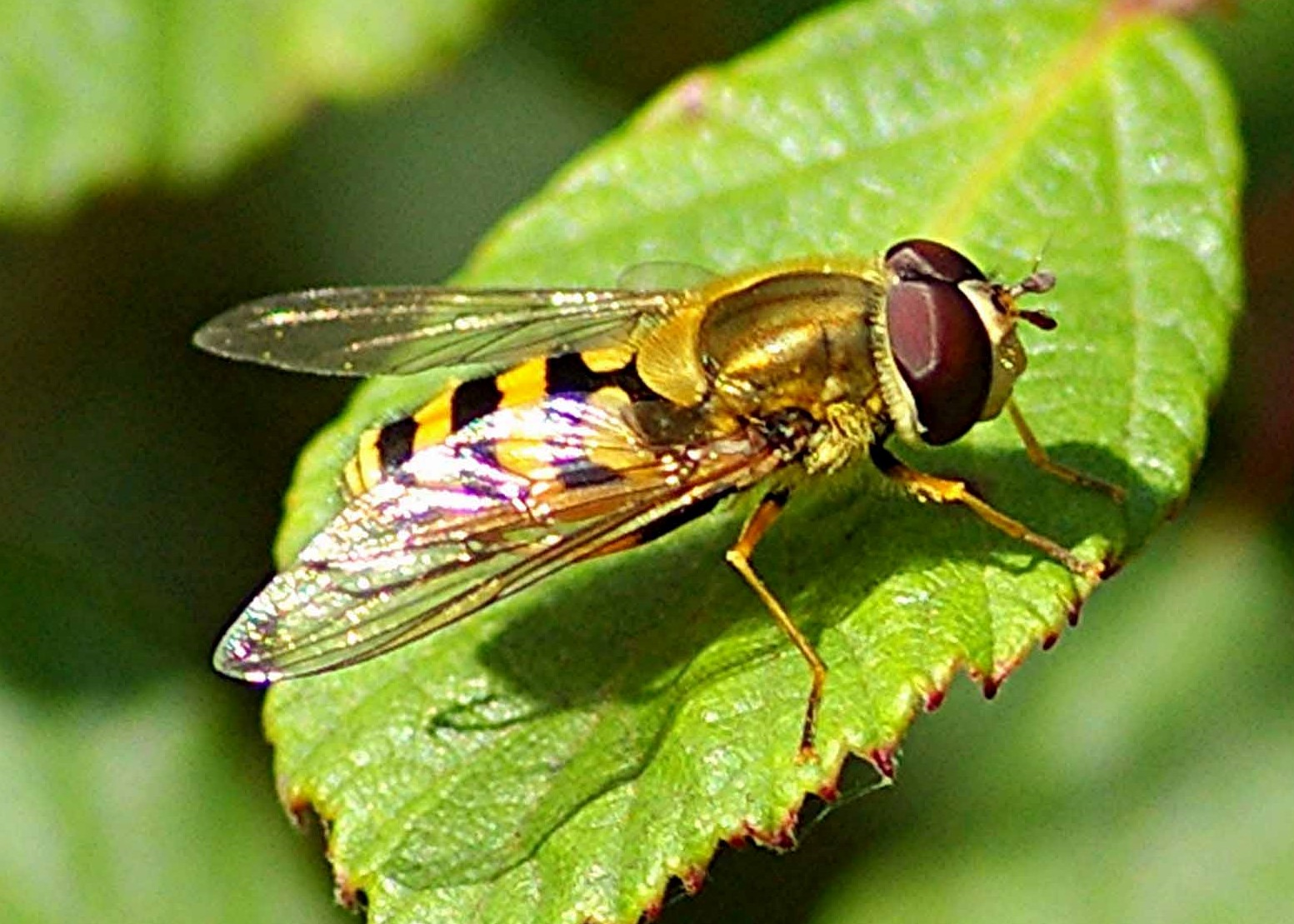
Flies are also primary decomposers. When something dies, they are usually the first to arrive, starting the breakdown process that returns nutrients to the ecosystem.
Forensic scientists rely on this exact behaviour to estimate time of death and that is instructive about how central flies are to the cycles that keep our world functional.
On top of that, flies are food for frogs, spiders, bats, birds and fish. Remove them entirely and you don't just lose the nuisance. You pull out a thread that was holding multiple parts of the food web together.
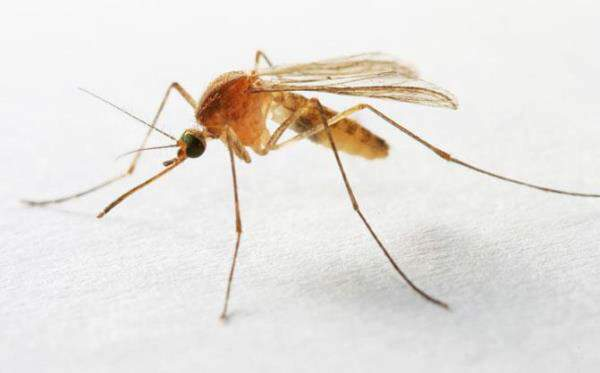
Source: Google
Mosquitoes: The Hardest One to Defend
Mosquitoes kill more humans than any other animal on earth. Malaria, dengue, yellow fever, Zika — the toll is staggering and it lands disproportionately on sub-Saharan Africa.
So when people ask whether we would be better off without them entirely, the question doesn't feel rhetorical. It feels like a public health emergency with an obvious answer.
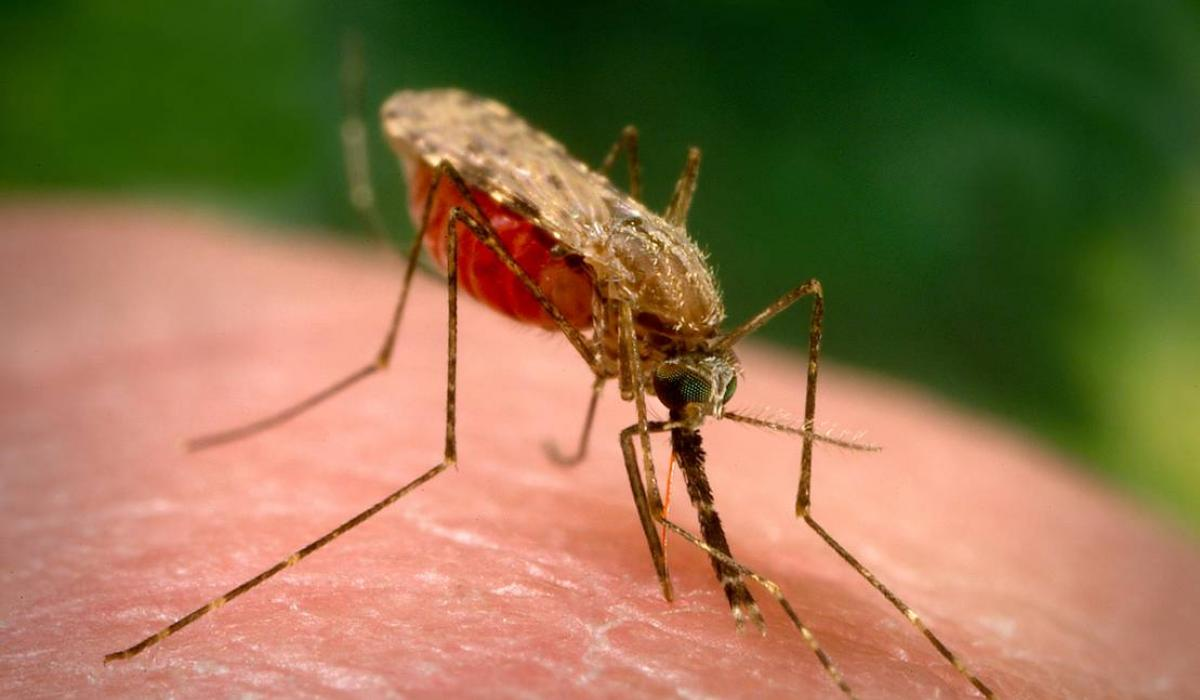
However, even mosquitoes are ecologically functional. They pollinate certain plants and their larvae are a key food source for fish, amphibians and aquatic insects.

In the Arctic, where they exist in extraordinary numbers during summer, migratory birds actually time their breeding season around the mosquito boom.
Ecologists warn that wiping them out entirely — not controlling their populations, but eliminating the species — would leave gaps that other organisms may not fill cleanly. The ecosystem math doesn't add up the way we want it to.
Can We Engineer Them Out?
Gene drive technology — which works by spreading a genetic trait rapidly through a wild population — has been seriously explored as a tool to collapse the Anopheles gambiae mosquito, the primary malaria vector in sub-Saharan Africa.
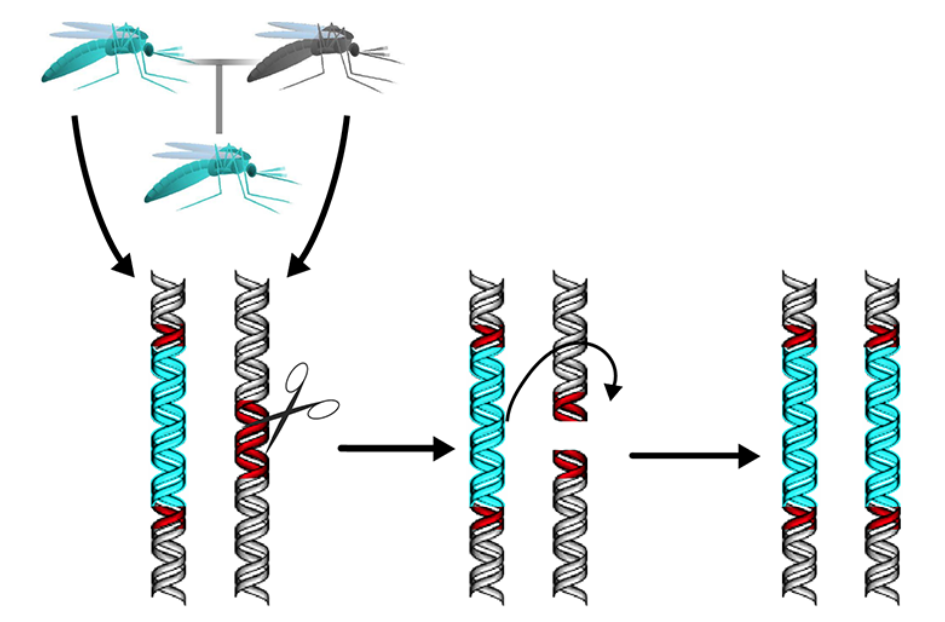
Research trials have shown real promise and the public health argument is hard to dismiss; we are talking about potentially saving hundreds of thousands of lives each year.
The scientific community is, however, divided. Beyond the ecological unknowns, the deeper concern is precedent.
Once it becomes acceptable to engineer the extinction of a species because it harms us, the logic is difficult to contain. And ecosystems are far more interconnected than our models currently capture.
Pest Control Is Still Essential
None of this means you should feel guilty about the mosquito you just crushed, or the exterminator you called. Pest management — in homes, in communities, in high-risk disease zones — is sensible and necessary. That is not the argument.
The argument is about total elimination. A reckless version of that conversation assumes we understand these ecosystems well enough to pull a species out without consequence.
But, we don't and not well enough to be confident or well enough to gamble on it.
The world probably can't survive without cockroaches, flies, and mosquitoes. The harder truth is that it might not survive us either.