The Rising Tension Between U.S & China Ahead of Trump–Xi Summit
A single meeting between Donald Trump and Xi Jinping could reshape the future of global power—calm rising tensions or push the world closer to deeper conflict.
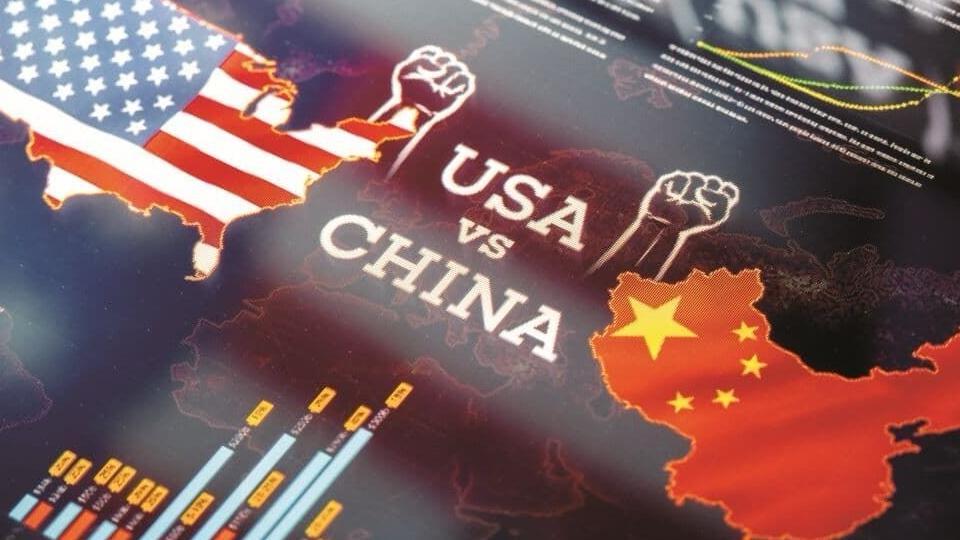
Tensions between the United States and China are once again gaining global attention as Donald Trump and Xi Jinping prepare for an important summit.
The relationship between the two powerful countries has been difficult for years because of disagreements over trade, technology, Taiwan, and global security.
Since both nations have strong economies and military power, their conflicts can affect many countries around the world.
One major issue is trade and technology. The United States has accused China of unfair trade practices and limiting competition, while China has criticized U.S. restrictions on Chinese companies and technology.
These disagreements have affected businesses, prices, and global markets.
Taiwan is another major source of tension. China sees Taiwan as part of its territory, while the United States continues to support Taiwan politically and militarily.
This has increased military activities in the region and raised fears of possible conflict.
The two countries are also competing for global influence in areas such as technology, security, and international partnerships.
Many countries are closely watching the situation because the decisions made by both leaders could affect global peace, trade, and diplomacy.
As the summit approaches, some people hope the meeting will reduce tensions and improve cooperation, while others fear the relationship could become even more difficult in the future.
As of May 2026, U.S. President Donald Trump and Chinese President Xi Jinpingare set for a high-stakes summit in Beijing (scheduled for May 14-15, 2026) to address deeply entrenched tensions.
This meeting follows a period of extreme economic volatility and a previous trade war truce in late 2025, with both leaders facing pressure to stabilize relations while navigating intense domestic, economic, and geopolitical pressures
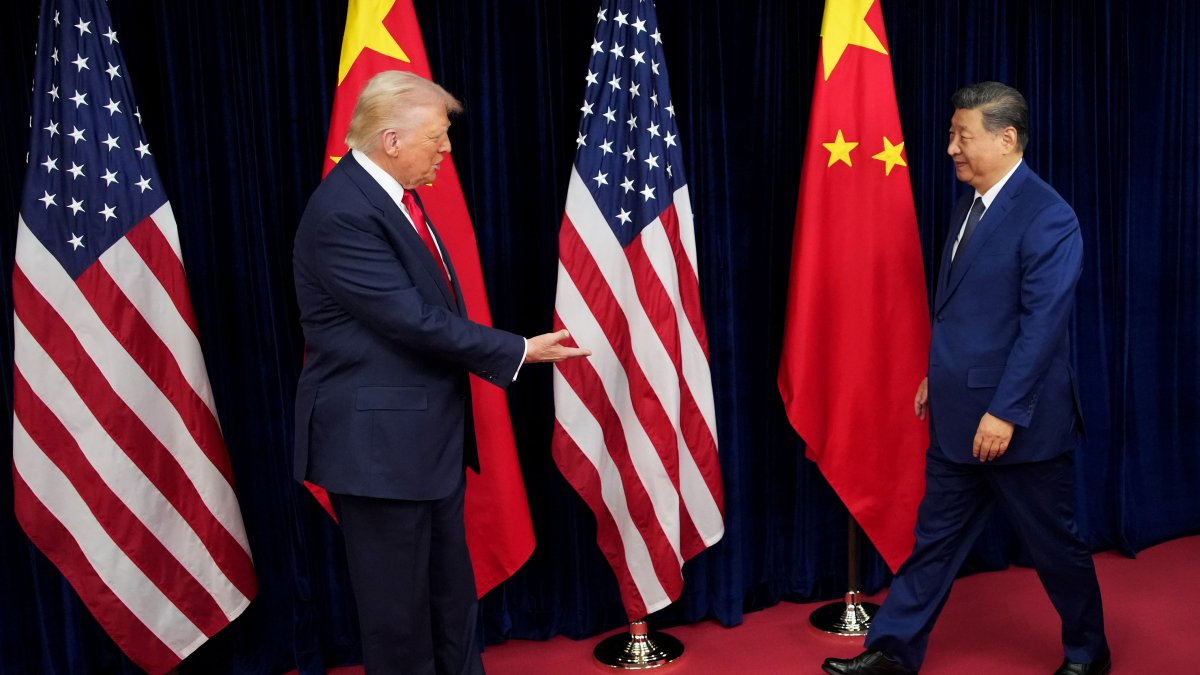
Trade Disputes and Economic Competition
One of the biggest causes of tension between the United States and China is trade and economic competition.
Over the years, both countries have accused each other of unfair trade practices that harm businesses and weaken economic growth.
Because the U.S. and China are two of the world’s largest economies, their disagreements have affected global markets and many other countries.
The United States has often accused China of practices such as copying foreign technology, limiting access to Chinese markets, and giving heavy support to local companies.
American leaders argue that these actions make it difficult for U.S. businesses to compete fairly.
In response, the United States imposed tariffs — extra taxes on imported Chinese goods — in an effort to pressure China into changing its trade policies. China, however, criticized the U.S. for placing restrictions on Chinese companies and technology industries.

The tensions escalated further when Donald Trump announced plans to introduce new tariffs this summer, including additional taxes on Chinese goods, to replace the levies the Supreme Court struck down earlier this year.
After struggling to understand Trump’s unconventional leadership style during his first term, Chinese officials have since learned to use their economic influence more strategically.
According to an American executive who requested anonymity while discussing confidential talks, Chinese officials recently warned U.S. business leaders that China would retaliate “each and every time” Washington takes action on trade or investment matters.
At the same time, the United States has limited the activities of several Chinese technology firms over concerns related to national security and economic influence, further deepening tensions between the world’s two largest economies.
China believes the restrictions are aimed at slowing its economic and technological growth.
The trade conflict between the U.S. and China has caused higher costs, delays, and uncertainty for businesses around the world.
Consumers have also faced higher prices on some goods because of tariffs and trade restrictions.
Both countries are also competing to lead in technology, artificial intelligence, and innovation, increasing global tensions.
Despite their disagreements, the U.S. and China remain closely connected economically, and many hope upcoming talks will help reduce tensions and support global stability.
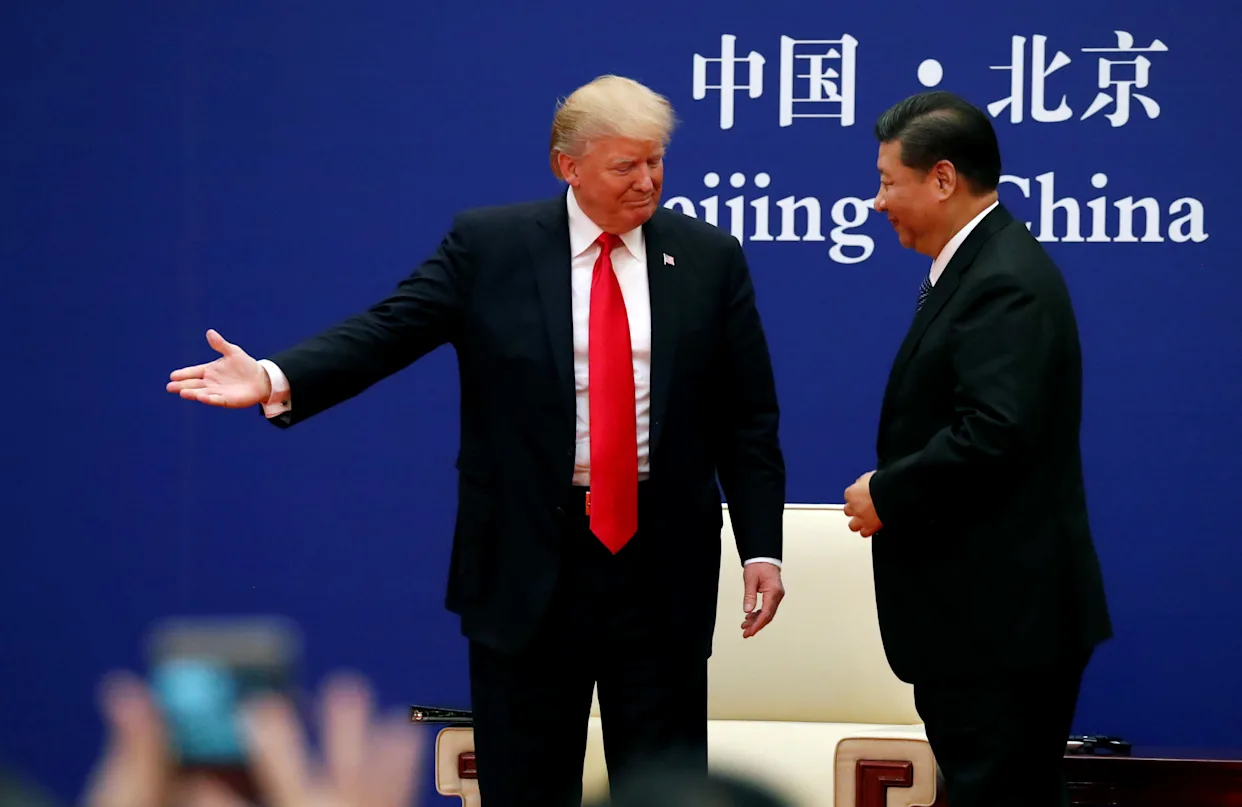
Taiwan and Military Tensions
Taiwan remains one of the most sensitive and dangerous issues in the relationship between the United States and China.
China considers Taiwan to be part of its territory and has repeatedly stated that it wants the island to reunite with mainland China, even if force is necessary.
Taiwan, however, operates with its own government, economy, and democratic system, and many people on the island want to maintain their independence and way of life.
The United States does not officially recognize Taiwan as an independent country, but it continues to support Taiwan through military assistance, weapons sales, and political cooperation.
American leaders say this support is important to help Taiwan defend itself and maintain stability in the region.
China strongly opposes these actions and sees them as interference in its internal affairs.
In recent years, tensions around the Taiwan Strait have increased as China expanded military activities near Taiwan.
In response, the United States and its allies have also increased their military presence in the region to support Taiwan and protect freedom of navigation.
Tensions over Taiwan have raised global concerns because any conflict could disrupt trade, harm economies, and threaten international security.
Taiwan is especially important for producing computer chips used in many electronic devices.
Many experts believe diplomacy is necessary to prevent the situation from becoming more dangerous, as the Taiwan issue remains a major challenge to global peace and stability.
Global Security and Political Influence
The rivalry between the United States and China goes beyond trade and Taiwan, with both countries competing for global influence, technology, military power, and international partnerships.
As two of the world’s strongest nations, their actions affect global politics and security.
One major area of competition is technology and cybersecurity. These two countries are investing heavily in artificial intelligence and advanced technology, and at the same time also accusing each other of cyber threats and unfair restrictions.
Military competition has also increased, because the United States has strengthened alliances with countries in Asia, while China has expanded its military activities in regions such as the South China Sea.
These actions have raised concerns about possible conflict and regional instability.
The U.S. and China are also competing for influence through trade, diplomacy, and global partnerships.
As their rivalry continues to grow, many countries are closely watching because the relationship between both powers could shape the future of global peace and international cooperation.
Conclusion
As the world watches closely, the upcoming meeting between Donald Trump and Xi Jinping could become a turning point in global politics.
With tensions rising over trade, Taiwan, technology, and military power, the decisions made by both leaders may shape the future of international peace and economic stability.
Many hope the summit will ease growing conflicts and open the door for cooperation, while others fear that deeper disagreements could increase global uncertainty.
Whatever the outcome, the relationship between the United States and China will continue to influence the world for years to come.