The Rise of AI in Nigeria: Friend, Foe or Both?
Is AI in Nigeria a friend or foe? This article explores how artificial intelligence impacts healthcare, agriculture, jobs, and daily life, highlighting both its benefits and challenges, and what Nigeria needs to do to make AI work for everyone.
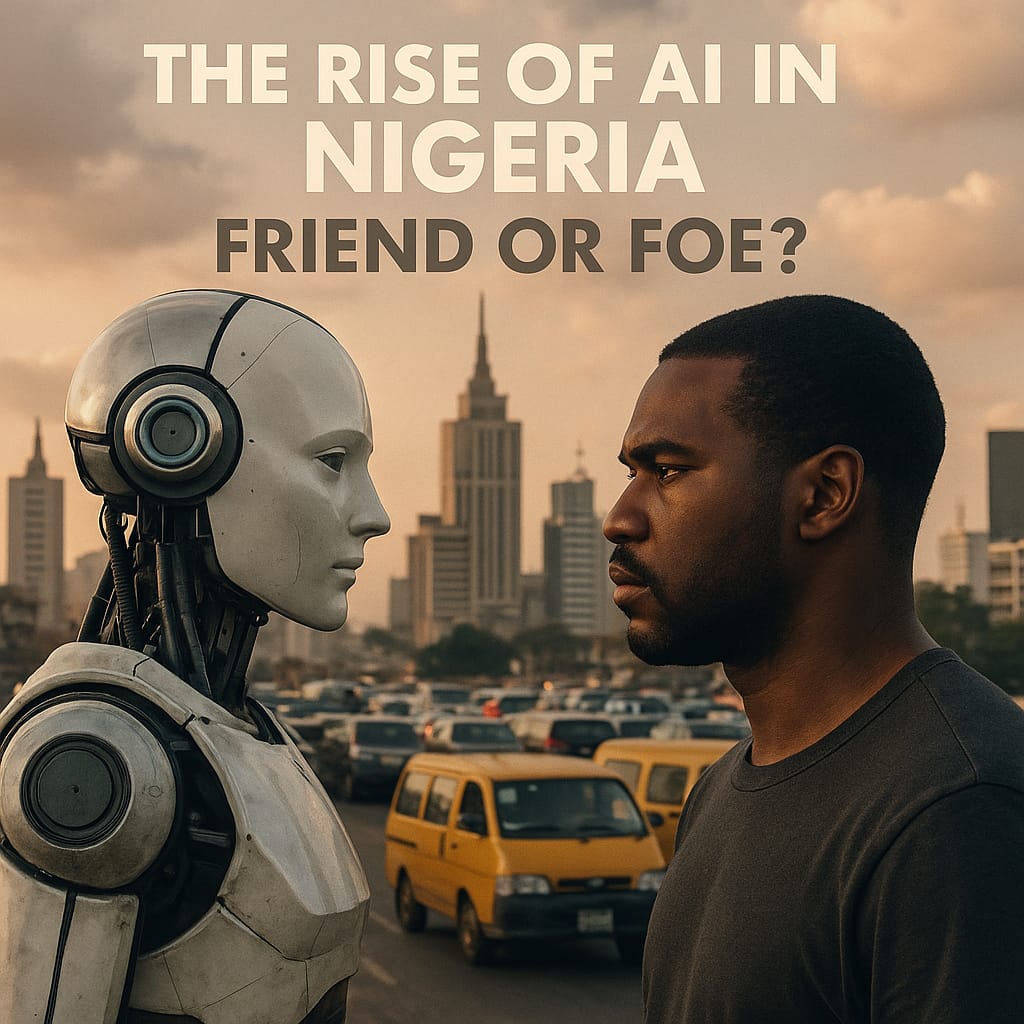
“The robots are not coming—they're already in Lagos traffic.”
Remember when the most futuristic thing in Nigeria was a rechargeable fan and a generator that didn’t trip at the sound of thunder? These days, artificial intelligence (AI) is sneaking into everyday life—from your bank’s customer service bot that never understands Yoruba names to that app helping farmers predict rain better than your grandpa watching ant hills or sniffing the wind like a village meteorologist.
So here we are in 2025, and the question is no longer “Is AI coming?” It’s already here—woven into our hospitals, classrooms, farms, phones, and traffic jams. And depending on who you ask, it's either the smartest friend Nigeria never knew it needed, or the quiet enemy plotting to snatch jobs, harvest data, and leave us at the mercy of soulless algorithms.
Let’s talk about it—AI in Nigeria: friend or foe?
What Is AI, and Why Should Nigeria Care?
Artificial Intelligence, or AI, is no longer some far-off futuristic concept reserved for sci-fi films; it’s already woven into the fabric of Nigerian life.
From banking apps that flag fraud before you do, to digital loan services that judge your creditworthiness based on airtime habits instead of salary slips, AI is changing how we interact with everyday systems.
In hospitals across cities like Lagos and Abuja, AI is helping doctors diagnose illnesses like tuberculosis with remarkable accuracy and speed.
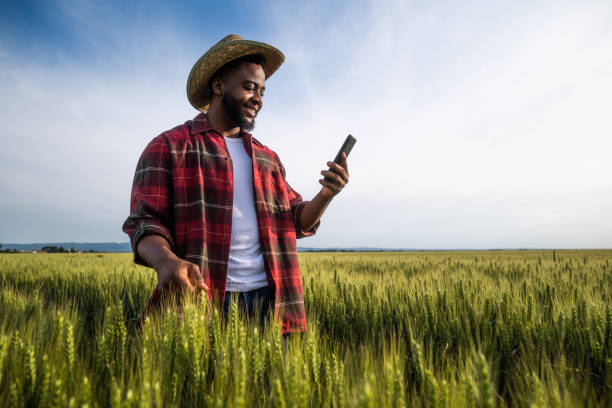
Even in the agricultural industry, AI is empowering farmers with tools that predict rainfall better than traditional signs like anthills or aching knees. These systems also detect crop diseases and give personalized planting advice, often through simple mobile apps. AI-equipped drones now hover over fields, monitoring soil and spotting pests long before humans can.
Even your daily commute has gone AI. Ride-hailing services like Bolt and InDrive use it to match drivers, dodge traffic, and find the fastest routes. Logistics firms are streamlining delivery times with AI, saving time and fuel across congested Nigerian cities.
In classrooms, AI is reshaping how children learn. Edtech platforms like uLesson use it to personalize lessons, track progress, and recommend revision materials, while parents chat with AI bots for quick school support.
.jpg)
Meanwhile, when you're shopping online on platforms like Jumia or Konga, it's AI that suggests what to buy, adjusts prices, and keeps track of stock in real time.
The media and entertainment world isn’t left out either. AI now curates your Instagram and TikTok feeds with eerie precision, anticipating your tastes before you even realize them. Newsrooms are also jumping on board, using AI to transcribe interviews, auto-edit videos, and recommend stories to readers faster than ever before.
Even the government is stepping in. Agencies like the National Identity Management Commission are using AI for facial recognition during NIN registration. In some places, early tests of AI for smart surveillance and digital policing are sparking both curiosity and concern.
So yes, AI is no longer the future. It’s the present. It’s already living in your phone, your farm, your finances, and your feeds. And as it becomes more deeply embedded in Nigerian society, it raises an urgent question: will it be shaped to serve us, or will we be shaped to serve it?
Check out our feature on 10 tech pioneers you should know about.
Meet Nigeria’s AI Trailblazers
Nigeria is not just consuming AI. We're also building it. Here are a few homegrown innovators changing the game:

A non-profit leading AI education and research across the country, from university labs to village classrooms. They’re training thousands in machine learning and deep learning with a local lens.
A Startup using AI to detect birth asphyxia in newborns just by analyzing their cries. Early detection = more lives saved. And it’s all from Nigerian innovation.
Fintech & Fraud Detection
Companies like Flutterwave and Carbon use AI to spot and prevent fraudulent transactions, protecting both banks and users.
AI in Agriculture AI tools now help Nigerian farmers forecast yields and monitor soil health, bridging a huge gap in agricultural efficiency.
The Good: AI Is Helping Nigeria in Surprising Ways
Let’s give AI its flowers. When used right, it can help us leapfrog decades of infrastructural lag. Here's how:
Healthcare: Diagnosing diseases with computer vision, managing medical records with smarter tools, and even scheduling doctor visits.
.jpg)
Agriculture: AI is helping farmers make better decisions—planting at the right time, detecting pests, and improving harvests.
Education: Adaptive learning platforms are tailoring lessons to individual students, especially in remote or under-resourced schools.
Finance: Instant credit scoring, loan approvals, fraud alerts—you name it.
Urban Planning: Predicting traffic, tracking waste collection, managing public safety in real time.
In short, AI is not just some elitist Lagos tech bro fantasy. It has real, practical uses in both Ikoyi and Ikot Ekpene.
The Bad: But It’s Not All Bright and Shiny
Now, before we hand over the house keys to the robots, let’s talk about the risks.
Bias in the Code
Most AI models are trained on Western data. That means facial recognition may not even "see" dark-skinned faces properly. This isn’t just offensive—it’s dangerous when applied in law enforcement or security tech.
Jobs on the Line
AI can take over repetitive jobs like customer service, bank tellers, and drivers. If workers don’t learn new skills, many could lose their jobs, leading to more unemployment. It’s important to train people so they can adapt and work alongside AI.
Tech Without Power?
Let’s be honest: how can we run AI servers when we can’t even run fans during heat waves? Nigeria’s power and data infrastructure are still catching up. Until NEPA becomes more reliable than a prayer point, local AI dreams risk being outsourced—again.
Who Owns Our Data?
As apps collect voice, biometric, and behavioral data, questions about privacy, consent, and control remain unanswered. If our data is gold, are we just giving it away for free?
With apps hoovering up voice notes, fingerprints, and even your sleep patterns, we must ask—who's guarding the guardians of our data? Are we building a smarter Nigeria or just feeding Big Tech’s hunger for African data gold?”
Friend or Foe? The Answer is: “It Depends”
AI is not inherently good or evil. Like fire, it depends on who's holding the match. If we let foreign companies and unregulated startups take the lead, we might lose our voice in shaping AI’s future. But if we invest in local talent, demand inclusive policies, and center ethics in innovation, we could make AI our ally in solving Nigeria’s biggest problems.
What Should Nigeria Do Next?
To make AI a true friend of the people, we need a plan:
Make AI Literacy a National Priority – From JSS1 to university, students should learn how AI works, not just how to use it.
Support Local Innovation – Invest in Nigerian startups solving local problems with AI.
Regulate Smartly, Not Slowly – Laws must keep pace with the tech, especially around data protection, bias, and labor rights.
Build Infrastructure – Improve internet, power, and data hosting capabilities so we can build AI here, not just borrow it.
Promote Inclusion – Women, rural communities, and the underrepresented must be part of the AI revolution, not left behind.
Final Thoughts: AI Is Here. Are We Ready?
AI isn’t science fiction. It’s that chatbot in your bank app. It’s the recommendation engine selling you Ankara on Instagram. It’s the silent driver of many changes around us—and we can’t afford to ignore it.
So, is AI Nigeria’s friend or foe?
That depends entirely on us—on the policies we write, the people we empower, and the futures we imagine. How we use it matters; whether we allow ourselves control over it or we control it ourselves depends on us alone.
Because in the end, the real intelligence isn’t artificial. It’s human.
Whether AI ends up as a friend or foe, there is no escaping the fact that it is here to stay. Instead of waiting on the sidelines, it is time for Nigerians, from policymakers and tech innovators to everyday users, to take control of this powerful tool.
We need to start thinking seriously about how to shape AI to serve our unique needs, uplift our communities, and solve our most pressing problems. That means investing in homegrown AI solutions, creating ethical frameworks to protect our rights, and building the infrastructure that makes AI accessible to everyone, not just a privileged few.
The sooner we decide how to use AI responsibly and inclusively, the better positioned we will be to improve education, healthcare, agriculture, and the economy, ensuring that this technology becomes a true partner in Nigeria’s progress, not an obstacle or threat.
Because if we do not steer the AI ship ourselves, we risk being passengers on a journey we do not control.
What do you think—are we ready for AI? Let us know in the comments or tag us @ZealNewsAfrica with your thoughts.