The Reason Why Adulthood Is Hard Is Because We Are All Gatekeepers
Adulthood feels exhausting, confusing, and unnecessarily hard. What if the real problem isn’t life itself, but the way we hoard information? From jobs to money to survival tips, this piece exposes how everyday gatekeeping is quietly making adulthood unbearable.

When our grandmothers found a place where garri was cheaper and cleaner, they did not whisper about it. They called their sisters. They told their neighbours. They sent someone to buy extra before the price changed.
When our mothers met a hairdresser who did not disappoint or a market woman who sold original goods, sharing that information felt like the normal thing to do. It was instinctive. Good things were not hidden. They were circulated.
Now fast forward to adulthood today. Someone discovers a plug. A job opening. A landlord that does not stress people. A side hustle that actually pays. And the first instinct is silence. Maybe one vague hint. Maybe a tweet with no details. Maybe a “figure it out like I did” attitude.
That silence is part of why adulthood feels unnecessarily hard.
When Sharing Was Normal, Not Strategic
There was a time when passing information around was not framed as generosity or mentorship. It was just how life worked. If someone learned something useful, it moved naturally through the community. Nobody feared being overtaken because survival was collective.
People understood that one person’s win did not automatically mean another person’s loss. If one trader knew the best supplier, everyone benefited from better goods and better prices. Knowledge made life easier for the group.
Today, sharing feels calculated. People ask themselves who deserves the information. Who might benefit too much. Who might end up ahead.
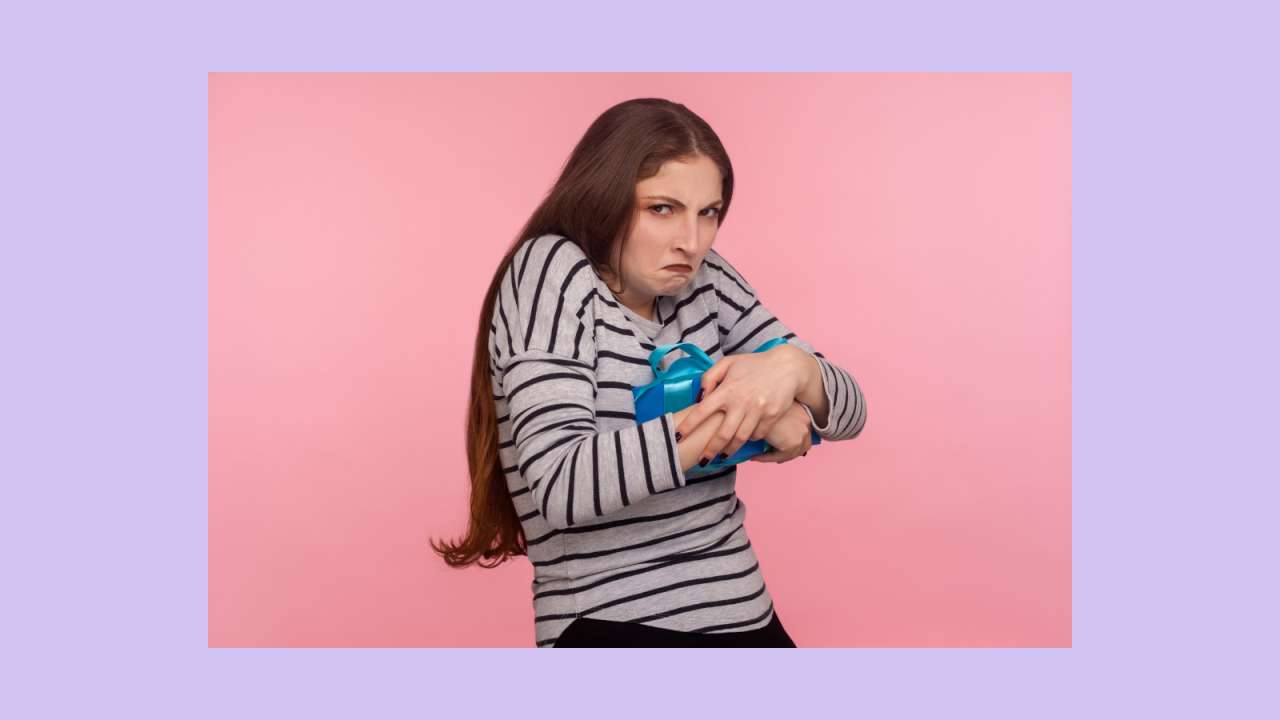
Adulthood became difficult the moment information stopped flowing freely.
The Everyday Ways Gatekeeping Shows Up
You might be a gatekeeper without realizing it.
Not because you are cruel or intentional about harm, but because modern adulthood quietly teaches people to protect whatever small advantage they have.
In a world built on scarcity, silence starts to feel like strategy, and withholding information begins to look like self-preservation.
Gatekeeping often shows up in ordinary decisions, the things we choose not to say, not to share, or not to explain.
Here are examples of how it shows up in everyday life:
Knowing about scholarships, grants, jobs, or openings and staying silent out of fear of competition or comparison
Having direct access to recruiters, managers, or insiders but telling others to “just apply online” while withholding the real pathway
Understanding how an industry or system works yet offering vague, half-useful advice that sounds supportive but never offer any help
Saying “it was hard for me too” while hiding the steps, contacts, or moments that made it easier
Hearing your workplace is hiring and choosing silence, not because someone is unqualified, but because of pay anxiety, proximity, or association fears, or better still hiding under the guise of “I don’t like working with friends”.
Believing information, access, or clarity loses value once it is shared
Protecting relevance by keeping processes mysterious and positioning yourself as the needed middleman
Replacing guidance with empty motivation like “stay consistent,” “trust the process,” or “keep pushing”, even “You’ll be fine”.
Posting success, wins, or “multiple streams of income” online while withholding the how, the tools, or the context
Presenting success as pure grit while downplaying access, timing, referrals, or help received
Refusing to share templates, contacts, or resources because others should “figure it out themselves”
Refusing to refer to your friends to persons in need of the services they offer.
Treating struggle as a rite of passage instead of a system that can be explained
Why Gatekeeping Makes Life Harder For Everyone
When people hoard information, others waste time repeating the same mistakes. They overpay for basic things. They fall for scams that could have been avoided. They stay stuck longer than necessary.
Gatekeeping slows growth. It creates unnecessary stress. It turns adulthood into a series of lonely puzzles instead of shared learning.
The irony is that shared knowledge does not reduce opportunity. It multiplies it. When people understand systems, they use them better. When communities are informed, they become stronger.
Social Insight
Navigate the Rhythms of African Communities
Bold Conversations. Real Impact. True Narratives.
Keeping people in the dark does not protect adulthood. It weakens it.
Remembering What Our Elders Already Knew
Our mothers and grandmothers were not saints. They were practical. They knew life was hard enough without adding secrecy to it. Sharing was not kindness, it was a normal thing to do.
Adulthood does not need more mystery. It needs more honesty. More explanations, and most importantly, more people willing to say, “This is how I did it, let me save you some stress.”
If you find a shorter route and you find someone heading to the same destination, share the route. And you know someone in dire need of the information you have, share it.
Every adult eventually stands at a gate. Withholding or opening is a choice.
Life gets easier when information moves. Adulthood gets lighter when people stop hoarding the map.
That is not nostalgia. It is wisdom we abandoned too quickly.