The Igbo Apprentice System: Africa’s Billion-Dollar Training Model
What if Africa’s most powerful business school isn’t a school at all? Dive into the billion-dollar Igbo Apprentice System—a grassroots economic engine producing wealth, success, and generational impact.
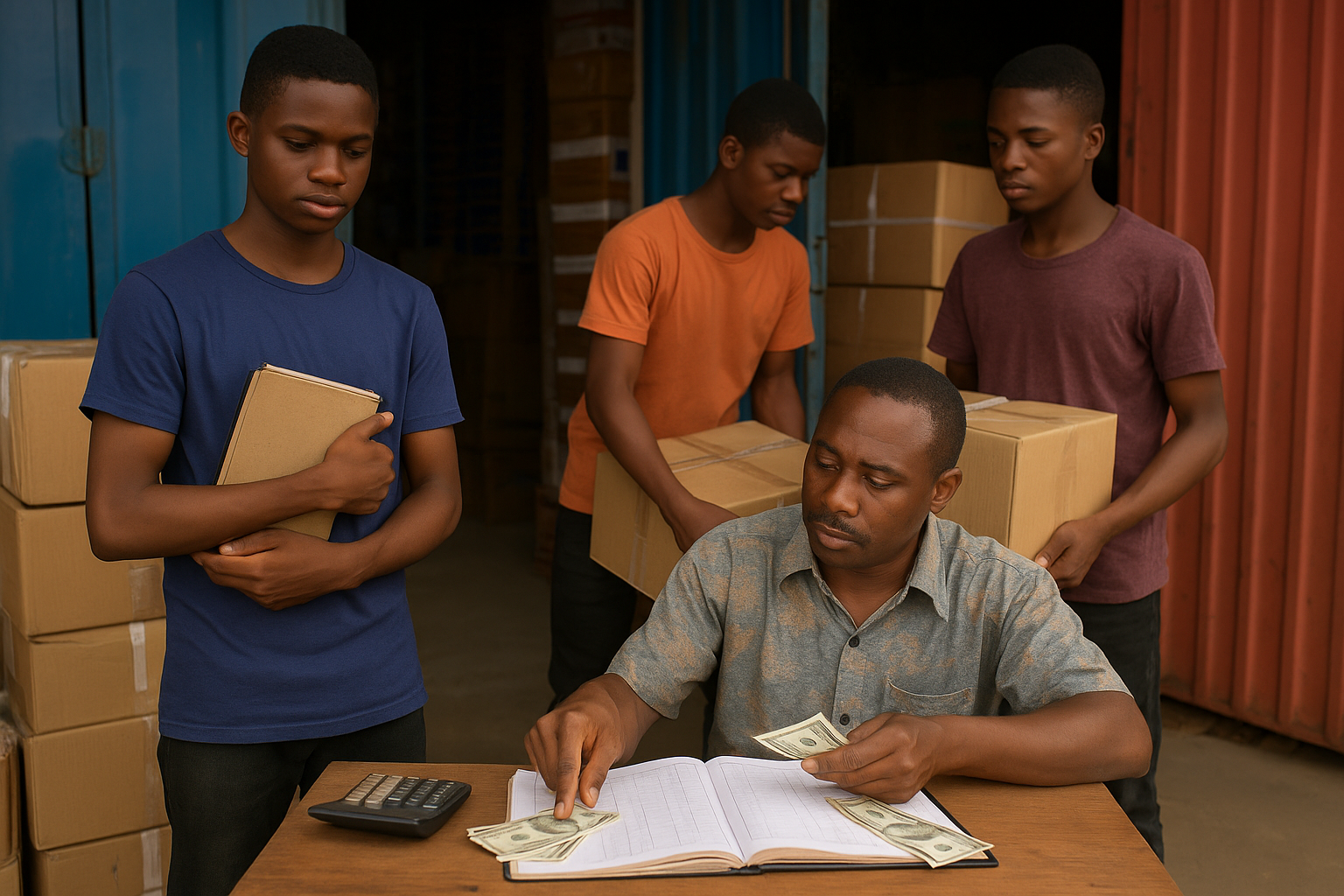
In a world obsessed with MBAs, incubators, and pitch decks, one of the most effective business training models has been quietly producing millionaires for decades, without a single certificate. It’s called the Igbo Apprentice System (IAS), and it may be Africa’s most underappreciated economic engine.
What is the Igbo Apprentice System?
Locally known as “Igba Boi” (loosely translated as "to serve a master"), the Igbo Apprentice System is a traditional business mentorship model practiced predominantly by the Igbo people of southeastern Nigeria.
It is a form of contractual business tutelage, where a young boy (the apprentice) lives and works with an experienced businessman (the master) for a period of 5 to 7 years.
In return, the master trains the apprentice in business skills and, upon completion, provides “settlement”—a startup capital or goods to help the apprentice launch his own business.
It’s not just charity. It’s a structured ecosystem of economic replication and upward mobility. Think of it as Africa’s own version of venture capitalism—but based on trust, kinship, and community solidarity.
The system has 3 major types - Igba-boi, also known as Igba Odibo (become an apprentice), Imu Oru, also known as Imu Oruaka (learn a craft), and Imu Ahia (learn a trade). While all types are geared toward transferring knowledge of entrepreneurial skills, they differ in approach.
Unlike the Igba-boi/Igba Odibo, where a mentee will be tutored for free for pre-agreed years, in the Imu Oru/Imu Oruaka and Imu Ahia types, tutorship is paid for by the mentee or the mentee's parents/sponsors

The Numbers Behind the System
Despite its informal nature, researchers and economists are finally beginning to quantify its impact:
70% of Igbo self-made millionaires in Nigeria were trained under the Igbo Apprentice System, according to a 2019 report by BusinessDay Nigeria.
A study by the International Centre for Investigative Reporting (ICIR) in 2020 estimated that over ₦2 trillion ($2.6 billion) circulates annually within the ecosystem of Igbo-owned small and medium-scale businesses nurtured by the apprentice model.
The system operates across major commercial hubs: Ariaria Market (Aba), Alaba International (Lagos), Onitsha Main Market, and others—all known to generate billions of Naira daily.
According to the World Bank, Nigeria’s informal sector accounts for 57.7% of the country’s GDP, and the Igbo system plays a major part in that informal economy.
In 2022, Harvard Business Review published an article calling it “possibly the largest informal business incubator system in the world.”
How the System Works: Step by Step
Recruitment (Typically in Early Teens): Often, boys between the ages of 12–17 are introduced by relatives or community members to a successful trader willing to take them in.
Apprenticeship Period (5–7 years): The apprentice works long hours, learns supply chains, customer relations, pricing, negotiation, inventory, and—most importantly—trust.
Mentorship and Loyalty: The master invests knowledge and resources. The apprentice, in turn, shows loyalty, discipline, and honesty, considered more valuable than formal credentials.
Settlement: Upon completion, the master provides seed capital (cash or goods) for the apprentice to launch his business. Some masters even co-sign rent or loans to help the apprentice secure a shop.
Replication: Once settled, the apprentice-turned-entrepreneur is expected to train others, continuing the cycle.
Why It Works So Well
No Paper, Just People: Unlike banks or incubators, the system is rooted in social capital, not collateral. Relationships serve as contracts.
Localized Risk Mitigation: Apprentices are often from the same village or family, reducing the risk of default or betrayal.
Community-Driven Wealth: The success of one leads to opportunities for many, pulling entire families out of poverty.
Skill Over School: It values practical business sense, negotiation skills, and risk-taking over formal education.
Case Studies from the Streets
Alaba International Market (Lagos):
Often called Africa’s Largest Electronics Market, it thrives almost entirely on the Igbo model. Traders here turn over millions of dollars in weekly transactions.
Social Insight
Navigate the Rhythms of African Communities
Bold Conversations. Real Impact. True Narratives.

Many top distributors, like Chibuike Orogwu, CEO of Baby Oku Drinks Ltd started as apprentices.
The market houses over 10,000 shops, most of them run by former apprentices who became masters.
Onitsha Main Market (Anambra State):
Arguably the largest market in West Africa by volume of goods.
Local business associations estimate that over 60% of shop owners were once “boys” under masters.
Modern Disruption Meets Tradition
The rise of formal education, tech startups, and globalization is starting to challenge the model. Many young people now prefer college degrees or digital ventures.
Yet, entrepreneurs and economists are calling for its evolution, not abandonment.
Integration Ideas:
Creating formal curriculum frameworks around the system
Government-backed settlement loans
Business incubators based on the Igbo model
Tech platforms to document and track apprenticeships and success stories
Success Stories Born from Igba Boi
Cosmas Maduka (Founder, Coscharis Group):
Dropped out of primary school and started as an auto parts apprentice in Lagos. Now runs a conglomerate in automobile, agriculture, and banking, valued in the hundreds of millions of dollars.Innocent Ifediaso Chukwuma (Founder, Innoson Motors):
Started under his elder brother as an apprentice. Today, he runs Nigeria’s first indigenous car manufacturing company.Cletus Ibeto (Ibeto Group):
Began as a spare parts apprentice in the 1980s. Now owns companies in cement, petrochemicals, hospitality, and banking.
Looking Ahead: Can Africa Learn from the Igbo Model?
As the continent chases economic empowerment and youth employment, the Igbo Apprentice System offers a proven, homegrown blueprint. It’s low-cost, high-yield, scalable, and self-sustaining.
In a country where youth unemployment stands at around 7-9% (NBS, 2023) and where banks often require prohibitive collateral for loans, the future of Nigeria’s economy may lie not in replicating Silicon Valley but in refining and scaling indigenous entrepreneurial hubs like Nnewi.
Africa is not poor. It’s underreported.
And the Igbo Apprentice System is a glowing example of what cultural intelligence, community, and resilience can do, even without a business degree.
If Harvard can see it, maybe it’s time we do too.