The End of Phone Numbers in M-PESA: Kenya’s Big Privacy Shift
M-PESA is removing visible phone numbers from transactions, marking a major shift in privacy, fraud prevention, and how businesses operate in Kenya’s mobile money ecosystem.

For years, using M-PESA came with an unspoken trade-off. Every time money changed hands, so did a piece of personal information.
A simple payment meant your full name and phone number landed in someone else’s inbox whether you knew them or not.
Now, that’s about to change.
Safaricom has begun rolling out a major update that will gradually remove phone numbers from M-PESA transaction alerts.

Starting with peer-to-peer transfers and extending to merchant payments and bank transactions by 2026, users will no longer see full phone numbers attached to payments.
Instead, numbers will appear partially hidden — something like 0722***, while only two names remain visible.
At first glance, it feels like a small tweak. In reality, it could reshape how millions of people across Kenya send, receive, and verify money.
From Convenience to Caution: Why This Change Matters
For nearly two decades, visibility was the system. Phone numbers acted as the backbone of trust in M-PESA.
If money went to the wrong person, you could simply call them. If a shopkeeper doubted a payment, they checked the number. It wasn’t perfect, but it worked largely because it was simple.
But that same openness created a growing problem.

Source: Facebook
Over time, transaction alerts became a goldmine for fraudsters. Scammers could pull numbers directly from SMS messages, call victims while posing as agents or businesses, and pressure them into reversing payments or sharing sensitive details.
The system that once made transactions easier also made manipulation easier.
Safaricom’s update is designed to close that gap. Without access to a phone number, a scammer may know a payment happened, but has no direct way to reach the person behind it.
It doesn’t eliminate fraud entirely, but it removes one of its most reliable entry points.
There’s also a regulatory push behind this shift. Kenya’s Data Protection Act, along with its recent updates, has raised the stakes for companies handling personal data. For a platform processing millions of daily transactions, continuing to expose user numbers was becoming increasingly risky — not just for customers, but for Safaricom itself.

So in many ways, this move was inevitable. M-PESA has simply outgrown the system it started with.
The Hidden Cost: What Small Businesses Stand to Lose
While the privacy benefits are clear, the transition won’t be smooth for everyone.
For large organisations, this change barely registers. Many already rely on paybill numbers, APIs, or internal systems that don’t depend on phone numbers for tracking payments. Their operations continue as usual.
But for small businesses, it’s a different story.
Across Kenya, countless SMEs use M-PESA messages as their primary record-keeping system. A landlord matches rent payments to tenants using phone numbers.
A school identifies who paid fees the same way. Small vendors, transport operators, and kiosk owners often rely entirely on SMS alerts to confirm transactions.
Take away the number, and that system starts to break.
Safaricom is, in effect, nudging these businesses toward more structured tools like the M-PESA Business App.
It’s a push toward formalisation — cleaner records, better tracking, and less reliance on manual methods. But it also means a learning curve, and for some, added complexity.
There’s another layer to consider: dispute resolution.
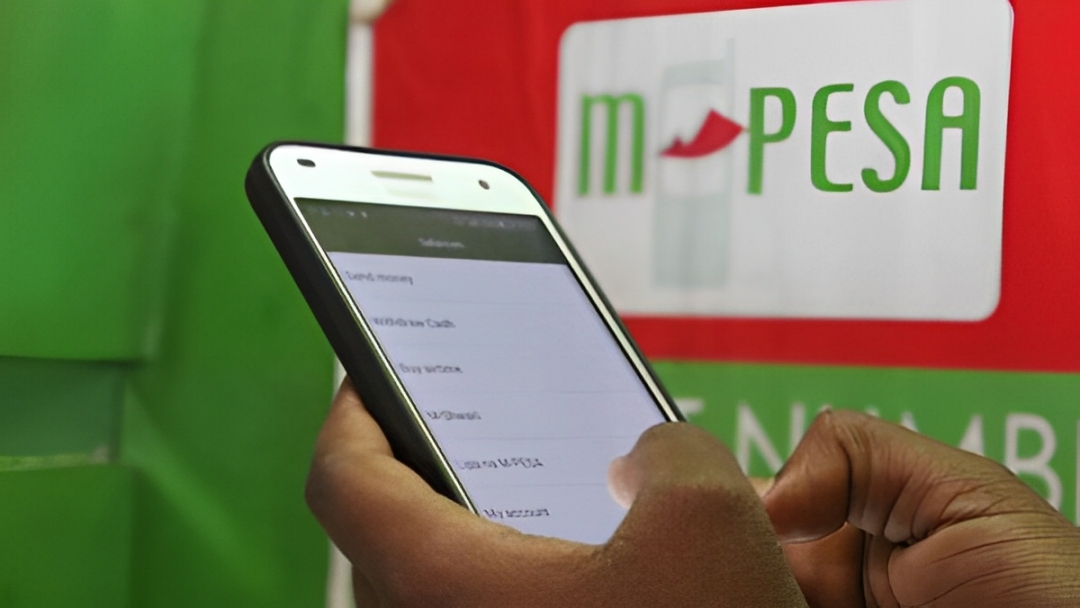
If money is sent to the wrong person, recovering it may no longer be as straightforward as making a quick call. Users will need to request access to the sender or recipient’s details through a formal process, with a limited window to do so.
If the other party declines, resolving the issue could involve customer support or even legal steps.
It’s a system that prioritises protection, but introduces friction.
M-PESA’s evolution reflects a broader shift in digital finance — one where trust is no longer built on familiarity, but on systems. Knowing someone’s number is no longer the guarantee it once was. Instead, the platform itself becomes the authority.
By the time this rollout is complete, everyday transactions in Kenya will feel different. Less open, perhaps a bit slower in certain situations, but significantly more private.
It may not solve every problem. Scammers will adapt, and businesses will need time to adjust. But one thing is clear: the era of casually sharing phone numbers with every transaction is coming to an end.
And for millions of users, that quiet change could make all the difference.