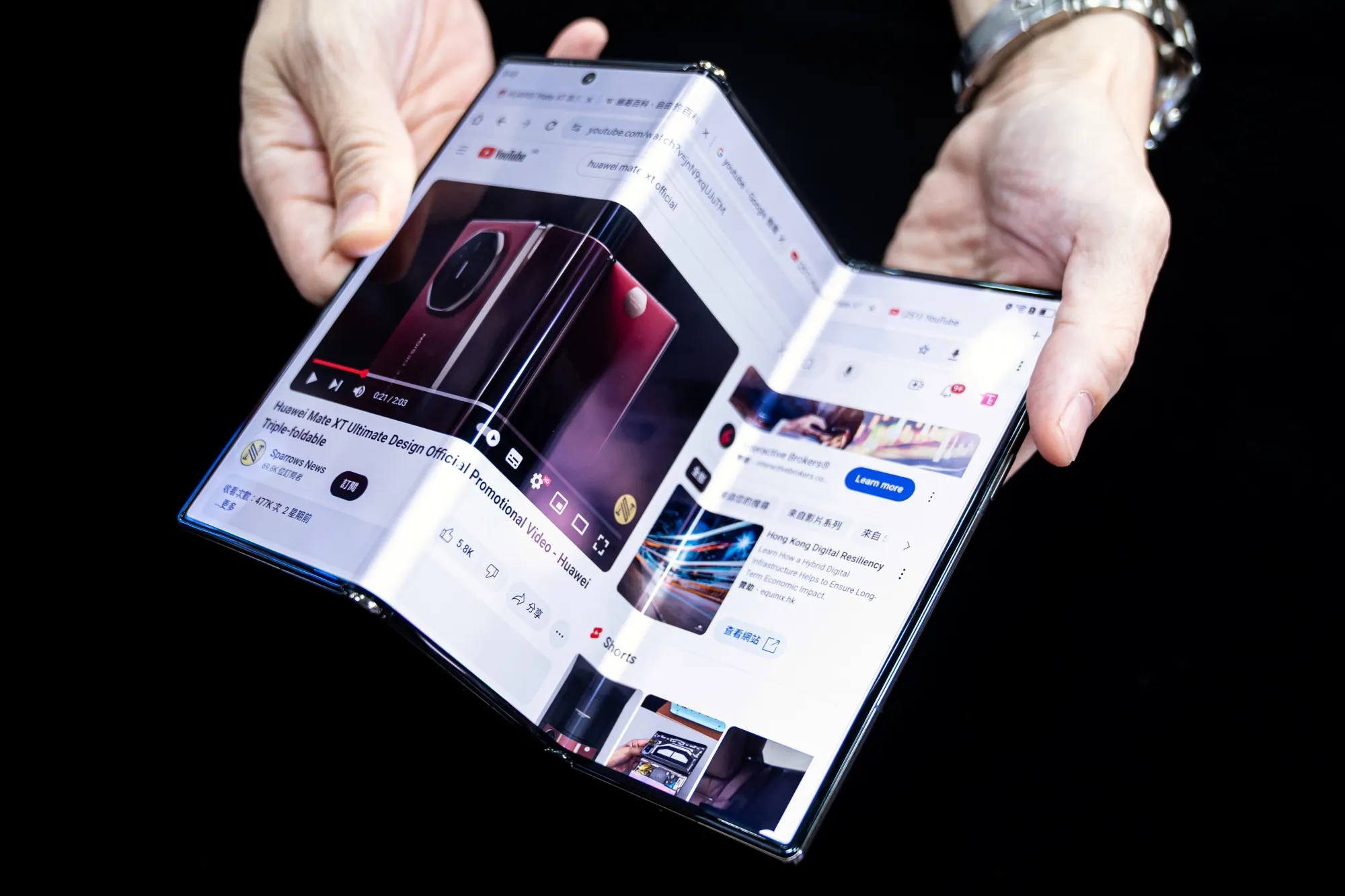
The Death of the Keypad: A Historical Look at Touchscreen Evolution
From the IBM Simon to the iPhone, the rise of touchscreen phones tells the story of how glass replaced keypads and reshaped global communication.
Think about the last time you used a phone with physical buttons. You probably cannot remember. For those born after the year 2010, the idea of pressing raised plastic keys to send a text message sounds almost archaeological.
But for millions of Africans who grew up clutching Nokia 3310s and Motorola Razrs, the keypad was the phone.
Understanding how we went from pressing buttons to swiping glass is a story about human ambition, market timing and the relentless need to do more with less.
The Idea That Came Too Early
Long before anyone had heard the word "smartphone," an IBM engineer named Frank Canova was sketching a vision that most people in 1992 would have called science fiction.
Working out of IBM's Advanced Technology department in Boca Raton, Florida, Canova had a simple mind-blowing question: what if a phone could also be a computer small enough to fit in your pocket?
In November 1992, IBM unveiled a working prototype at the COMDEX technology trade show in Las Vegas. They called it the "Sweetspot."
It combined a mobile phone and a personal digital assistant into one touchscreen device, capable of displaying maps, stocks, weather and news, all the things that would not become standard on phones for another decade.
The audience was impressed. The market was, however, not ready.
Two years later, in August 1994, the commercial version launched as the IBM Simon Personal Communicator.
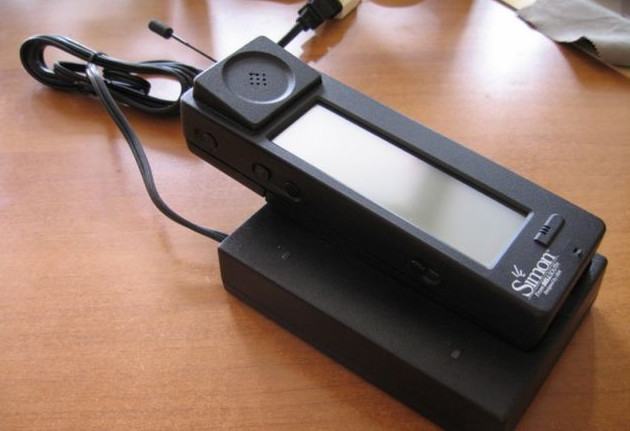
It had a 4.5-inch resistive touchscreen LCD display, a stylus and a list of features ahead of its time: email, fax, a calculator, address book, calendar, world clock and even a sketch pad.
It was, in every practical sense, the world's first smartphone. It was also a spectacular commercial failure.
The Simon lasted just six months on the market, selling only about 50,000 units. The battery died after roughly one hour of use. It weighed close to half a kilogram and its price tag, roughly equivalent to $2,100 in today's money, made it inaccessible to people outside of well-funded corporate executives.
IBM eventually abandoned the project, and the device faded into obscurity while sleeker, cheaper keypad phones took over the world.
The Keypad's Golden Age
Through the late 1990s and early 2000s, the keypad ruled without competition. Nokia was at the height of its dominance, shipping hundreds of millions of handsets globally. On the African continent, Nokia phones became cultural symbols.
Latest Tech News
Decode Africa's Digital Transformation
From Startups to Fintech Hubs - We Cover It All.
The 3310, the 1100, the 6310 became status markers, emergency torches, alarm clocks and indestructible companions. If your Nokia survived falling from a moving okada, it would survive anything.
BlackBerry entered the scene and elevated the physical keyboard to something close to an art form. Meanwhile, the idea of a touchscreen phone, fragile, expensive, stylus-dependent, felt like a luxury experiment that serious people could not be bothered with.
But the engineers were not done.
The Year Everything Changed
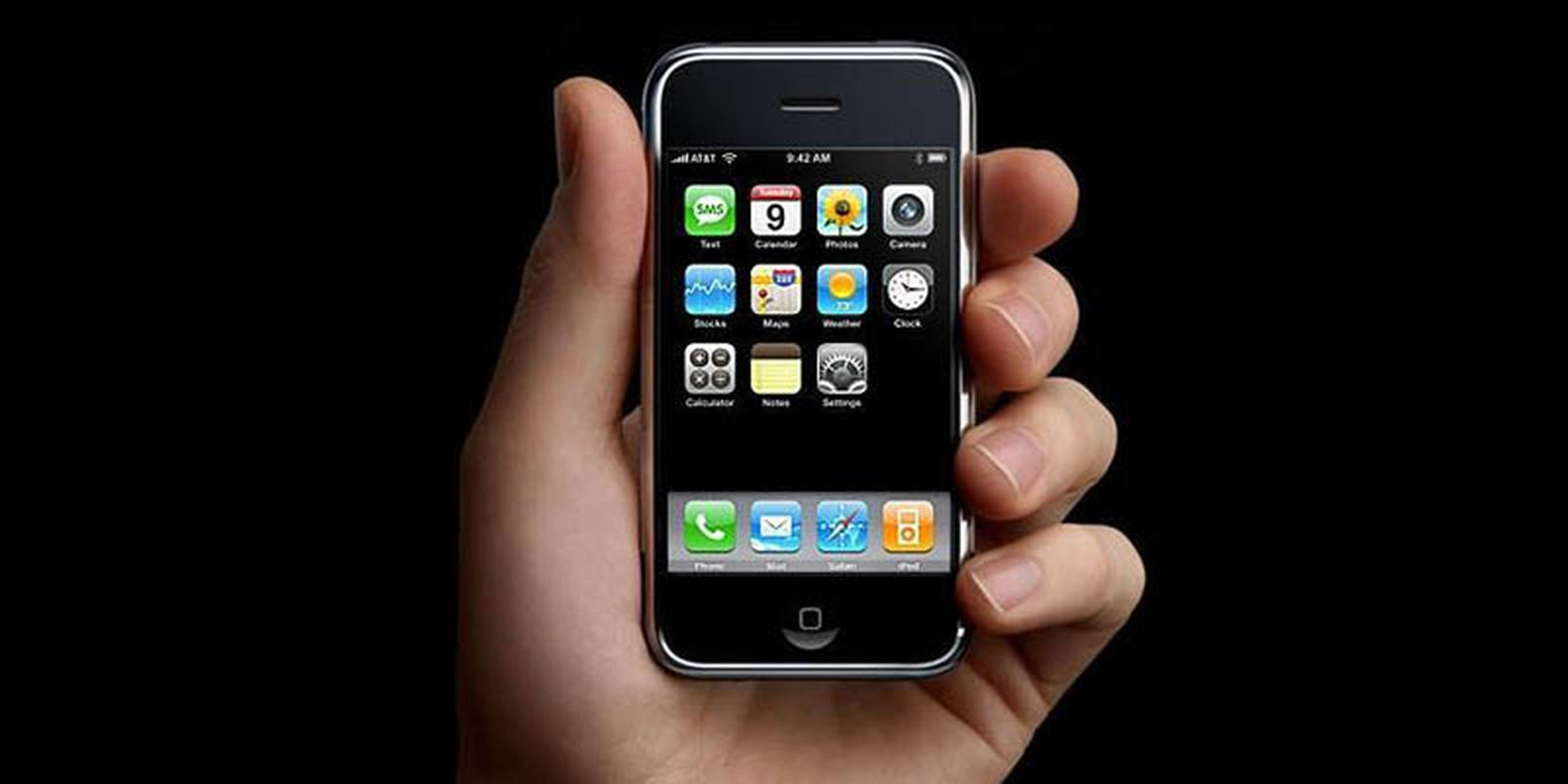
In January 2007, Steve Jobs walked onto a stage at the Macworld Convention in San Francisco and introduced the first iPhone. He described it as three devices in one: a phone, a widescreen iPod and an internet communicator.
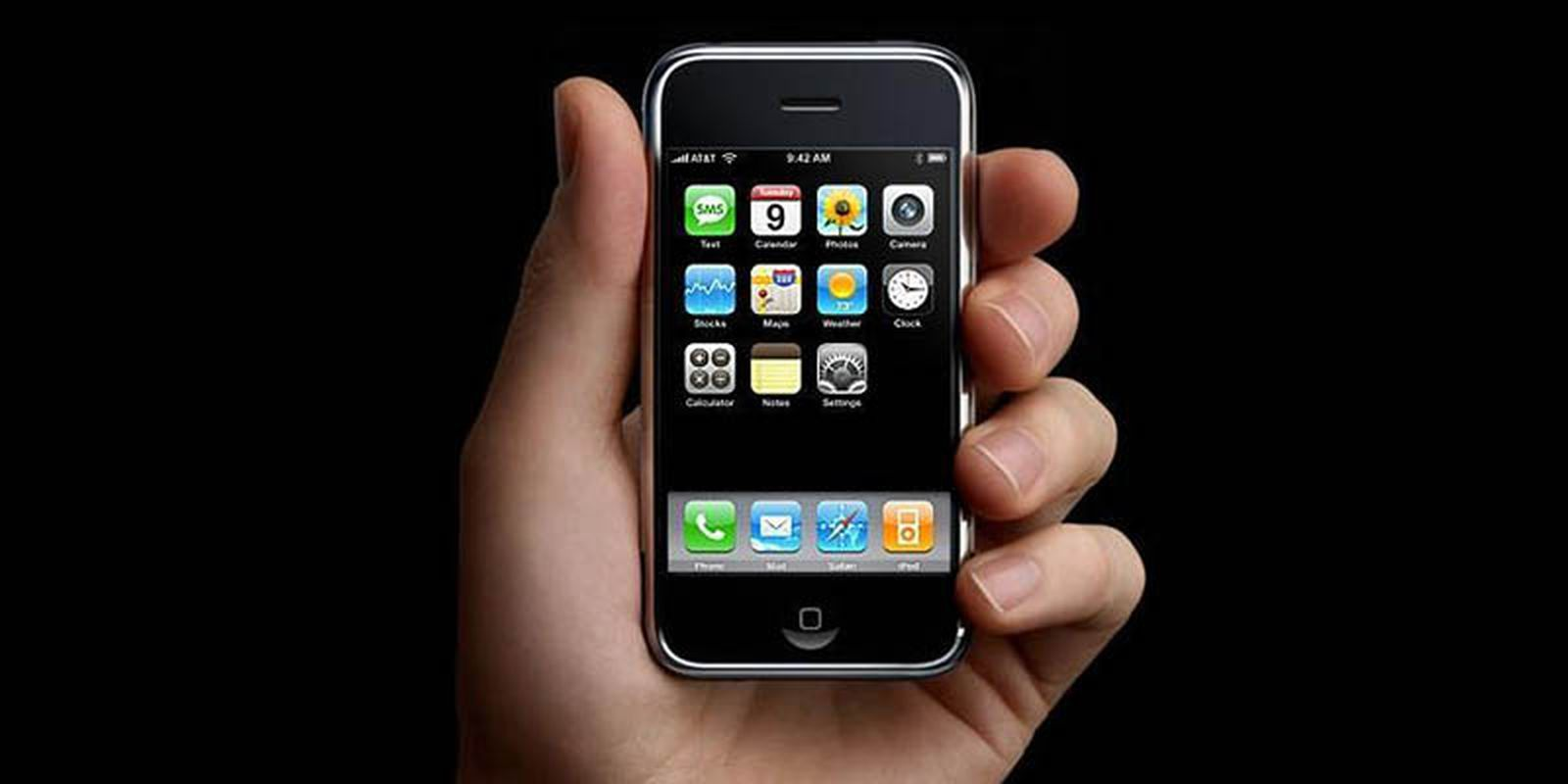
The audience laughed when he suggested that existing smartphones were not so smart. By the end of the year, nobody was laughing.

What made the iPhone genuinely different was the type of touchscreen. Earlier devices, including the IBM Simon, used resistive technology, which required physical pressure to register input, typically from a stylus.
The iPhone used capacitive technology, which works by detecting the electrical conductivity of human skin. This meant you could use your bare fingers, swipe fluidly and pinch to zoom. It was the first time a touchscreen felt natural.
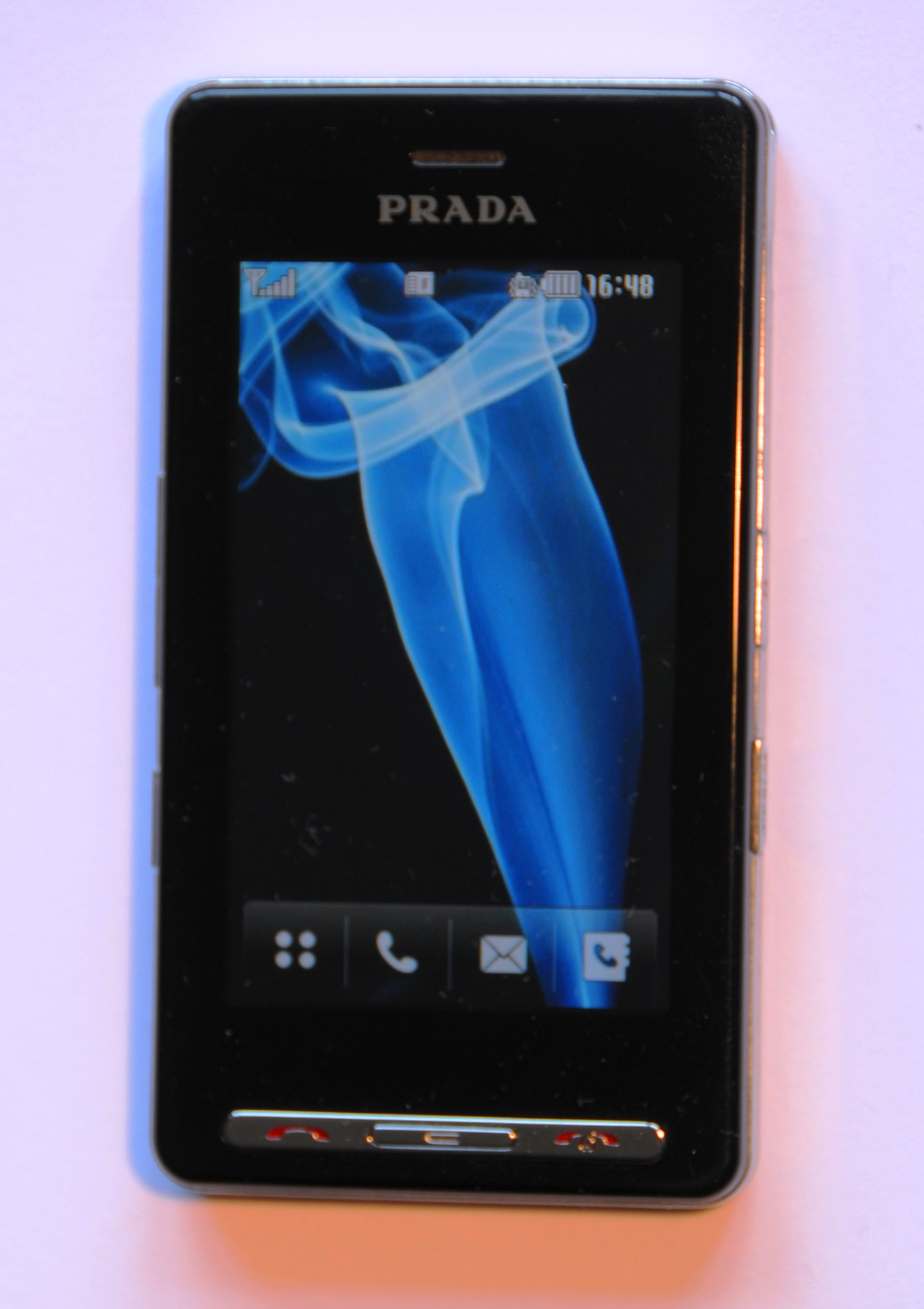
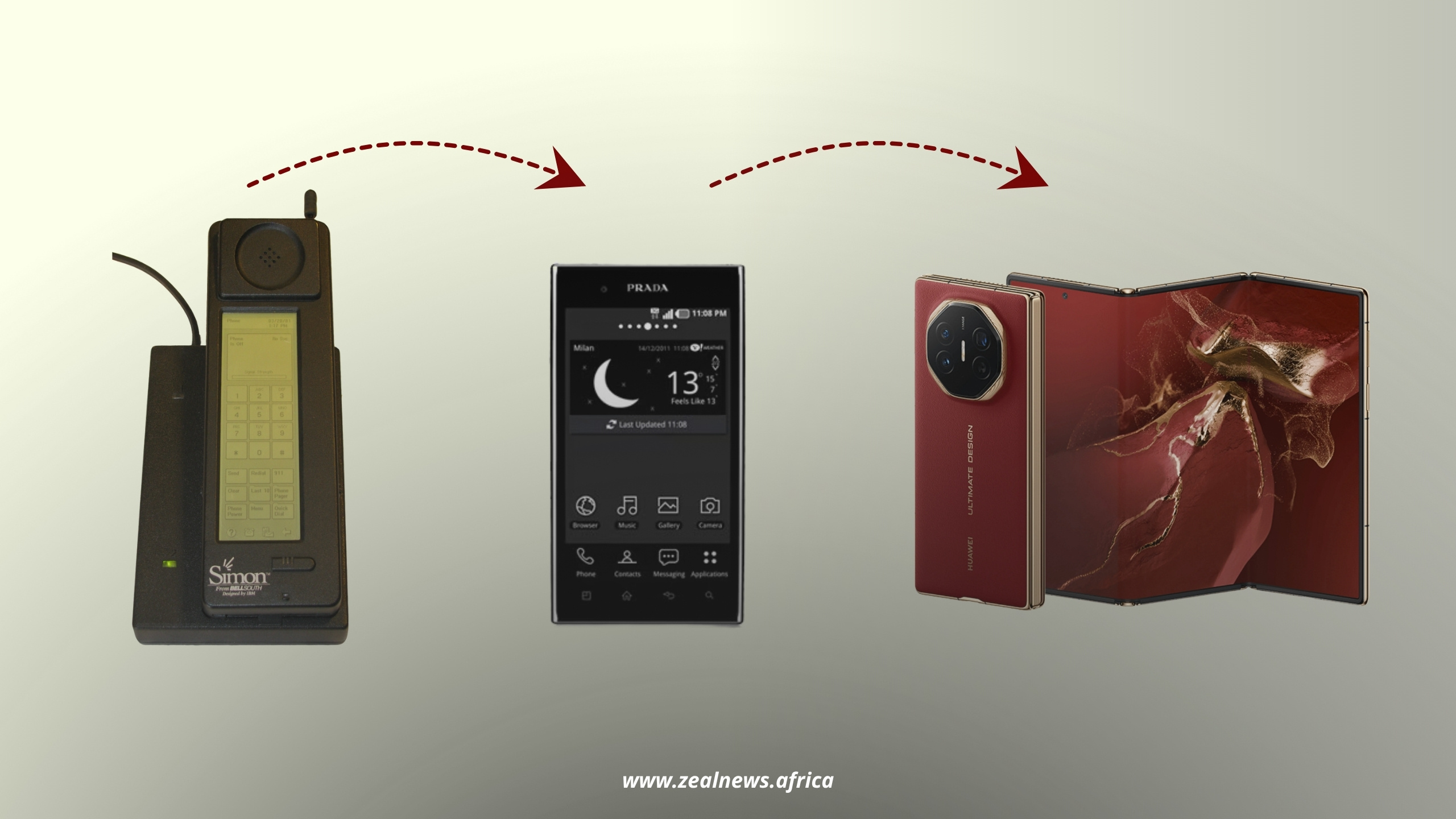
Technically, LG had releasedthe Prada phonewith a capacitive screen just weeks before the iPhone but it was Apple's device that rewired consumer expectations globally.
Glass Won
Within five years of the iPhone's release, manufacturers across every price range were scrambling to produce all-touch devices. By 2009, touchscreen smartphones were outselling keypad phones for the first time.
By the early 2010s, the keypad had effectively been retired. Nokia, the company that had once seemed untouchable, filed for major losses and eventually sold its phone business entirely.
On the African continent, the shift followed slightly later. The arrival of affordable Android devices in the early 2010s brought touchscreen technology to markets that had previously been out of reach. Suddenly, swiping was the default.
The keypad died because something better arrived, and once people felt the difference, there was no going back.
The IBM Simon proved the concept was possible. The iPhone proved it could be irresistible. Everything in between was just the world catching up.