The Chainsaw Was Invented to Saw Open Women's Pelvises: A Forgotten Horror of Medical History
The chainsaw was not invented for woodcutting. It was first designed in the 1700s to assist in traumatic childbirth procedures that cut through women’s pelvic bones — a disturbing chapter in medical history few people know about.
Paper comes from trees. Furniture comes from trees. Half the things holding your house together right now started as wood. The machine we trust most to cut through all of that thick, towering, layered wood is the chainsaw.
You know it. That loud, jagged-toothed thing that vibrates your whole arm and sounds like it has something to prove. You have seen it in horror movies. You have seen it on construction sites.
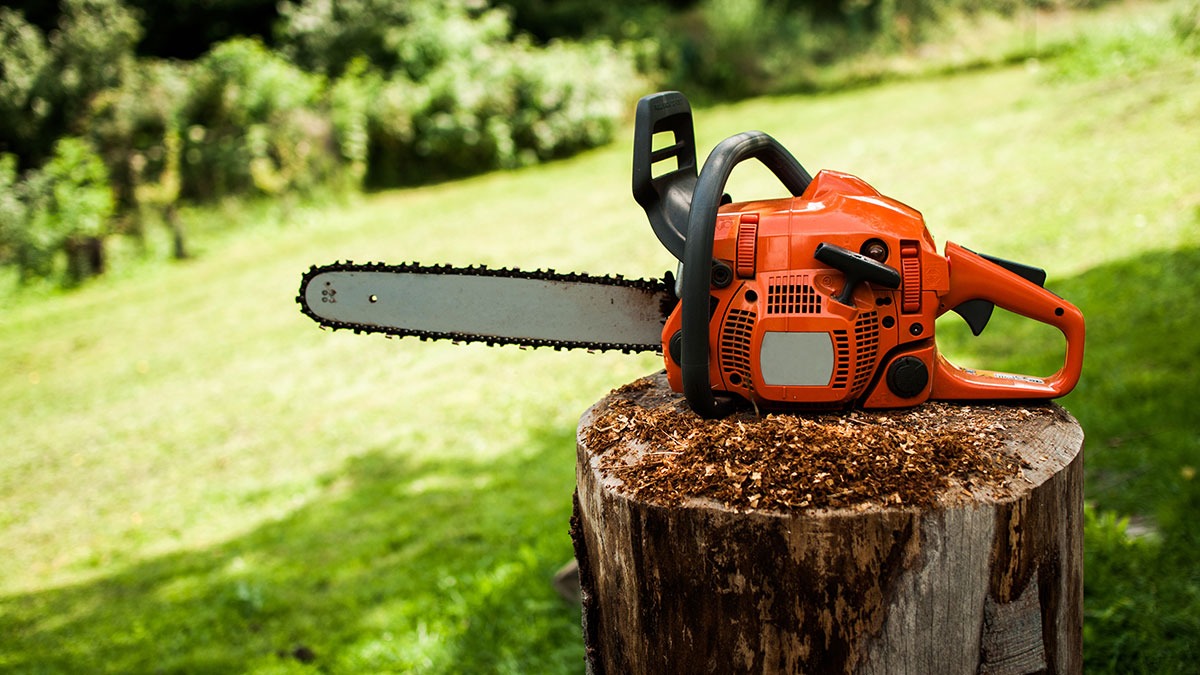
You probably never stopped to ask where it came from or what it was first built to do.
So let me ask you: what if the chainsaw was never meant for trees? What if it was invented to cut open a woman's pelvis while she was in labour?
It Started in a Delivery Room, Not a Forest
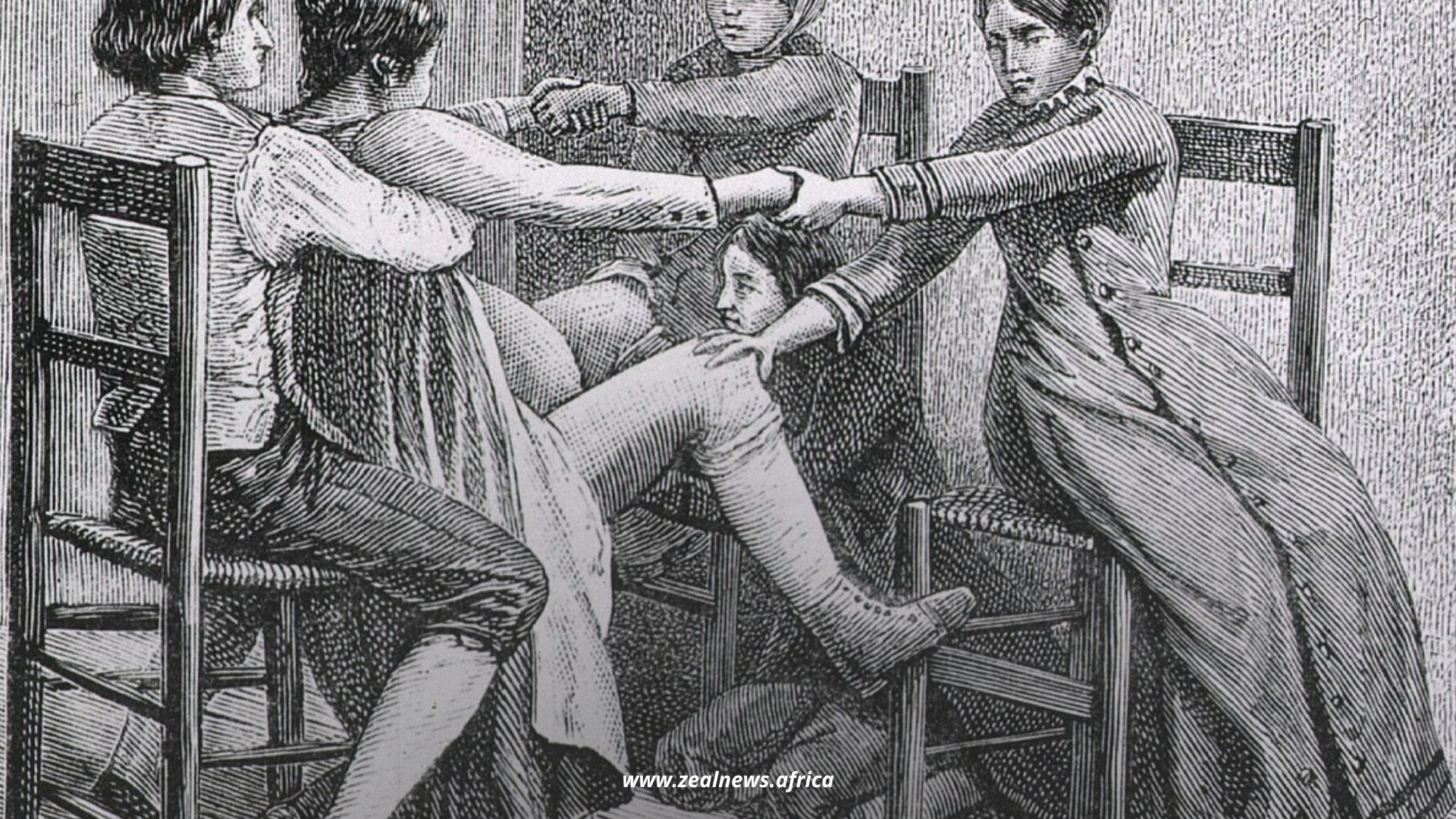
In the late 1700s, childbirth was already a death sentence. Women died in enormous numbers giving birth from blood loss, infections and obstruction.
When a baby was too large to pass through the birth canal, doctors faced an impossible choice of either watching the mother die, attempting a caesarean section that almost always killed the woman anyway, or trying something else entirely.
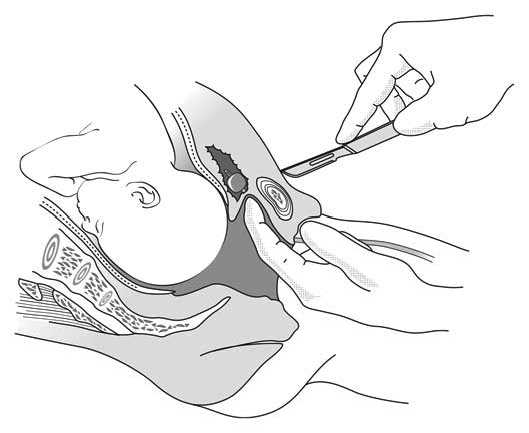
That something else was called a symphysiotomy. The procedure involved cutting through the cartilage of the pubic symphysis — the joint that holds the two sides of your pelvis together at the front — to widen the gap and let the baby through.
In theory, it sounds like a solution. In practice, it was one of the most brutal things done to a human body in the name of medicine.
Before the chainsaw, surgeons performed this procedure with a small, thin knife. It was slow and imprecise. It caused enormous collateral damage to surrounding tissue.
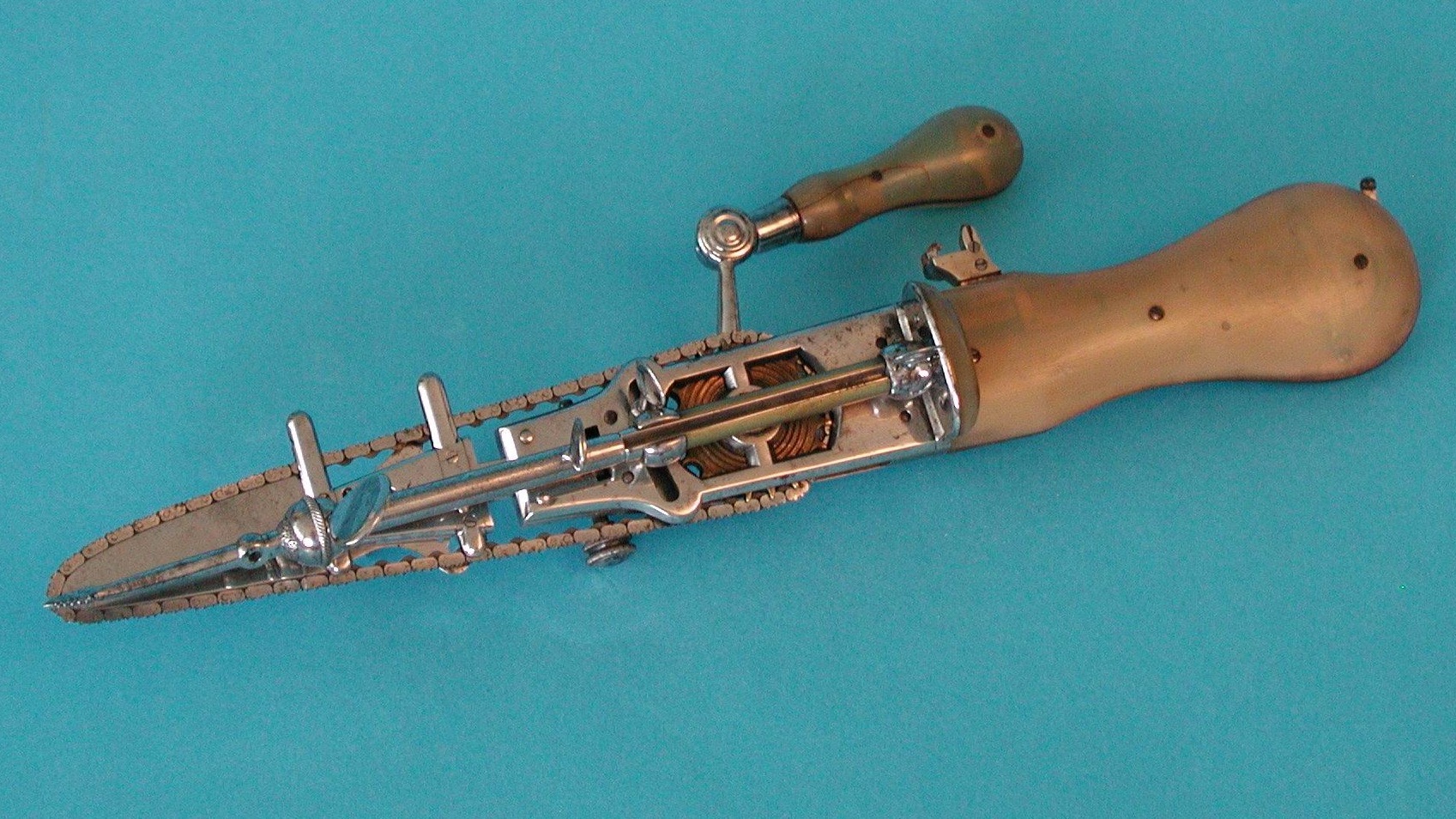
This led to two Scottish physicians, John Aitken and James Jeffray, designing a prototype of what we now recognise as the chainsaw around 1780.
A small, hand-cranked tool with a chain of serrated teeth, purpose-built to make the cutting of bone and cartilage faster and cleaner.
They did not build it for lumber. They built it for labouring women.
"For Her Own Good"
The thing about this historical fact is that the medical establishment of the time genuinely believed they were helping, and that is almost worse than if they had not cared at all.
The women these procedures were performed on were rarely wealthy. They were poor, they were often young, and they had almost no power in the room where decisions about their bodies were being made.
History
Rewind the Stories that Made Africa, Africa
A Journey Through Time, Narrated with Insight.
SUGGESTED READ: The Womb Was Never Yours: How Misogyny Shaped Gynaecology, And the Women Who Paid the Price
There were no female surgeons. There were no women in medical schools. There were no women in the rooms where these tools were designed, debated and approved for use. It was men, entirely, deciding what counted as acceptable pain for a woman to endure.
Caesarean sections existed; however, surgeons resisted them. It was not primarily because the risk to the mother was too high, though they cited that, but because the outcomes reflected on the surgeon's reputation.
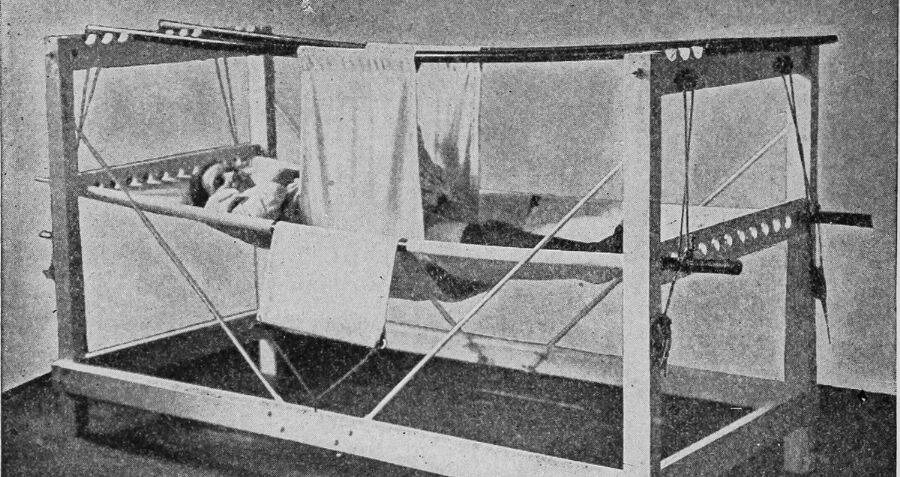
A symphysiotomy that resulted in the baby surviving was a success on paper, even if the mother spent the rest of her life unable to walk properly, incontinent and in chronic pain.
Women who survived the procedure frequently did so with permanent damage to their hips, bladder, and pelvis. They limped, suffered and were rarely asked how they were.

This was called progress.
The Audacity of Calling It Medicine
Now, it was not simply a product of its era, of limited knowledge, or of doing the best with what they had.
It was a reflection of a society that had decided, structurally and culturally, that women's bodies were a problem to be managed by men.
That pain, when it happened to a woman in childbirth, was either natural or necessary. That a woman's long-term quality of life mattered less than the outcome a physician could point to.
The chainsaw was invented out of convenience for the surgeon, not the patient. It made his job easier. What it made her life is a different question entirely, one history largely did not bother to ask.
Why This Matters Now
The chainsaw eventually left the delivery room and found its way to the forest, to factories, to film sets. Most people who use one today have no idea what it was built to do, and that forgetting is not accidental.
Medical history has a long tradition of erasing women's experiences — the suffering, the coercion, the complete absence of consent — and replacing it with a clean narrative about innovation and discovery.
A tool designed to cut open a woman faster, in a room where she had no voice, is not progress. It is a monument to what happens when an entire system decides that some bodies exist to be operated on, never consulted.
The chainsaw got its upgrade. The women it was first used on never got an apology.