The Advantages and Disadvantages of Artificial Intelligence in Society
AI is transforming the world—making life easier, faster, and smarter—but behind its benefits lies a growing question: are we in control of technology, or is it slowly taking control of us?
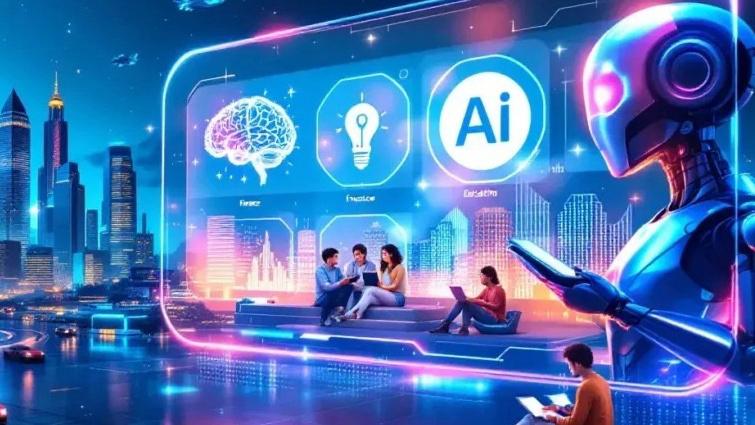
The origins of artificial intelligence (AI) date back to the mid-20th century, when researchers first explored how machines could mimic human intelligence.
And now Artificial Intelligence (AI) has become an important part of modern society, and it is used in many areas like education, healthcare, business, and communication.
AI helps people do tasks faster and more easily, such as answering questions, analyzing data, and helping doctors treat patients.
Because of this, many industries use AI to improve speed and productivity.
In education, AI helps students learn with online tools and quick information while in healthcare, it helps doctors detect diseases early and give better treatment.
Meanwhile in business, AI is used to improve customer service and manage work more efficiently, and these benefits have made life easier and more convenient.
However, AI also has some problems which have led to job loss because machines may replace human workers.
It can also raise privacy concerns because it collects personal information, and sometimes, AI can give wrong or misleading information, which can cause confusion.
Another concern is that people may depend too much on AI and stop thinking for themselves which could affect problem-solving skills over time.
In summary, AI has both good and bad sides, which could help in improving life, but it must be used carefully and responsibly to avoid problems.
Advantages of Artificial Intelligence
AI helps people save time and work more efficiently by performing tasks quickly and accurately.
It can process large amounts of data in seconds, which would take humans much longer to complete.
For example, AI can answer questions, sort information, and help businesses make faster decisions.
In healthcare, AI is very useful because it helps doctors detect diseases early and suggest possible treatments.
This can improve patient care and even save lives. In education, AI supports students by providing learning tools, explanations, and practice exercises that make studying easier and more effective.
In business, AI improves productivity by handling customer service, managing records, and analyzing market trends.
This helps companies serve customers better and grow faster. AI is also used in everyday life, such as in smartphones, navigation apps, and online recommendations, making daily activities more convenient.
Overall, AI is making many tasks simpler, faster, and more accurate, which is why it has become such an important tool in today’s world.

Disadvantages of Artificial Intelligence
Despite its many benefits, Artificial Intelligence (AI) also has several disadvantages that affect individuals, businesses, and society.
One major concern is job loss, with AI systems and machines becoming more advanced, they can perform tasks that were once done by humans.
This is especially common in areas like customer service, manufacturing, and data entry, but as a result, it has led some workers to lose their jobs or struggle to find new ones.
Another serious issue is privacy. Did you know that AI systems often collect large amounts of personal information to function properly? This data is used to improve their accuracy, personalize services, and provide better recommendations.
It can include information from social media, online shopping, and mobile apps. However, if this data is not properly protected, it can be hacked, misused, or shared without permission, putting people’s privacy at risk.
Misinformation is also a growing problem. AI can generate text, images, and videos that look real but are not always accurate.
This can lead to false news, scams, or misleading content that confuses people and affects decision-making.
If users trust AI-generated information without checking it, it can cause serious problems.
In addition, over-reliance on AI can reduce human skills because when people depend too much on technology, they may stop thinking critically or solving problems on their own.
This can weaken creativity and independent thinking over time.
Overall, while AI is very helpful, its disadvantages show that it must be used carefully and responsibly to avoid negative effects on society.
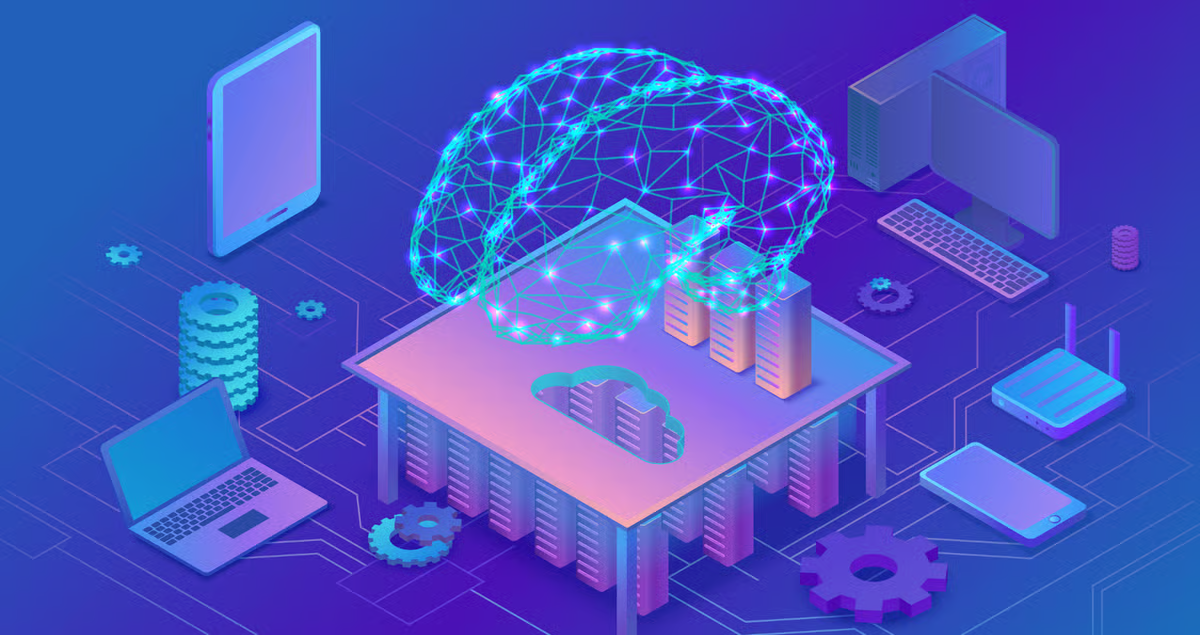
Impact of AI on Society
AI is fundamentally reshaping daily life and industry by accelerating automation, improving productivity, and enabling personalized solutions across sectors like healthcare, education, and business.
By 2026, AI technologies are deeply embedded in tasks ranging from AI-powered diagnostics in healthcare to adaptive learning platforms in education, driving efficiency and changing how humans work, learn, and live.
However, while AI brings progress and innovation, it also raises important concerns about fairness, safety, and responsibility.
Some people worry that AI systems may not always make fair decisions, especially if they are trained with biased data.
This can lead to unequal treatment in areas like hiring, school admissions, or even legal decisions.
Another concern is safety, and as AI becomes more powerful, there is fear that it could be used in harmful ways, such as spreadingfake information, committing cybercrimes, or creating deepfakes that are difficult to detect.
These risks make it important to monitor how AI is developed and used.
Over-reliance on AI is also a concern, as many people now depend on it for thinking, writing, and solving problems.
While it makes tasks easier, it may reduce critical thinking and creativity.
Because of this, experts believe AI should be guided by strong rules and used responsibly by governments, companies, and users.
Overall, AI has many benefits but must be managed carefully to reduce risks and ensure a better future.
Conclusion
Artificial Intelligence is already shaping the world in powerful ways, bringing both great benefits and serious challenges.
It makes life faster and easier, improves important industries, and opens new opportunities, but it also raises concerns about jobs, privacy, and misuse of information.
The real question is not whether AI will grow, but how it will be controlled and used.
The future of AI will depend on human choices—whether it becomes a tool that builds a better world or one that creates new problems.