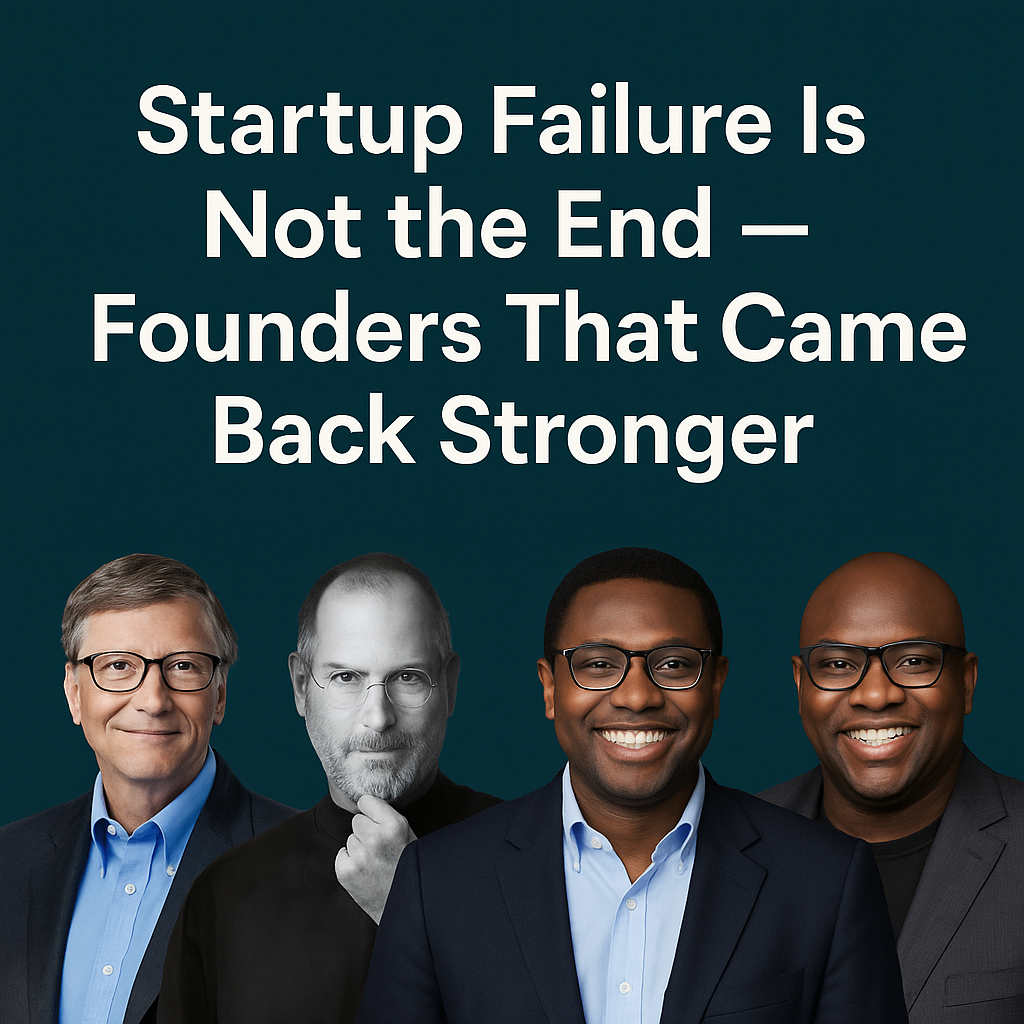
Startup Failure Is Not the End — Founders That Came Back Stronger
Startup failure isn't the end—it's often the beginning. Explore inspiring comeback stories of global and African entrepreneurs who turned early failures into billion-dollar successes, and learn the key lessons they applied to rise again.
Introduction: Failure Is Just the First Draft
The startup world moves fast—build, pitch, scale, repeat. But for many founders, the most important phase is the one no one wants to talk about: failure.
Whether it’s running out of cash, building a product no one wants, or losing control of your own company, startup failure is brutal. Yet, across industries and continents, some of the most iconic entrepreneurs share one thing in common: they failed, and came back stronger.
This article dives into the most inspiring, well-documented stories of founders who rose from startup failure to build global success stories. From Silicon Valley tech moguls to resilient African innovators, these entrepreneurs remind us that failure is not the opposite of success—it’s part of it.
Silicon Valley Legends: Failure as a Stepping Stone
Bill Gates – Traf-O-Data’s Flop Sparked Microsoft’s Flame

Few people know that before Microsoft, Bill Gates and his partner Paul Allen launched a business called Traf-O-Data, aimed at automating the processing of traffic data for local governments. They spent years building hardware to analyze traffic flow—but no one bought it.
Instead of folding completely, they used the technical lessons, teamwork experience, and understanding of the microprocessor revolution to start something new: Microsoft. Traf-O-Data failed, but it taught them to build software that solved real pain points, which changed the world.
Steve Jobs – Fired from Apple, Found a Bigger Vision

When Steve Jobs was fired from Apple in 1985, he was humiliated. But his firing forced a reinvention. He launched NeXT, a computer company with limited sales success but groundbreaking architecture. Around the same time, he acquired a struggling animation studio called Pixar.
NeXT’s software later became the foundation of Mac OS X. Pixar produced Toy Story, becoming the future of animation. Jobs eventually returned to Apple, and with the iPod, iPhone, and iPad, helped reinvent consumer tech. Without failure, Jobs wouldn’t have found his second act—or transformed Apple.
African Founders Who Failed, Pivoted, and Won
Africa’s startup scene is booming—but the road is tough. Funding gaps, infrastructure issues, and regulatory chaos often mean that even good ideas fail. These African entrepreneurs turned failure into fuel.
Tunde Kehinde – From E-Commerce Missteps to Logistics Success

Diaspora Connect
Stay Connected to Home
From Lagos to London, Accra to Atlanta - We Cover It All.
As co-founder of Jumia Nigeria, Tunde Kehinde faced enormous challenges: intense competition, delivery problems, and market instability. Jumia eventually scaled, but the journey taught him where Africa’s real pain points lay—last-mile logistics.
So he launched Africa Courier Express (ACE), a logistics platform focused on solving e-commerce delivery problems. By narrowing his focus, addressing a real infrastructure gap, and leveraging insights from Jumia, Kehinde built a more sustainable business. Today, ACE serves thousands of merchants across Nigeria.
Sangu Delle – Healing Through Pivoting

Sangu Delle invested heavily in a pan-African healthcare venture that didn’t take off. Instead of giving up, he sought mentorship from experienced entrepreneurs and studied why the model failed—poor execution, limited partnerships, unrealistic scaling plans.
He then launched Golden Palm Investments, focusing on scalable businesses in healthcare, fintech, and clean energy.

Today, Delle is recognized as a leading impact investor in Africa. Today, Delle is CEO of CarePoint (formerly Africa Health Holdings), a tech-forward healthcare system operating across Africa. He is also the Founder and Chairman of Golden Palm Investments, which has supported numerous startups that have raised over $1.2 billion in venture financing.
His story is proof that failure without reflection is wasted—but failure followed by strategic pivoting breeds legacy.
Sim Shagaya – Serial Setbacks to Edtech Powerhouse

Before his big wins, Sim Shagaya tried and failed multiple times. Ventures like Alarena.com, iNollyWood, and E-motion didn’t survive, largely due to infrastructure gaps and market immaturity. But Sim kept building.
In 2012, he launched Konga, Nigeria’s answer to Amazon. Though Konga faced massive logistical challenges and was eventually acquired, it transformed Nigerian e-commerce.
Not done yet, Shagaya pivoted again in 2019 with uLesson, an education technology startup offering mobile-first learning across Africa. The platform has raised over $25 million and is reshaping access to quality education.
Sim’s story proves that even repeated failure can be the foundation for transformational impact—if you keep iterating.
Iyinoluwa Aboyeji – Failure as a Foundation
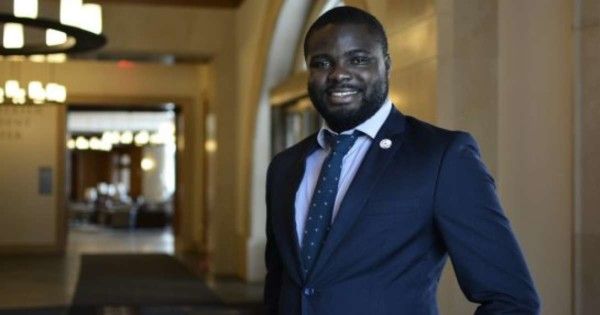
Before launching Flutterwave, Iyinoluwa Aboyeji experienced several startup misfires. A publishing platform he co-created folded. But with each failure, he built a stronger network and a deeper understanding of Africa’s digital infrastructure needs.
Diaspora Connect
Stay Connected to Home
From Lagos to London, Accra to Atlanta - We Cover It All.
He later co-founded Andela, solving the tech talent gap, and then Flutterwave
, one of Africa’s most successful fintech unicorns. His trajectory shows how early failure can sharpen focus and clarify mission.
Tope Awotona – From Multiple Failed Startups to a $3 Billion Scheduling Empire
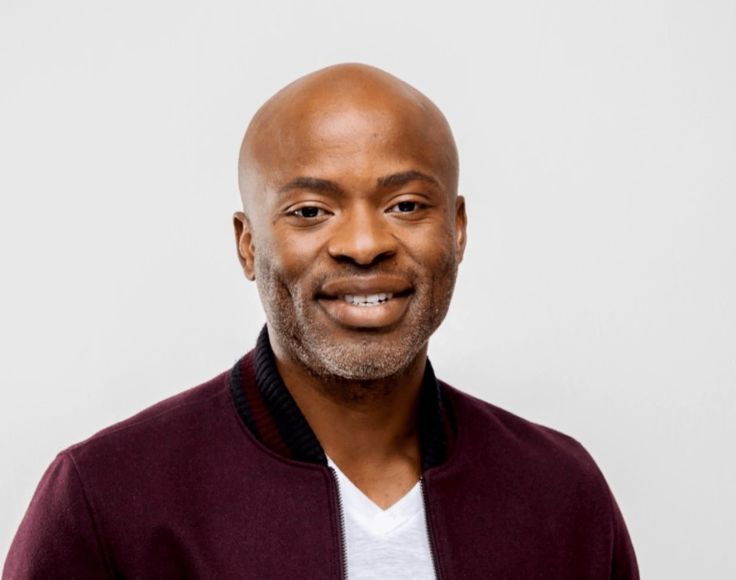
Before founding Calendly, the Nigerian-American entrepreneur tried and failed at launching a dating app, a projector-selling startup, and a project management tool.
Then came Calendly—a scheduling solution born out of frustration. Bootstrapped on his savings and maxed-out credit cards, Calendly became a global success valued at $3 billion. Awotona’s journey highlights the importance of clarity, user empathy, and never giving up after rejection.
Key Lessons for Founders: What Failure Teaches Better Than Success
1. Resilience Is Built, Not Born
Founders who bounce back don’t have superpowers—they develop resilience like a skill. Through mindset shifts, emotional regulation, and support systems, they rebuild better.
2. Reframe Failure as Market Feedback
Successful founders don’t personalize failure—they treat it as data. This detachment allows them to course-correct quickly and spot patterns.
3. Pivoting Isn’t Weakness, It’s Strategy
The best founders change business models, target customers, or entire markets based on feedback. They pivot not out of desperation, but out of insight.
4. Mentors and Networks Are Safety Nets
From Sangu Delle to Steve Jobs, almost every comeback story involves strategic mentorship and peer support. Don’t build in isolation.
5. Success Often Follows Repetition
Diaspora Connect
Stay Connected to Home
From Lagos to London, Accra to Atlanta - We Cover It All.
The more you try, the more you learn what doesn’t work—and what might. Consistent effort compounds over time.
The Comeback is Always Stronger Than the Setback
If your startup has failed, take a breath. You are not alone. You are not disqualified. In fact, you’re now part of a powerful tradition of entrepreneurs who tried, failed, and tried again—smarter, braver, and with a clearer sense of purpose.
Startup failure isn’t the end. It’s just the first draft of a better story.