Sisters in Revolt: A Continent-Wide History of Women-Led Protests in Africa
From Nigeria to South Africa, Ghana to Senegal, African women have a long and powerful tradition of standing up, speaking out, and shaking empires. This is the untold story of Africa’s female-led revolutions
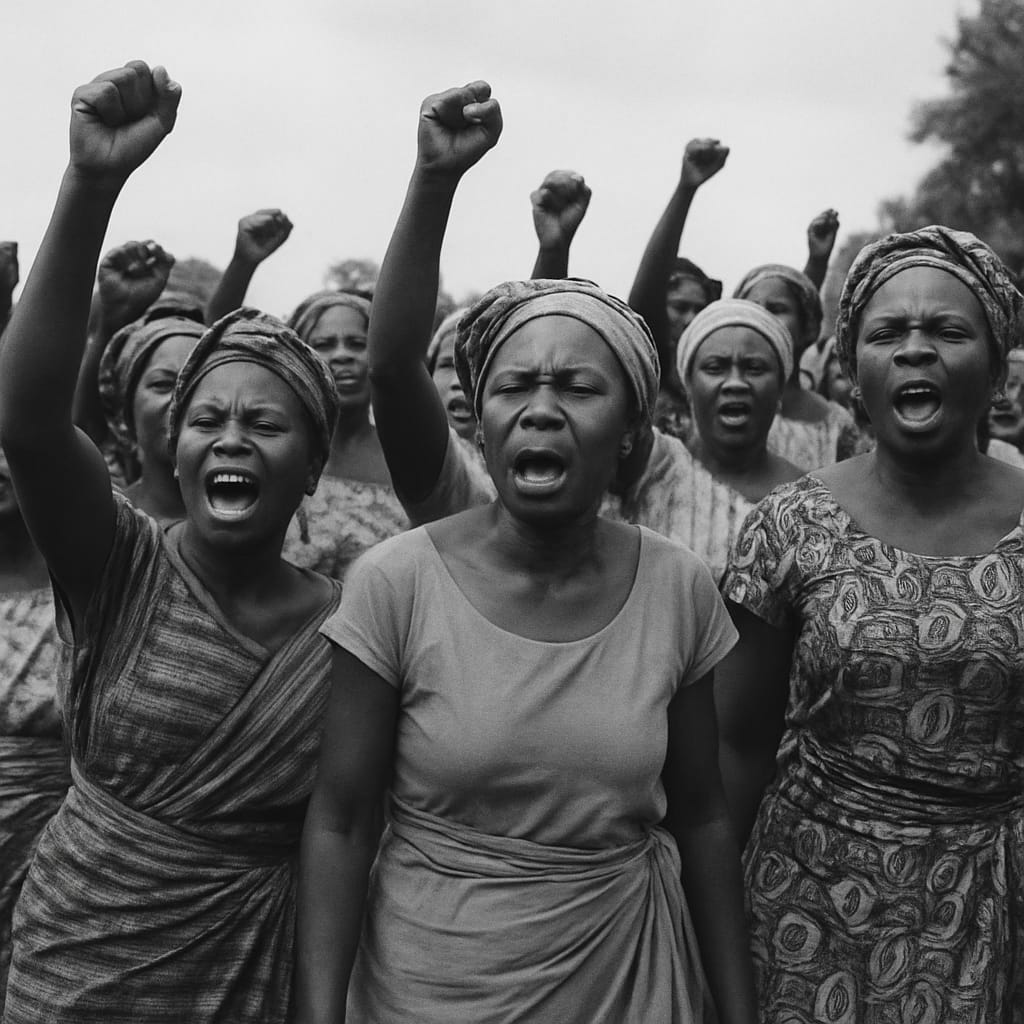
When Women Refused to Be Silent
History tends to remember revolutions as the work of men with weapons. Names like Mandela, Nkrumah, Lumumba, and Kenyatta dominate the archives. But look beneath the surface of Africa’s political upheavals, and you’ll find the fierce footprints of women—market women, mothers, daughters, farmers—who organized, resisted, and protested long before it became fashionable.
These were not side characters. They were front-liners. Their protests didn’t always make the headlines or the statues, but they changed laws, toppled systems, and laid the groundwork for African independence movements.
The Aba Women’s War of 1929 is perhaps the most iconic of these movements. But it was not an isolated event. Across the continent, from the dusty plains of Kenya to the crowded markets of Ghana, from Dakar to Pretoria, women rose up. And they didn’t ask for permission.
The Aba Women’s War (Nigeria, 1929): The Spark that Lit a Legacy
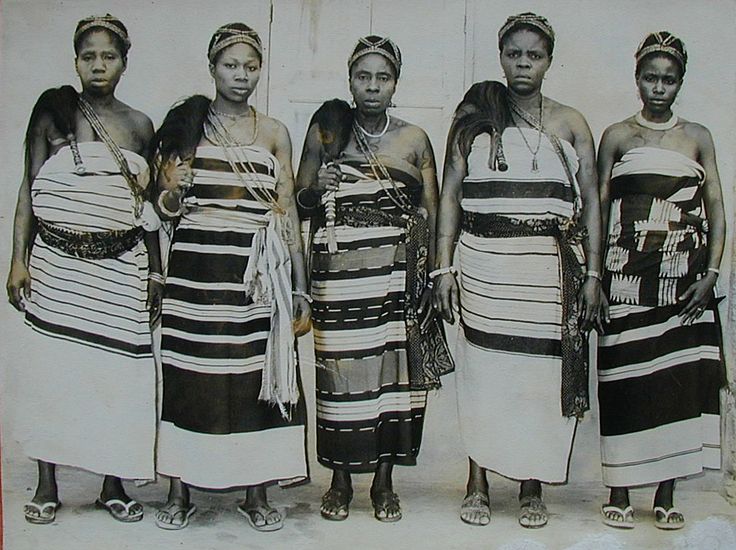
In southeastern Nigeria, colonial authorities tried to impose direct taxes on women, dismantling their traditional power structures in the process. What they got instead was a rebellion. Over 10,000 Igbo women mobilized, using cultural resistance strategies like sitting on a man to shame colonial warrant chiefs and block British rule.
They weren’t just protesting tax—they were protesting erasure. These women shook colonial confidence, suspended tax laws, and inspired generations to come.
But this war of voices was just one battle in a continent-wide campaign.
READ ALSO: When Women Roared: The Untold Story of the Aba Women’s Riot of 1929
South Africa, 1956: “You Have Struck a Woman, You Have Struck a Rock”
On August 9, 1956, more than 20,000 women of all races marched to the Union Buildings in Pretoria to protest apartheid’s pass laws, which restricted the movement of Black South Africans.
The women, organized by the Federation of South African Women, delivered petitions to the Prime Minister’s office, stood in silence for 30 minutes, and sang defiant freedom songs.
These women didn’t just oppose unjust policies. They were redefining the image of South African womanhood—not as passive mothers but as political warriors.
Their chant, “Wathint' Abafazi, Wathint' Imbokodo!” (You strike a woman, you strike a rock), became the battle cry of women’s resistance and is still celebrated annually as National Women’s Day in South Africa.
History
Rewind the Stories that Made Africa, Africa
A Journey Through Time, Narrated with Insight.
Kenya and the Mau Mau Uprising: The Mothers of the Forest
During the brutal Mau Mau Rebellion (1952–1960), Kikuyu women weren’t just behind the scenes—they were building the scenes. They formed support networks that smuggled weapons, provided intelligence, treated wounded fighters, and even initiated naked protests—a sacred form of spiritual defiance meant to curse and shame colonial forces.
Many were arrested, tortured, and killed. But their contributions were critical to the survival of the anti-colonial movement. They challenged not only the British but also patriarchal limitations within their own society, demanding recognition as equal stakeholders in Kenya’s freedom.
Ghana (Gold Coast), 1948: The Market Women of Accra
In February 1948, as Ghana’s independence movement heated up, protests broke out across Accra following the killing of World War II veterans by British police.

Market women were among the first to hit the streets. They organized economic boycotts, closed down trading stalls, and rallied behind the United Gold Coast Convention (UGCC).
These women had a long history of using their economic power as leverage. Earlier, in the 1930s and 1940s, Asante and Ga market women had protested price controls, new taxes, and colonial restrictions on trade. Yaa Asantewaa, though from an earlier era (1900), had already set a precedent as the queen mother who led an armed rebellion against the British to protect the Golden Stool of the Ashanti.
Ghanaian women turned markets into battlefields and economics into resistance.
Senegal: The Market Strikes of Dakar and Saint-Louis
In colonial Senegal, women traders—many of them known as Signares—wielded enormous influence. When the French authorities tried to impose harsh market regulations and taxes in Dakar and Saint-Louis during the early 20th century, women went on strike, shutting down markets and paralyzing food supplies.
These protests were not just about economics—they were about power. Market women were the backbone of urban trade, and colonial authorities underestimated how devastating it would be to lose their cooperation.
The women demanded to be treated as political agents, not mere vendors. And in many cases, they won concessions and forced colonial officers to negotiate.
Sierra Leone, 1951: The Women’s War You Never Heard Of
In the British Protectorate of Sierra Leone, 1951 marked the beginning of what became known as the Sierra Leone Women’s War. Women from various ethnic groups, especially the Mende and Temne, organized protests against newly introduced taxes and the increasing powers of male chiefs installed or supported by the British.
They accused the chiefs of betraying their communities and collaborating with colonial oppressors. Using market closures, road blockades, and mass gatherings, the women disrupted administrative operations across several districts.
History
Rewind the Stories that Made Africa, Africa
A Journey Through Time, Narrated with Insight.
They also challenged the gendered nature of indirect rule, which systematically shut women out of political participation.
Cameroon: The Anlu Uprising (1958–1961)
In western Cameroon, the Kom women launched a massive social movement called Anlu in 1958. Using deeply symbolic and spiritual protest techniques—including wearing men's clothes, mock burials of living politicians, and stripping naked—they opposed the pro-French policies of the ruling elite and campaigned for community justice.
Anlu wasn’t just political. It was feminist performance art as resistance. The movement became so influential that it reshaped party politics in the region and helped the opposition win major elections.
Unlike many male-dominated protest movements, Anlu was led, defined, and sustained by women. They created their own codes, councils, and punishments—and dared anyone to defy them.
Shared Strategies: African Women’s Protest Tactics
Across these diverse contexts, African women used similar protest tactics, often rooted in local tradition and collective solidarity:
Market shutdowns to hit colonial economies where it hurt
Public shaming rituals, including stripping, song, and dance
Mass petitions and silent marches that defied stereotypes of feminine passivity
Spiritual resistance, invoking ancestral powers, curses, or taboos
Intergenerational organizing, with older women mentoring younger activists
These were not spontaneous uprisings. They were deliberate, strategic, and deeply cultural forms of resistance.
Nigeria Again: The Abeokuta Women’s Union and Funmilayo Ransome-Kuti
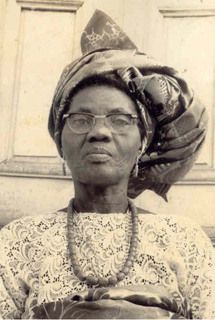
Nigeria didn’t stop resisting after 1929. In the 1940s, Funmilayo Ransome-Kuti—educator, activist, and mother of Fela Kuti—led the Abeokuta Women’s Union, one of the most formidable feminist movements in Africa.
History
Rewind the Stories that Made Africa, Africa
A Journey Through Time, Narrated with Insight.
The union protested unfair taxation, the dictatorship of local rulers, and exclusion of women from governance. Their strategies included market boycotts, town hall takeovers, and direct confrontation with colonial administrators.
Conclusion: A Legacy Still Marching
Across colonial Africa, from Nigeria’s markets to Cameroon’s hills, from Accra’s streets to Pretoria’s government buildings, African women have fought tirelessly against injustice.
These protests weren’t footnotes in male-led liberation—they were blueprints. And they remind us that African feminism is not imported—it is indigenous, rooted in our cultural memory and political history.
As modern African women continue to rise—marching against police brutality, gender violence, and economic inequality—they do so in the footsteps of warriors who sang, danced, wept, and roared in resistance.
This history isn’t just worth remembering—it’s worth repeating.