Potassium Deficiency Linked to Higher Stroke Risk, Experts Warn
Health experts warn that millions may be lacking potassium, a vital mineral linked to lower blood pressure and a reduced risk of stroke and heart disease.
Millions of people may be unknowingly lacking potassium, a key mineral that helps regulate blood pressure and supports heart health.
Health experts say insufficient potassium intake could raise the risk of heart attacks and strokes, while also triggering a range of symptoms that often go unnoticed.
According to Professor John Young of Teesside University, potassium deficiency is more common than many people realise, largely due to diets high in ultra-processed foods and salt.
Why Potassium Matters for the Body
Potassium plays a critical role in several bodily functions, including nerve signalling, muscle contraction, and maintaining a steady heartbeat.
It also helps regulate blood pressure by counteracting sodium, allowing the body to remove excess salt through urine.
This process is a major reason why higher potassium intake has been associated with lower cardiovascular risk.
Research cited by health experts suggests diets rich in potassium may reduce the risk of stroke by around 20 percent.
Common Symptoms of Low Potassium
Low potassium levels can produce a variety of symptoms that are often mistaken for other health problems.
Mild deficiencies may cause muscle cramps, headaches, constipation, or fatigue.
More severe deficiencies can lead to heart palpitations, mood changes, digestive problems, and breathing difficulties.
Because these symptoms can appear gradually, many people remain unaware that potassium deficiency may be the underlying cause.
Many People Fail to Meet Daily Intake
Health authorities recommend that adults consume around 3,500 milligrams of potassium per day, according to guidelines from the National Health Service (NHS) and the World Health Organization (WHO).
However, data from the UK’s National Diet and Nutrition Survey suggests many people fall short of this target.
The survey found that 10 percent of men, 24 percent of women, and about one-third of teenagers do not consume enough potassium in their daily diets.
Simple Dietary Changes Can Help
Experts say increasing potassium intake can often be achieved through small dietary adjustments.
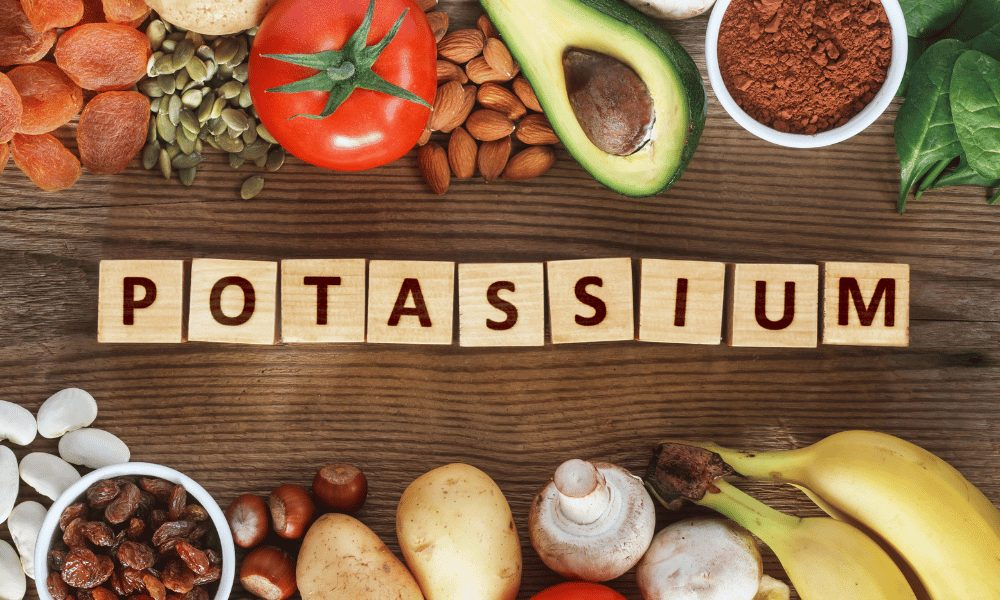
Foods rich in potassium include bananas, baked potatoes with skin, spinach, yoghurt, fruit juices, and tuna.
Reducing salt consumption can also help maintain healthier potassium levels, since excess sodium can disrupt the body’s balance of these minerals.
Some experts suggest using potassium-based “low-salt” alternatives as a simple way to reduce sodium intake.
When Supplements May Be Needed
For some people, diet alone may not provide sufficient potassium.

In such cases, doctors may recommend multivitamin supplements containing potassium, though experts advise checking product labels to confirm nutrient levels.
In healthy individuals, the body usually removes excess potassium through the kidneys, preventing dangerous accumulation.
Certain Conditions Require Caution
However, people with kidney disease must be careful with potassium intake.
If the kidneys cannot properly remove excess potassium, the mineral can build up in the bloodstream and lead to irregular heart rhythms or heart failure.
In such cases, doctors may recommend limiting potassium-rich foods.
Recognising Warning Signs
Experts advise seeking medical advice if symptoms such as chest pain, dizziness during mild activity, or unusual fatigue occur.
For many people, these symptoms may signal that dietary habits need adjustment.
Research also suggests that diets rich in potassium-containing foods such as bananas, avocados, and leafy greens may significantly improve cardiovascular health over time.