SHE100: She Built a Ministry From Scratch and Fed Nearly Ten Million Children — Sadiya Umar Farouq
She was handed a federal ministry and a mandate to reach Nigeria's most vulnerable. Over four years, she facilitated the feeding of nearly ten million children, employed over a million young Nigerians, and disbursed microloans to traders across the country. Amidst all investigations came. Sadiya Umar Farouq's story holds both realities and demands that both be told.
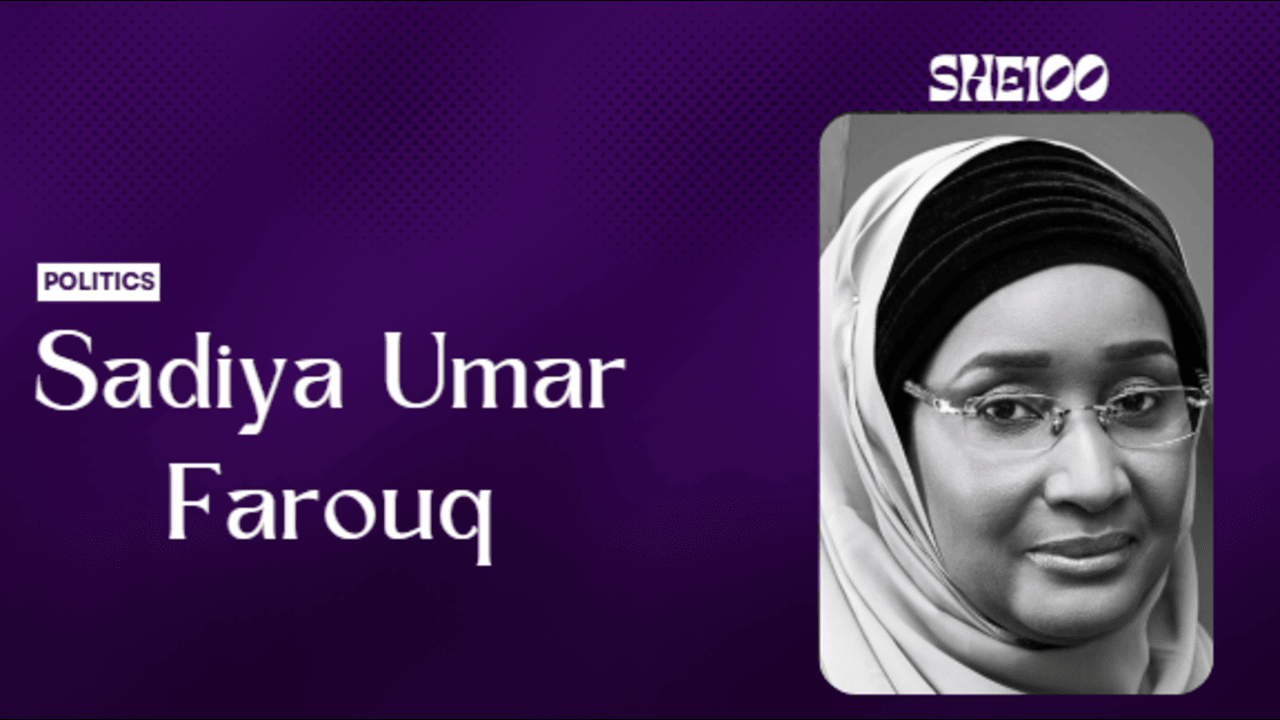
On August 21, 2019, the late President Muhammadu Buhari signed into existence a brand new ministry, the Federal Ministry of Humanitarian Affairs, Disaster Management and Social Development.
It had no template. It had no predecessor to learn from, no inherited staff culture to either build on or dismantle, no established systems for disbursing the billions that would flow through it.
It just solely had a mandate, to coordinate humanitarian interventions, manage disasters, and administer Nigeria's social investment programmes and it had a minister.
Sadiya Umar Farouq, the youngest member of the federal cabinet at the time, was appointed as its minister and walked into that ministry on day one and began to build it from nothing.
What she built, over four years, touched the lives of at least twenty million Nigerians. Children who had never eaten a full meal at school.
Young people who had no employment and no skills. Traders operating on the margins of the informal economy with no access to credit.
Internally displaced persons living in camps with no medical facilities. Disaster victims waiting for a government that had no coordinated way of reaching them.
Through the federal ministry she reached them, imperfectly, under-resourced, often under attack, but she reached them anyway.
Her story is not without its shadows. No story of this scale, in a country as complex as Nigeria, ever is.
But to look only at the shadows is to miss the substance and the substance of Sadiya Umar Farouq's four years as a pioneer minister is substantial enough to demand a fuller telling.
From Zamfara to the Senate Chambers: A Political Life Built From the Ground Up
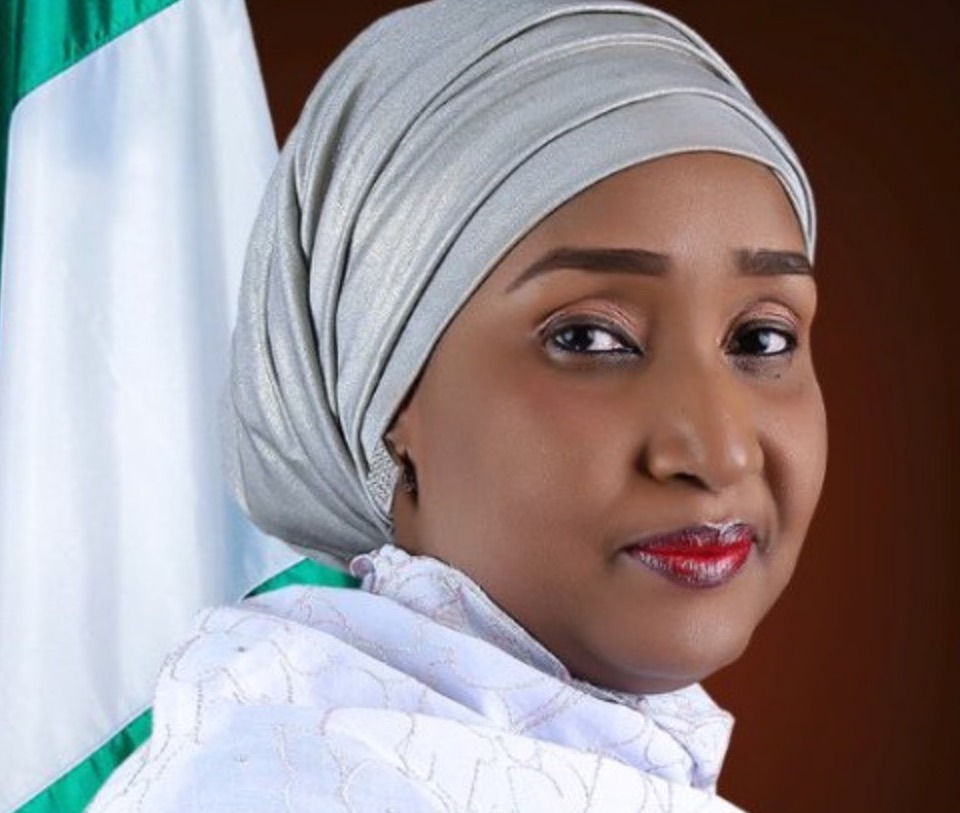
Born on November 5, 1974, in Zurmi Local Government Area of Zamfara State, Sadiya Umar Farouq grew up in the northwestern part of Nigeria.
She attended Federal Government Girls College Gusau before enrolling at Ahmadu Bello University in Zaria, where she graduated with a BSc in Business Administration.
She later served with the National Youth Service Corps and built an early career that moved between the bureaucratic and private sectors, working under Senate committees on Aviation and Appropriation from 1999 to 2000, and later as Operations Manager at Pinnacle Travels and Tours from 2001 to 2003.
In 2010, she made a deliberate pivot. She resigned from the National Assembly Commission and formally entered politics as a member of the Congress for Progressive Change, the party whose presidential candidate was Muhammadu Buhari.
She rose to become the national treasurer of the CPC, and when the CPC merged into the All Progressives Congress in 2013, she became the APC's interim national treasurer.
She served on the APC Presidential Campaign Council for the 2015 elections, working in directorates covering election planning, field operations, and fundraising, eventually Buhari, through the APC won the 2015 presidential election.
In September 2016, she was appointed Federal Commissioner of the National Commission for Refugees, Migrants and Internally Displaced Persons, a role that brought her face to face with the human cost of Nigeria's conflicts, particularly in the North East where Boko Haram had displaced hundreds of thousands.
It was here that her humanitarian instincts sharpened into a professional discipline. Her performance in that role, by most accounts, is what led Buhari to appoint her minister in 2019, making her both the pioneer head of a new ministry and the youngest member of his cabinet.
Nearly Ten Million Children Fed, Twenty Million Lives Touched
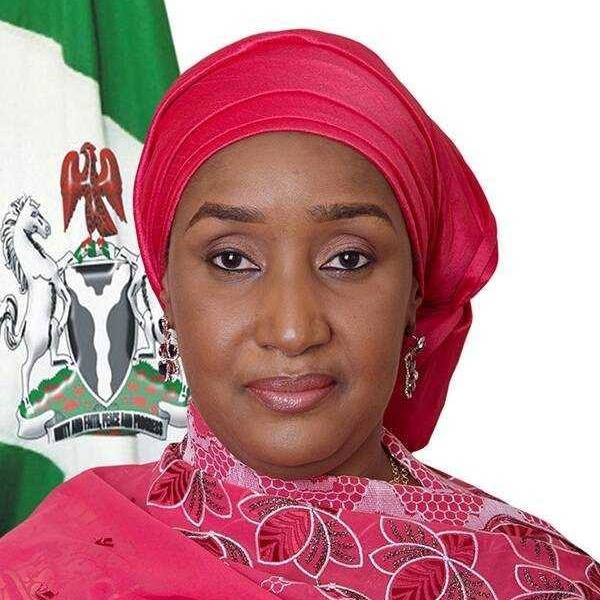
The scale of what the ministry attempted under Sadiya Umar Farouq is difficult to fully comprehend from the outside.

The National Home Grown School Feeding Programme, which she inherited at 8.71 million children and grew to nearly 10.05 million — fed one hot, nutritious meal per school day to children across Nigeria's public schools.
Over 127,000 cooks were employed directly by the programme and over 100,000 smallholder farmers supplied the food that was distributed to a lot of schools.
The N-Power scheme, another initiative by the ministry under her tenure, provided temporary employment and skills training to young Nigerians and it grew under her watch.
The Government Enterprise and Empowerment Programme extended interest-free microloans through TraderMoni, MarketMoni, and FarmerMoni to traders, market women, and farmers operating at the bottom of the economic pyramid.
The National Conditional Cash Transfer programme reached nearly two million households with direct cash support.
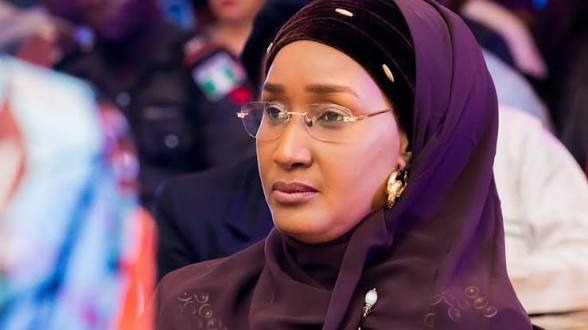
Working with the World Food Programme, World Bank, USAID, the European Union, and the UN-OCHA, her ministry built a 14-bed and a 21-bed medical facility near IDP camps in Maiduguri, using prefabrication technology during the COVID-19 pandemic.
She won the National Humanitarian Response to COVID-19 Award in 2020. She also commissioned the National Disability Electronic Certificate Production Centre, a facility designed to ensure that Nigeria's estimated thirty million persons with disabilities had documented access to the benefits and protections due to them.
She built, from scratch, the institutional architecture of a ministry that had never existed before and left behind documented systems, a signed NSIP Agency Bill designed to ensure the programmes' sustainability beyond any single administration, and a record of impact that cut across thirty-six states and the Federal Capital Territory.
The Investigation and What Remains
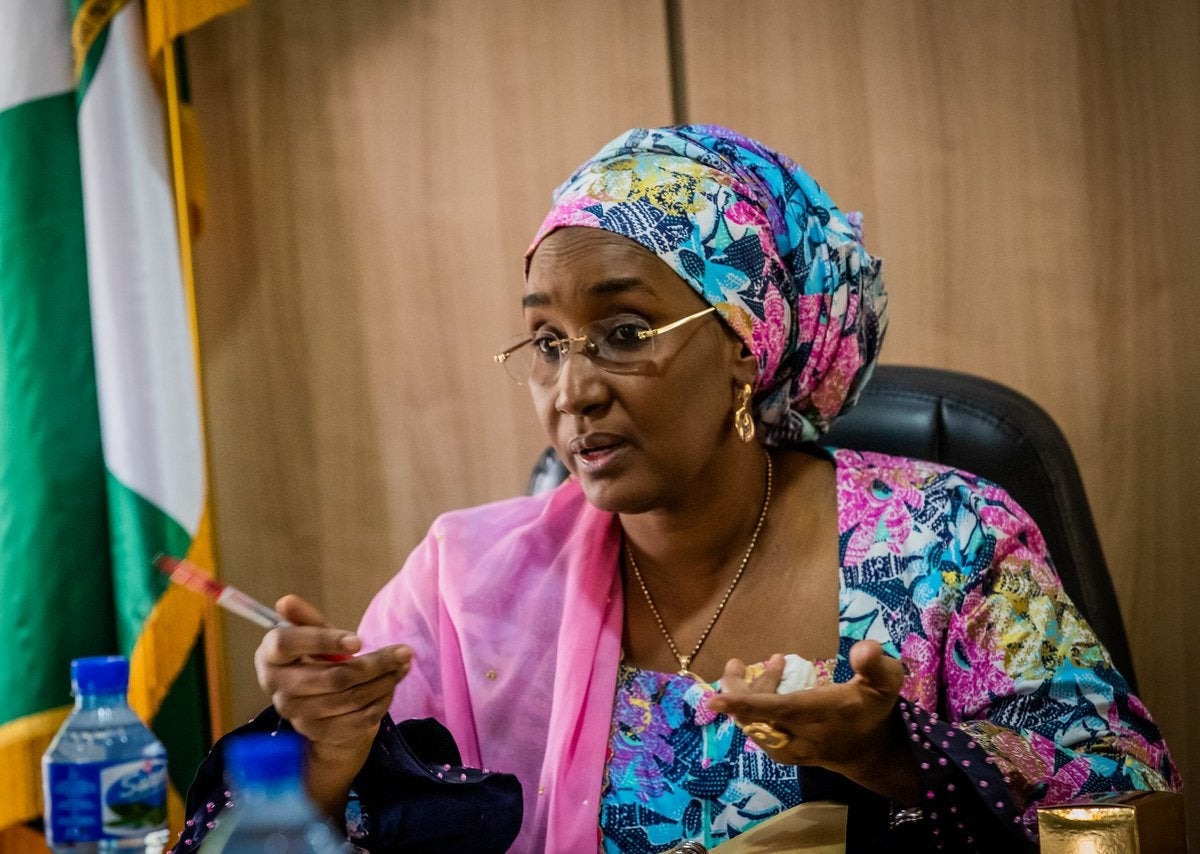
In December 2023, seven months after she left office, the EFCC initiated an investigation into alleged money laundering of approximately N37.1 billion during her tenure, funds allegedly channelled through a contractor named James Okwete across thirty-eight bank accounts linked to fifty-three companies.
She was summoned in January 2024, initially did not appear citing health concerns, and subsequently honoured a second invitation and was questioned.
She denied all knowledge of or dealings with the contractor. A federal high court in July 2024, separately ordered her to account for the disbursement of N729 billion in poverty alleviation funds, a broader scrutiny of the ministry's financial management across its four-year lifespan.
The investigations are ongoing. They are serious and they deserve to run their full course, accountability in the management of public funds is not optional, and no office, however impactful, is exempt from scrutiny.
What is equally true is that the investigations do not erase the school meals eaten, the microloans disbursed, the young people employed, or the displaced persons sheltered by the vision of a woman in a month that women are being celebrated.
Both things can and must be held at once, the record of service and the obligation to account for how the service was financed.
A book documenting her tenure—titled simply Sadiya—has been published, tracing her journey from Zamfara to the ministry and the programmes she ran.
The story of Sadiya Umar Fatouk is worth reading because of the impact she made while holding a political position.