She100: Oby Ezekwesili — How Nigeria's 'Madam Due Process' Became One of Africa's Loudest Voices for Education
From anti-corruption reform to global education advocacy, Oby Ezekwesili’s journey from “Madam Due Process” to one of Africa’s most influential voices reveals how accountability and education shape a nation’s future.
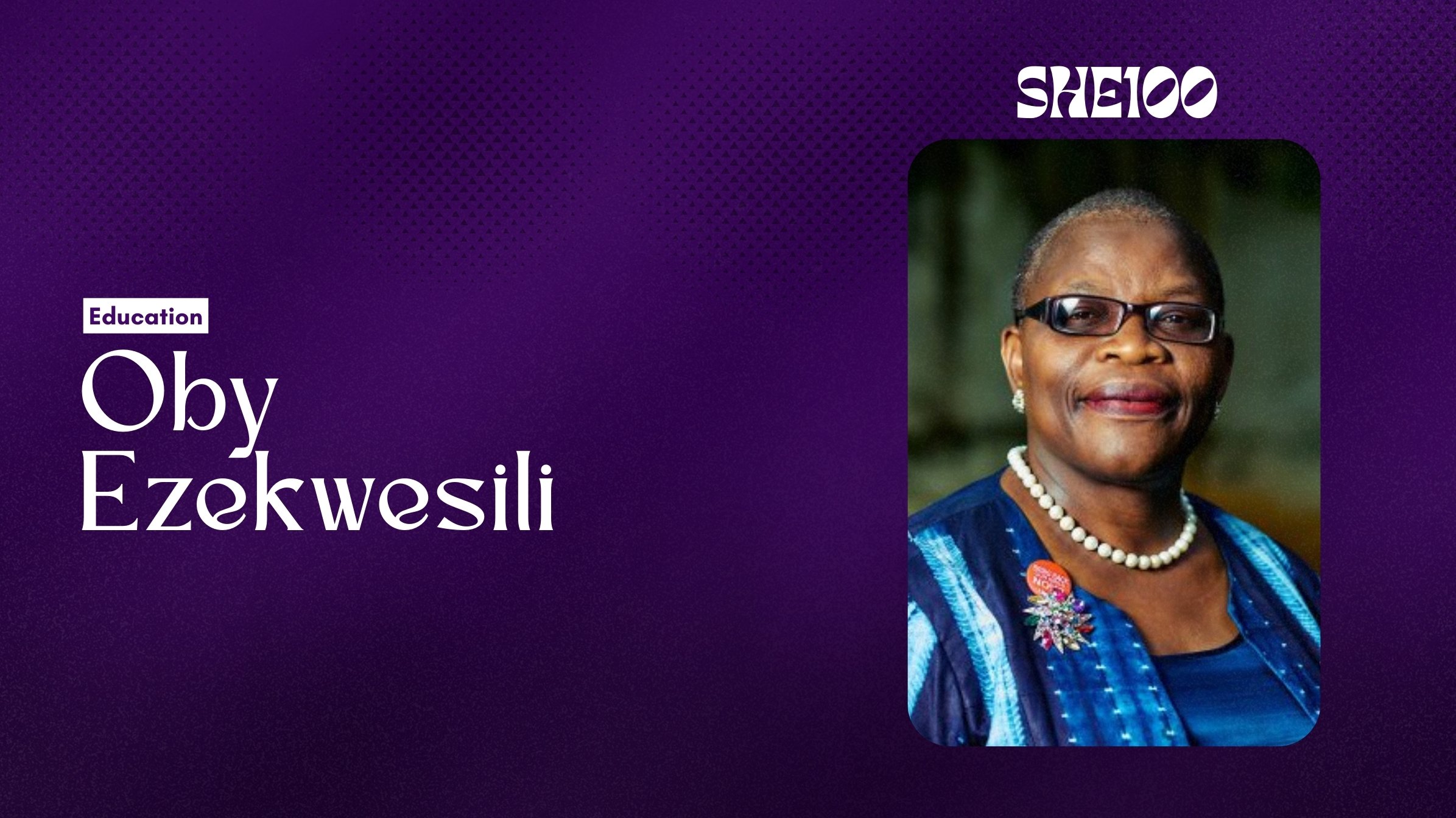
There are people who spend their careers talking about fixing broken systems, and then there are people who actually get in there and do it.
Obiageli "Oby" Ezekwesili is firmly in the second category. Born in Anambra State on April 28, 1963, she has spent over three decades doing the unglamorous, thankless and absolutely necessary work of holding institutions accountable in Nigeria, across Africa and on the world stage.
If you haven't heard of her yet, that is about to change.
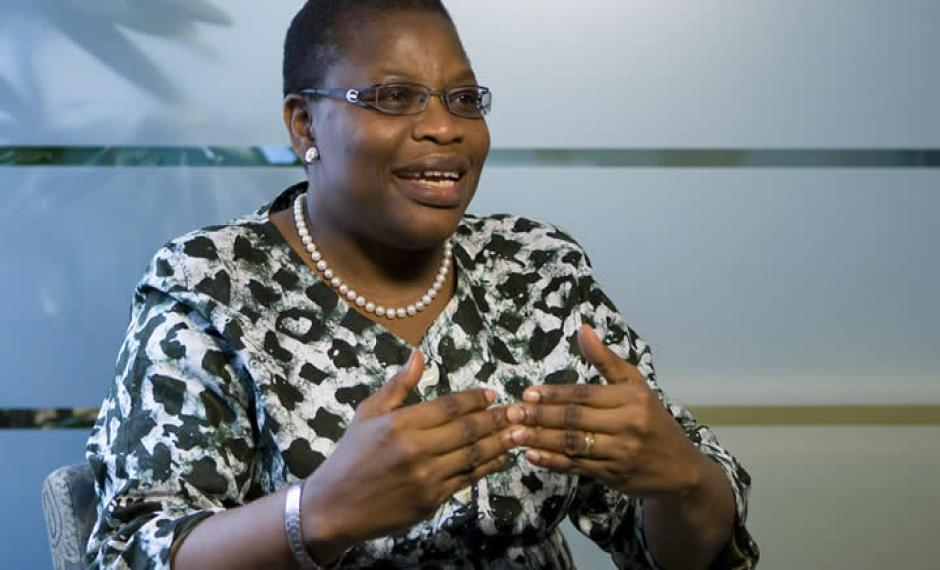
The Making of 'Madam Due Process'
Before the nickname, before the World Bank, before the hashtags, there was a chartered accountant with a sharp eye for numbers and a lower-than-zero tolerance for waste.
Oby started her career at Deloitte & Touche as an auditor and management consultant. She then helped co-found Transparency Internationalin the early 1990s, one of the world's most recognised anti-corruption bodies, and served as its Director for Africa from 1994 to 1999.
This was not someone who stumbled into accountability work. It was a calling she answered early.
When democracy returned to Nigeria in 1999, President Obasanjo invited her back home.
She took on the role of headingthe Budget Monitoring and Price Intelligence Unit, an office that, under her leadership, became something the Nigerian government wasn't exactly famous for: effective.
She introduced strict due process mechanisms into public procurement, mandating transparency, competitive bidding and actual value for money.
Before her reforms, the federal government was getting just 40 kobo of value for every naira spent. Under her watch, that figure rose to 75 kobo. The savings ran into billions.
Nigerians, grateful and a little stunned, gave her the name that stuck, Madam Due Process.
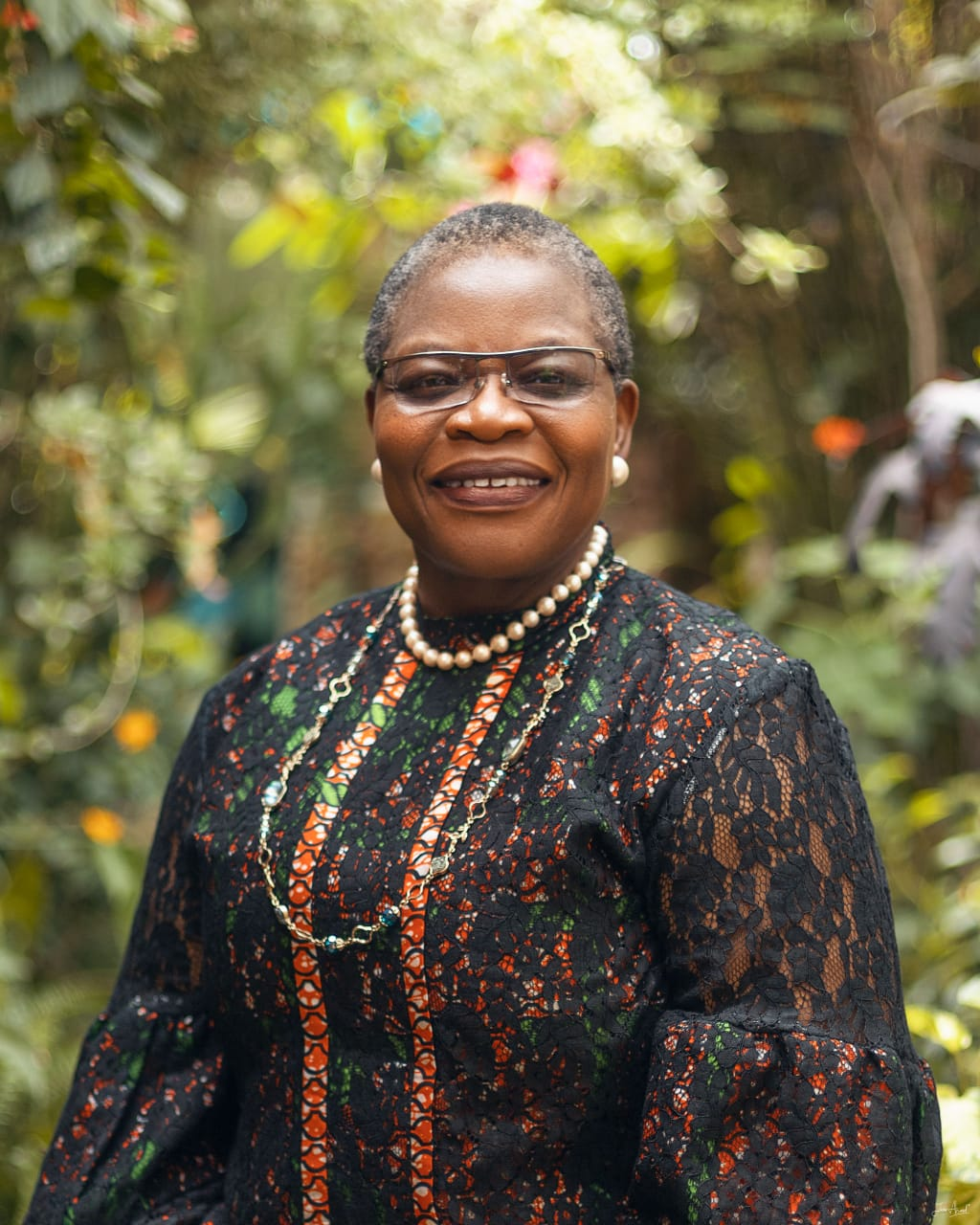
Minister, Reformer, Institution Builder
The nickname followed her into her ministerial appointments.
As Minister of Solid Minerals from 2005 to 2006, she restructured a sector that had been largely ignored and poorly regulated, positioning Nigeria as a credible destination for mining investment.
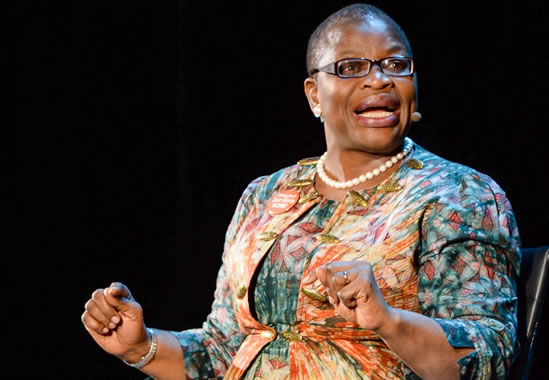
She also architectedthe Nigeria Extractive Industries Transparency Initiative (NEITI); the legislation that brought international transparency standards to Nigeria's oil, gas, and mining sectors for the first time.
Then came Education. In less than a year as Minister of Education, from 2006 to 2007, Ezekwesili pushed reforms that restructured the Federal Ministry, revived the Federal Inspectorate Service, introduced data-driven planning and launched public-private partnerships to improve school enrolment.
She focused particularly on girls' education. And she did all of that in ten months. The woman moved at a pace that suggested she was very aware time was not infinite.
Taking Africa to the World
In 2007, World Bank President Paul Wolfowitz announced her appointment as Vice President for the Africa Region, a role that put her in charge of operations across 48 Sub-Saharan African countries and a lending portfolio of nearly $40 billion.
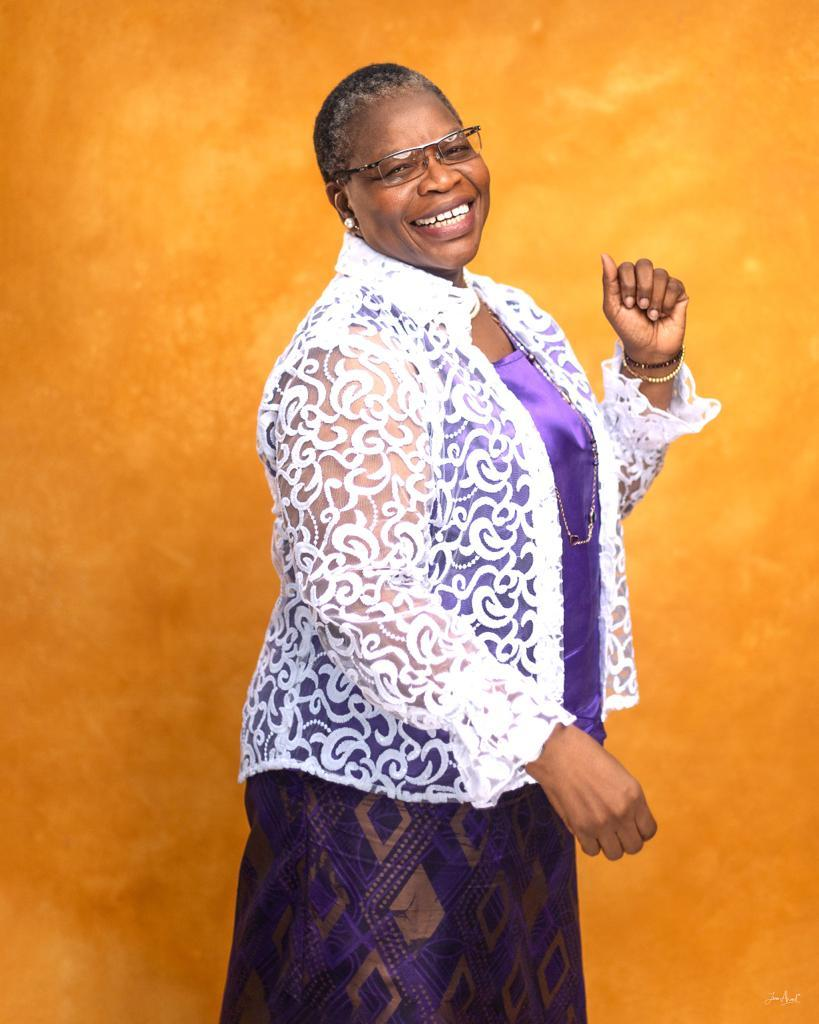
She supervised more than 1,500 staff and worked to ensure that global financial frameworks actually translated into meaningful development on the ground.
During her five-year tenure, overall lending to Africa rose significantly, with expanded support for agriculture, infrastructure and private sector reform.

When she left in 2012, President Paul Kagame of Rwanda and former President Obasanjo were among those who publicly marked her departure as a genuine loss.
When It Got Personal
In April 2014, Boko Haram abducted276 schoolgirls from Government Girls Secondary School in Chibok, Borno State.
The Nigerian government's initial response was silence. Ezekwesili responded with fury.
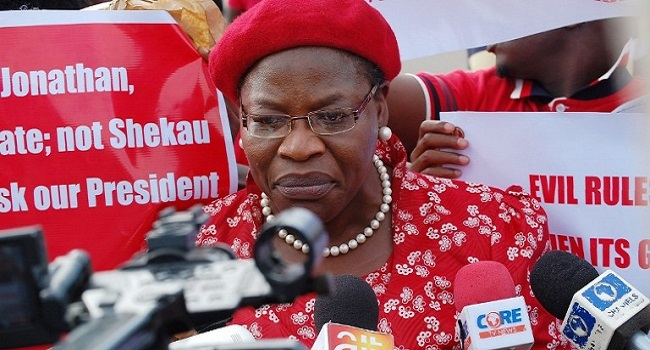
She co-convened the #BringBackOurGirls campaign, which exploded globally and drew solidarity from figures like Michelle Obama and Malala Yousafzai.
The campaign kept sustained pressure on the government and contributed to the release of over 170 of the girls.
As of 2025, over 100 remain missing and the movement continues to advocate for them. This was Oby operating not from a ministerial office or a World Bank floor but from the streets of Abuja, showing up every day.
Building the Next Generation
Post-World Bank, Ezekwesili has channelled her energy into institution building.
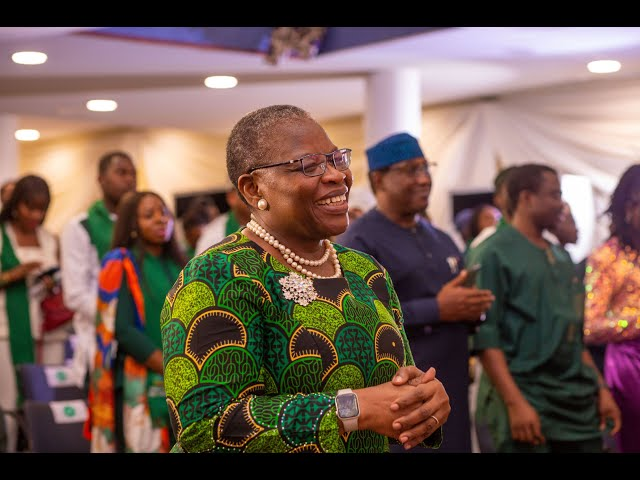
She founded theSchool of Politics, Policy and Governance (SPPG) in Abuja, a platform dedicated to training a new generation of Nigerian leaders who actually know what governance means.
She also founded Human Capital Africa, focused on education and human development across the continent and launched the #FixPolitics initiative, a research-driven movement for citizen participation and electoral accountability.
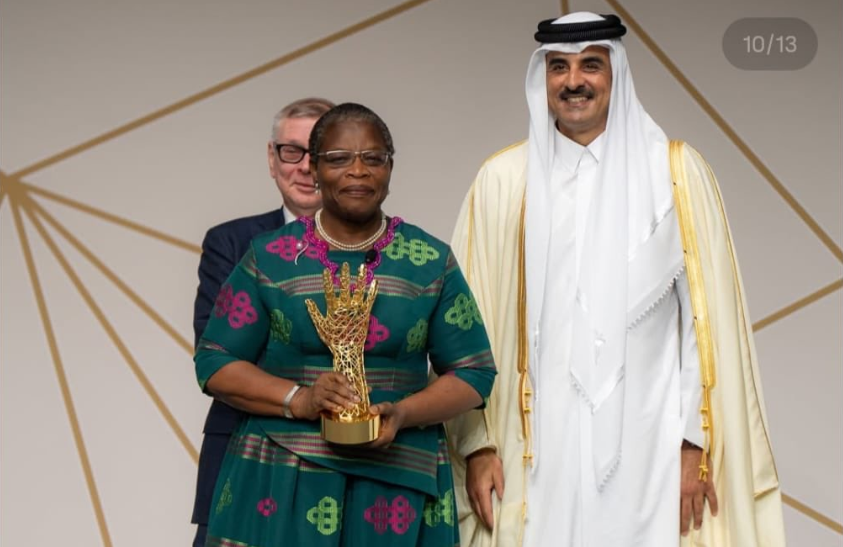
In 2025, she received the International Anti-Corruption Excellence Lifetime Achievement Awardin Doha, Qatar, a recognition that her life's work has not gone unnoticed.
She is a 2018 Nobel Peace Prize nominee, a Time 100 Most Influential Person and a Yale University senior fellow.
Why She Matters Right Now
For a generation that grew up watching schools collapse, teachers go unpaid and girls pulled out of classrooms before they ever had a chance, Oby Ezekwesili is proof that the fight for education is also a fight for power.
She understood early that a country that refuses to invest in its children is a country that has already decided its future doesn't matter. Every role she has taken on — minister, World Bank VP, activist, institution builder — has carried that same conviction underneath it.
The Chibok abduction hit differently for her because it wasn't just a security crisis. It was an education crisis.
Boko Haram didn't just take girls, they targeted a school, and in doing so, they targeted everything Ezekwesili had built her career defending.
Today, through SPPG and Human Capital África, she is doing the work she has always done, building the structures that give people, especially young Africans, a fighting chance.
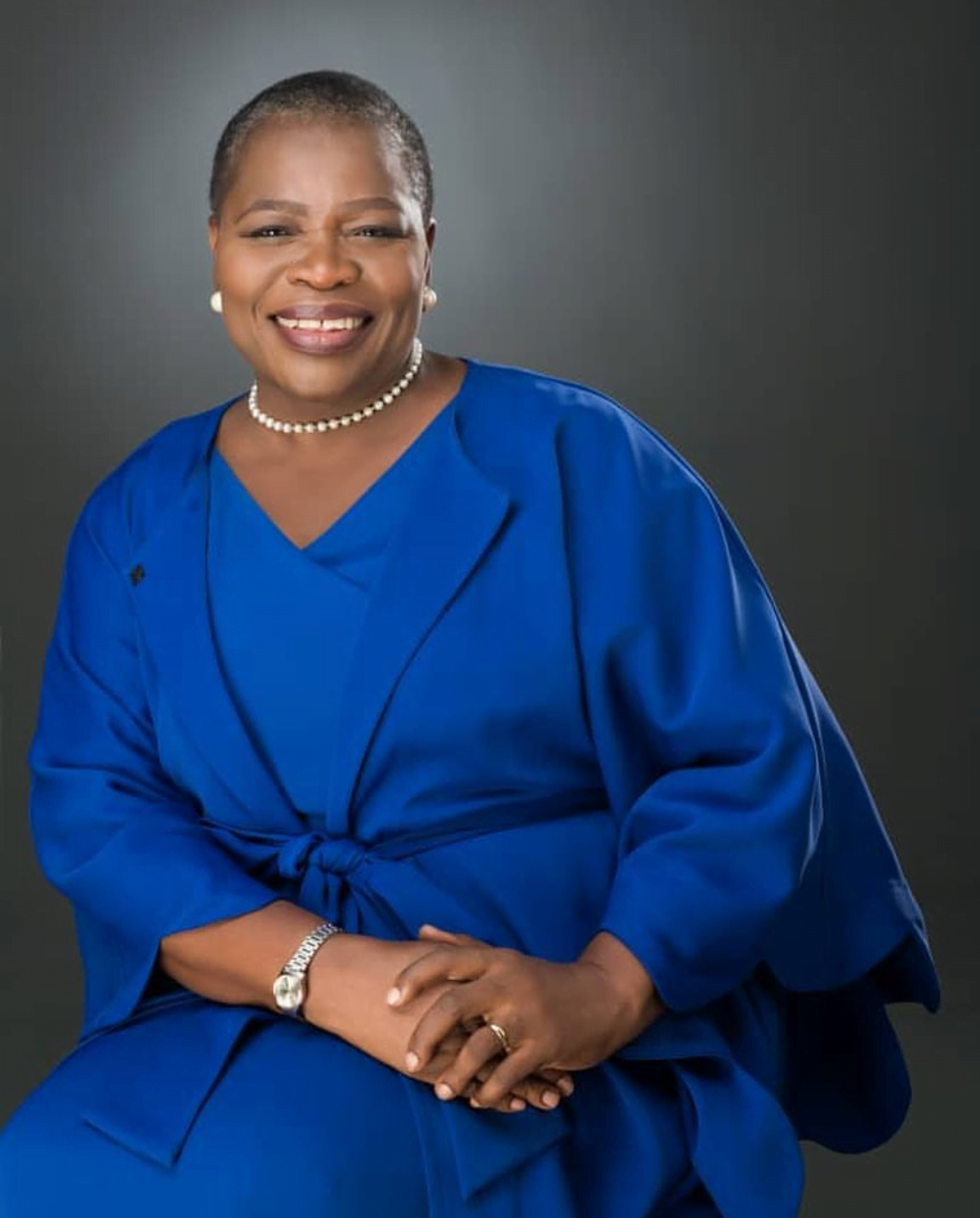
Madam Due Process never really left governance. She simply expanded the battlefield.
From procurement reform to global development policy to the fight for girls' education, Ezekwesili has spent three decades insisting that institutions must work for the people they claim to serve.
And if there is one lesson her career makes clear, it is this: a country that refuses accountability cannot build strong schools and a country that neglects education cannot build a future.