She100: Building the Pipeline — How Lydie Hakizimana Connects Early Learning to Advanced Science
From preschool classrooms to postgraduate science hubs, Lydie Hakizimana is building the foundation Africa needs for future scientists—proving that where learning begins shapes everything that follows.
There is a question that we really do not get to ask ourselves: where do the scientists come from? Not just which universities trained them or which fellowships funded them, but where, really, did it start?
For Lydie Hakizimana, the answer is preschool, and she has spent her career making sure the continent does not miss that window.
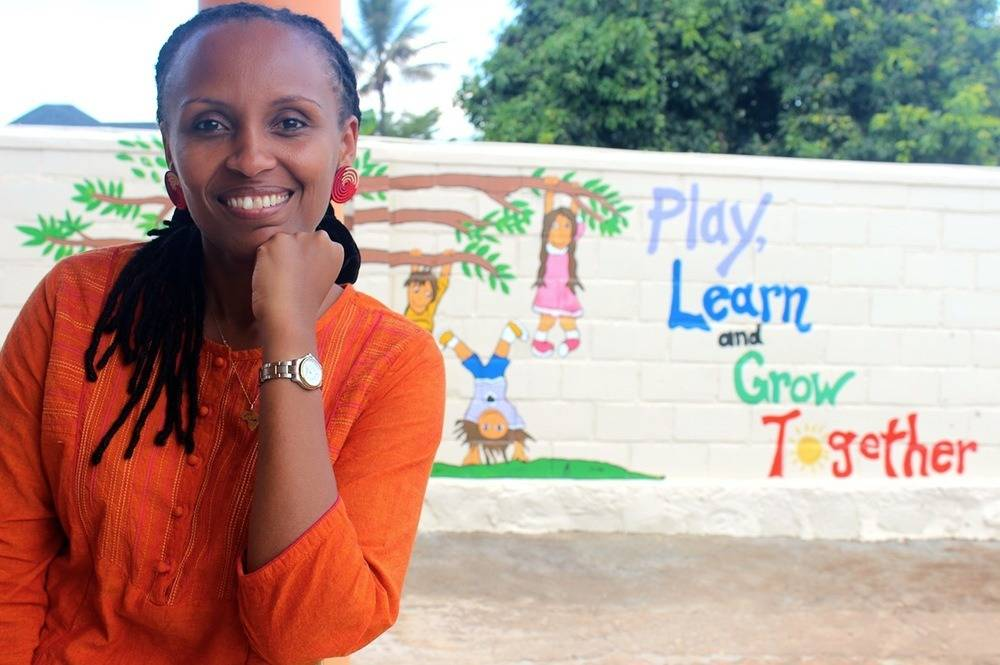
Hakizimana is the co-founder and CEO of Happy Hearts Preschools, Rwanda's fastest-growing network of private preschools, and a former CEO of the African Institute for Mathematical Sciences (AIMS), the continent's largest pan-African network of centres of excellence for postgraduate STEM training.
Those two roles are not as far apart as they seem. Between them, they represent something rare: a woman who has worked both ends of the education pipeline and understands that you cannot fix one without the other.
Books Before Brilliance
Before the preschools and the science networks, there was a publishing house.
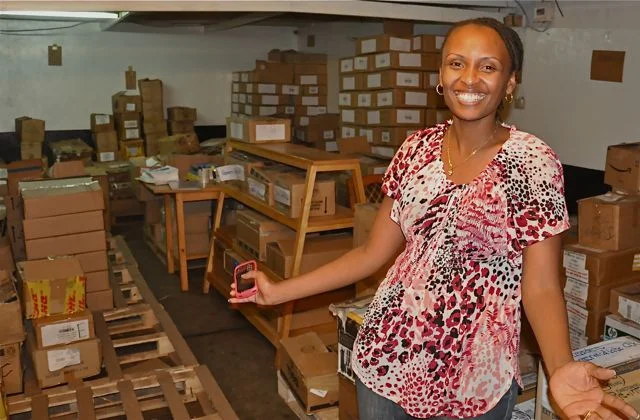
Hakizimana co-founded Drakkar Ltd, a Rwandan educational publishing company, through which she edited and published16 Kinyarwanda-language titles and distributed over one million textbooks to more than 3,800 primary and secondary schools across Rwanda, reaching approximately three million children.
That is not a small operation. That is foundational infrastructure, the kind that makes every lesson that follows possible.
It says something about how she thinks. Before you can ask children to dream big, they need material in a language they actually understand.
Kinyarwanda-language textbooks are not an okay-to-have. They are the difference between a child who truly learns and one who is merely present in a classroom.
Montessori Meets Rwanda
In 2015, Hakizimana founded Happy Hearts Preschools with a clear philosophy. She believes that quality early childhood education should never be a privilege.
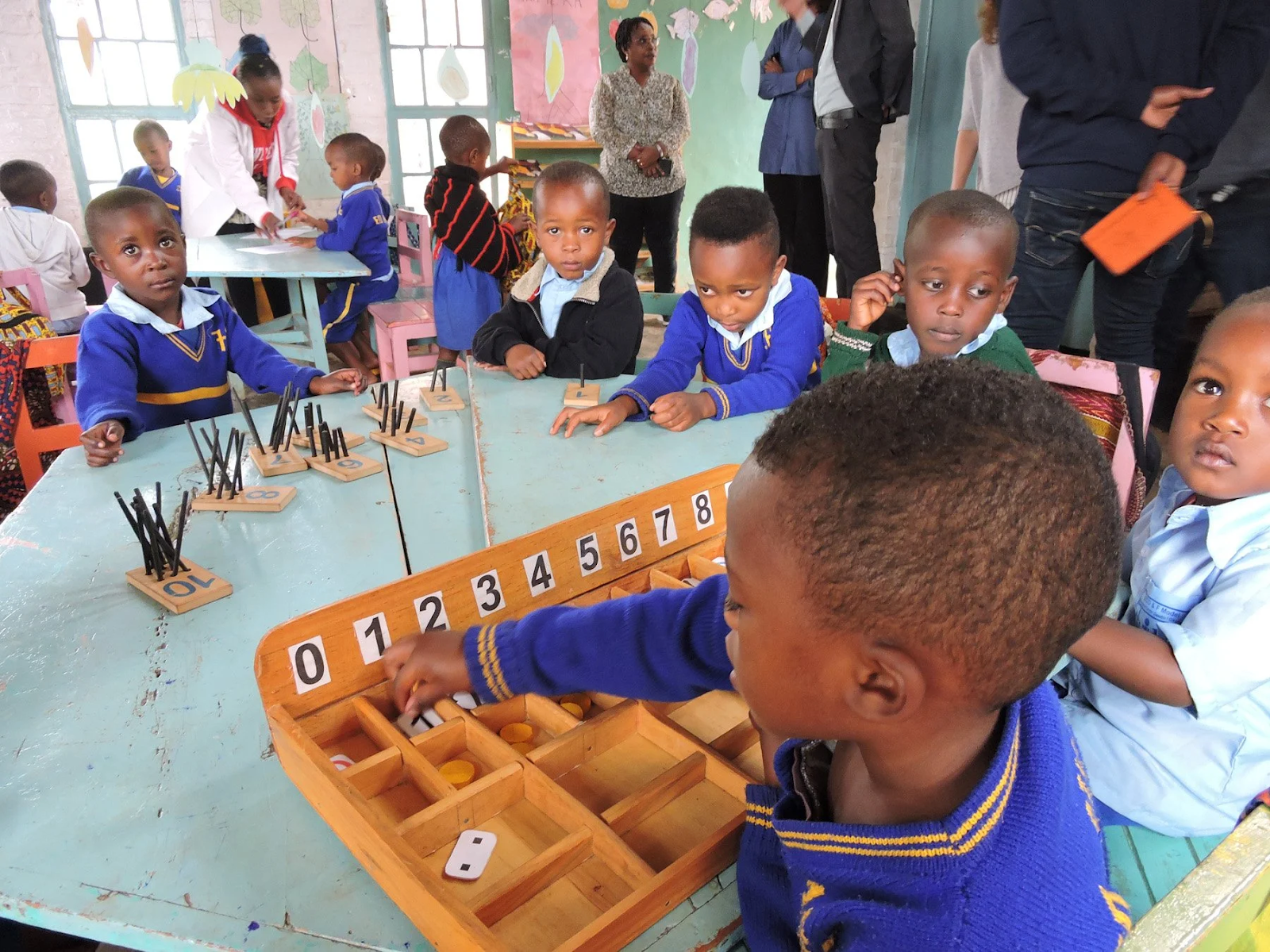
The schools follow a Montessori curriculum, blending that methodology with Rwandan values and culture. Children from six months to six years old learn through play in environments designed to build independence, emotional intelligence and curiosity from the very start.
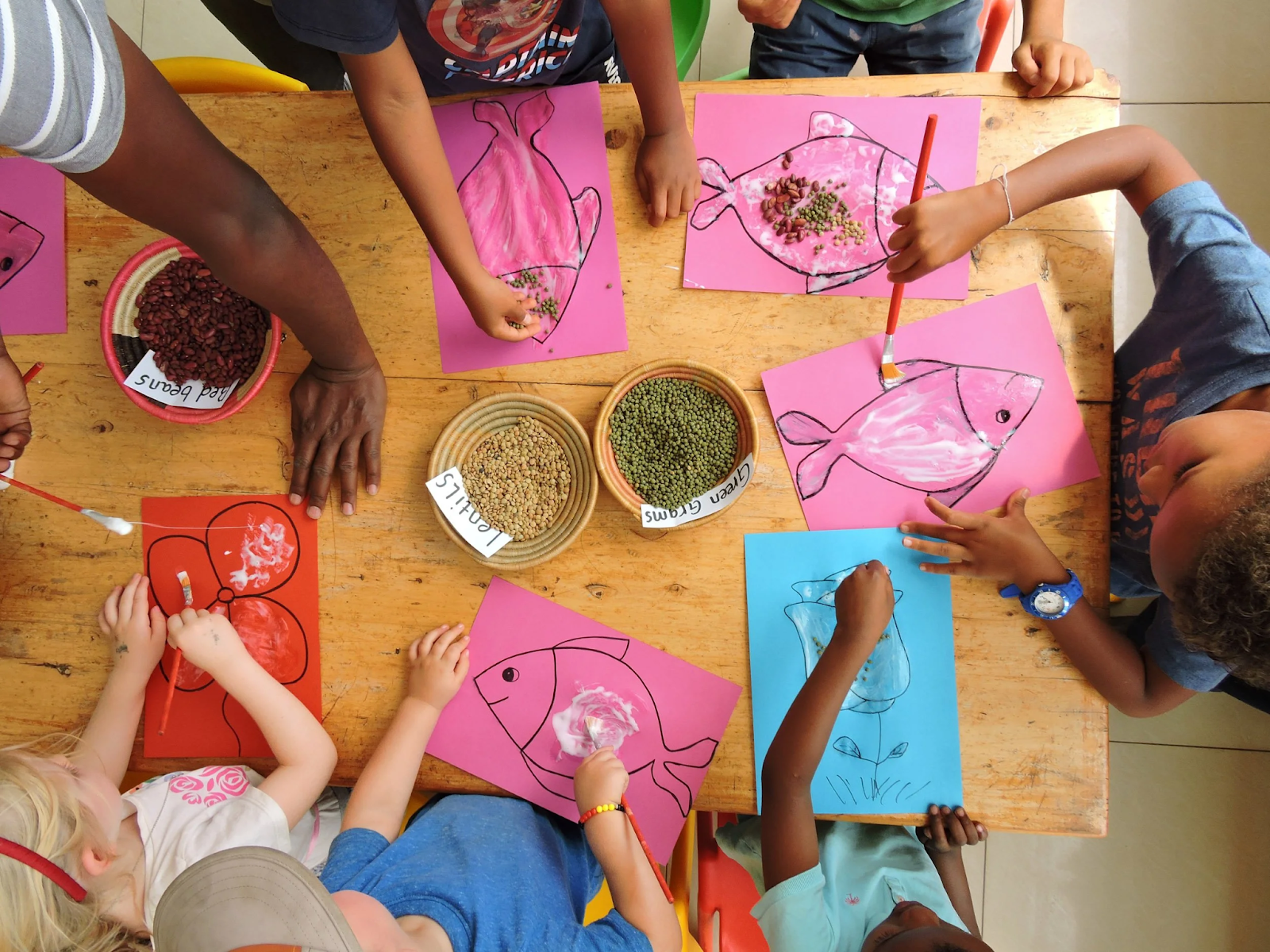
Happy Hearts also runs a non-profit arm, Happy Hearts for All, which extends this model to rural early childhood centres. There, it delivers play-based learning, structured teacher mentorship, and, crucially, two nutritious meals a day because you cannot educate a hungry child.
The public-private partnership structure, where the government provides teachers and buildings while Happy Hearts supplies curriculum and training expertise, is the kind of model that can scale without collapsing under donor dependence.
To build it right, Hakizimana went to Harvard. She earned her Masters in Public Administration from the Harvard Kennedy School of Government, where her research focused on scaling Happy Hearts to reach more children across Rwanda.
She is also a certified Montessori teacher from the North American Montessori Center in Canada. It is quite evident she did not merely theorise about early childhood education, she trained in it.
From Preschool to Postgraduate
In 2017, Hakizimana joined the board of AIMS, the African Institute for Mathematical Sciences, a pan-African network of postgraduate training centres in mathematical sciences founded in 2003. When the COVID-19 pandemic arrived in early 2020, she stepped in as Interim CEO.
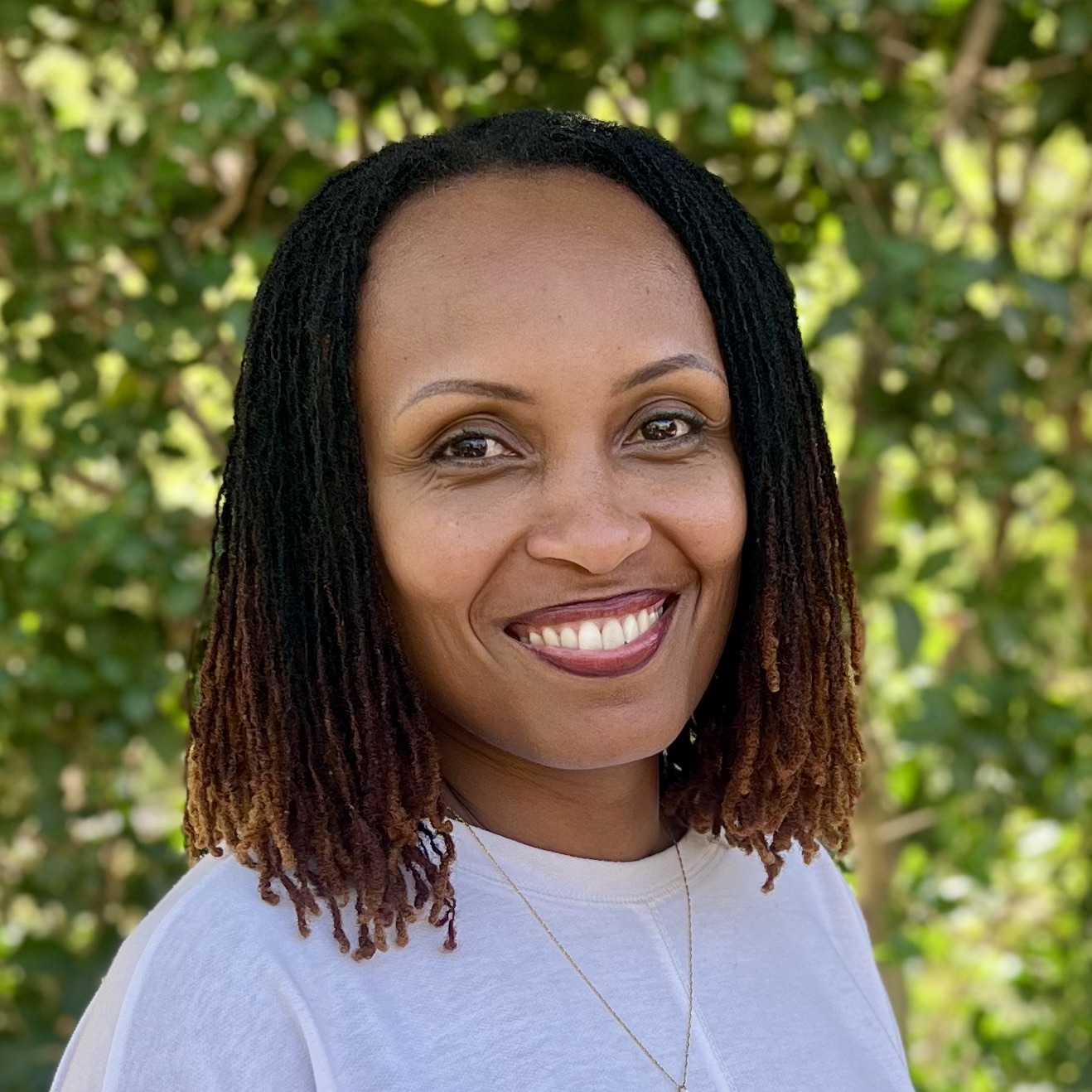
By November of that year, the organisation's international governing board unanimously appointed her as full CEO.
AIMS exists to produce Africa's next generation of scientists, mathematicians, researchers, and tech innovators and operates centres across the continent to do exactly that.
The fact that someone who had spent years building preschools was chosen to lead it is not ironic. It is the entire point.

Hakizimana understands that by the time a student arrives at a postgraduate STEM programme, dozens of decisions have already shaped whether they would ever get there at all.
A Career in Recognition
The awards have followed the work. In 2013, she received the Archbishop Desmond Tutu Fellowship. In 2016, the Mandela Washington Fellowship.
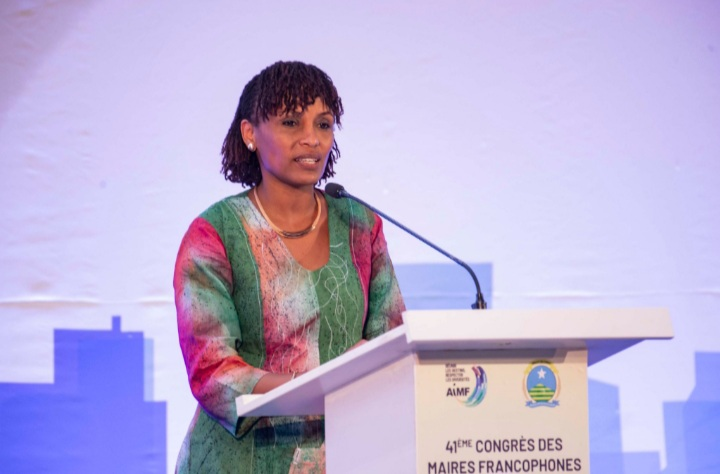
In 2021, she was named Francophone Woman of the Year by the International Association of Francophone Mayors, an award presented by the Mayor of Paris, Anne Hidalgo, during a congress held right there in Kigali.
She was selected as a 2024 Rainer Arnhold Fellow by the Segal Family Foundation, and in 2026, became part of its African Visionary Fellowship cohort.
She also sits on the advisory council for the AI and Equality Initiative at the Carnegie Council for Ethics in International Affairs.
The Thread That Connects It All
What Lydie Hakizimana represents is a philosophy, not just a career. The thread running through every textbook printed, every preschool opened, and every postgraduate scientist trained is a single conviction that screams African children deserve to start well.
That starting well is the foundation on which everything else is built. The continent cannot keep talking about scientific talent gaps while ignoring the years that come before primary school.
She has not waited for someone else to make that argument. She built the case, from every classroom to every textbook, and she is still building.