Oxana Malaya: The Girl Raised by Dogs
Discover the true story of Oxana Malaya, the Ukrainian girl raised by dogs after early childhood abandonment. A powerful tale of survival, resilience, and the quest to reclaim humanity.
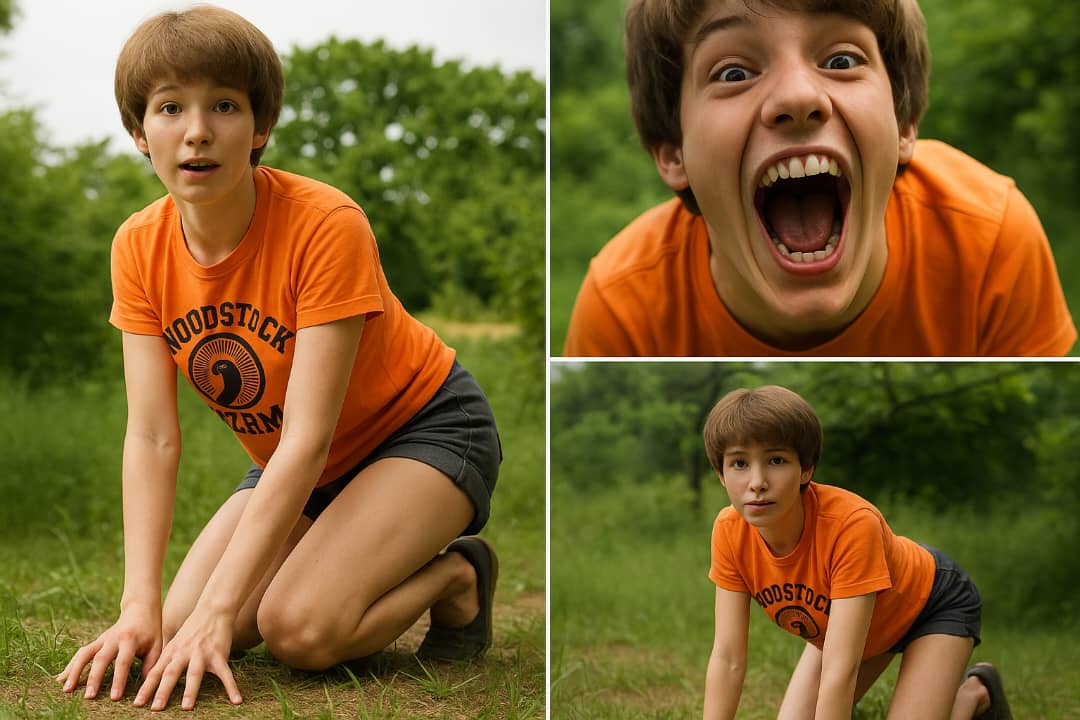
Tarzan, the fictional boy raised by apes in the jungle, has captivated imaginations for over a century. But what if a real-life version of that story unfolded—not in the depths of a jungle, but in a remote Ukrainian village? Not with apes, but with dogs?
If you think Tarzan is a myth, meet Oxana Malaya, the woman whose early childhood was spent not among people, but among a pack of dogs. Her story is both deeply tragic and profoundly fascinating—a true account of survival in the face of abandonment, and of the fragile boundary between humanity and the animal world.
The Early Years: Abandonment and Survival
Born on November 4, 1983, in Nova Blahovishchenka, a small Ukrainian village in Kherson Oblast, Oxana’s life took a dark turn almost from the beginning. Her parents were chronic alcoholics. When Oxana was just three years old, they left her outside on a cold night, alone and forgotten.
Desperate for warmth and companionship, she found her way into a dog kennel in the backyard, where the family’s dogs lived. In that moment, her new reality began. What was supposed to be a one-time escape from the cold became her home for the next five years.
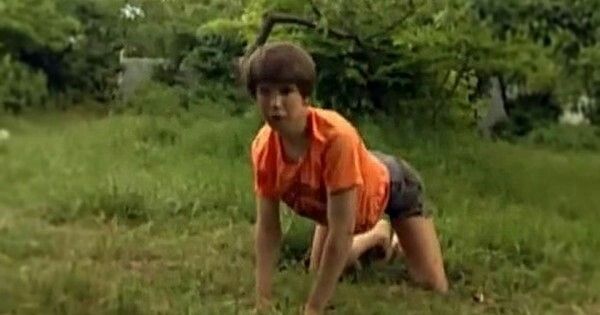
Living with the dogs, Oxana adapted completely to their world. She walked on all fours, barked, growled, and even learned to eat raw meat and scraps the dogs shared with her. With no adult guidance or human interaction, she adopted the behaviours and instincts of her canine companions.
Discovery and Shock
In 1991, when Oxana was seven and a half, a neighbour reported seeing a strange, wild child in the area. Authorities arrived and were stunned by what they found: a child moving and acting like an animal. She barked at strangers, defended her territory with growls, and didn’t speak a word. She was removed from her parents' custody by social services.
The state intervened immediately. Oxana was removed from her parents and placed in a children’s home for individuals with developmental challenges, located in Barabol, Odesa Oblast.
The Road Back to Humanity
Rehabilitation was neither quick nor easy. Oxana had missed the critical developmental window for language acquisition—typically between ages two and five—and had to be taught how to speak, walk upright, and use utensils from scratch.
Thanks to intensive therapy, speech training, and dedicated caregivers, Oxana learned to speak and respond to human interaction. But the scars of her early neglect remained. Psychologists noted she suffered from mild intellectual disability and struggled with emotional regulation.
Despite the setbacks, Oxana made significant progress. Yet she remained caught between two worlds—forever marked by her past, but yearning for a normal human life.
Adulthood and the Desire for Acceptance
Social Insight
Navigate the Rhythms of African Communities
Bold Conversations. Real Impact. True Narratives.
As an adult, Oxana has lived a quiet life in a care facility where she works on a farm, milking cows and tending to animals. It’s a life that provides routine, peace, and some dignity, though far from the one she might have had under different circumstances.
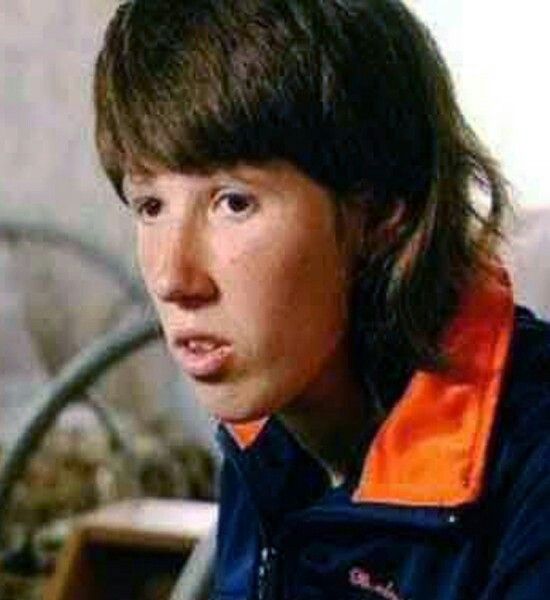
In a revealing 2013 television interview, Oxana spoke candidly about her life. She expressed frustration at being labeled the “dog-girl,” a title she finds dehumanizing.
She also shared her that she loves her parents but can't seem to forgive them for what they did to her.
More Than a Curiosity: A Global Wake-Up Call
Oxana’s story has been featured in documentaries like The Girl Who Was Raised by Dogs and cited in scientific literature as a rare but important case of a feral child. Her life challenges educators, psychologists, and child advocates to think deeply about the essential roles of early nurture, protection, and human connection.

It also sparks broader questions: How many children are suffering in silence, neglected or abandoned by the very people meant to protect them? What systems failed Oxana, and how can societies do better?
Legacy of a Survivor
Oxana Malaya’s journey is both heartbreaking and awe-inspiring. She represents the extreme end of childhood neglect, but also the resilience of the human spirit. Despite being cast into an inhuman existence, she clawed her way back, learning to speak, to live, and to love.
And while she may never completely escape the shadows of her past, Oxana continues to fight for a life with dignity, meaning, and the simple recognition that she is more than the sum of her trauma.
Other Real-Life Feral Children include:
Marina Chapman (Colombia): Raised by capuchin monkeys in the jungle after being abandoned at age 4.
Marcos Rodríguez Pantoja (Spain): Lived with wolves in the mountains from age 7 to 19 after being abandoned.
John Ssebunya (Uganda): Survived with vervet monkeys in the jungle after fleeing home at age 3.
Andrei Tolstyk (Russia): Raised by wild dogs in Siberia; found at age 7 with canine behaviors.
Saturday Mthiyane (South Africa): Found living with monkeys around age 5 near KwaZulu-Natal in 1987.