Ojude Oba: Where Fashion, Culture, and Vibes Meet
Discover the vibrant history and cultural splendour of the Ojude Oba Festival — a century-old celebration of colour, fashion, and tradition in Ijebu-Ode, Nigeria.
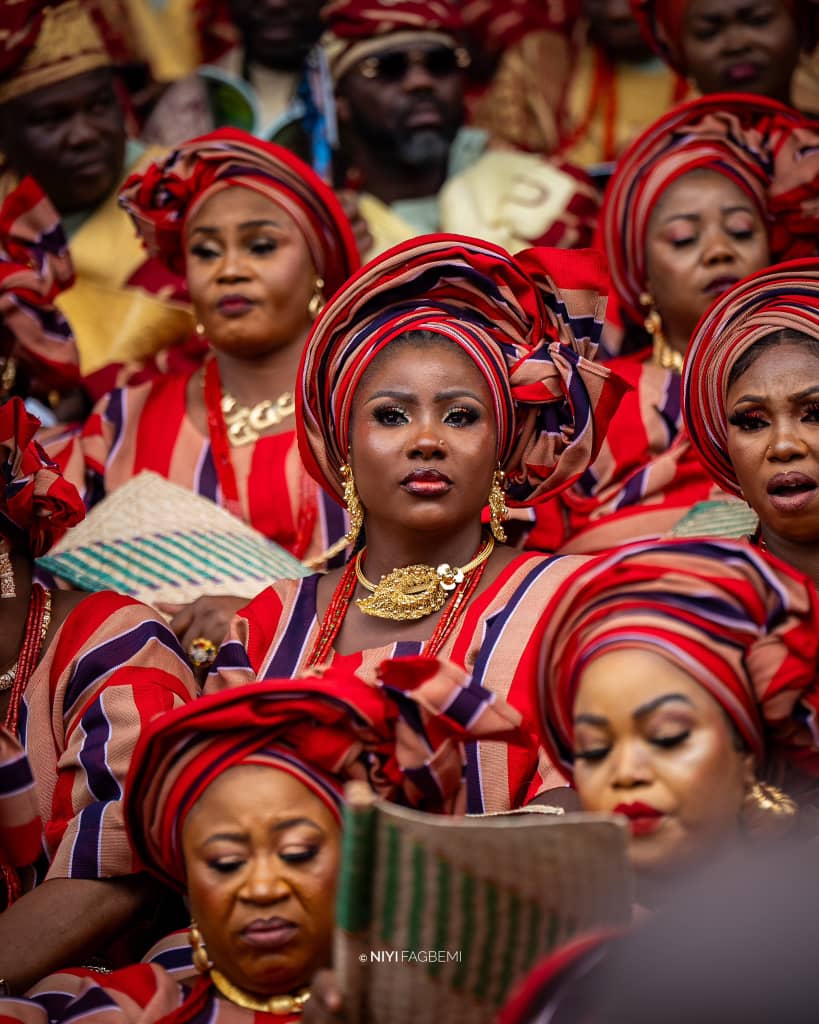
You haven’t truly witnessed Nigerian culture in full glory until you’ve experienced Ojude Oba. No, seriously. If you think Detty December is peak Naija energy, wait till you see Ijebu people flood the streets of Ijebu-Ode like they’ve been waiting all year to outdress the Met Gala.
It’s not just fashion. It’s not just tradition. It’s not just vibes.
Ojude Oba is all three with a side of jollof and ancestral pride.
What is Ojude Oba?
“Ojude Oba” literally means “the king’s forecourt” in Yoruba. It was originally known as the Ita Oba festival. It’s not just a royal visit. It’s a grand annual celebration where Ijebu sons and daughters return home, dress to the nines, and honour the Awujale, their traditional ruler. The event holds three days after Eid al-Kabir (Ileya), tying in the Islamic heritage of the Ijebu people with a rich display of cultural unity.
Over the years, this once-simple gathering has evolved into a full-blown cultural festival drawing thousands, including dignitaries, tourists, media houses, celebrities, and spiritual leaders.
The roads are lined with stalls. The town transforms into a stage, and at the centre of it all is Ijebu pride. No matter where you live, be it Toronto, London, or Banana Island, if you’re Ijebu, Ojude Oba is homecoming in its loudest, proudest form.
A Brief History: From Humble Beginnings to Cultural Phenomenon
The Ojude Oba Festival, held annually in Ijebu-Ode, Ogun State, is one of Nigeria’s most spectacular cultural displays — a rich fusion of history, fashion, and tradition. Its origin dates back to 1890 during the reign of Oba Adesumbo Tunwase, when a small group of Muslim converts paid a post-Eid homage to the Awujale (king) in appreciation for religious freedom.
What began as a quiet gesture of gratitude soon blossomed. As Islam spread across Ijebu land, participation grew. By the mid-20th century, age-grade groups known as regberegbe began organising colourful displays, performances, and gifts for the king. The festival transformed into a vibrant celebration of communal pride and identity.
Today, Ojude Oba is a dazzling spectacle of colour in every sense — from the breathtaking fashion statements to the thunderous drumming, the richly adorned horses to the spirited dances. Every hue tells a story, every outfit a declaration of heritage.
The event is meticulously planned, with security, traffic control, media coverage, and a packed program that includes VIPs and dignitaries.
Recognised nationally as a cultural and tourism treasure, Ojude Oba continues to honour the past while embracing the future — in full colour.
The Regberegbe: Age Grade Glamour and Legacy
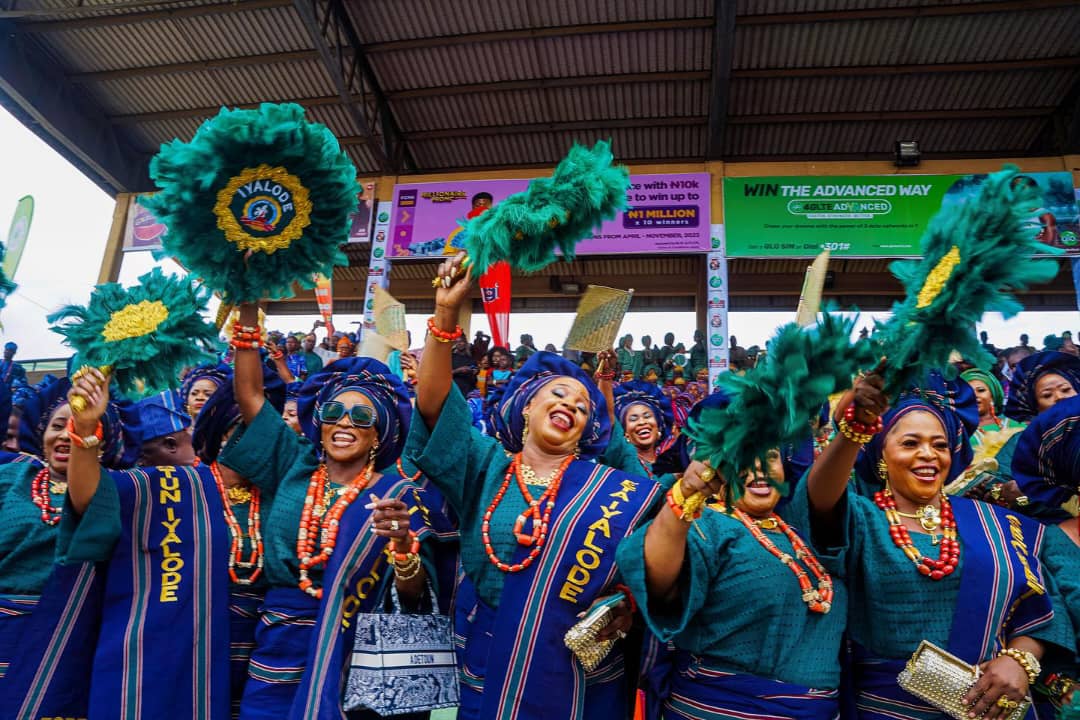
If you’ve ever seen grown adults match outfits with childhood friends and dance like it’s their wedding day, you’ve seen Regberegbe culture in action. These age-grade groups are the heartbeat of Ojude Oba. Each one comes dressed in coordinated aso-ebi, sometimes sponsored by wealthier members living abroad.
Think velvet, lace, embroidery, sequins, fringe. Nothing is ever too much. Women wear gele as high as their confidence. Men arrive in agbadas that deserve their own postal codes.
But beyond fashion, Regberegbe serve deeper cultural roles. They build communal bonds, preserve identity across generations, and act as pillars of Ijebu unity. During the festival, each group approaches the king, bows or kneels, offers prayers and gifts, then dances off with live drums, chants, and trumpet blasts. It’s a beautiful blend of tradition, honour, and flair.
The Royal Parade: Horses, Honour, and High Status
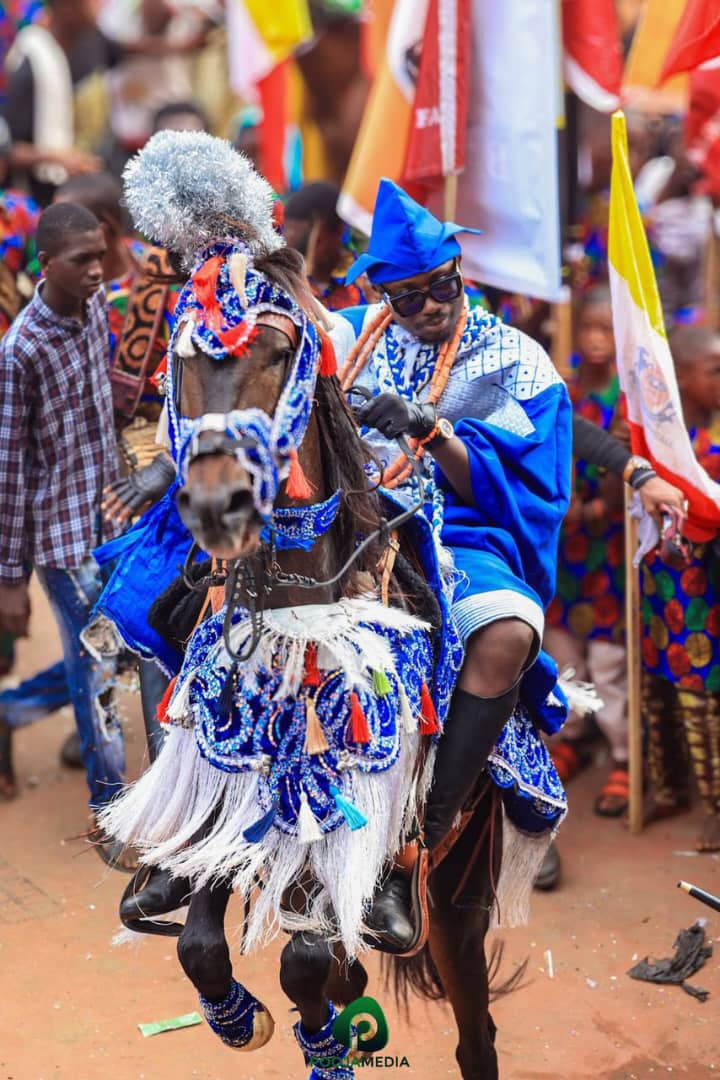
Another breathtaking moment is the horse parade. Every third day after the muslim holiday, Ileya, these families gather to honour the king. These horses are not regular.
Culture
Read Between the Lines of African Society
Your Gateway to Africa's Untold Cultural Narratives.
They’re decked out in beads, embroidered fabrics, and sometimes even gold. Their riders are just as regal, men in richly tailored agbadas, some riding with swagger, others leading with reverence.
The parade pays tribute to the martial history of the Ijebu people. It symbolises honour, strength, and the prestige of legacy families. Watching it unfold is like stepping into a historical film, where every detail, right down to the hoofbeats, feels like a drumroll of pride.
More Than Just Looks: The Cultural and Economic Impact
While Ojude Oba is famous for its aesthetics, its impact is deeper than Instagram can capture. Culturally, it reinforces the Awujale’s role as a unifier and father figure. It bridges generations, merges religion with tradition, and reminds Ijebu people of their heritage in a way that feels fresh and alive.
On the economic side, the festival breathes life into local businesses. Tailors, makeup artists, caterers, hoteliers, photographers, decorators, and even ride-hailing drivers enjoy a boom in activity.
The event also attracts top Nigerian brands, from telecoms to food and beverage companies, who now sponsor parts of the celebration as a way to connect with culture-conscious consumers. For Ijebu-Ode, it’s more than a party. It’s an annual economic reset.
Modern-Day Slay with Ancestral Swagger

Let’s be honest. Ojude Oba is an influencer’s dream. Every corner becomes a photo booth. Every entrance is a runway. Every family shows up with matching outfits, coordinated poses, and captions like “ancestral drip activated.”
This is tradition with a luxury twist. People wear 6 yards of fabric like armour, accessorise with coral beads, fan themselves with hand-sewn lace, and walk like they came to collect blessings and compliments. It’s culture, but make it couture.
The Many Colours of Ojude Oba
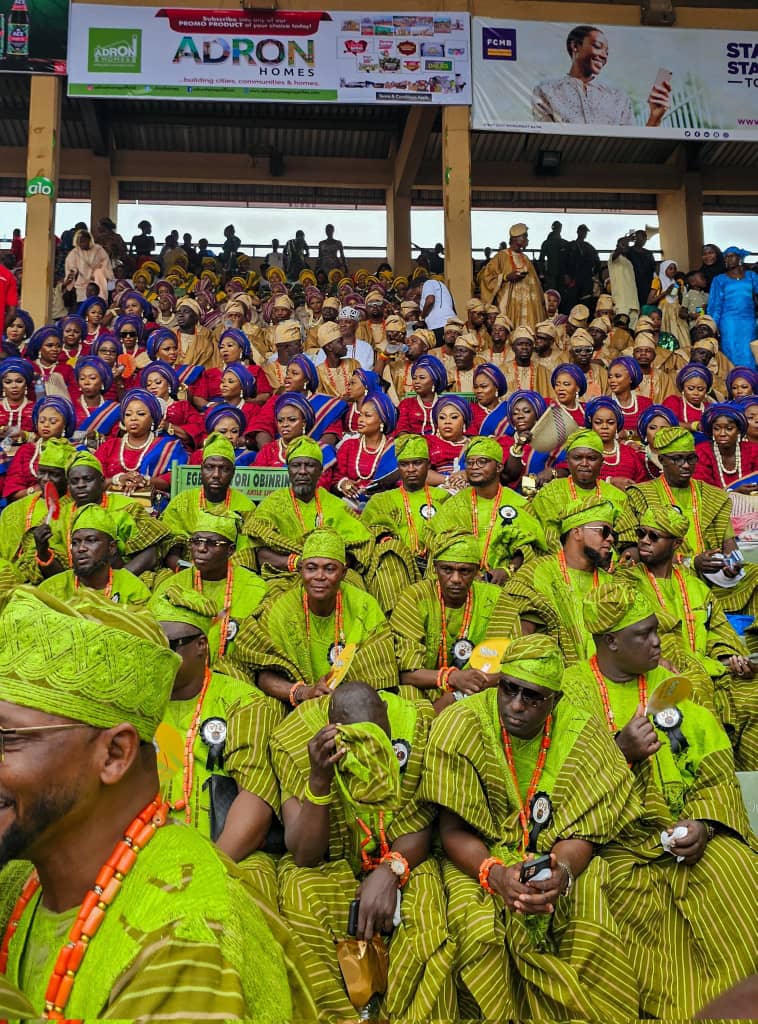
At the heart of the Ojude Oba Festival in Ijebu-Ode lies a rich celebration of colour, not just in fabric, but in spirit, sound, and symbolism.
Fashion is its most striking canvas. Each regberegbe (age-grade group) dazzles in coordinated attires — flowing agbadas, gele headwraps, and shimmering accessories — in hues that range from deep emeralds to golden yellows. The diversity of colours is more than aesthetic; it speaks of identity, unity, and generational pride.
But colour at Ojude Oba goes beyond fashion. It’s in the rhythmic drumming, the gallant parade of horses draped in ornate cloth, the joyful dances, and the vibrant marketplace. It’s in the people — their laughter, their chants, their presence.
At Ojude Oba, colour is not just seen — it is heard, felt, and lived. It is the soul of a festival that honours both tradition and transformation.
Ojude Oba 2025: What to Expect
This year’s edition, set to be held in June, already has Ijebu people buzzing. Tailors are swamped with orders. Ankara suppliers are seeing unusual demand. In some circles, Regberegbe groups have started rehearsing their performances and debating who’ll outshine the rest.
There’ll be live music, including powerful Fuji sets that keep elders dancing and kids curious. Media houses will stream highlights. Food vendors will serve everything from pounded yam and fried snail to small chops and chilled palm wine. There may even be a few surprise guests, whether political, musical, or otherwise.
In the End, Ojude Oba is a Cultural Anthem
Ojude Oba isn’t just a festival. It’s a bold reminder that culture is not dusty. That tradition can be elegant. That fashion doesn’t have to fight with heritage. And that the past can walk side by side with the present, gele tied, agbada ironed, horse saddled, and pridefully intact.
Culture
Read Between the Lines of African Society
Your Gateway to Africa's Untold Cultural Narratives.
So if you ever find yourself in Ijebu-Ode in June, don’t miss it. Come ready. Come dressed. Come curious. Because Ojude Oba is not just a celebration. It’s how people remember, honour, and rejoice all at once.