Niger Delta's Endless Flare is Africa's Methane Crisis
Methane gas changes the atmosphere of the Niger Delta in Nigeria.
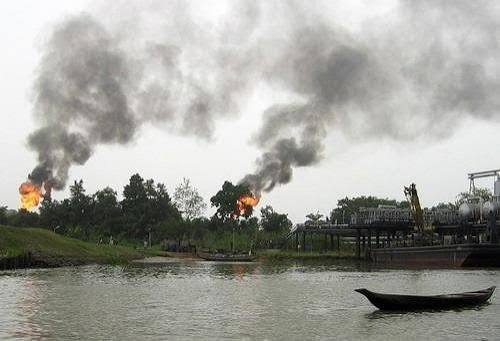
Midnight skies in the Niger Delta are a perpetual, orange glow, lit by towering flames of gas that have been burning-wastefully-for longer than most of us have been alive. This is the scene of gas flaring, an industrial sight to behold, one that in itself is an environmental crime, an economic tragedy, and a humanitarian disaster all combined into a fiery plume.
It isn't only about the absolute waste of billions of dollars in natural gas but also, the immediate, visceral danger of methane, a climate villain potent enough to alter the future of the continent.
The Old Way Dies Hard
For decades, the oil companies in Nigeria regarded the natural gas associated with crude oil as a nuisance, an associated gas that was simpler and more economical to merely burn off at the wellhead rather than to capture, process, and sell.
It has become a deeply ingrained practice, despite one government-imposed deadline after another, coupled with its targets that aimed to bring it to an end. Nigeria still ranks among the top nine flaring nations globally, and alarmingly, reports show the volume of flared gas actually surged in recent years, demonstrating a stubborn inability to pivot away from this destructive habit.
The flares release a deadly cocktail of gases, but the most urgent threat is the invisible one: methane, a greenhouse gas up to 80 times more effective at trapping heat than carbon dioxide over the short term.
Methane Leak
These sites of flaring are not monuments to waste but also accelerators of the climate. By one estimate, Nigeria lost a record high of over $1.7 trillion Naira to gas flaring in 2024 alone, which represents both a staggering financial hemorrhage and millions of tonnes of CO2 equivalent emissions pumped into the atmosphere. The bitter irony of this oil wealth is that it has become the very resource poisoning the present and destabilizing world's climate system.
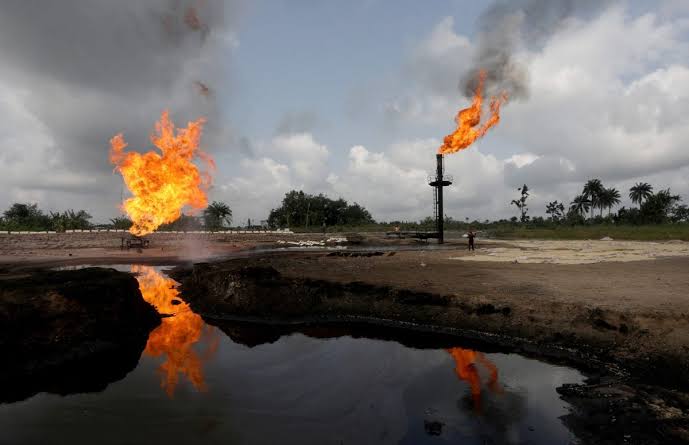
The government, through agencies like the Nigerian Upstream Petroleum Regulatory Commission, has a Gas Flare Commercialisation Programme and ambitious targets to end routine flaring by 2030 and reduce methane by 60% by 2031. But promises of commercialization and penalties are consistently met with institutional inertia, technical hurdles, and the simple fact that for many operators, especially smaller indigenous ones, flaring remains the path of least resistance.
Struggle for Breath
These are not abstract consequences. This fire is burning in the backyard of people who bear least responsibility for the climate crisis, and in the Niger Delta communities, this struggle is a daily fight for survival. We talk not only of global warming; we talk of acid rain that destroys roofing sheets and farms, while extreme heat affects the crop growth, with the unending roar and light pollution interfering with sleep and life.
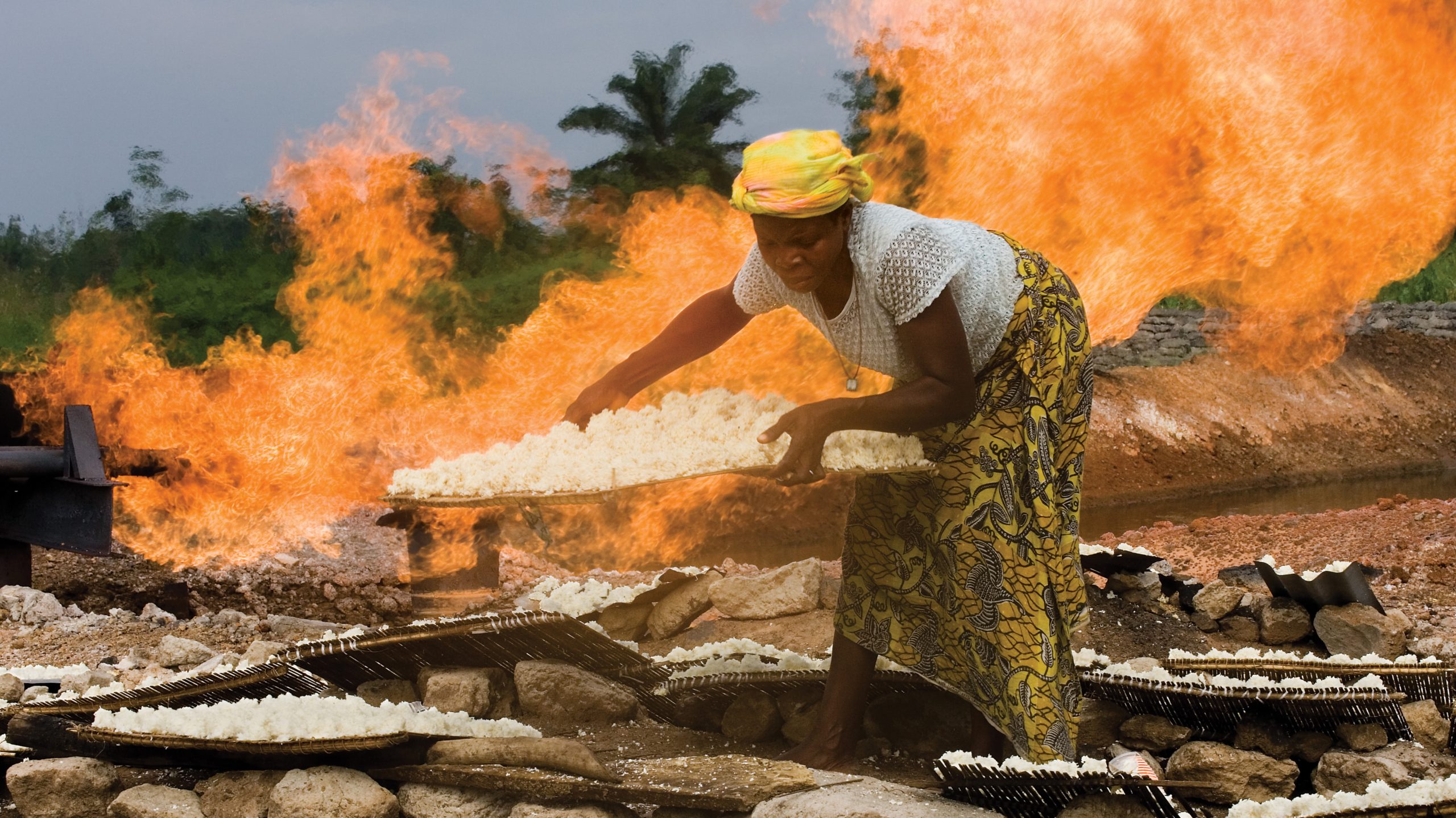
While we argue over japa and where the next big Afrobeats tune will come from, communities around Warri, Igwuruta, and Umutu have to deal with disproportionately high rates of respiratory illnesses, fever, and even cancers directly linked to prolonged exposure to flare emissions. This environmental injustice makes the phrase "oil money no reach, but the poison reach" painfully real.
The Price of a Clear Night Sky
Consider the story of a fisherman in Rivers State, whose parents and grandparents fished the same creek. Today, his catch is dwindling, his community's children are perpetually coughing, and his nights are ruined by a synthetic daylight that never dims.
This is where the emotional truth lies: the people of the Delta are forced to be victims of the climate frontline, paying the ultimate health cost for a resource they rarely benefit from. The youth here understand the stakes viscerally.

They are not reading about climate change in a textbook; but breathing it. Their fight for a clear night sky, for unpolluted soil, and for healthy lungs is the defining climate justice battle of Nigeria.
Waste to Power
If flares are an economic drain and an environmental scourge, then this commercialization of that wasted gas represents a great opportunity. Captured, associated gas could generate thousands of gigawatt-hours of power, significantly bridging Nigeria’s notorious gap in electricity.
That same gas could fuel the much-touted Presidential Compressed Natural Gas (CNG) Initiative, giving transport cheaper, cleaner fuel, and it could feed industries for fertilizer production. It is an industrial revolution, not just a climate solution.
Nigeria’s commitment to gas as a transition fuel makes this shift nothing short of imperative. Turning off the flare means turning on the lights and powering the very economic diversification we desperately seek.
The Fire Must Die.
We have to banish the cynicism that says this problem is too complex, too entrenched. The technology to capture and commercialize this methane exists; the financial case is clear; the health imperative is absolute.
The next generation of African leadership must treat the 2030 flare-out deadline not as a suggestion but as an existential mandate.
Until the last flare in the Delta is extinguished, the full promise of Nigerian and African development will be shrouded by that tragic, orange flame.