August 12, 2026 Solar Eclipse: What Africa Will Actually See
A total solar eclipse will occur on August 12, 2026, but most of Africa will not see it. Here is what viewers in northwestern Africa and Nigeria can expect.
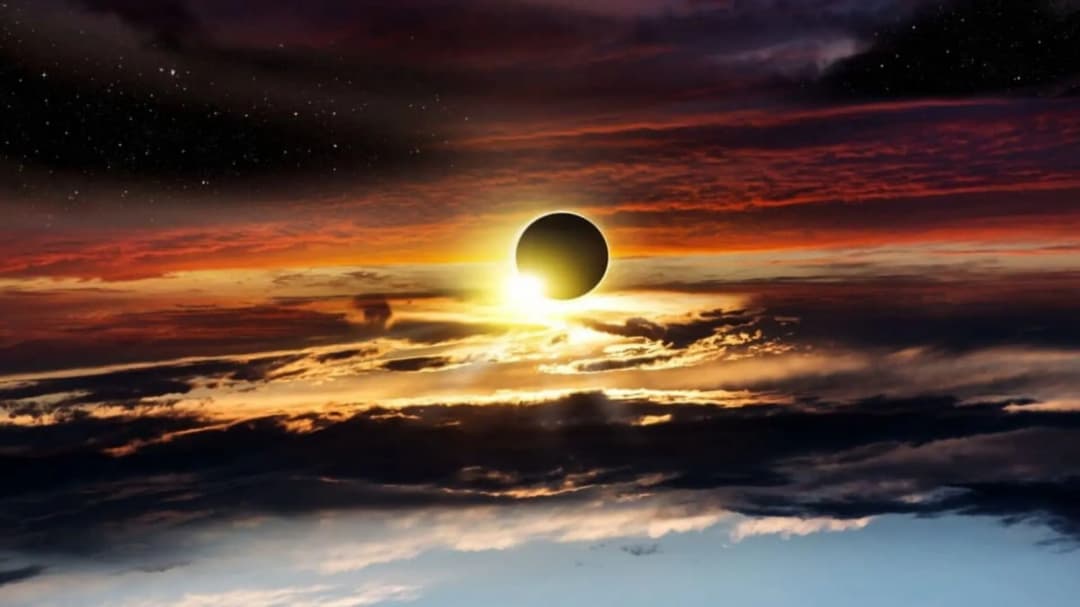
On August 12, 2026, the Moon will pass between Earth and the Sun, creating a total solar eclipse that will briefly darken the sky in parts of the world.
But Africa will not get the full show.
People within the path of totality will see the Moon completely cover the Sun. Parts of northwestern Africa will experience only a partial eclipse, while most of the continent, including Nigeria will not see the eclipse at all.
So, where will the eclipse be visible, and what will people in Africa actually see?
Why Will the Eclipse Look Different from Place to Place?
A solar eclipse occurs when the Moon moves between Earth and the Sun, casting its shadow on part of the planet.
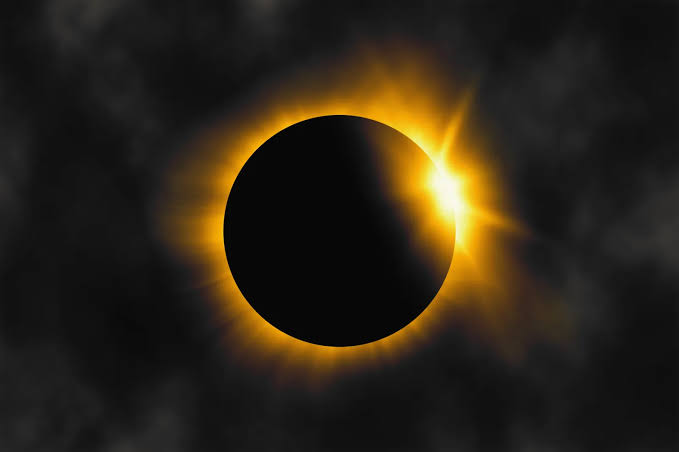
People inside the darkest and narrowest part of the Moon’s shadow, called the umbra, experience a total eclipse because the Moon completely blocks the Sun.
Those under the wider and lighter part of the shadow, called the penumbra, see a partial eclipse. From these locations, the Moon covers only part of the Sun.
This is why the same eclipse can appear total in one country, partial in another and completely invisible elsewhere.
Where Will the Sun Disappear Completely?
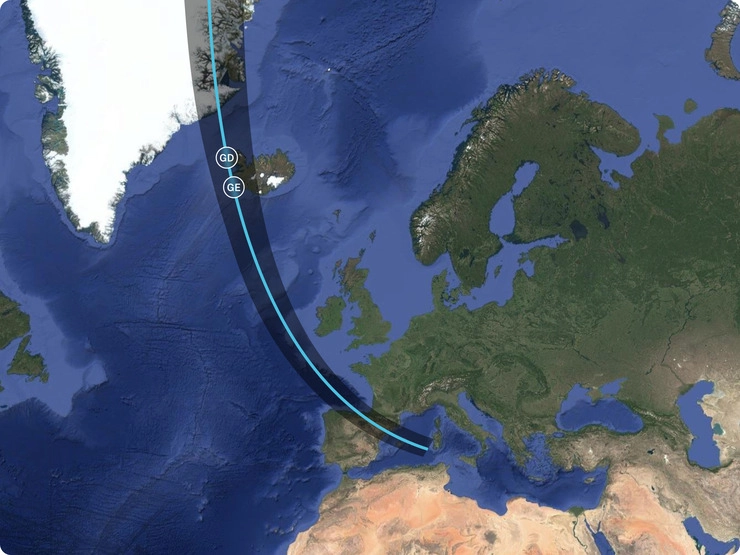
Thepath of totality for the August 12 eclipse will cross Greenland, Iceland, northern Russia, Spain and a small part of Portugal.
People within this narrow path will see the Moon completely cover the Sun for a short period. The total eclipse will also pass over parts of the Atlantic and Arctic oceans.
Much larger areas, including most of Europe, parts of North America and northwestern Africa, will experience a partial eclipse.
In mainland Europe and Africa, the eclipse will occur late in the day. In some locations, the Sun will set while still partially covered by the Moon.
What Will Africa Actually See?
Africa will miss the path of totality, but parts of the continent’s northwestern region will see a partial eclipse.
The eclipse will be visible from locations in countries including Morocco, Algeria and Senegal, although the amount of the Sun covered will depend on where a person is watching.
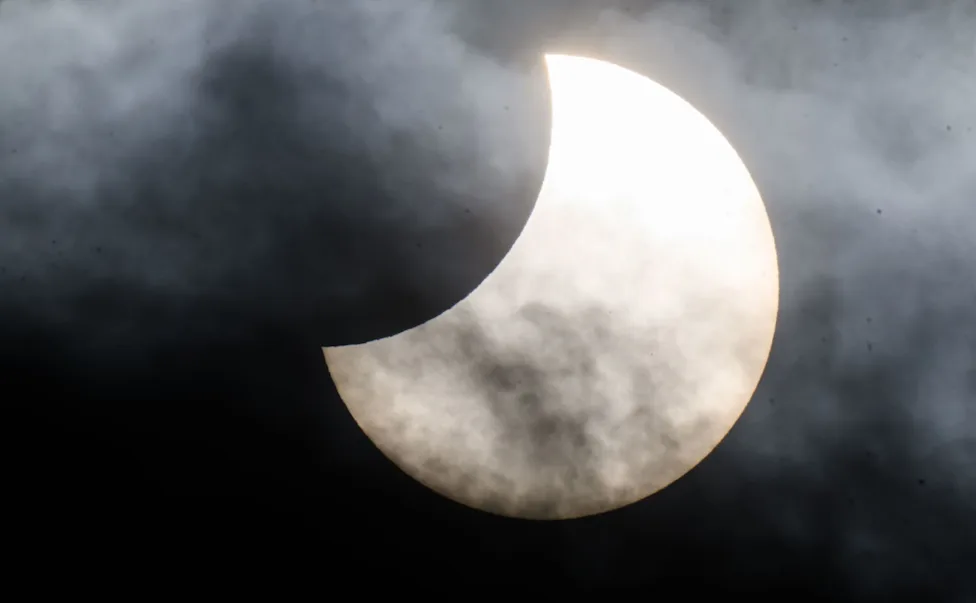
Northern Morocco will receive one of Africa’s deepest partial views, with more than 80% of the Sun’s disc expected to be obscured in some locations. Farther away from the eclipse path, the coverage will be smaller.
Some viewers may also see the partially covered Sun close to the horizon shortly before sunset.
However, most of Africa will fall outside the eclipse’s visibility zone and will not see the event.
What About Nigeria?

The August 12 eclipse will not be visible from Nigeria because the country lies outside the area reached by the Moon’s shadow.
Nigeria’s next opportunity to see a solar eclipse will come on February 6, 2027, when an annular eclipse crosses parts of Africa, including sections of Nigeria.NASA’s future-eclipse calendar confirms that the path will also pass through countries including Côte d’Ivoire, Ghana, Togo and Benin.
An annular eclipse happens when the Moon passes directly in front of the Sun but appears too small to cover it completely. This leaves a bright ring of sunlight around the Moon, commonly called a “ring of fire.”
Only people within the narrow path of annularity will see the complete ring. Other parts of Nigeria will experience a partial eclipse.
Another significant event will occur on March 20, 2034, when a total solar eclipse crosses parts of Nigeria. The2034 path of totality is expected to pass through Lagos and other locations within a narrow band across the country.
People inside that path will experience totality, while those elsewhere in Nigeria will see a partial eclipse.
How Can You Watch a Solar Eclipse Safely?
Looking directly at the Sun during a partial or annular eclipse can cause serious and permanent eye damage.
Anyone viewing the August 12 partial eclipse must use certified eclipse glasses or a safe handheld solar viewer throughout the event. Ordinary sunglasses do not provide adequate protection.
Cameras, telescopes and binoculars must have proper solar filters fitted over the front of their lenses. Looking through them without suitable filters can cause severe eye injury, even while wearing eclipse glasses.
A pinhole projector offers another safe way to follow the eclipse without looking directly at the Sun.
What to Expect on August 12
On August 12, 2026, parts of northwestern Africa will see the Sun appear with a dark section removed from its surface. In some locations, this will happen shortly before sunset.
Most of the continent, including Nigeria, will not see the eclipse.
For Nigerian skywatchers, the date to remember is February 6, 2027, when parts of the country will experience an annular eclipse and have the opportunity to see the Sun’s “ring of fire.”