“Why Does God Need a Gun?” The Nigerian Poet Who Writes Against Injustice and Forgotten Histories
Using poetry to bring Nigeria’s painful histories of political repression, environmental injustice and religious violence into focus, Ogaga Ifowodo preserves the human experiences that can be lost when these events become mere records of history.
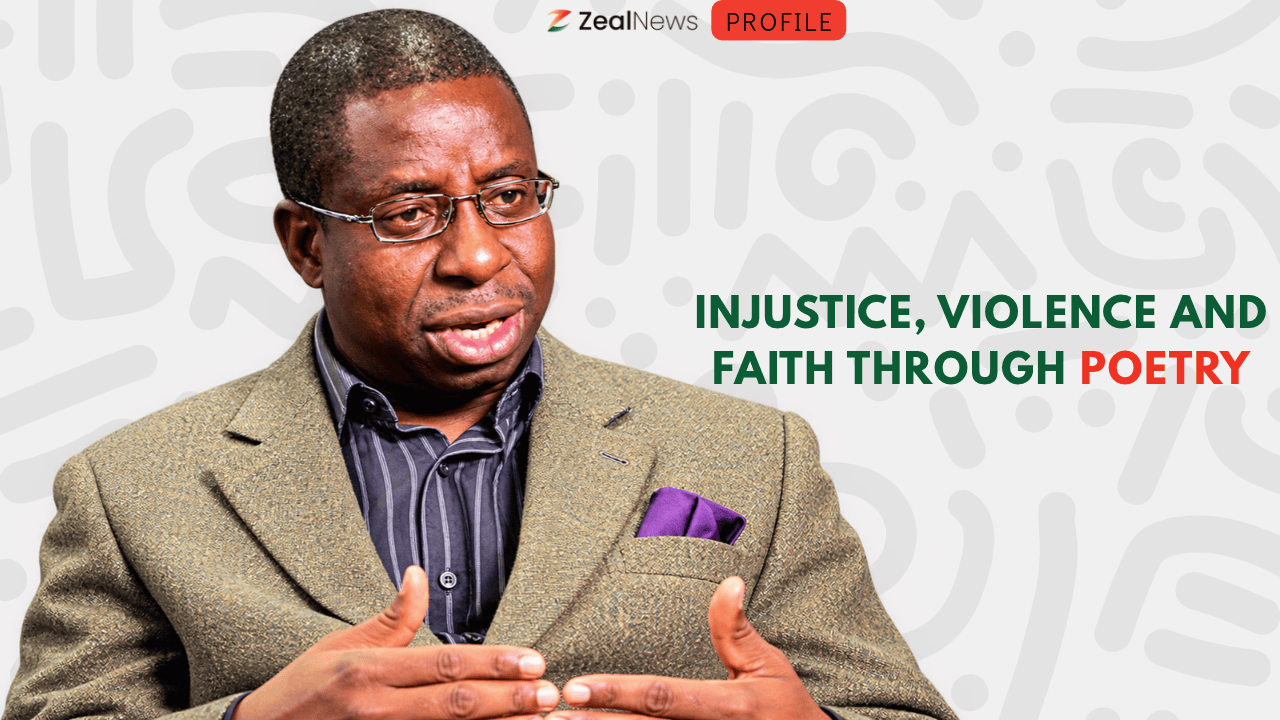
Why would God need a gun?
It is an uncomfortable question in a country where people have been killed, kidnapped and terrorised by those who claim to act in the name of religion.
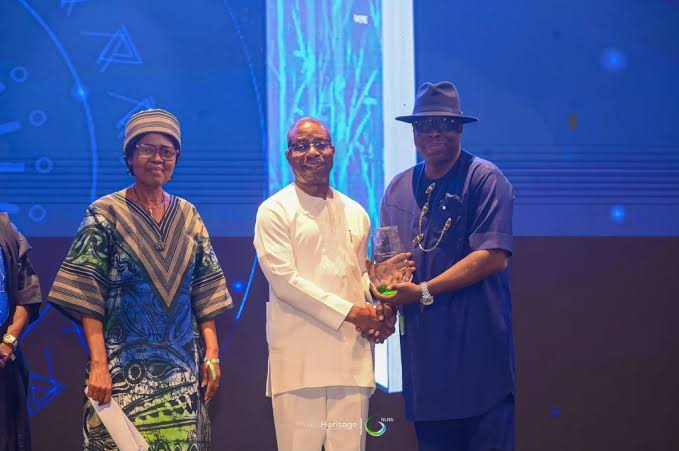
The question is the title of a poetry collection that won the2026 Nigeria Prize for Literature. But the poet behind it has spent much of his career writing about other painful chapters in Nigeria's history, from the annulment of the June 12, 1993 election to theexecution of Ken Saro-Wiwa and eight other Ogoni men.
Who is the poet behind these stories, and what draws him to such difficult chapters of Nigeria's history?
A poet shaped by the struggle for justice
Long before winning the 2026 Nigeria Prize for Literature, Ogaga Ifowodo had confronted injustice both as a writer and as a human rights activist.
A lawyer and former rights activist with the Civil Liberties Organisation, he wasarrested by the military regime of General Sani Abacha in November 1997 after returning from the Commonwealth Summit in Edinburgh, where he and other activists had called for stronger international sanctions against the regime.
He was detained without trial for six months and released in 1998. That year, he received thePEN/Barbara Goldsmith Freedom to Write Award in recognition of his commitment to freedom of expression. The international recognition helped draw attention to his detention and the risks faced by those challenging military rule.
That experience provides a context forA Good Mourning, a collection that examines Nigerians whose lives and political struggles were shaped by violence. One of its central subjects is Moshood Kashimawo Olawale Abiola, widely regarded as the winner of the June 12, 1993 presidential election.
Abiola was detained after declaring himself president and died in custody on 7 July 1998, the day he was expected to be released.
In A Good Mourning, Ifowodo turns to Abiola and other Nigerians whose lives were cut short or marked by political violence. The title plays on the familiar greeting "good morning", transforming it into an expression of national grief. It captures the collection's concern with the human cost of political betrayal and the lives behind the country's public tragedies.
The stories that history leaves behind
Ifowodo's engagement with injustice extends beyond the struggle for democracy. In The Oil Lamp, published in 2005, he turns to the Niger Delta, whereoil extraction and environmental degradation have affected communities whose livelihoods are tied to the land.
The collection includes "The Agonist (For Ken Saro-Wiwa & The Ogoni 8)", dedicated to the writer and environmental activist Ken Saro-Wiwa and the eight other Ogoni menexecuted by the Abacha government in November 1995.
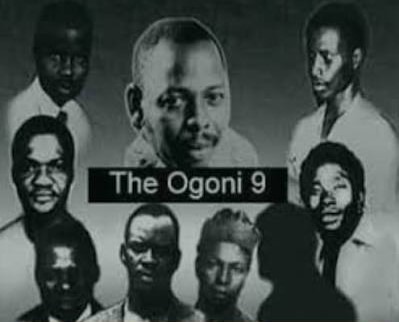
Saro-Wiwa and the Ogoni activists had campaigned against the environmental damage caused by oil production and the marginalisation of their communities. Their execution became a defining moment in Nigeria's history of state repression and the struggle for environmental justice.
The poem's dedication brings all nine men into view together, preserving the connection between their deaths and the struggle that preceded them. The choice of subject also raises a difficult question for a poet: how can language represent violence that takes lives and attempts to silence those who resist it?
That concern with the limits of representation returns in Why Does God Need a Gun?, Ifowodo's sixth poetry collection. The book won the 2026 Nigeria Prize for Literature after beingselected from 223 submissions. The judges described it as a sensitive portrayal of religious and political violence in Nigeria, told through the voice of an imagined victim.
The collection draws on the experiences of people affected by violence carried out in the name of religion. One sequence, From the Forest of a Million Demons (Leah Sharibu Lifts the Veil), takes inspiration from the 2018 abduction of schoolgirls in Dapchi, Yobe State, by Boko Haram. Leah Sharibu was among those abducted and remained in captivity after other girls were released.

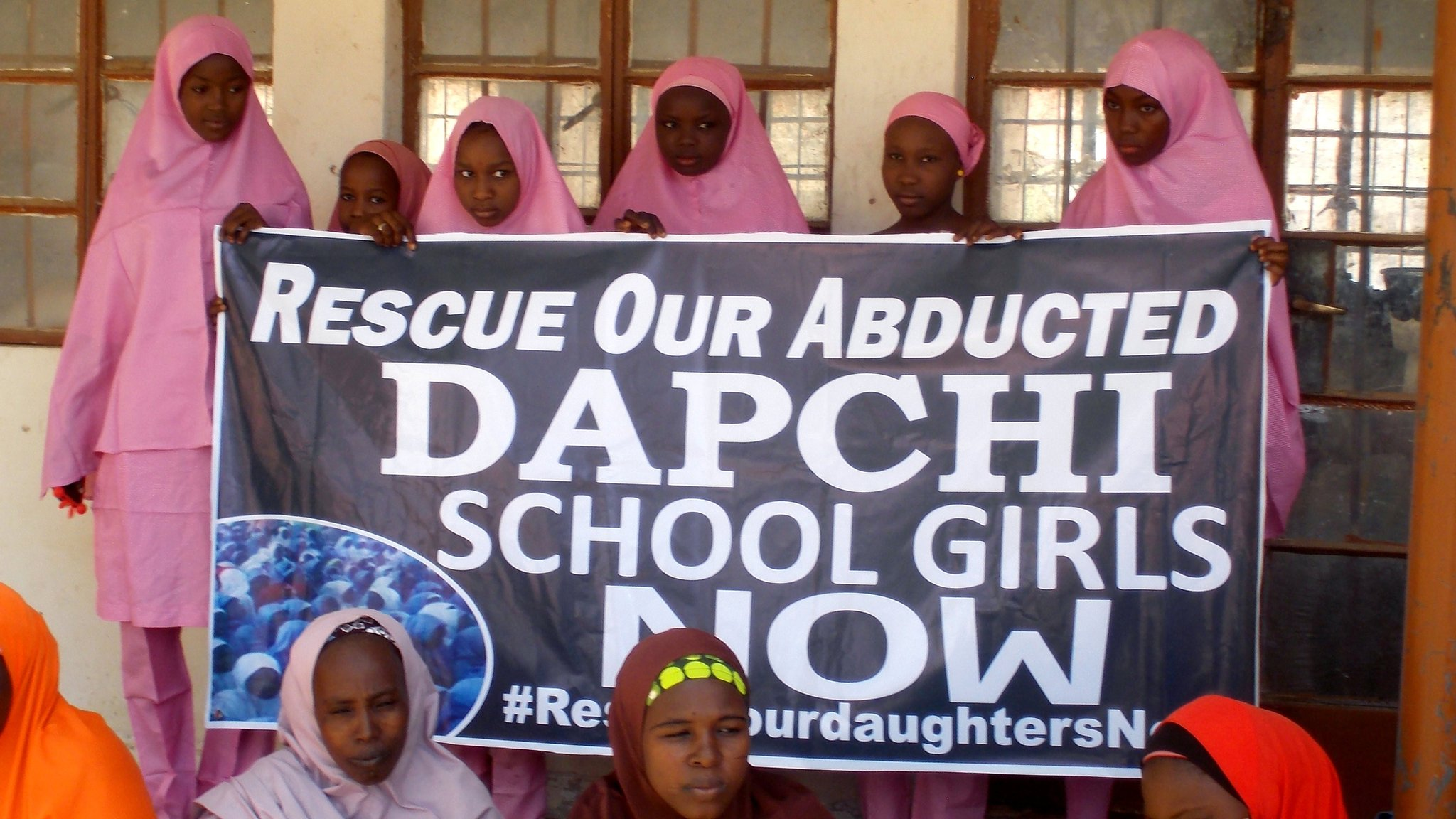
Ifowodo has explained that the voice is a composite persona representing a wider group of victims, rather than a reproduction of Sharibu's personal testimony. The distinction allows the poetry to explore the imagined inner life of a captive while acknowledging that the real girl's own voice has not been directly heard.
In an interview with Phenomenal, Ifowodo stressed that a poem's artistic execution must come before its message."If the art fails, the message fails," he said.
Writing about political repression or religious violence does not, in itself, make a poem effective, but the challenge is to find a form and language capable of carrying the weight of those experiences.
Giving history a literary voice
Nigeria has no shortage of gifted writers, but Ifowodo's work stands out for how he brings the country's difficult histories into poetry. Political repression, the execution of activists and violence against ordinary people can become dates, names and events in the national record.
He gives these histories literary form, drawing out the human experiences that can be lost in the telling.
Poetry cannot undo an annulled election, restore a life taken by state violence or bring an abducted child home. But it can make readers look again at the people behind those events, and at the consequences that outlast them.